








Japanese Cobalt Blue Dish
A Japanese cobalt blue dish brings deep indigo pigment and porcelain craftsmanship into a room, offering rich visual history for collectors and decorators alike.
Japanese Cobalt Blue Dish
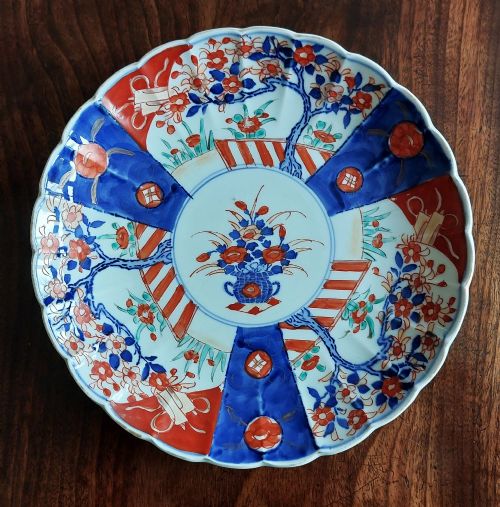
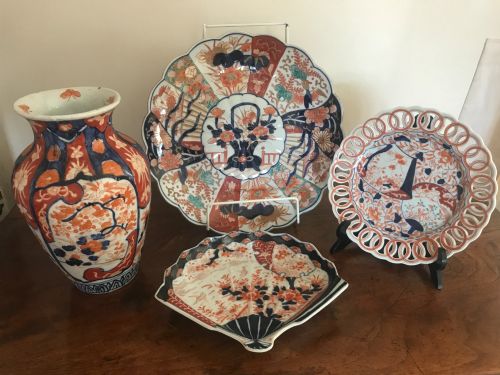
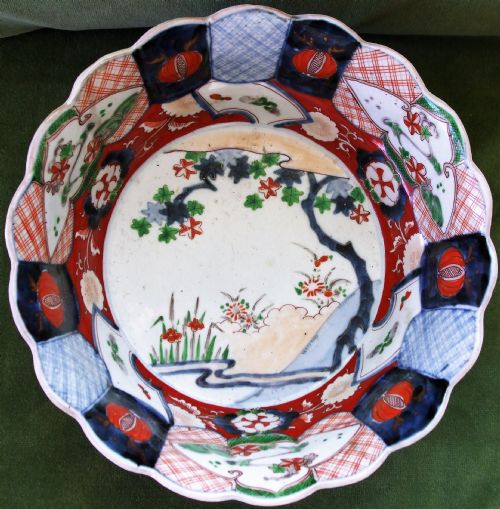
When you search for a japanese cobalt blue dish, you encounter decorative ceramics primarily originating from the Meiji period, alongside nineteenth century pieces and occasional earlier works. These items appear in various forms, including decorative plates, large chargers, scalloped edge dishes, and bowls.
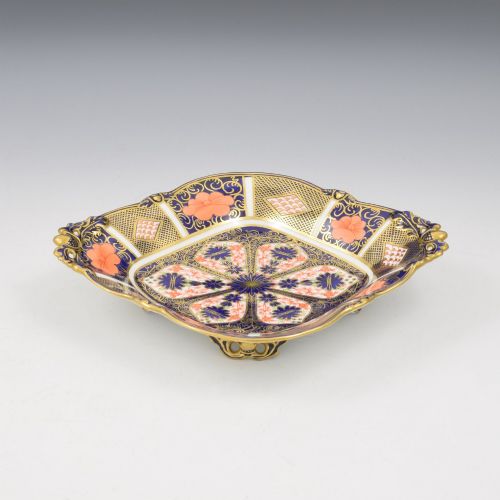
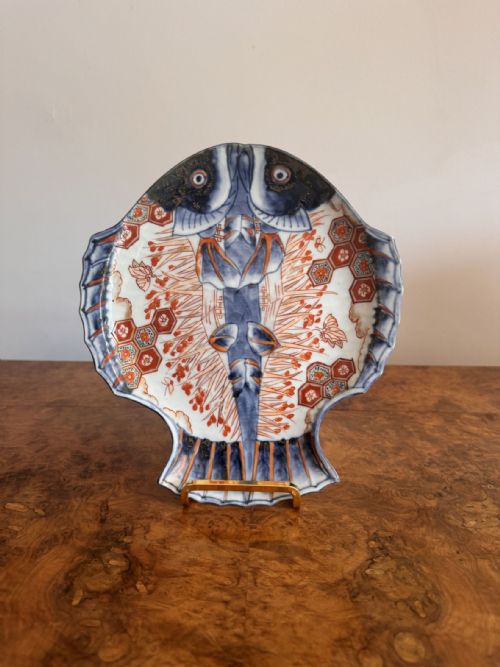
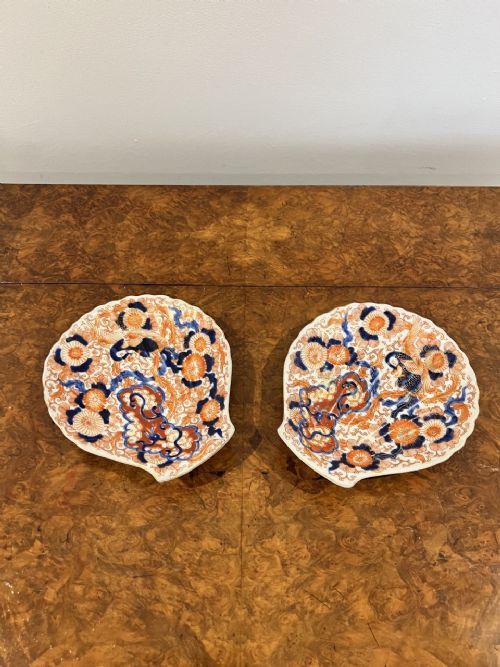
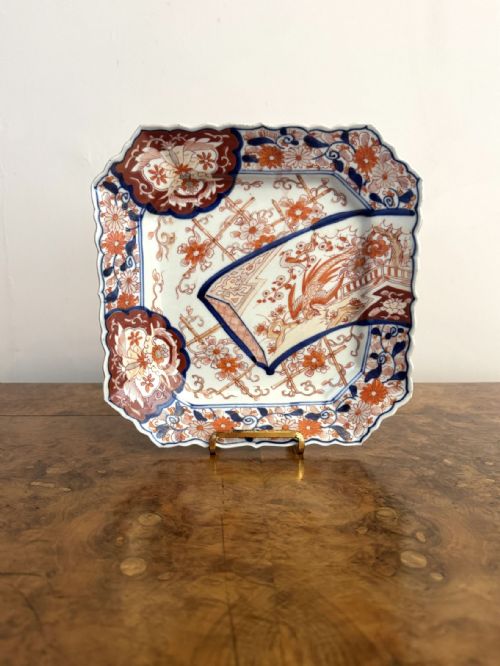
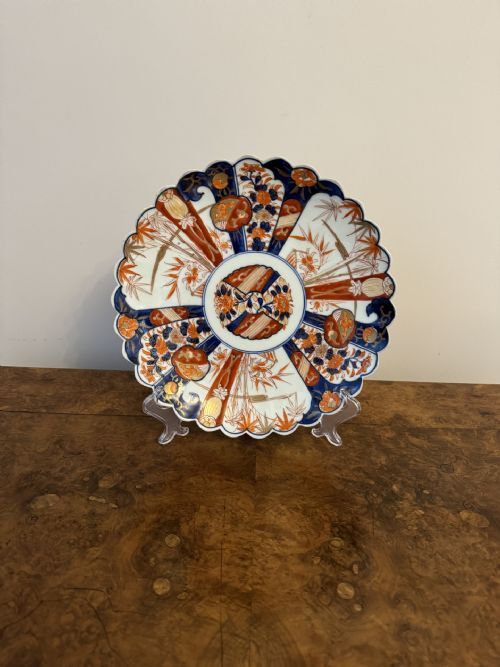
The selection frequently includes Imari wares characterised by distinctive blue and white designs, often accompanied by enamel accents and gold leaf details. Pieces range from standard circular plates to fish-shaped, square, hexagonal, and shell-shaped vessels designed for display.
Examples span several eras, touching upon Victorian trade items, Edo and Meiji transition pieces, and historical specimens reaching back to the Ming and Qing dynasties. Buyers regularly meet pairs and sets alongside substantial single chargers intended for prominent placement.
Distinctions in quality and execution
Quality rests in the precision of the cobalt pigment application, the clarity of the porcelain body, and the complexity of the painted compositions. Superior examples demonstrate crisp brushwork and balanced integration of blue tones with enamel and gold leaf details.
Form dictates distinction, with unusual shapes such as fish or shell forms and large chargers representing higher levels of potter skill compared to standard round plates. The crispness of scalloped edges and the refinement of the glaze finish separate standard production items from finer specimens.
Listings feature porcelain forms spanning the seventeenth century through the early twentieth century, with a strong concentration of nineteenth century Meiji period Imari chargers and plates.
The Japanese Cobalt Blue Dish Glossary
- Imari
- A style of Japanese porcelain featuring a palette dominated by cobalt blue, iron red, and gold, typically produced for export. These wares are widely represented in nineteenth century collections.
- Charger
- A large decorative plate used historically for presentation or wall display rather than dining. They provide a broad surface for intricate cobalt blue and enamel painting.
- Meiji Period
- The era in Japanese history spanning from eighteen sixty-eight to nineteen twelve, known for prolific ceramic production aimed at Western markets. Pieces from this time often display refined cobalt glaze techniques.
- Scallop Edge
- A decorative border shaped into a series of curves resembling a scallop shell. This moulding technique appears frequently on nineteenth century plates and bowls.
- Mukozuke
- A small dish traditionally used in Japanese dining or tea ceremony settings. These pieces often feature carefully controlled blue and white pigment applications.
Japanese Cobalt Blue Dish: Frequently Asked Questions
How do I display a large charger?
Large chargers are typically positioned on sturdy plate stands for tabletop display or mounted securely on walls using appropriate hardware.
Their substantial size and deep cobalt designs make them effective focal points in both traditional and modern interiors.
What is the difference between Imari and standard blue and white?
Imari porcelain traditionally incorporates a palette of cobalt blue underglaze combined with iron red and gilt overglaze highlights.
Standard blue and white wares rely solely on cobalt pigment beneath the glaze without the additional enamel colours.
How should I clean antique porcelain dishes?
Antique ceramics require gentle maintenance using lukewarm water and mild soap, avoiding harsh scrubbing or abrasive materials that might damage the glaze.
Careful handling protects the delicate enamel and gold leaf details found on nineteenth century pieces.
Are these dishes safe for food use?
Historical export ceramics and antique decorative pieces are primarily intended for display and collection rather than daily culinary use.
Age, glaze composition, and potential wear suggest limiting these items to decorative purposes within the home.