
Oriental Decorative Porcelain
Oriental decorative porcelain brings together centuries of skilled ceramic work, offering painted bowls, chargers, and vases that transform a room.
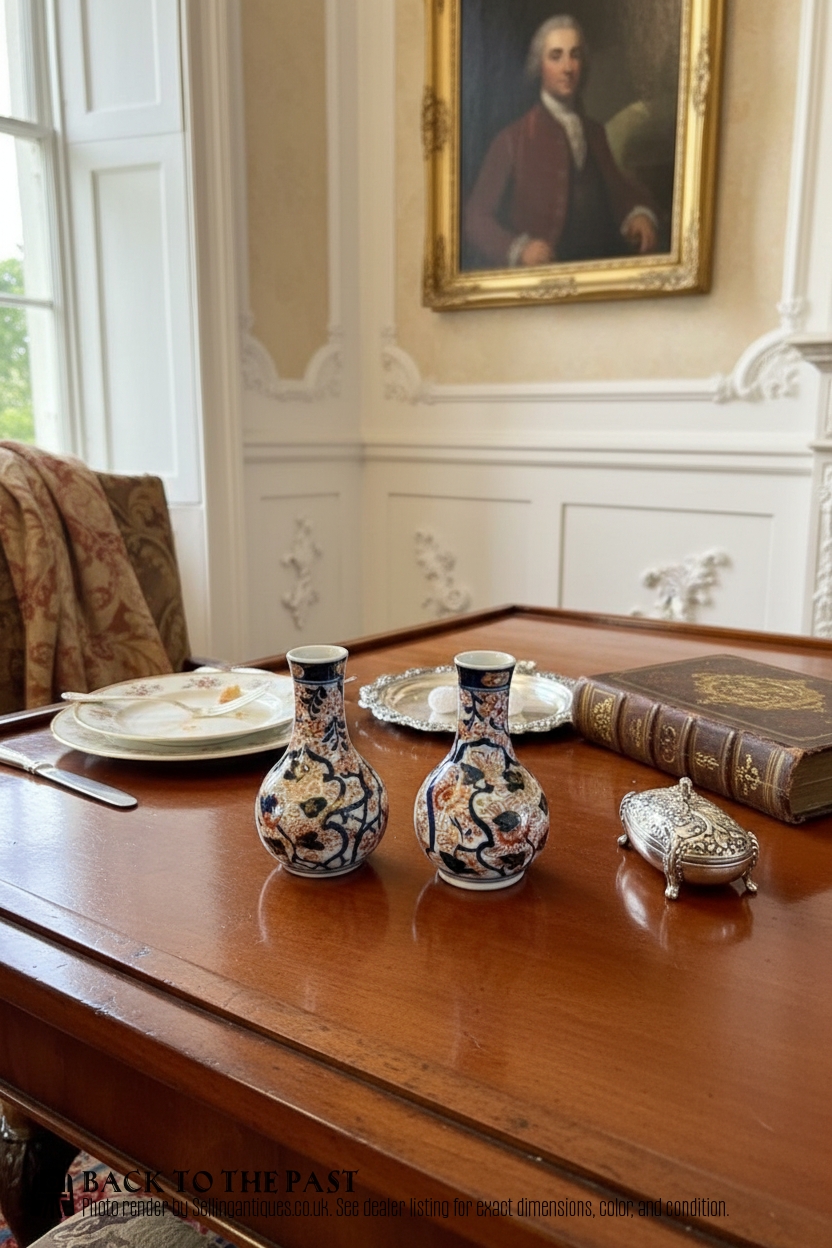
Oriental Decorative Porcelain
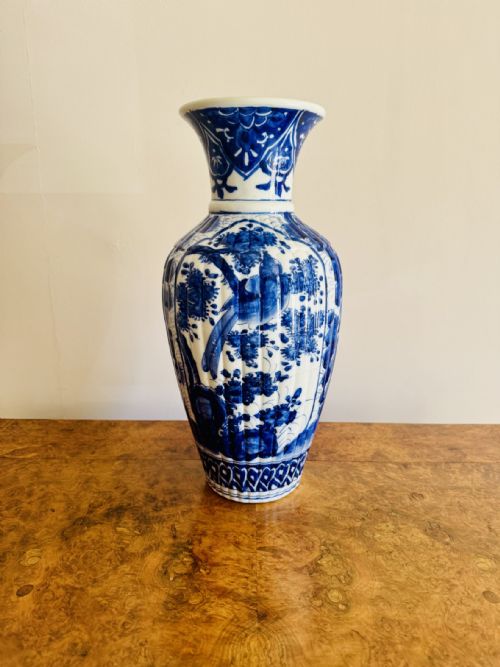
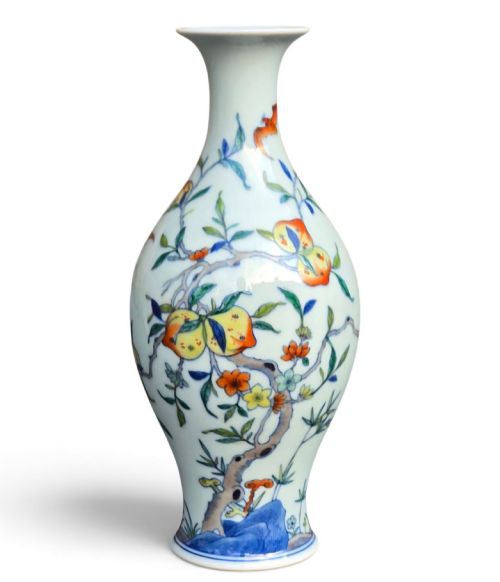
Oriental decorative porcelain encompasses objects made for display and daily use, drawing from Chinese and Japanese traditions across multiple centuries. Buyers encounter large floor vases, chargers, bowls, and ginger jars produced during the Qing dynasty, Meiji period, and later Republican eras.
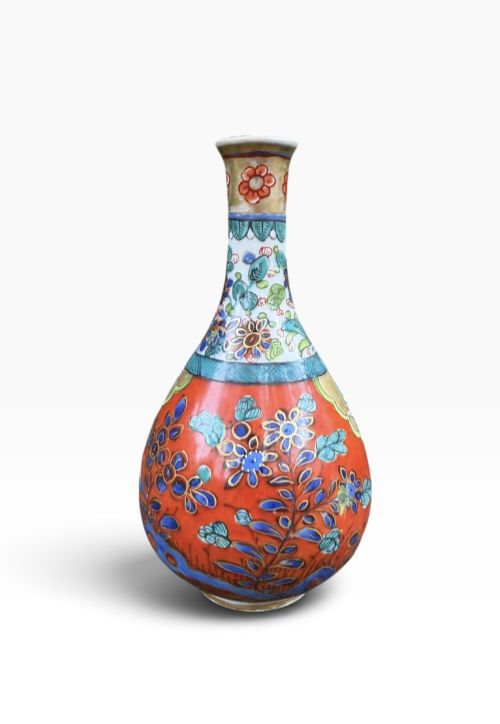
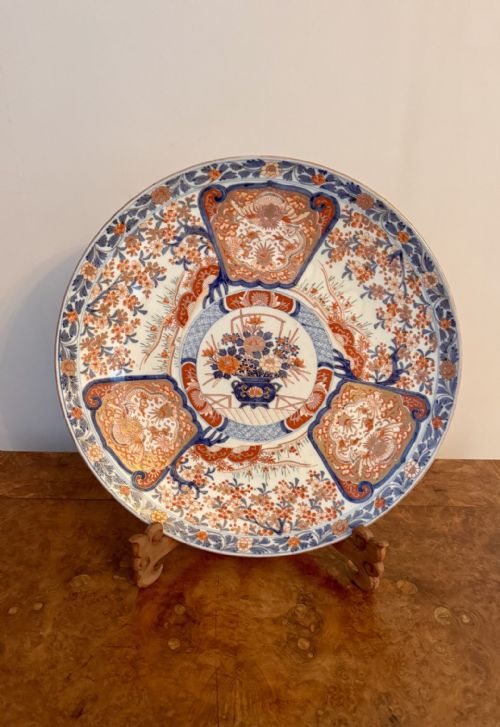
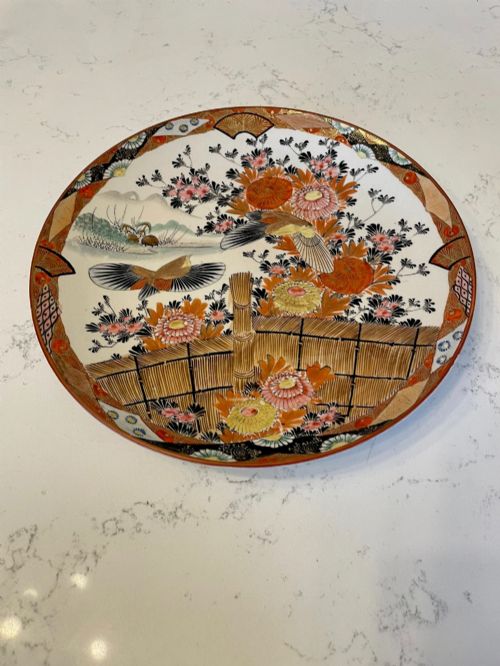
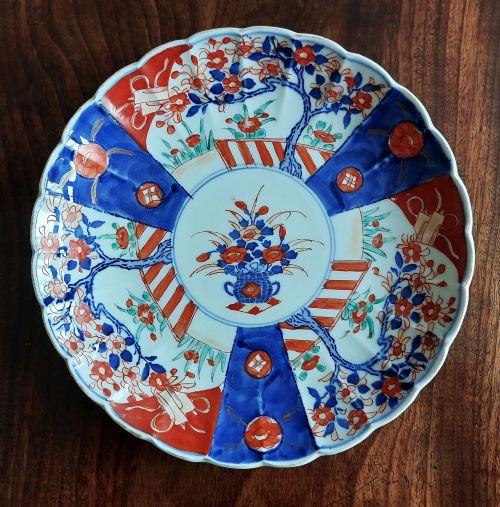
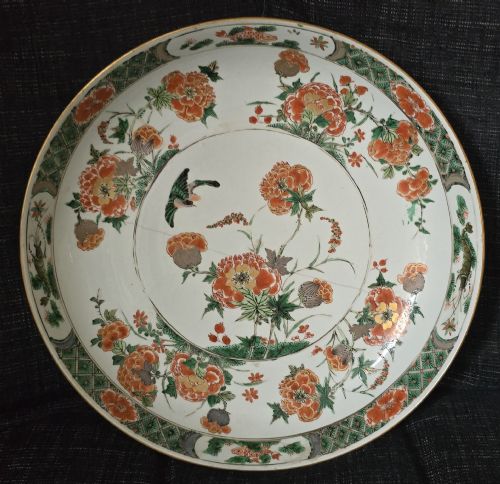
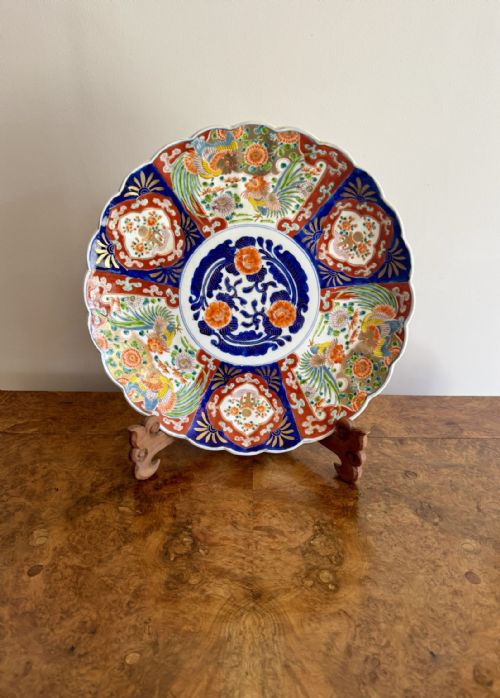
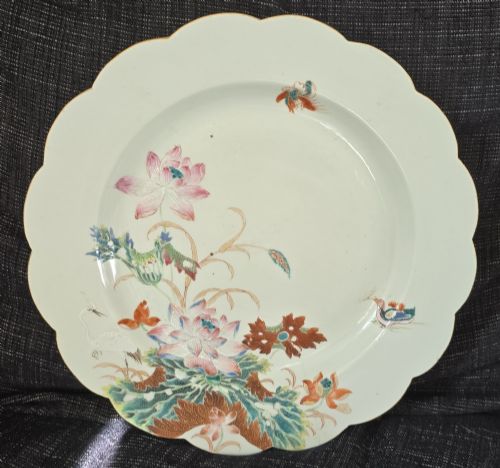
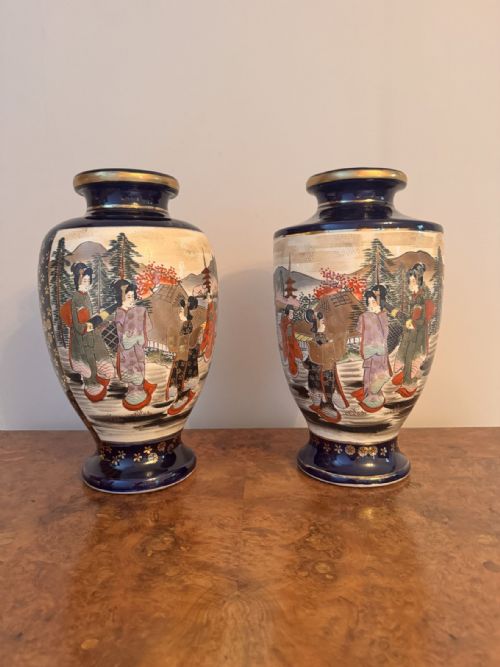
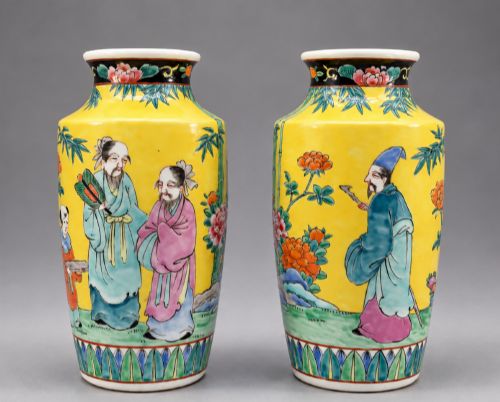
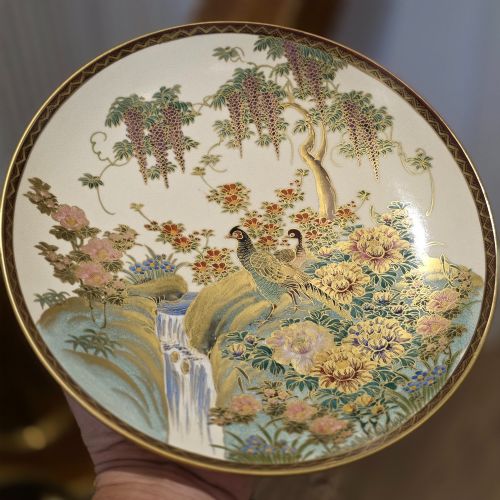
The pieces appearing most frequently on this page span late nineteenth-century Japanese Imari wares and twentieth-century Satsuma items. Alongside these, Chinese Canton bowls and Famille Rose export pieces provide substantial decorative forms suited to interior display.
Materials and Techniques
Production relies upon hard-paste porcelain and earthenware bodies shaped into vessels, plates, and jars. Artisans apply mineral pigments, cobalt blues, and enamel colours directly to the surface before firing.
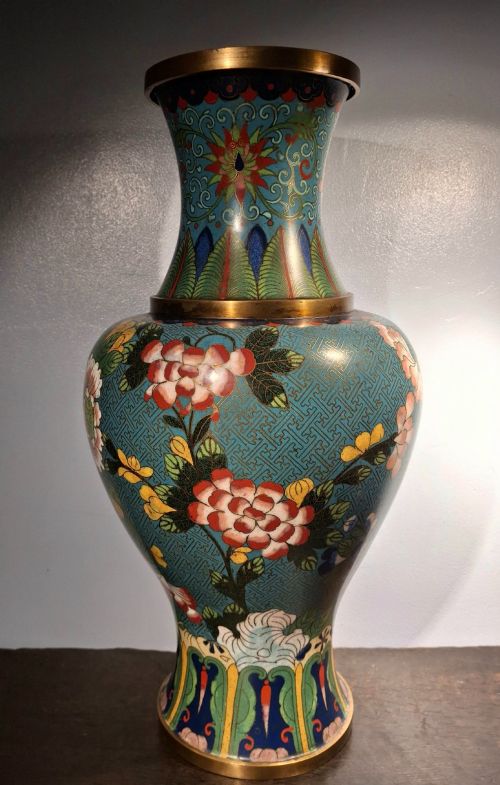
Many items incorporate gold leaf, gilt highlights, or moriage relief work to add texture and depth. Certain pieces also integrate brass or ormolu mounts to secure the ceramic bodies.
Listings for oriental decorative porcelain span pieces from the eighteenth century through to the 1940s, utilising enamel, glaze, and gold leaf.
Craftsmanship and Painting
Quality rests upon the precision of the hand-painted detail and the depth of the glaze. Superior examples display controlled brushwork, vibrant enamels, and crisp division between patterns without smudging.
The weight of the porcelain, the symmetry of the form, and the preservation of any gilding distinguish standard production items from pieces executed by skilled hands.
The Oriental Decorative Porcelain Glossary
- Imari
- A style of Japanese porcelain featuring underglaze blue and overglaze red, gold, and green. This palette creates strong contrast across plates and bowls.
- Satsuma
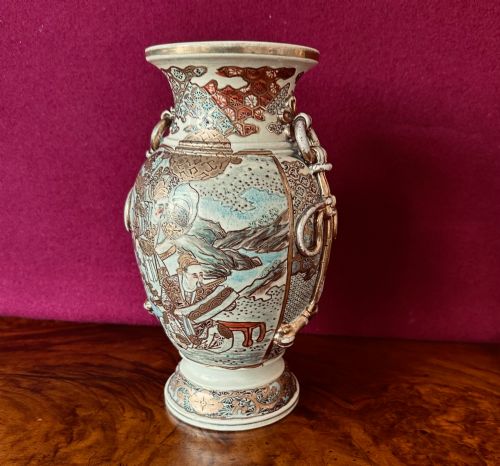
- Earthenware pottery originating from Satsuma province with a crackle-glaze finish. Artisans typically decorate these surfaces with polychrome enamel and raised gold.
- Famille Rose
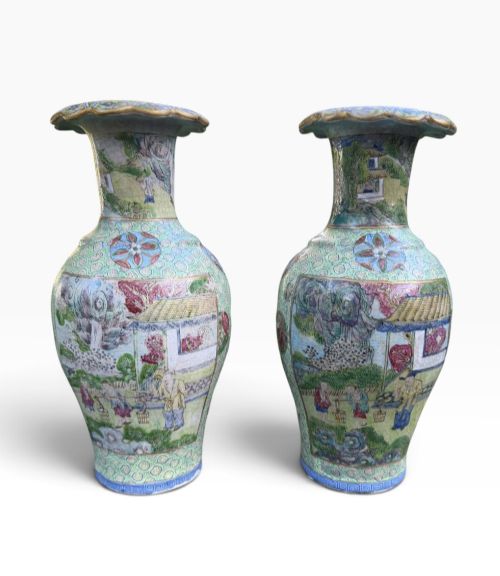
- A Chinese porcelain palette dominated by opaque pink or rose enamel. The style emerged during the Qing dynasty and appears on export plates and vases.
- Canton
- Chinese porcelain decorated in the port city of Canton using vibrant greens and pinks. Floral and figural scenes cover much of the visible surface.
- Moriage
- A Japanese ceramic technique using piped clay trails to create raised decorative patterns. This adds tangible texture beneath the glaze and enamel.
Oriental Decorative Porcelain: Frequently Asked Questions
How do I care for antique porcelain?
Wash porcelain pieces by hand using warm water and mild soap, avoiding harsh scrubbing or dishwashers that might damage the enamel or gold leaf.
Place heavier vessels on stable, level surfaces away from direct foot traffic to prevent accidental knocks.
How do I distinguish Imari from Satsuma?
Imari pieces consist of hard porcelain with a ringing sound when tapped, utilising deep blues, reds, and gilt highlights in geometric or floral layouts.
Satsuma items are earthenware with a distinct crackled glaze and feature dense pictorial scenes painted in softer enamel colours.
Were these pieces made for export?
Many objects found in Western collections were produced specifically for export markets in Europe and America during the nineteenth and early twentieth centuries.
Potters adapted traditional Chinese and Japanese forms and motifs to suit foreign interior decoration tastes of the period.
Can I use these vases for water?
While historic vessels were designed to hold flowers, older earthenware and mounted pieces often benefit from dry display to protect internal glazes.
If using them for fresh stems, placing a small glass container inside prevents moisture from seeping into porous historic bodies.