
Imari Ceramic Vases
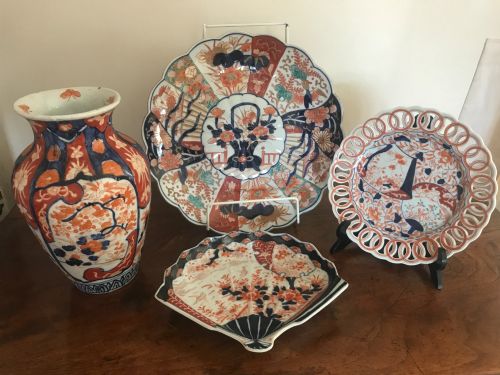
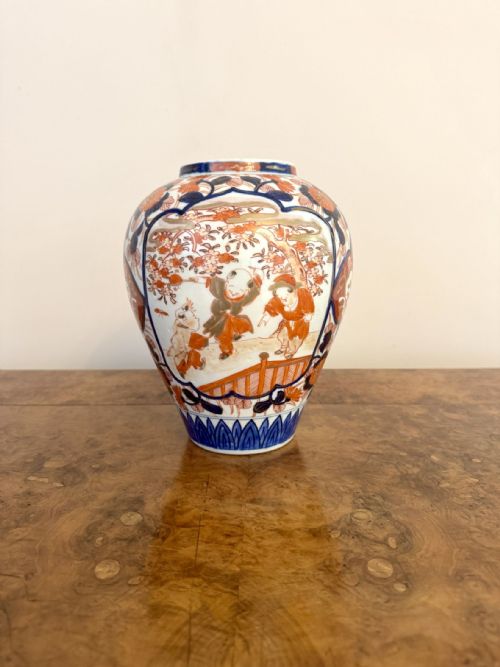
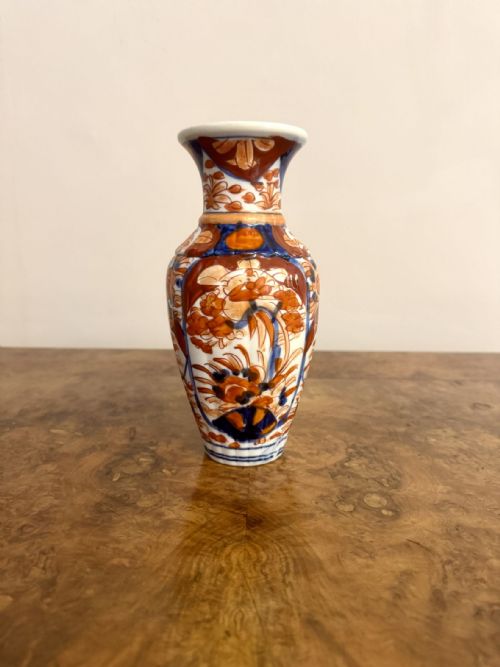
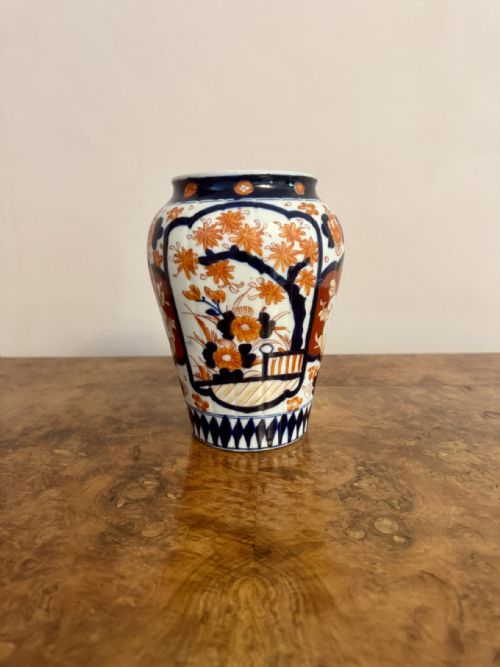
Imari ceramic vases bring together rich iron-red and cobalt-blue palettes with dense surface decoration from Asian and British kilns.
Imari Ceramic Vases
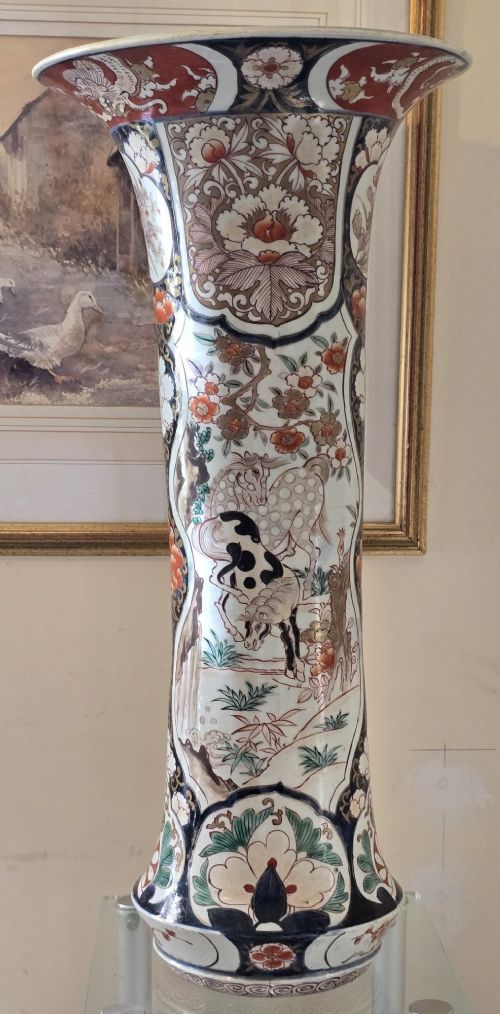
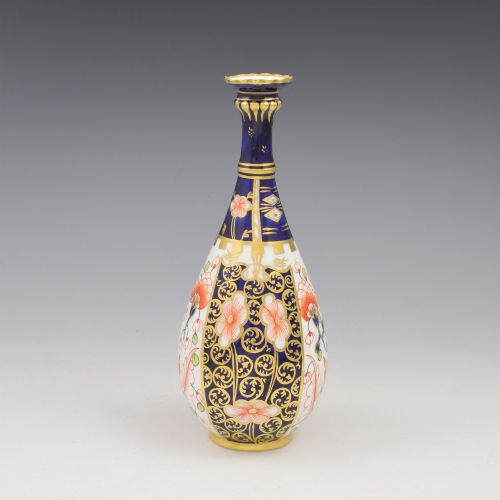
When you search for imari ceramic vases, you encounter a distinct group of vessels defined by their characteristic palette and ornamental motifs. These pieces span centuries of production, originating largely from Japanese kilns in Arita as well as later British adaptations.
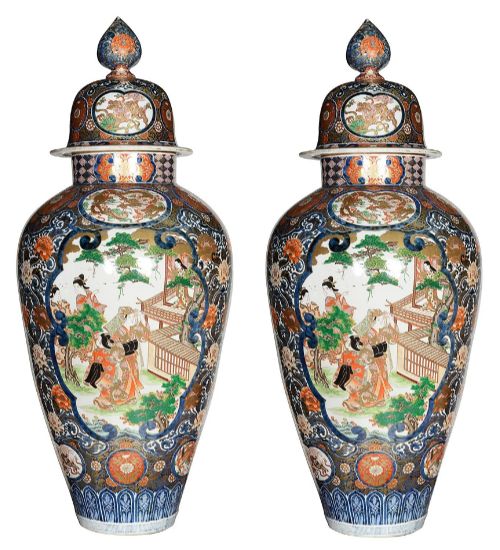
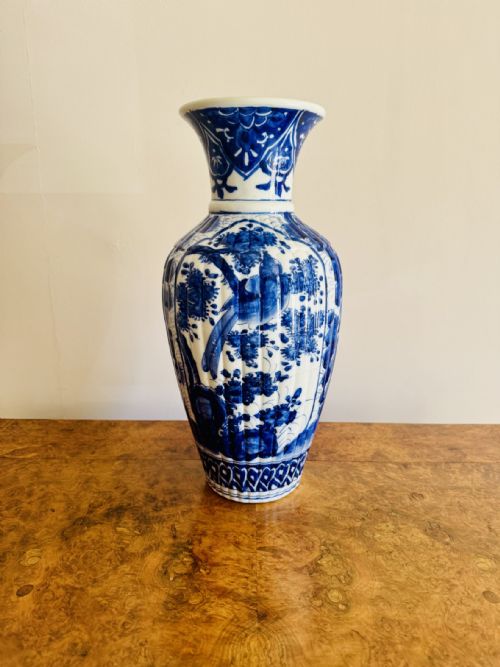
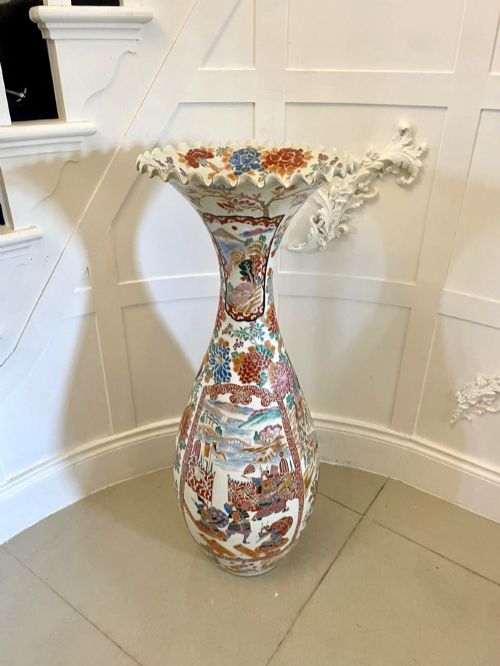
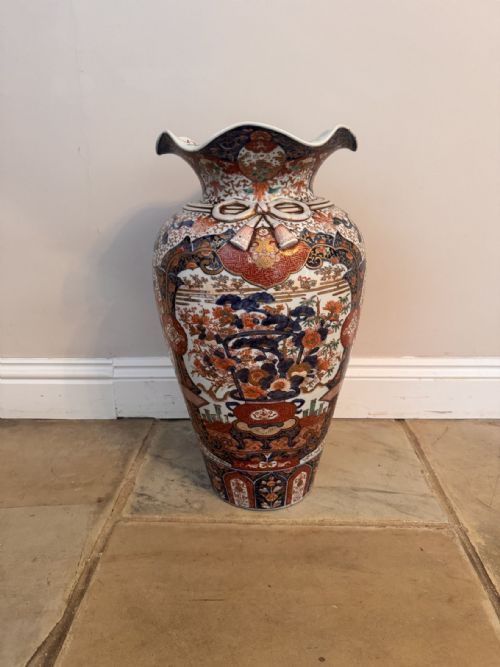
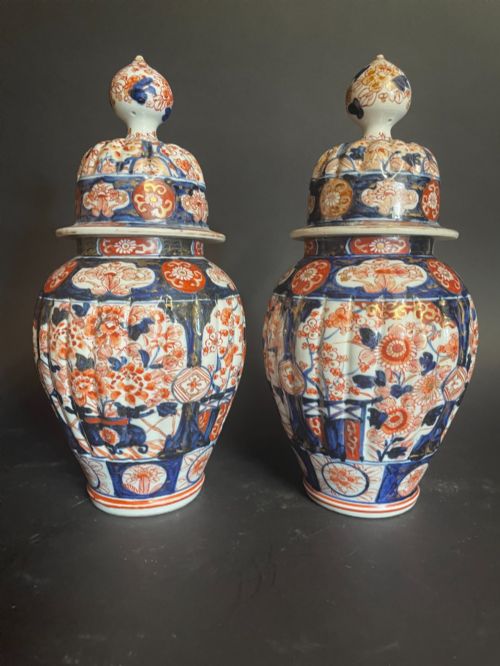
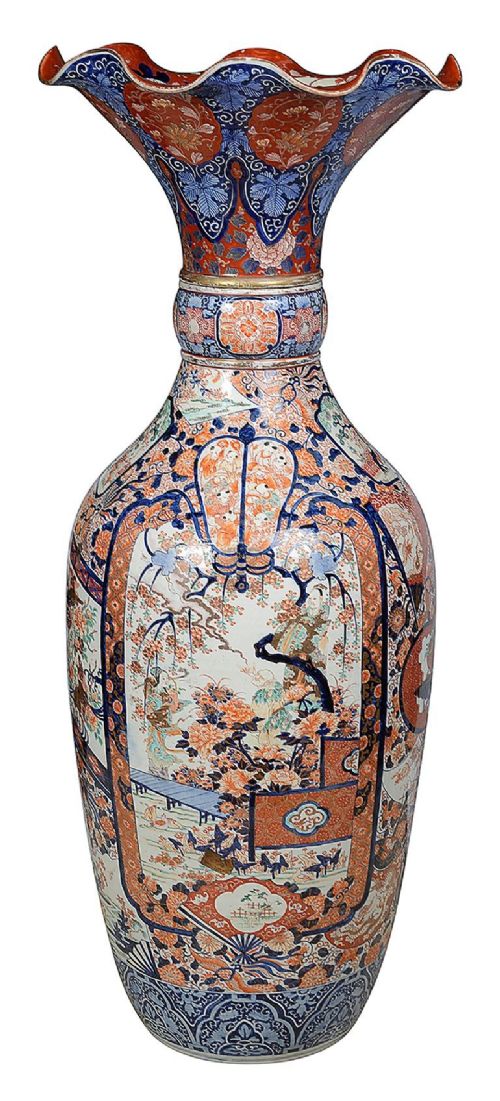
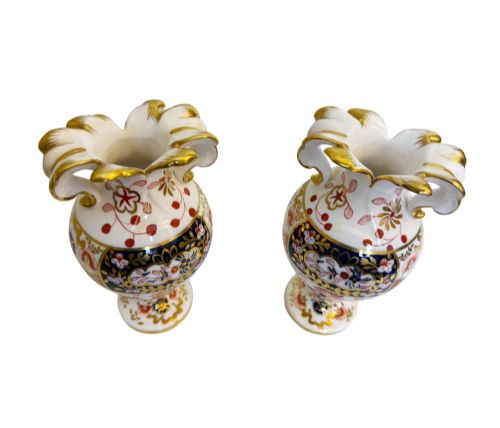
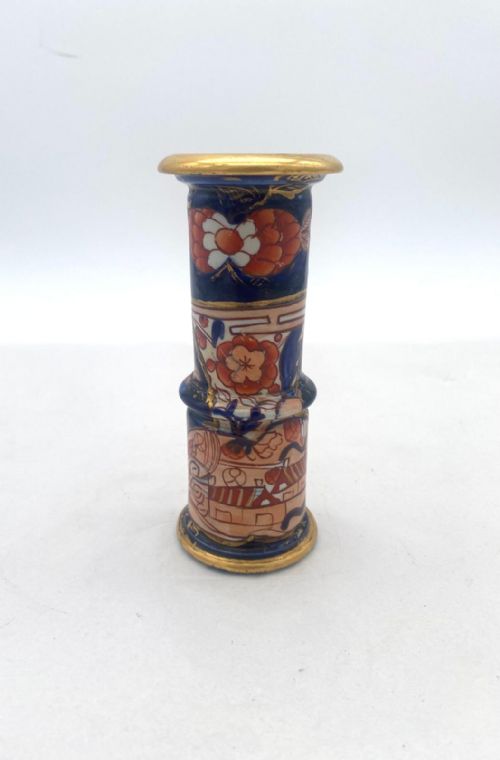
The selections available here range from small miniature pots and ginger jars to large floor-standing vases and lidded garnitures. Many examples date from the nineteenth century and the Meiji period, alongside earlier seventeenth-century pieces and Edwardian British interpretations.
How they were made
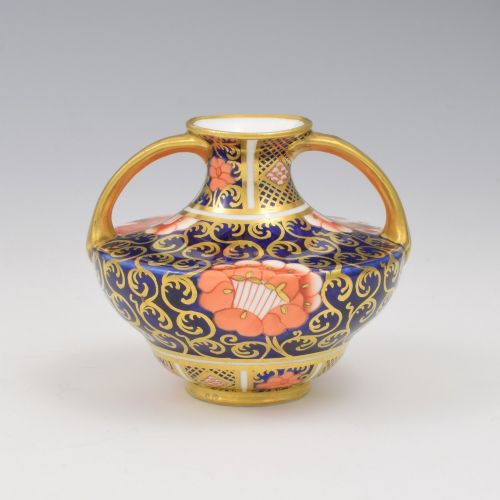
The makers formed these vessels using porcelain, ironstone, and ceramic bodies, shaping them into baluster, bottle, double gourd, and shaped silhouettes. Artisans then applied underglaze cobalt blue and overglaze iron-red enamel, frequently enhancing the surface details with gold leaf and gilding.
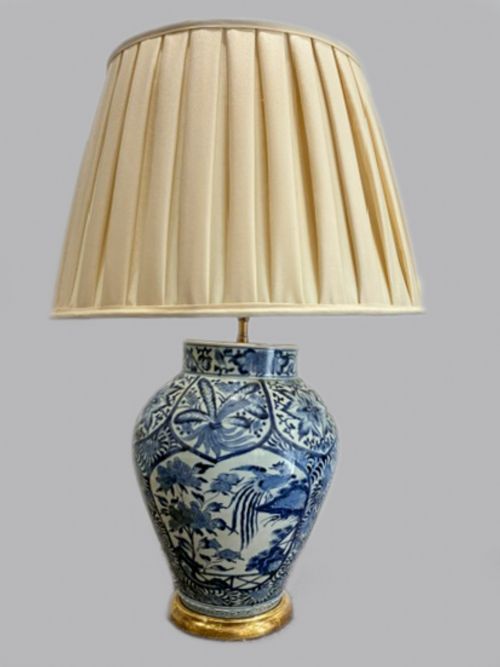
Firing took place in multiple stages to fuse the enamel pigments and gold leaf onto the glazed ceramic or porcelain base. Lidded jars and vases often received matched covers, while some seventeenth-century porcelain bodies were later adapted into table lamps.
A few antique vases found a second life illuminating rooms after conversion into table lamps.
What varies in quality
Quality rests upon the precision of the hand-painted decoration and the crispness of the iron-red and cobalt-blue pigments. Superior vessels display complex, well-balanced compositions that cover the porcelain surface without appearing cluttered or misaligned.
The presence of intact gilding and gold leaf significantly elevates a piece, as does the survival of original matching covers on lidded jars and garnitures. Larger floor-standing examples and pairs demonstrate greater ambition in production compared to standard single vessels.
Royal Crown Derby·Spode·Masons
The Imari Ceramic Vases Glossary
- Arita
- The Japanese town and production centre renowned for creating the original porcelain traditions that inspired later Imari wares.
- Garniture
- A matched set of three or more vases or lidded jars designed to be displayed together on a mantelpiece or sideboard.
- Ginger Jar
- A globular ceramic or porcelain vessel with a flat base and a domed cover, originally used for storage.
- Ironstone
- A heavy, durable type of ceramic developed in Britain as a robust alternative to imported porcelain.
- Meiji Period
- The era of Japanese history spanning from eighteen sixty-eight to nineteen twelve, associated with intricate export ceramics.
Imari Ceramic Vases: Frequently Asked Questions
How do I date an imari ceramic vase?
Dating relies on the stylistic markers of the period, such as the brushwork characteristics of the Meiji era versus seventeenth-century Edo examples. British interpretations often bear factory marks from makers like Spode or Royal Crown Derby.
Examining the glaze, the composition of the ceramic body, and the saturation of the iron-red and cobalt pigments helps establish the likely decade of production.
What is a garniture set?
A garniture is a matching set of three or more vases or lidded jars intended to be displayed together as a decorative scheme. These sets often feature graduated sizes designed to sit along a mantelpiece.
Finding a complete, matching garniture from the nineteenth century is particularly valued by collectors.
Are these vases purely decorative?
Most of these vessels were created as ornamental display items rather than utilitarian containers. Lidded jars, floor vases, and pot pourri pots served to showcase wealth and taste in period interiors.
Some historical porcelain bodies were later adapted into table lamps while retaining their decorative painted surfaces.
How should I clean my vase?
Care for these ceramic and porcelain pieces by dusting them gently with a soft, dry brush. Avoid using water, abrasive cleaners, or chemical solvents, which can damage the delicate overglaze enamel and gold leaf.
Display the vessels away from direct sunlight to preserve the vibrancy of the iron-red and cobalt-blue pigments.