


Orange Japanese Ceramic Vase
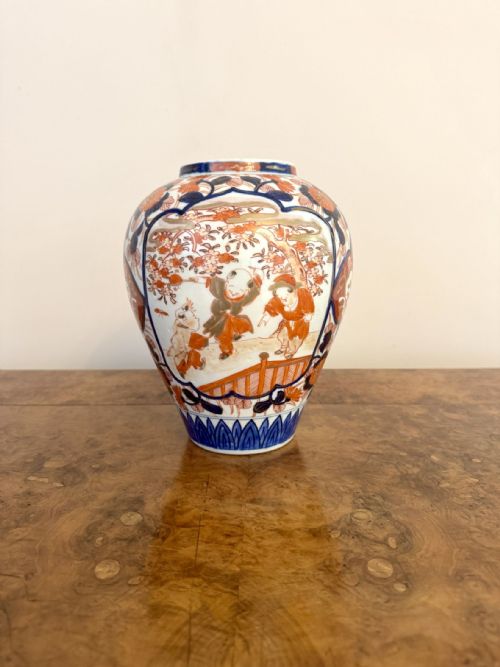
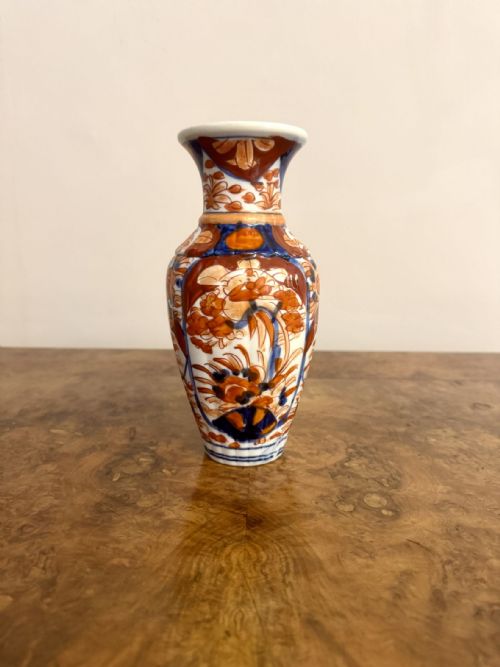
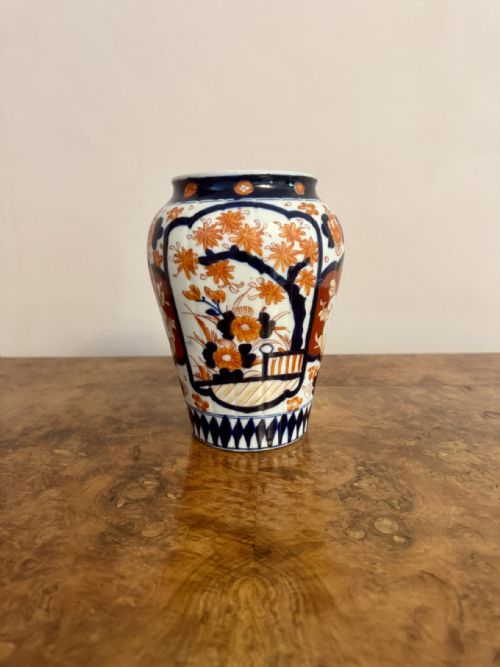
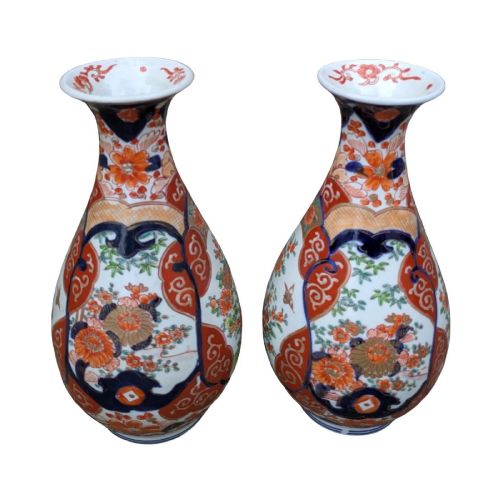
An orange japanese ceramic vase brings rich palette and hand-painted detail to a room, drawing the eye with traditional eastern artistry.
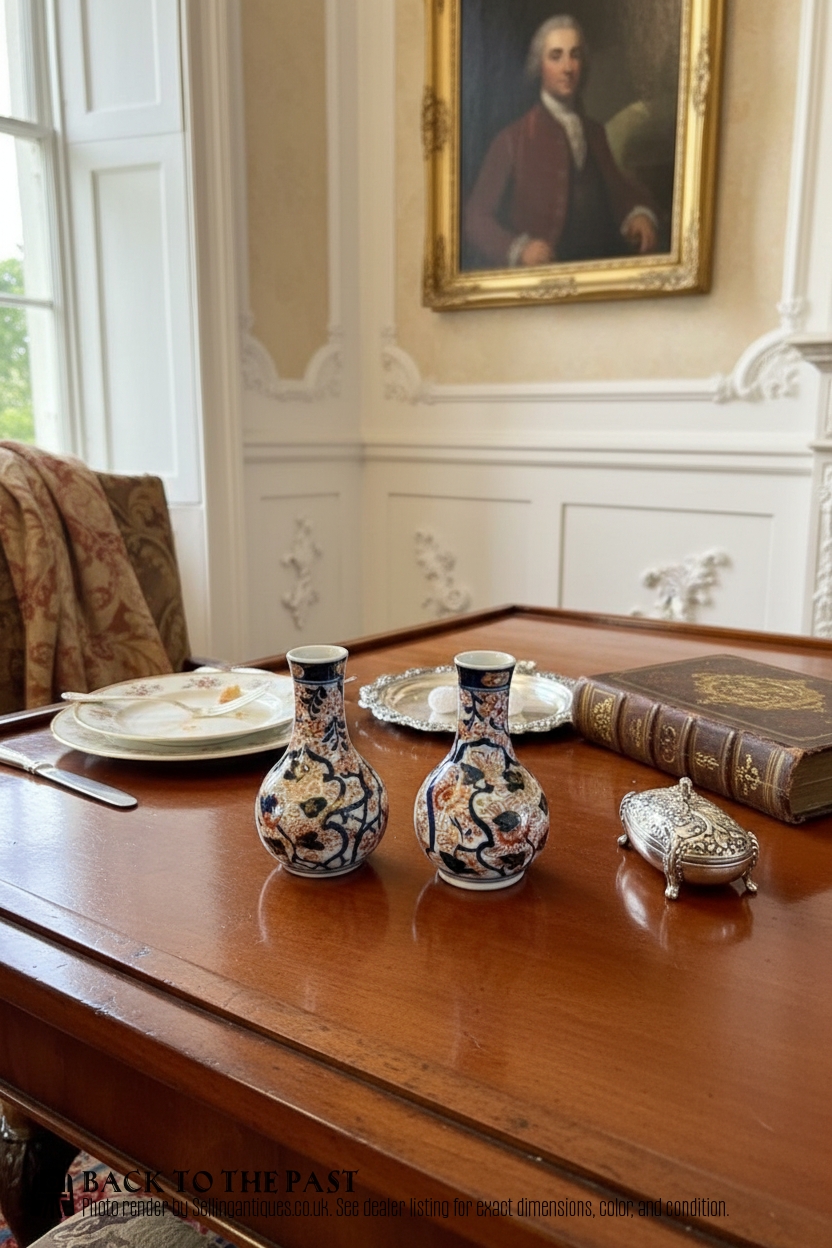
Orange Japanese Ceramic Vase
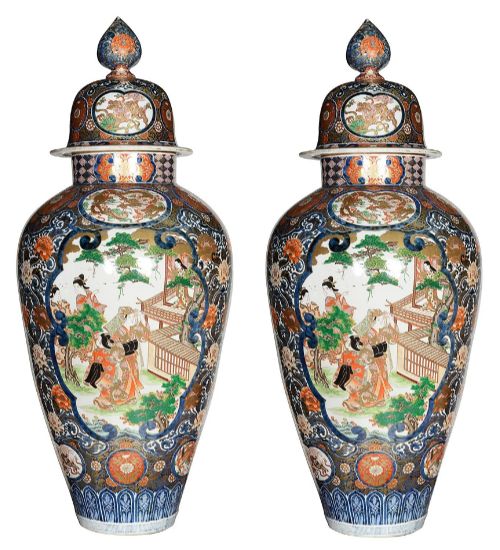
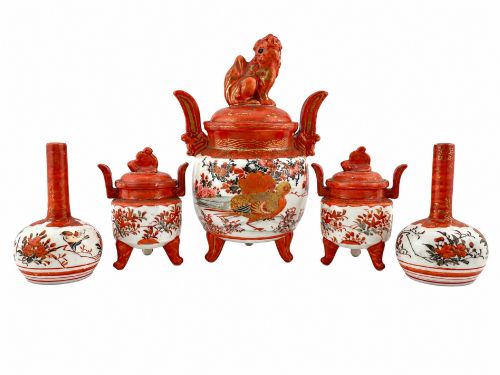
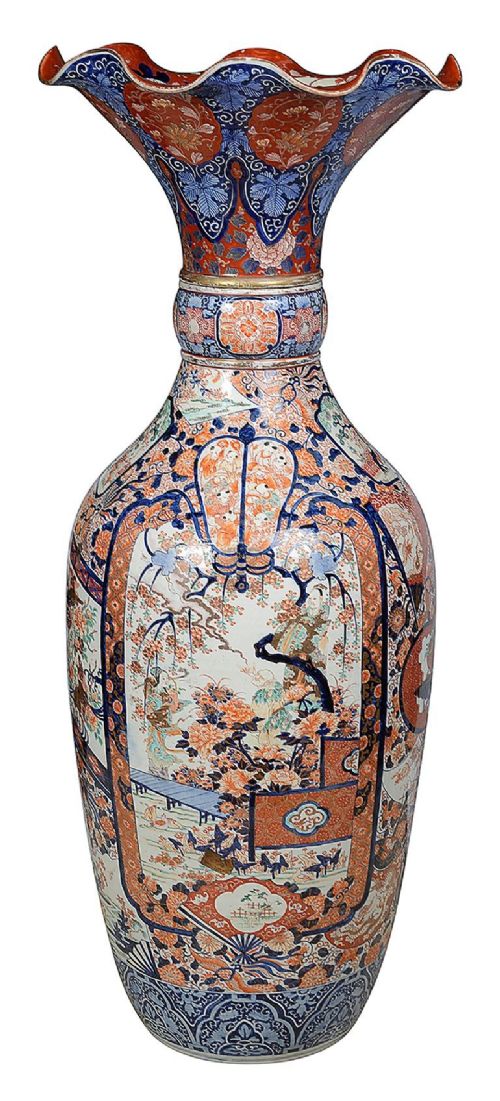
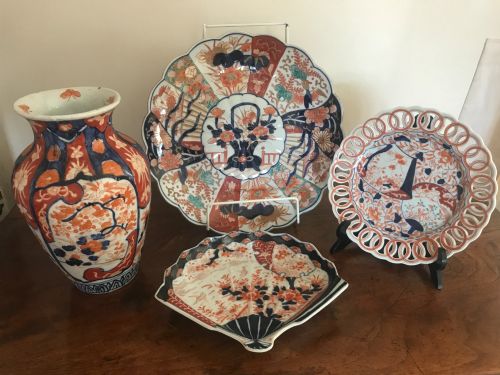
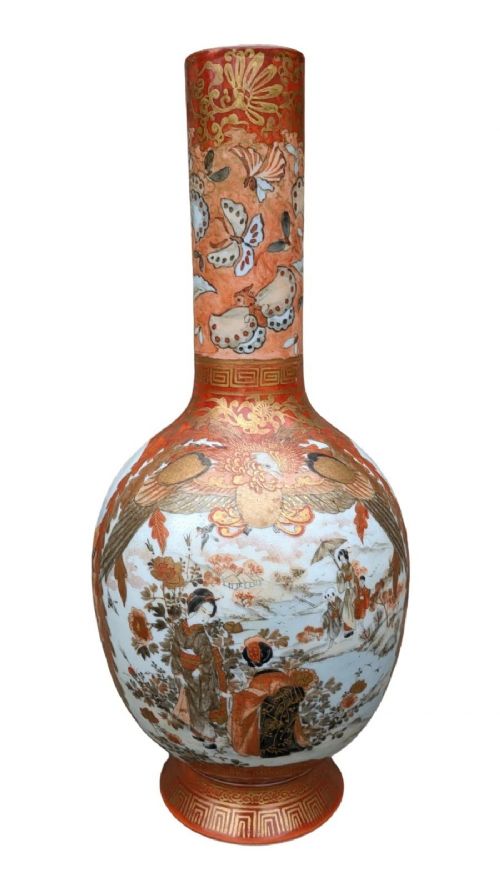
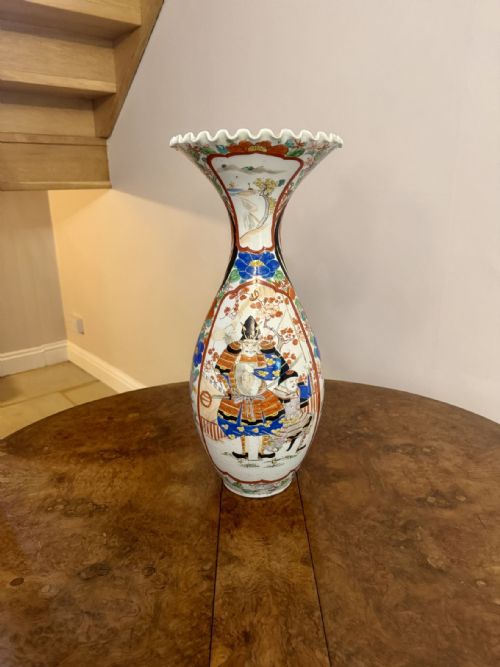
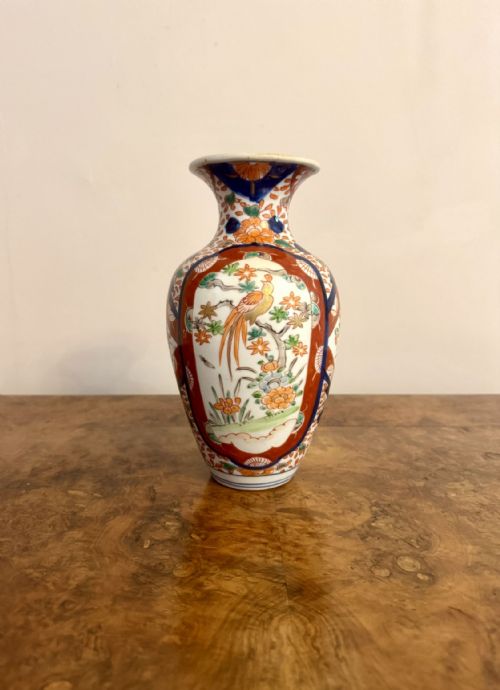
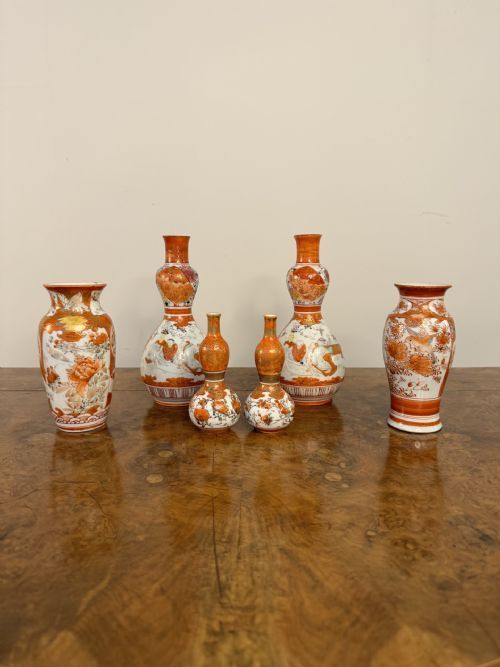
When searching for an orange japanese ceramic vase, collectors encounter diverse forms spanning several centuries of export and domestic production. The selection predominantly includes Imari and Kutani wares produced during the Meiji period and the wider nineteenth century.
Vessels range from small cabinet pieces and double gourd shapes to large floor-standing urns and covered ginger jars. Many examples incorporate traditional stands, fabric elements, or metal components such as brass mountings.
The aesthetic bridges domestic Japanese domestic crafts and international export goods. Buyers find both simple bottle shapes and elaborate octagonal baluster forms decorated with characteristic pigments.
How they were made
Potters utilised fine porcelain and ceramic bodies shaped by hand or wheel before applying mineral pigments and glazes. Artisans combined iron-red enamel with cobalt blue underglazes and supplementary gold leaf or gilding.
Certain styles employ moriage techniques to build raised slip patterns on the ceramic surface. Other variations include lacquer over-paint applied directly onto fired porcelain bodies.
Kiln firing fixed the complex colour palettes and metal leaf applications. Workshops in centres such as Arita established specific traditions for porcelain body preparation and glaze formulation.
Current listings feature porcelain and ceramic vessels spanning the Edo period through the early twentieth century.
What varies in quality
The crispness of the hand-painted brushwork and the precision of the enamel application distinguish finer examples from standard production. Superior pieces exhibit carefully controlled colour saturation, particularly within the dominant iron-red and orange tones.
The complexity of the form and the integrity of the porcelain body influence overall character. Well-preserved gilding and intact surface details without heavy rubbing command greater appreciation among collectors.
The Orange Japanese Ceramic Vase Glossary
- Imari
- A traditional style of Japanese porcelain featuring distinctive iron-red, cobalt blue, and gold decoration. These pieces originated from the port town of Imari and were shipped worldwide during the Edo and Meiji periods.
- Kutani
- A style of Japanese coloured ceramic ware known for bold pictorial designs and vibrant enamel palettes. Kutani pieces frequently incorporate figural scenes, birds, and floral motifs enhanced by gilt accents.
- Meiji Period
- The historical era in Japan spanning from 1868 to 1912. Production during this time prioritized intricate decorative arts for the export market.
- Arita
- The historic Japanese town and surrounding district central to porcelain production. Arita kilns supplied the raw ceramic bodies and finished wares for much of the export trade.
- Moriage
- A ceramic decoration technique using piped clay slip to create raised, textured surface patterns. This method adds tactile dimension beneath the glaze and enamel layers.
- Baluster
- A vase form characterised by a swelling lower body and a narrow neck. This classical silhouette provides a stable base and a balanced profile for detailed surface painting.
Orange Japanese Ceramic Vase: Frequently Asked Questions
What is an Imari vase?
An Imari vase is a Japanese porcelain vessel decorated in a distinct palette of iron-red, cobalt blue, and gold.
These pieces were produced primarily for export and display traditional floral or geometric motifs.
How do I date a Kutani vase?
Dating relies on stylistic clues, kiln marks, and the historical period of manufacture such as the Meiji era.
Examining the weight of the ceramic body and the wear on the gilding helps determine age.
Where were these vases made?
These ceramics were manufactured in specialised kilns across Japan, notably in centres such as Arita and Kutani.
Production centres developed distinct regional methods for shaping porcelain and mixing glazes.
How should I display an antique vase?
Antique vases suit stable locations away from direct sunlight and heavy foot traffic to protect the enamel surface.
Many larger examples look best on sturdy floor stands or dedicated wooden bases.