
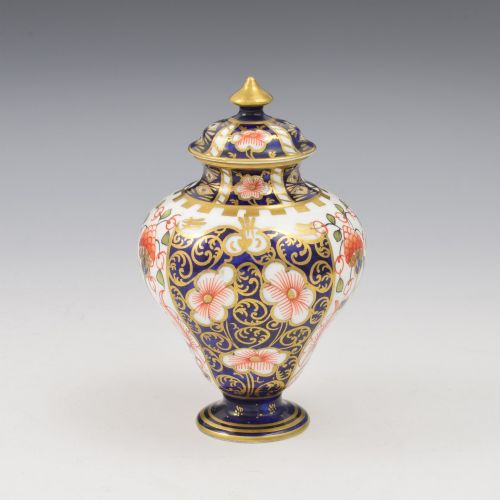


Miniature Japanese Porcelain Vases
Miniature Japanese porcelain vases offer intricate artistry in a tiny scale, bringing centuries of ceramic history straight to a shelf.
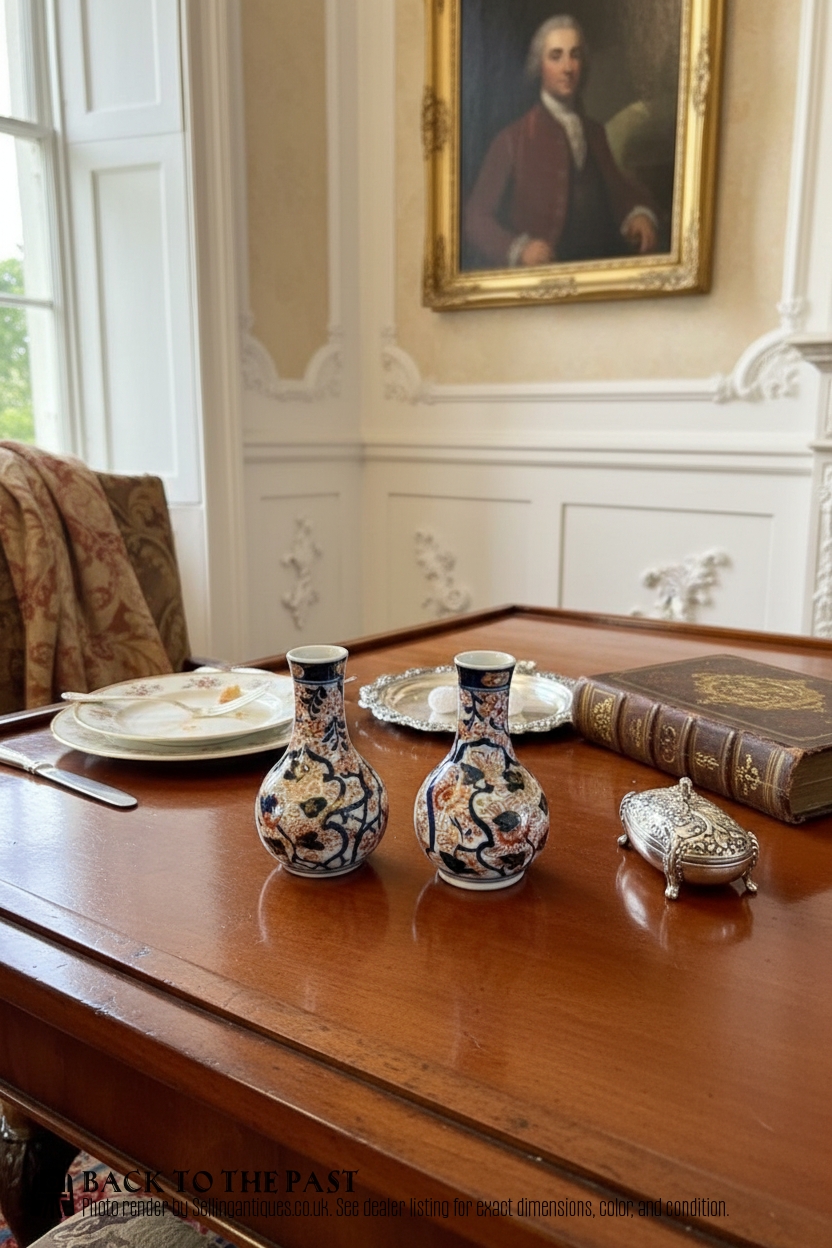
Miniature Japanese Porcelain Vases
Miniature japanese porcelain vases bring traditional ceramic forms into a diminutive scale, often measuring just a few inches in height. These pieces capture the artistic styles of the nineteenth century and the Meiji period with remarkable precision. When browsing these items, collectors frequently encounter small Imari pieces alongside delicate Satsuma wares.
The objects listed range from single cabinet display pieces to matched pairs and larger grouped collections. Makers utilise traditional motifs like figural processions and family scenes to decorate the petite surfaces. Origins span specific workshops in Kyoto as well as broader Victorian import eras.
Materials and construction
Makers shaped fine porcelain and earthenware to form the tiny vessel bodies before applying detailed glazes. Artisans then used coloured enamel paints to build up elaborate surface patterns across the small forms. Gold leaf and gold gilding were carefully added to highlight borders, rims, and specific decorative elements.
Firing techniques allowed intricate designs to remain crisp and vibrant despite the miniature scale of the vessels. Signed pieces often feature subtle artist marks applied directly into or onto the glazed base during production.
Entire historical processions fit comfortably in the palm of a hand.
Assessing quality in miniature japanese porcelain vases
Quality rests in the delicacy and control of the brushwork across such restricted surfaces. Finer examples display precise figural processions and complex family scenes executed without crowding or blurring. The crispness of the gold leaf application further separates standard decorative items from superior artistic works.
The clarity of the signed marks and the balanced proportions of the vessel shape indicate higher atelier standards. Pieces showing superior glaze stability and richer enamel saturation command greater attention from discerning collectors.
Chosei·Shuzan
The Miniature Japanese Porcelain Vases Glossary
- Imari
- A style of Japanese porcelain featuring a distinct palette of underglaze blue, iron red, and gold. This decorative tradition originated in the Edo period and remained popular through the Meiji era.
- Satsuma
- A type of Japanese earthenware characterised by a crackle glaze and elaborate overglaze enamel paintings enriched with gold. These wares were widely produced for export during the nineteenth century.
- Meiji Period
- The era of Japanese history lasting from 1868 to 1912, noted for opening trade with the West and producing highly detailed decorative arts. Pieces from this time often bear artist signatures.
- Glaze
- A glassy coating baked onto ceramic bodies to seal the porous material and provide a smooth, shiny finish. It protects the underlying enamel and gold decorations from wear.
Miniature Japanese Porcelain Vases: Frequently Asked Questions
How were miniature japanese porcelain vases displayed?
These small vessels were designed to sit on dedicated wooden stands or within collector cabinets where their fine details could be examined closely.
Their diminutive size allowed owners to curate groups of varied shapes and decorative styles within limited domestic space.
What subjects appear on these vases?
Decorations frequently include elaborate figural processions, traditional family scenes, and rich floral patterns.
Artisans packed these complex narratives onto tiny surfaces using careful enamel work and gold gilding.
How do I spot a signed piece?
Signatures typically appear as handwritten characters in red or gold enamel on the underside of the base.
These marks often identify the individual artist or the specific workshop responsible for the painting.
Are these pieces fragile?
The thin porcelain and earthenware bodies require careful handling during cleaning and relocation.
Enamel and gold leaf surface details can also be worn down by abrasive cleaning materials over time.