








Oriental Decorative Display Plate
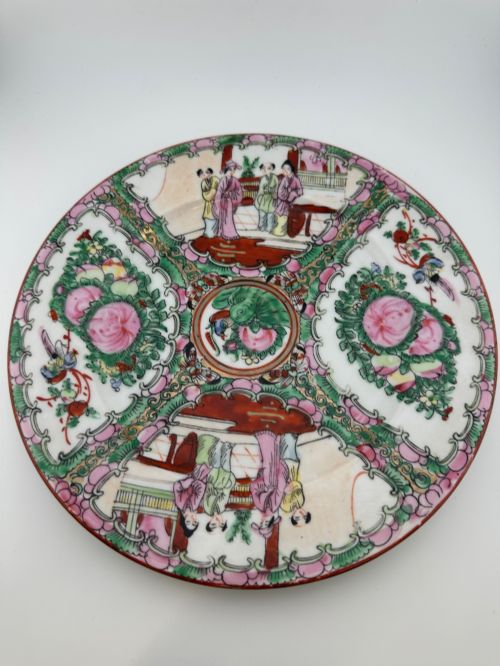
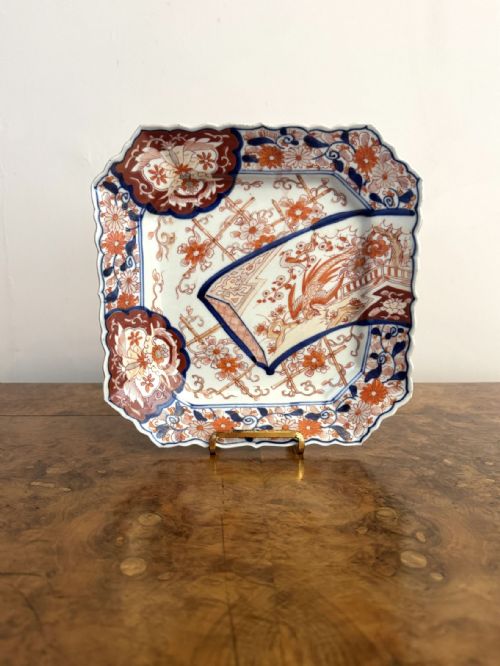
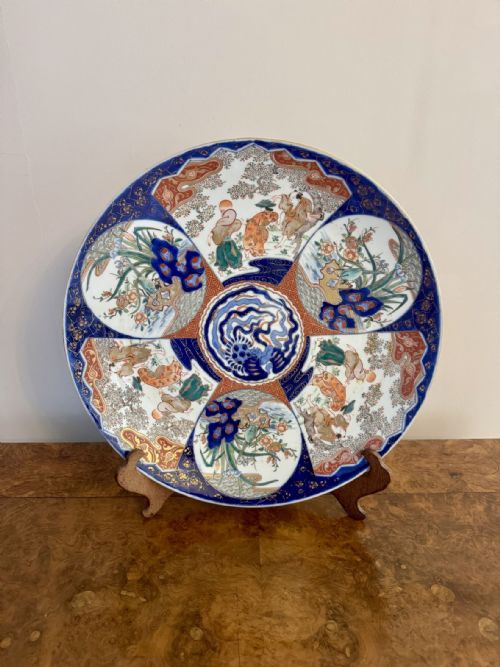
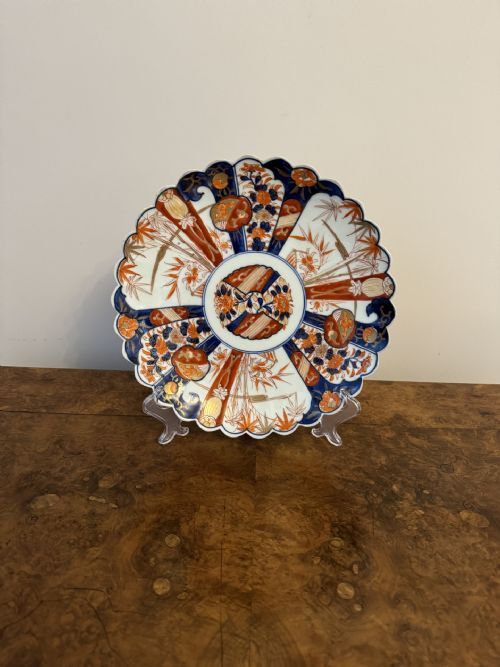
An oriental decorative display plate brings colour and pattern into a room, usually taking the form of a large charger or dish.
Oriental Decorative Display Plate
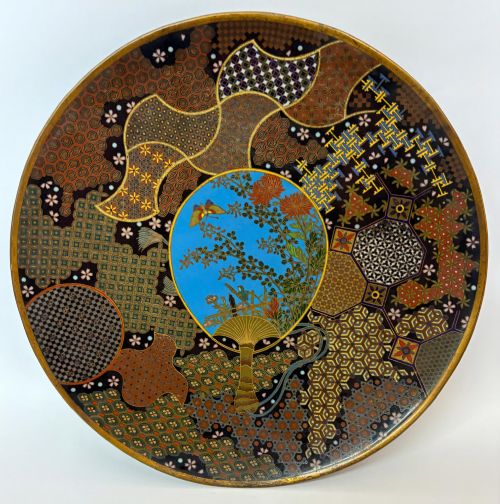
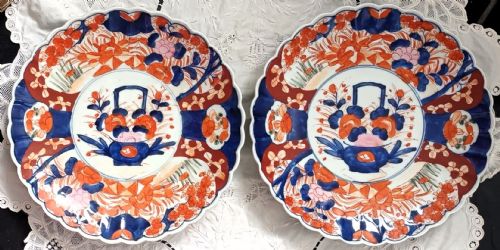
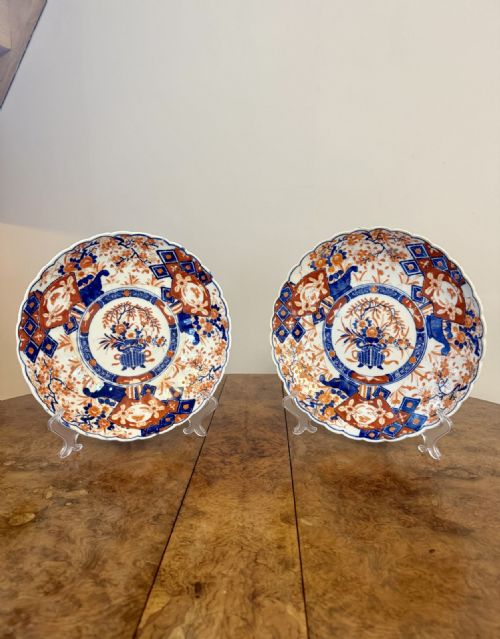
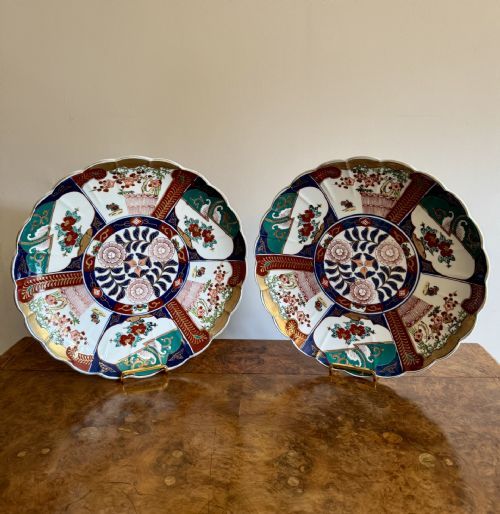
When you search for an oriental decorative display plate, you encounter items designed primarily for display rather than dining, ranging from large chargers to smaller scalloped dishes. The selection relies heavily on Japanese Imari porcelain and Meiji period cloisonne enamel, alongside Chinese export porcelain and blue and white transferware.
Most examples date from the late nineteenth century and the early decades of the twentieth century, spanning periods such as the Meiji era and Qing dynasty. Forms vary from traditional round chargers and square plates to serving platters and decorative bowls meant to be shown on walls or stands.
How they were made
Potters and artisans utilised porcelain, earthenware, copper, and brass as the foundational bases for these pieces. Enamel, gold leaf, and glaze were then applied by hand to build up intricate surface patterns.
Cloisonne pieces employed thin metal wires soldered to a metal base to create cells filled with enamel, while porcelain plates relied on hand-painted pigments beneath or above the glaze.
Listings span the nineteenth and twentieth centuries, featuring materials such as porcelain, enamel, brass, and gilt.
What varies in quality
The sophistication of the hand painting and the precision of the enamel work distinguish finer examples from standard production. Masterpiece pieces demonstrate exceptional detail in pictorial subjects such as birds, koi, and samurai.
The weight, clarity of the glaze, and complexity of the palette - particularly the integration of gilt and cobalt blue - indicate the standard of the maker's workshop.
Koshida
The Oriental Decorative Display Plate Glossary
- Imari
- A style of Japanese porcelain featuring a distinct palette of underglaze blue, iron red, and gilt. It originated in Arita and became widely exported to Europe.
- Cloisonne
- A technique where enamel is applied to compartments formed by strips of metal welded to a body. This method produced intricate pictorial designs on chargers and trays.
- Charger
- A large decorative plate utilised for display on a sideboard or wall rather than for serving food at the table. These items provide a wide surface for complex ornamentation.
- Meiji Period
- An era in Japanese history spanning from 1868 to 1912 noted for a surge in high-quality decorative arts destined for international markets.
- Transferware
- A method of applying a printed design to ceramic ware using a tissue paper transfer from an engraved copper plate. It appeared frequently on nineteenth-century British earthenware.
Oriental Decorative Display Plate: Frequently Asked Questions
How were display plates used?
These large dishes and chargers were intended for visual display on walls, cabinets, or sideboards rather than for everyday dining use.
Their substantial size and vibrant hand-painted surfaces made them central decorative elements in Victorian and Edwardian interiors.
How do I date an imari charger?
Dating relies on stylistic clues, ceramic bodies, and the intensity of the underglaze blue and gilt decoration.
Pieces from the late nineteenth and early twentieth centuries often show specific brushwork patterns and body weight characteristic of the Meiji and Taisho periods.
What is the difference between imari and cloisonne?
Imari is a style of painted porcelain defined by blue, red, and gold pigments fired onto a ceramic base.
Cloisonne involves metal wires and coloured enamel fused onto a copper or brass foundation to create raised patterns.
How should I display a heavy charger?
Large porcelain and cloisonne chargers require robust wall hangers or sturdy plate stands designed to support significant weight.
Positioning them away from direct sunlight preserves the vibrancy of the enamels and gold leaf over time.