





Japanese Polychrome Porcelain Dish
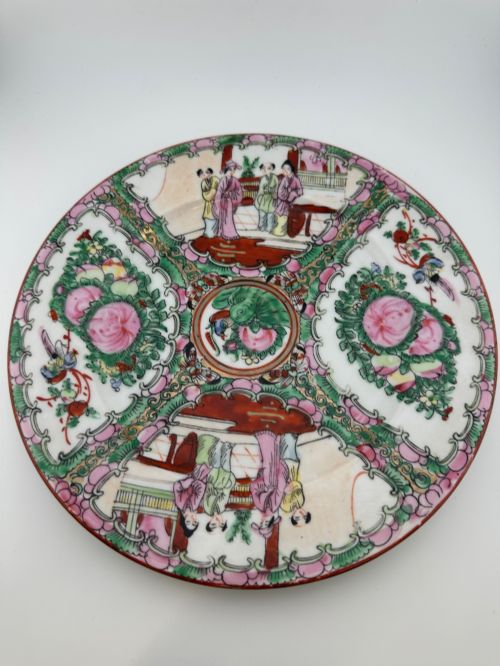
These Japanese polychrome porcelain dish selections offer intricate hand-painted enamel and gold leaf work from the Edo and Meiji periods.
Japanese Polychrome Porcelain Dish
A Japanese polychrome porcelain dish encompasses a variety of forms including chargers, decorative plates, shallow bowls, and platters spanning the Edo, Meiji, and Victorian eras. These items serve primarily as decorative display pieces rather than functional tableware.
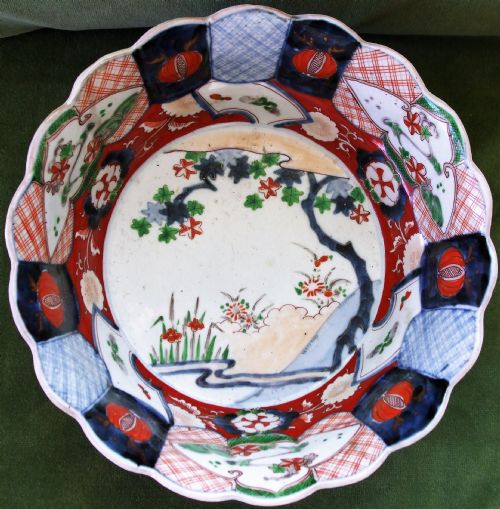
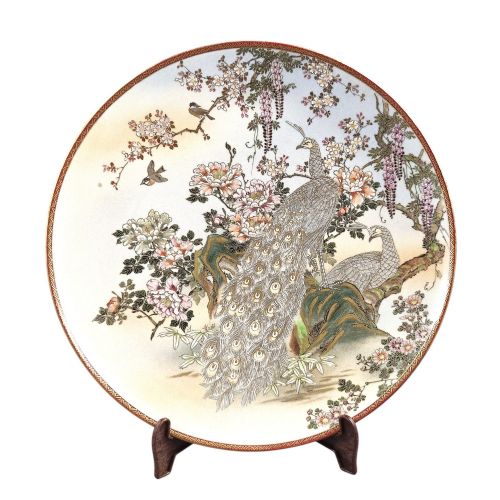
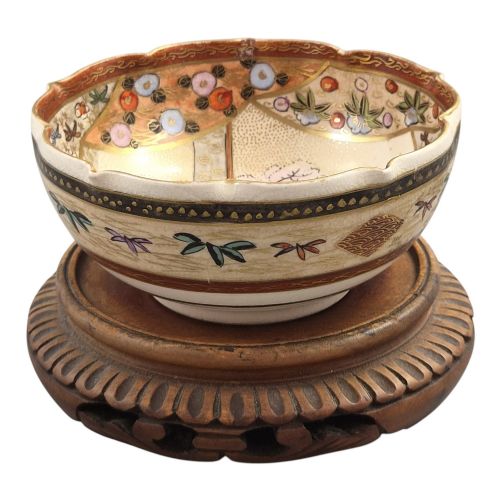
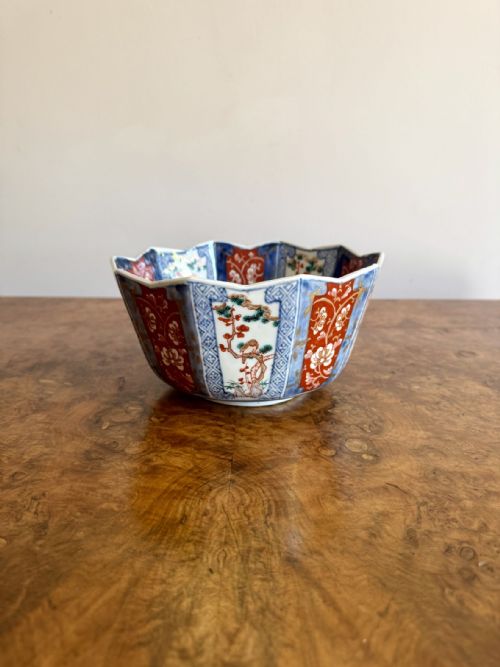
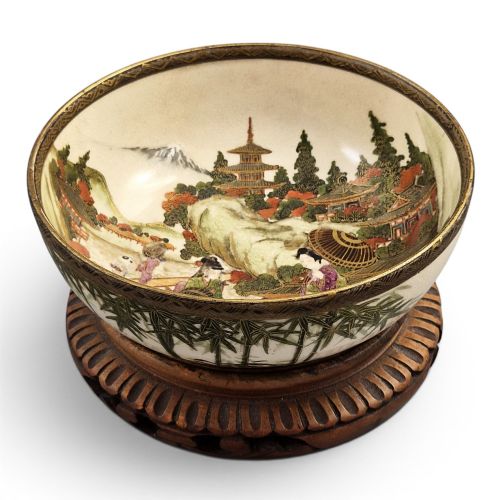
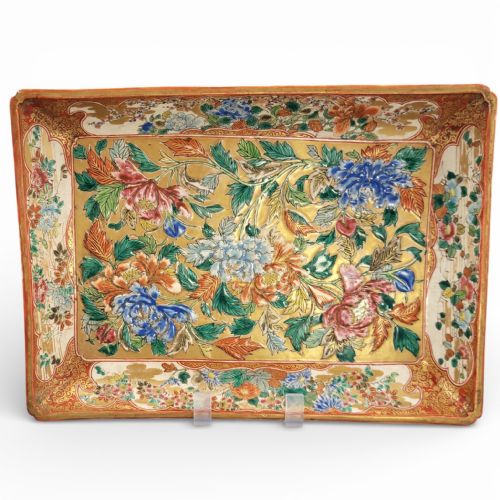
The selections on this page are dominated by Japanese Imari chargers and plates alongside Satsuma ware bowls decorated with motifs such as peacocks, carp, and floral patterns. Pieces range from large chargers down to miniature bowls and saucers.
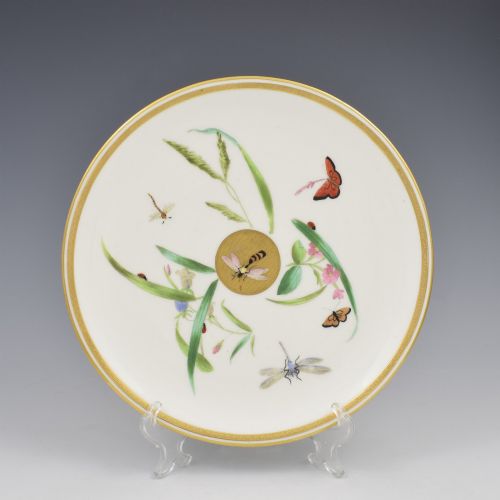
Originating largely from late nineteenth-century workshops, the inventory includes specific regional styles like Kutani and Arita wares alongside Victorian British interpretations like Aesthetic Movement Minton porcelain.
Materials and Construction Techniques
Makers formed these items using porcelain and earthenware bodies, decorated using cobalt underglaze pigments and bright polychrome enamels. Many pieces incorporate gold leaf, gilt, and gold paint to accentuate painted details.
Decoration techniques combined hand-painted brushwork with raised enamel work known as moriage, creating tactile surfaces on Satsuma and Kutani wares. Wood stands sometimes accompanied these ceramic forms for display.
Several plates depict Black Ships, recording the sudden arrival of Western merchants through the eyes of nineteenth-century ceramic painters.
Quality Variations in Execution and Detail
Quality separates objects by the precision of the hand-painted brushwork and the complexity of the palette, particularly in the density of the enamels and gold gilt application. Finer pieces demonstrate superior control in cobalt underglaze lines and intricate multi-figure compositions.
The reputation of the workshop or signature influences the standing of a piece, with named makers and distinct regional styles commanding closer attention for their artistic execution.
Gyokkō·Hododa·Meizan·Shoza
The Japanese Polychrome Porcelain Dish Glossary
- Imari
- A style of Japanese porcelain featuring a palette of cobalt blue, iron red, and gold, named after the port from which it was shipped.
- Satsuma
- An earthenware type with a crackle-glaze finish, typically decorated with polychrome enamels and extensive gilding.
- Kutani
- A style of Japanese ceramics known for vibrant polychrome enamel designs, often featuring bold greens, blues, purples, and gold.
- Moriage
- A decorative technique using raised slip or enamel dots and lines to create a textured, three-dimensional surface on ceramics.
- Kakiemon
- A Japanese ceramic style characterised by asymmetrical designs and a delicate palette, which influenced European makers like Meissen.
Japanese Polychrome Porcelain Dish: Frequently Asked Questions
How do I display a large charger safely?
Large chargers are typically displayed using sturdy wall-mounting brackets designed for heavy ceramics or placed securely on dedicated wooden display stands.
Ensure the weight is supported evenly at the base and sides to prevent slipping.
What is the difference between Imari and Satsuma ware?
Imari pieces are made of hard-paste porcelain using a distinctive palette of underglaze blue, iron red, and gold.
Satsuma pieces utilise a cream-coloured earthenware body with a fine crackle glaze, painted with softer enamels and heavy gilding.
How do I clean antique porcelain dishes?
Dust these items gently with a dry, soft cloth to remove surface particles without disturbing delicate enamel or gold leaf.
Avoid submerging pieces with exposed earthenware bodies or aged gilding in water.
When were Meiji period ceramics made?
The Meiji period spans from 1868 to 1912, a time of significant artistic production and export of Japanese decorative arts to the West.
Items from this era often bear specific reign marks or signatures of prominent Kyoto and Yokohama workshops.