






Oriental Porcelain Wall Display
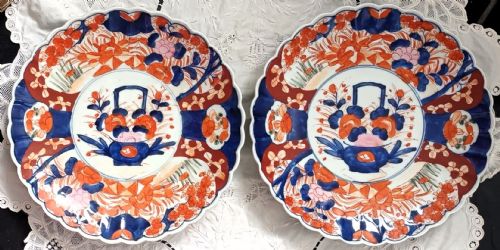
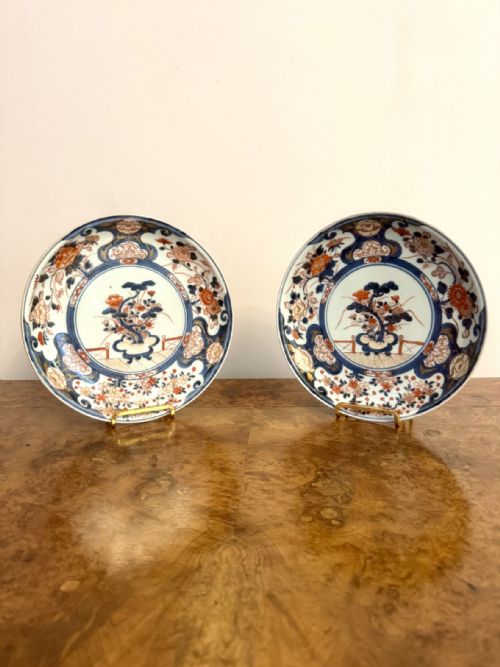
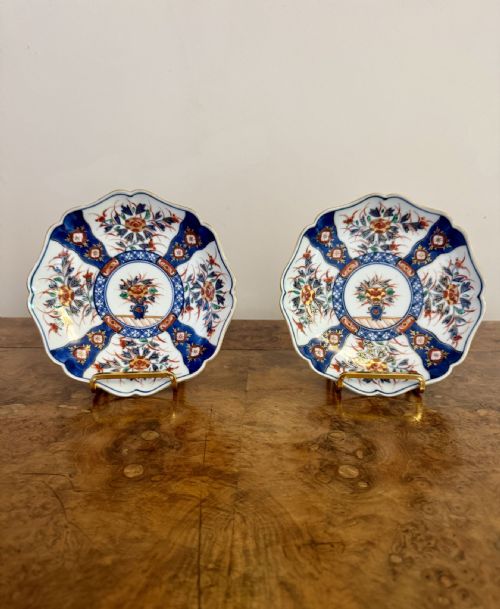
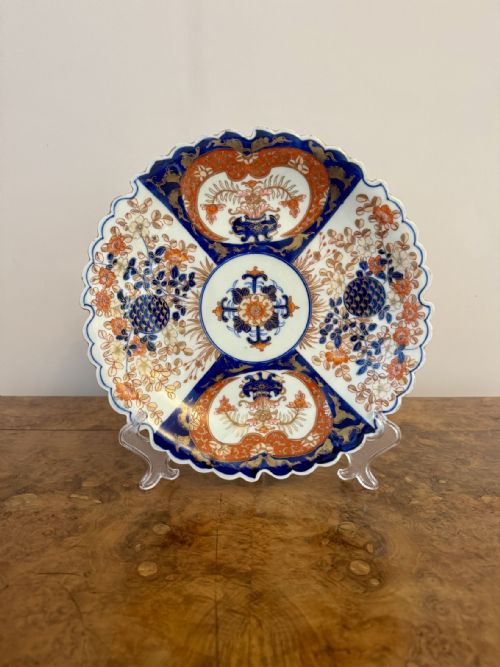
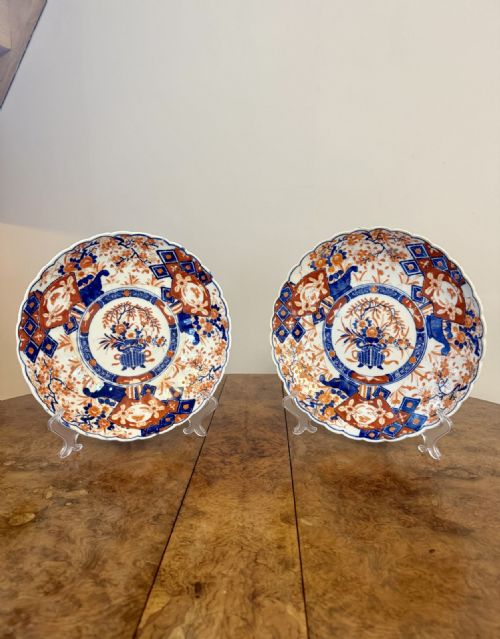
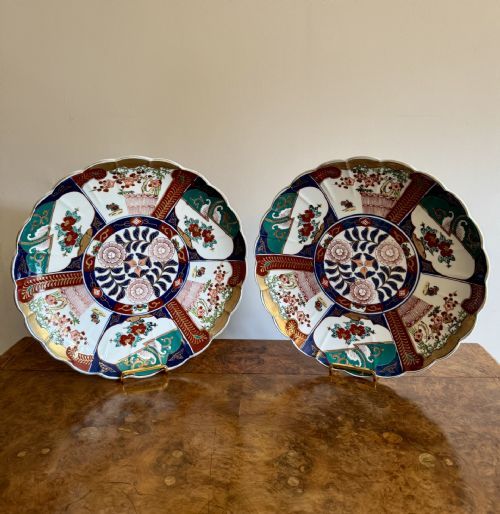
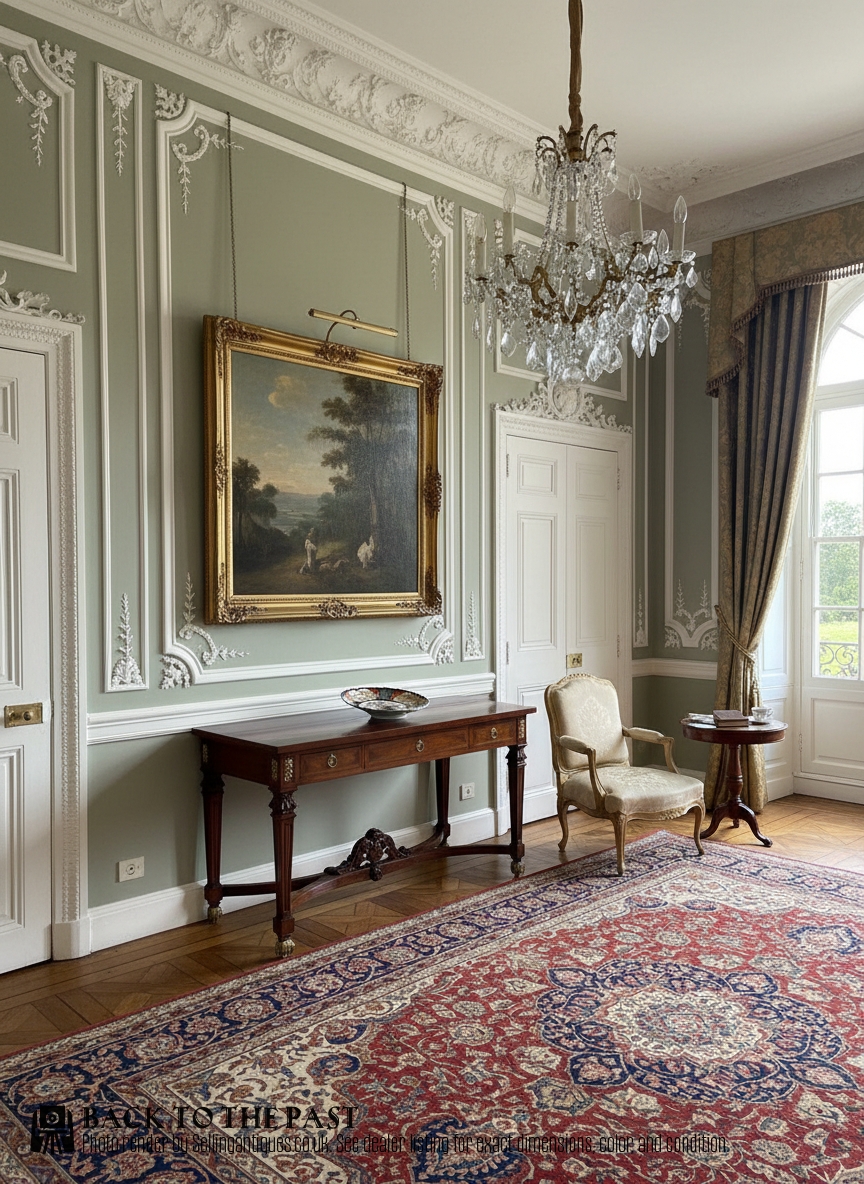
These pieces for an oriental porcelain wall display are decorative chargers and plates designed to hang, bringing vibrant colour and historic form to a room.
Oriental Porcelain Wall Display
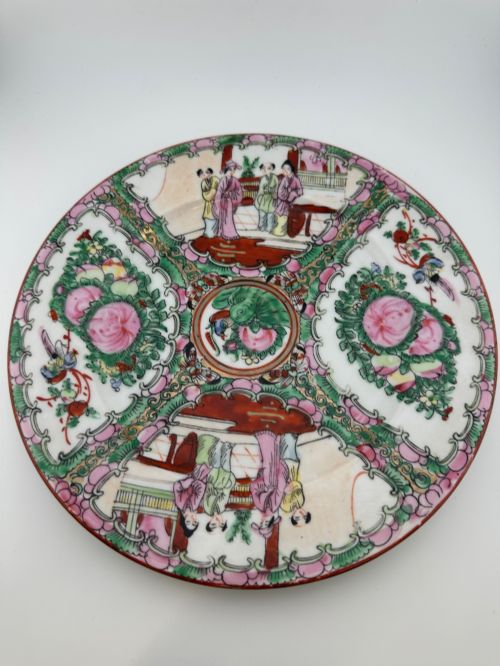
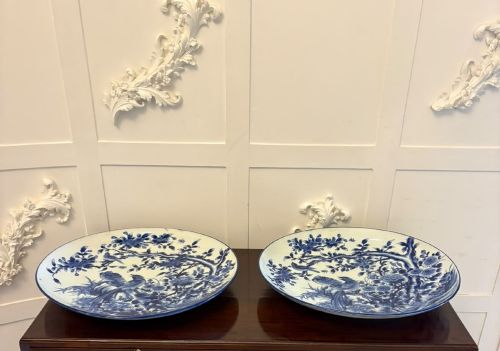
An oriental porcelain wall display comprises large chargers, decorative plates, and dishes originating from Japanese and Chinese kilns. The selection leans heavily towards Japanese Imari ware from the Meiji period and late nineteenth century, alongside Chinese porcelain.
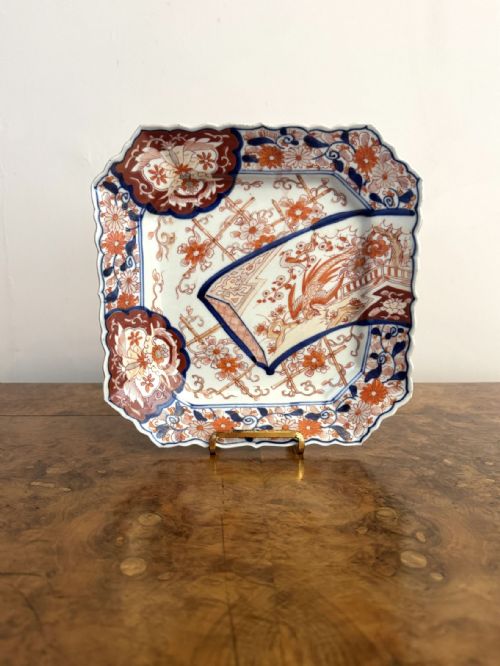
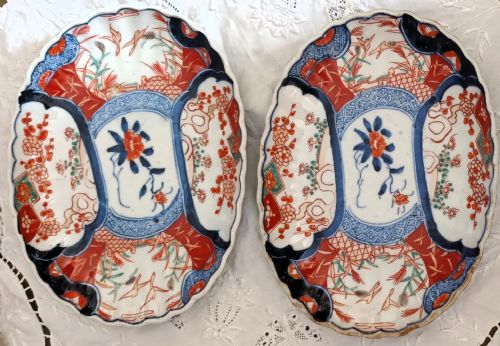
Forms vary from standard circular chargers to square, scalloped, and shell-shaped plates intended to hang securely on walls. Buyers encounter single items, matched pairs, and sets of varying sizes spanning the Victorian era through to the early twentieth century.
How they were made
Potters shaped ceramic clay into plates and large chargers before applying cobalt underglaze, enamel colours, and sometimes gold leaf or gilt. Hand-painted details defined the surface before firing in kilns to vitrify the porcelain and fix the pigments.
The combination of iron-red, cobalt blue, and gold gilt created the characteristic palette seen on Imari wares. Skilled artisans hand-painted intricate depictions of birds, court life, and deities directly onto the glazed ceramic body.
Listings span the Victorian era, the Meiji period, and the early twentieth century up to nineteen twenty, featuring porcelain, enamel, and gold leaf.
What varies in quality
Quality rests in the crispness of the hand-painted brushwork and the precision of the cobalt underglaze details. Superior pieces show deliberate, confident strokes in the enamel and gold leaf rather than rushed, repetitive patterns.
The weight of the porcelain and the balance of the glaze also separate ordinary plates from finer examples. Form contributes to value too, with unusual square or shell shapes demanding closer attention from makers.
Koshida
The Oriental Porcelain Wall Display Glossary
- Imari
- A style of Japanese porcelain featuring a distinctive palette of cobalt blue, iron-red, and gold. It gained popularity in the West during the Edo and Meiji periods.
- Charger
- A large decorative plate traditionally used for ceremonial purposes or presentation rather than dining. Their substantial size makes them ideal for hanging.
- Meiji
- The period of Japanese history spanning from 1868 to 1912, noted for a surge in export art destined for European and British homes.
- Cobalt Underglaze
- A blue pigment applied to the ceramic body before the glaze and final high-temperature firing. This technique protects the pigment beneath a glossy layer.
- Famille Verte
- A Chinese porcelain palette dominated by green enamels, often combined with other colours to depict figures, court life, and natural scenes.
Oriental Porcelain Wall Display: Frequently Asked Questions
How do I hang these safely?
Heavy chargers and plates require specialist spring-loaded wall hangers that distribute the weight evenly across the rim. Ensure the fixing into the wall is secure.
Avoid wire adhesives that rely on glue, as old porcelain has weight and can slip over time with temperature changes in the room.
Are these Chinese or Japanese?
The pieces span both traditions, though Japanese Imari dominates the selection alongside Chinese export porcelain. Stylistic motifs help distinguish the origin.
Japanese Imari often uses dense iron-red and cobalt blue with gold, while Chinese wares frequently display distinct famille palettes or Kangxi era markings.
Can I use them for food?
Antique wall display pieces are intended for decorative presentation rather than culinary use. Historic glazes and enamels may not meet modern food safety standards.
Displaying them on walls or sturdy plate stands protects the hand-painted surface, gold leaf, and enamel from utensil abrasion and washing.
How do I date an imari charger?
Dating relies on stylistic clues, potting characteristics, and the handling of the blue underglaze and iron-red pigments. Late nineteenth-century Meiji pieces often show distinct brightness in the gilding.
Earlier Edo period examples tend to have heavier potting and slightly softer, more integrated cobalt tones beneath the glaze.