
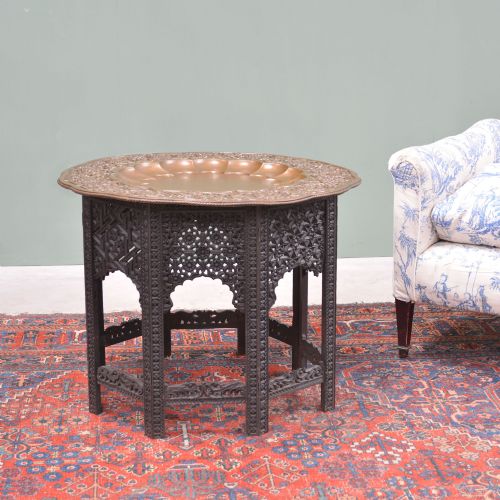
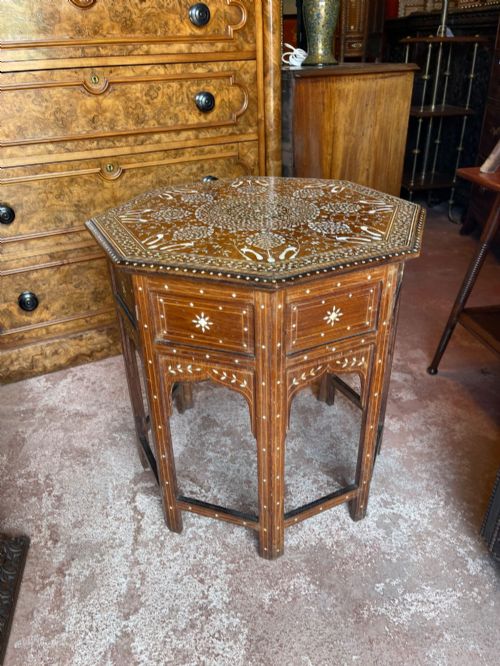
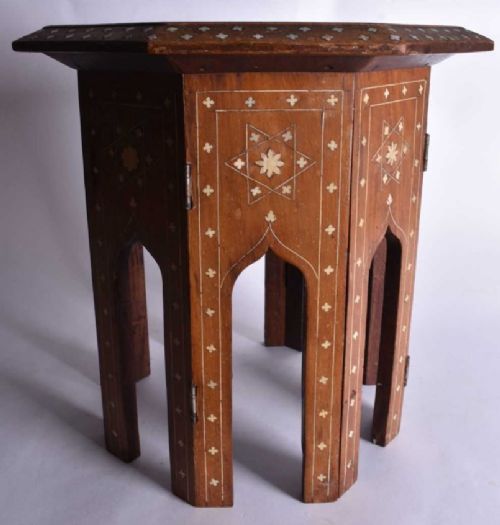
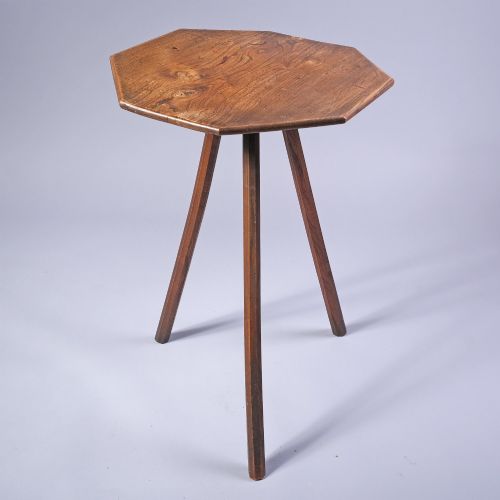
Octagonal Wooden Side Table
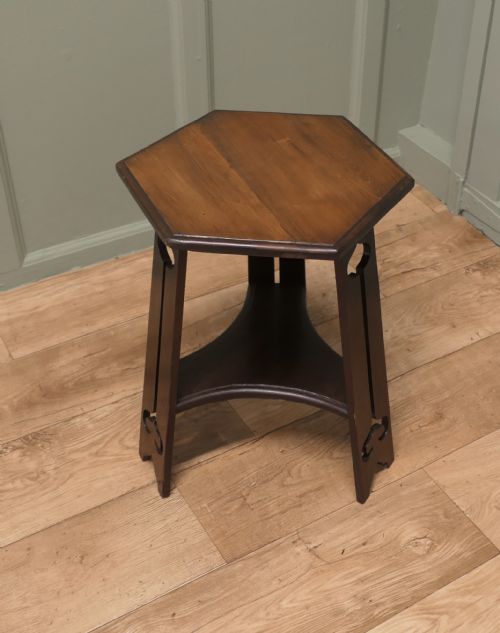
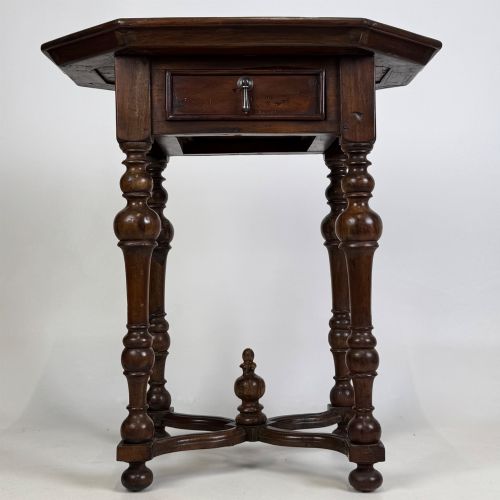
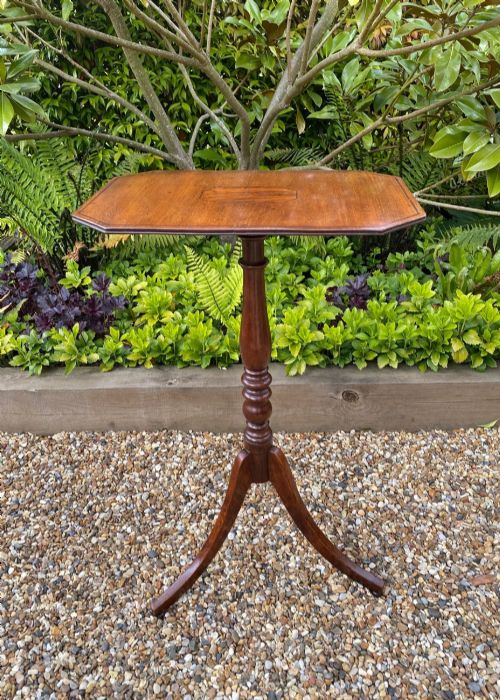
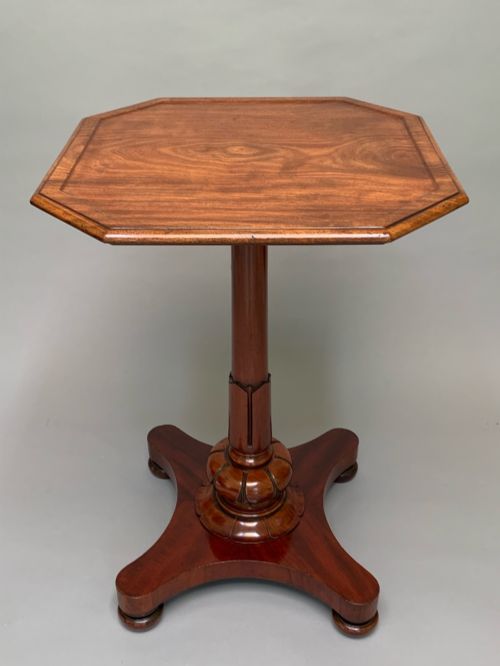
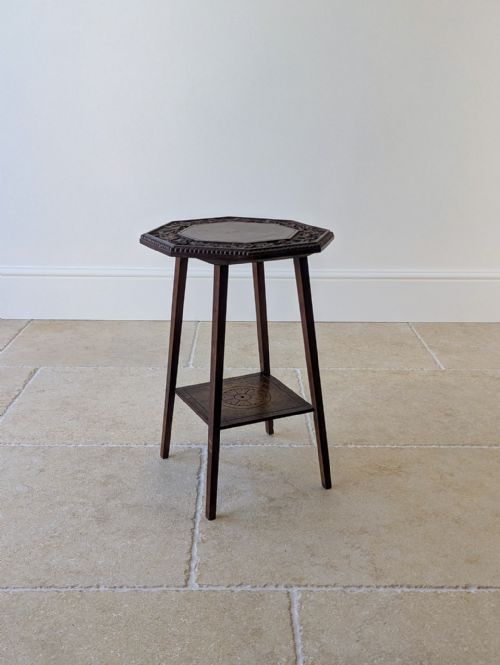
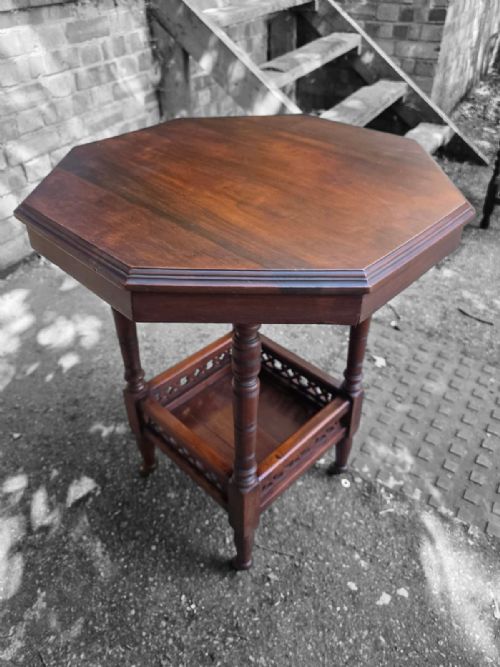
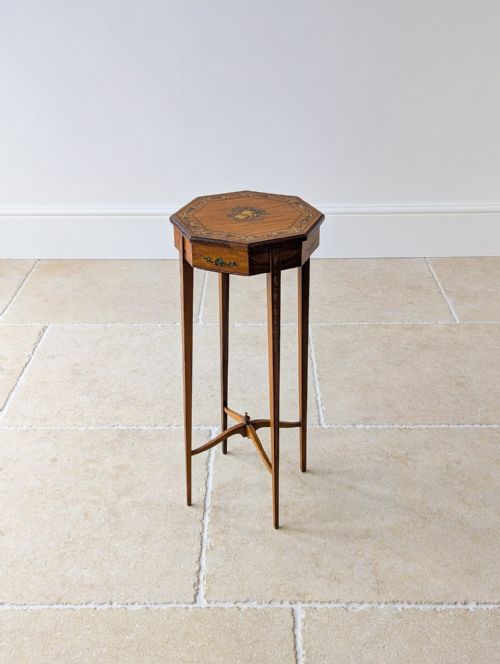
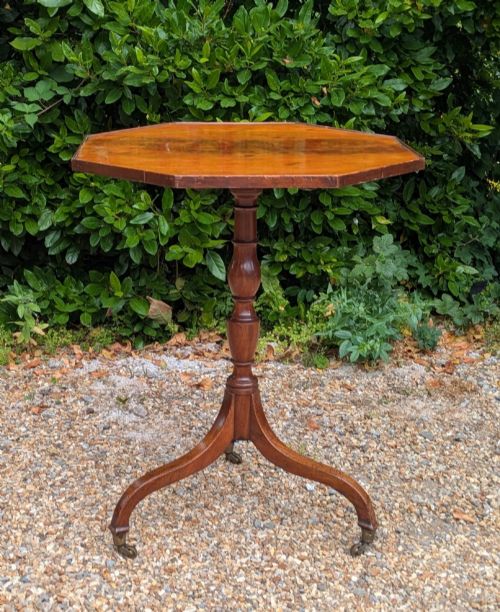
An octagonal wooden side table brings geometric form and rich timber into a room, offering a compact surface for lamps and books.
Octagonal Wooden Side Table
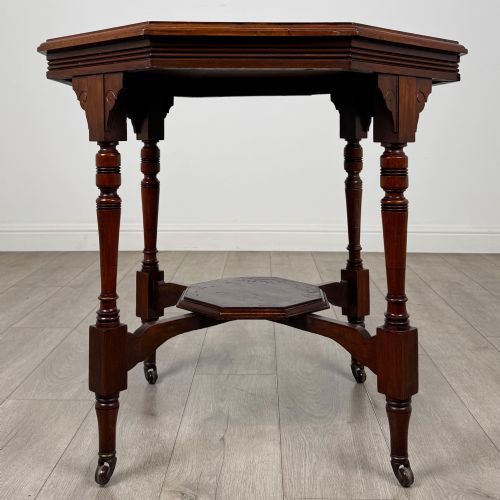
An octagonal wooden side table appears across the nineteenth and early twentieth centuries, spanning Victorian, Edwardian, and Art Deco periods alongside Georgian and Regency examples.
These tables function as plant stands, lamp tables, and coffee tables, utilising eight-sided tops to fit neatly into corners or beside seating.
Materials and technique
Cabinetmakers construct these tables using hardwoods such as mahogany, walnut, teak, padauk, and satinwood, often pairing them with fruitwood, cherry, or ash.
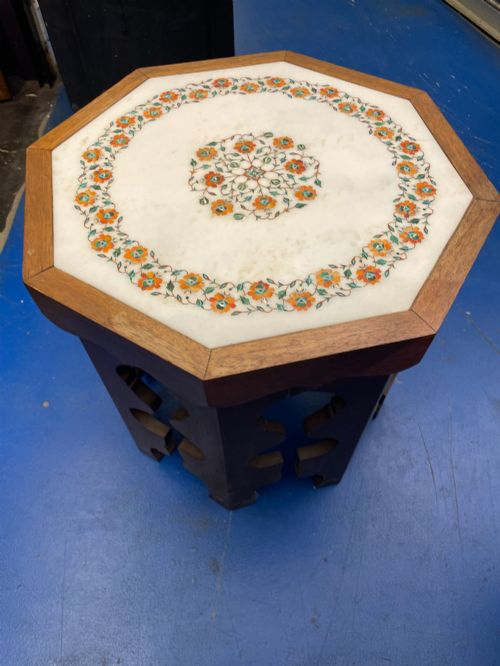
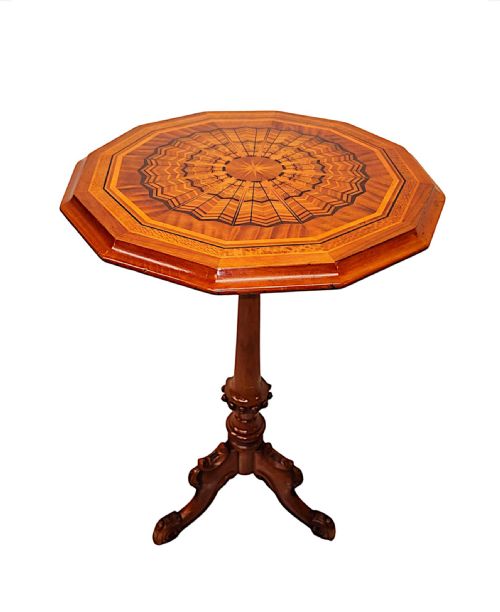
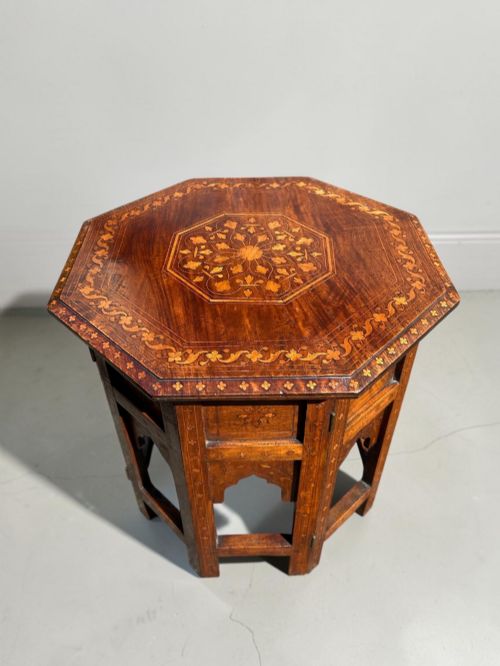
Many examples incorporate intricate inlay work, utilising brass, mother of pearl, and specimen woods to create detailed surface patterns.
Carving and folding mechanisms define specific regional and stylistic traditions, particularly within Anglo-Indian and Moorish production.
Octagonal Wooden Side Table Retail Price Guide 2026
Typical asking prices for octagonal wooden side table among the pieces listed under this phrase on Sellingantiques today, from the lower quarter to the upper quarter. They describe what is for sale here now, not the wider market.
Listings feature woods such as mahogany, teak, walnut, padauk, and satinwood, spanning the eighteenth to the twentieth centuries.
Quality and execution
The precision of the geometric eight-sided top and the crispness of carved or inlaid details distinguish finer examples from simpler work.
The choice of timber and the complexity of the grain, from figured mahogany to exotic padauk and satinwood, determine the visual depth of the piece.
Structural integrity in folding frames and joints marks the standard of the original maker's workshop.
Gillows·Shoolbred·Liberty and Co.
The Octagonal Wooden Side Table Glossary
- Octagonal
- Having eight sides and eight angles. This geometric top shape defines the silhouette of the table.
- Inlay
- A technique where pieces of contrasting material are embedded into the wood surface. Common materials include brass and mother of pearl.
- Hoshiarpur
- A centre of woodworking in India known for intricately carved tables. These pieces often feature dense foliate designs in teak or hardwood.
- Tilt top
- A mechanism allowing the table top to pivot to a vertical position. This design facilitated easy storage when not in use.
- Occasional table
- A small, movable table used for specific, temporary purposes. These versatile pieces serve as lamp or plant stands.
Octagonal Wooden Side Table: Frequently Asked Questions
Where do octagonal wooden side tables originate?
These tables emerge from diverse regional traditions, including British cabinetmaking workshops and international centres of production such as Hoshiarpur.
British examples often reflect Georgian, Victorian, and Edwardian revival styles, while imported tables showcase distinct carving and inlay techniques.
How are folding Damascus tables used?
Folding Damascus tables provide a portable surface that packs flat when not in use. Their hinged bases and removable octagonal tops facilitate easy repositioning around the home.
They function well as occasional lamp or display tables in smaller spaces.
What is an Anglo-Indian table?
An Anglo-Indian table combines British furniture forms with traditional Indian carving and inlay techniques. Artisans utilise dense timbers like teak and padauk to create intricate surface patterns.
These pieces often feature folding bases and elaborate geometric motifs.
How do I care for inlaid wooden surfaces?
Preserve inlaid wooden surfaces by dusting regularly with a soft, dry cloth and avoiding direct sunlight. Extreme changes in temperature can affect the wood and loosen delicate brass or mother of pearl elements.
Applying a suitable wax maintains the timber's natural lustre without harming the inlay.
What distinguishes an occasional table from a centre table?
An occasional table is designed to be moved easily and placed beside seating or in corners for specific tasks. Centre tables are generally larger and intended to stand freestanding in the middle of a room.
Both forms utilise octagonal tops within the available selection.