



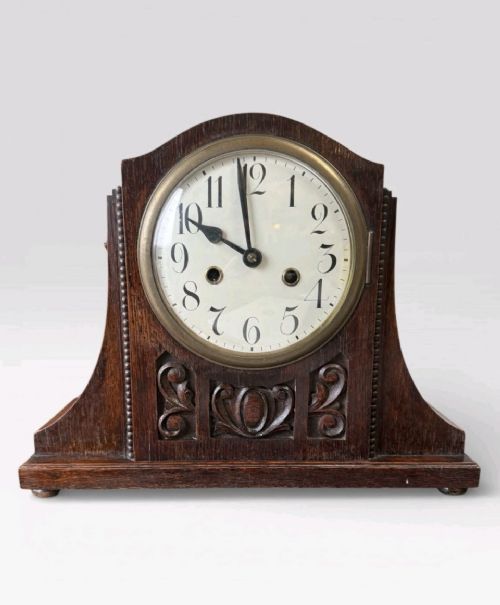
Oak Pendulum Clock
An oak pendulum clock brings the rhythmic pulse of seasoned timber and mechanical precision into a room.
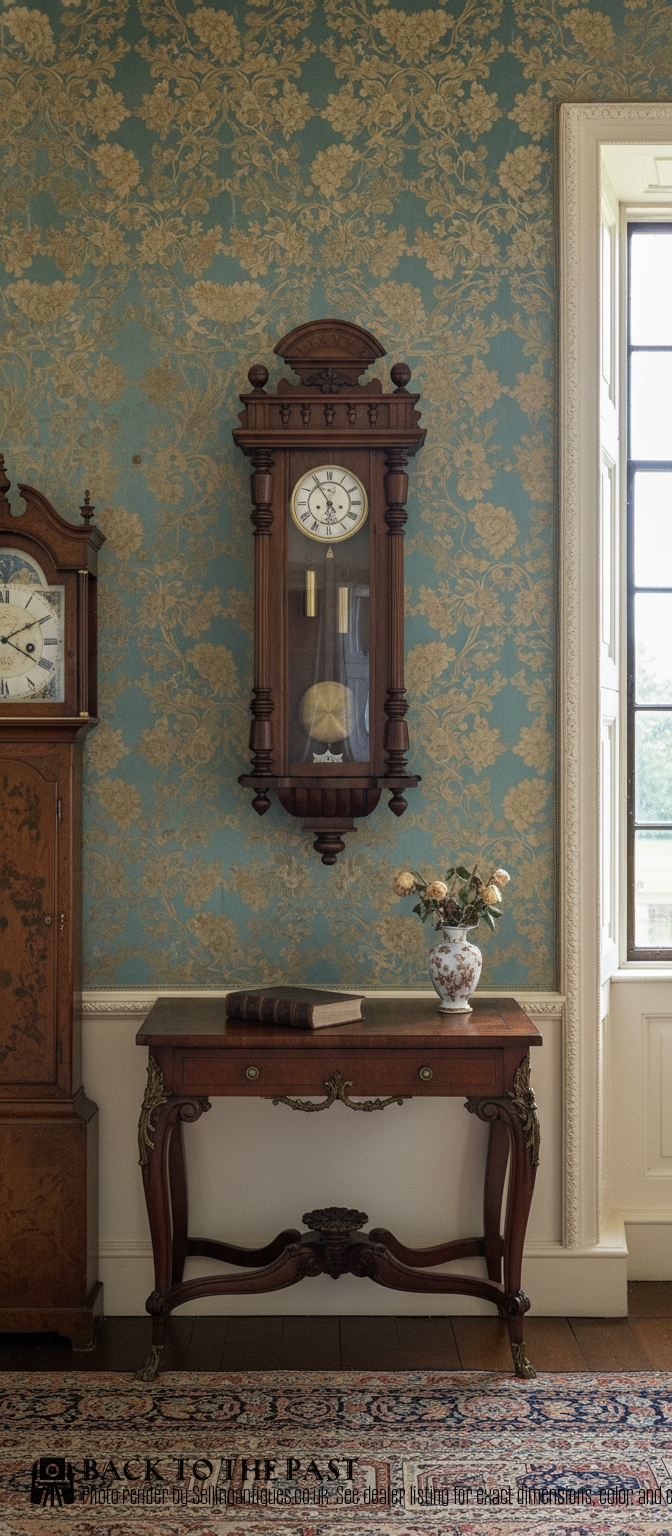
What these oak pendulum clocks are
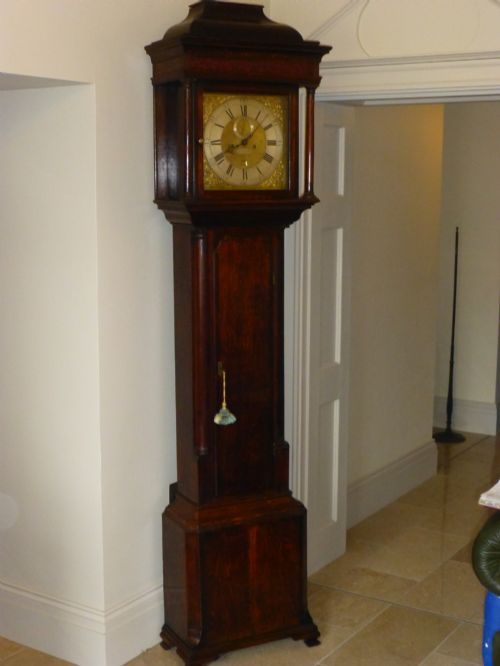
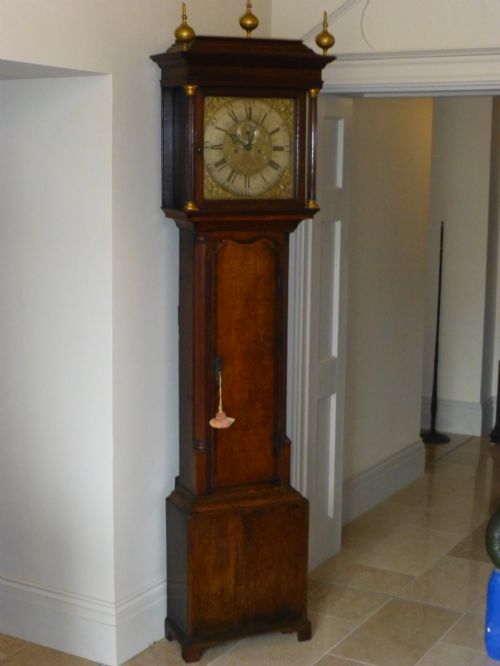
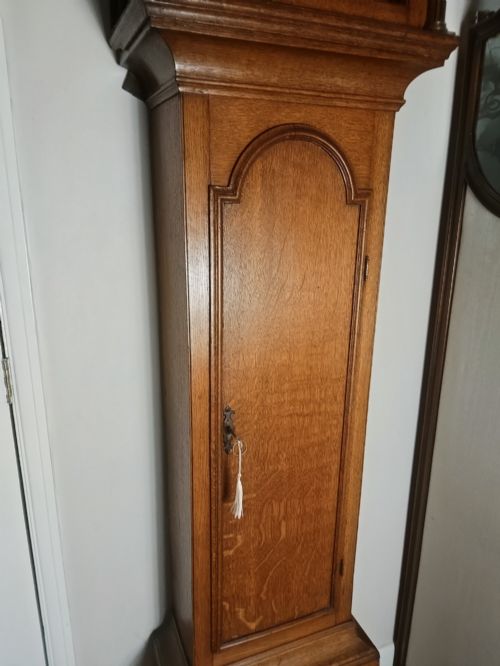
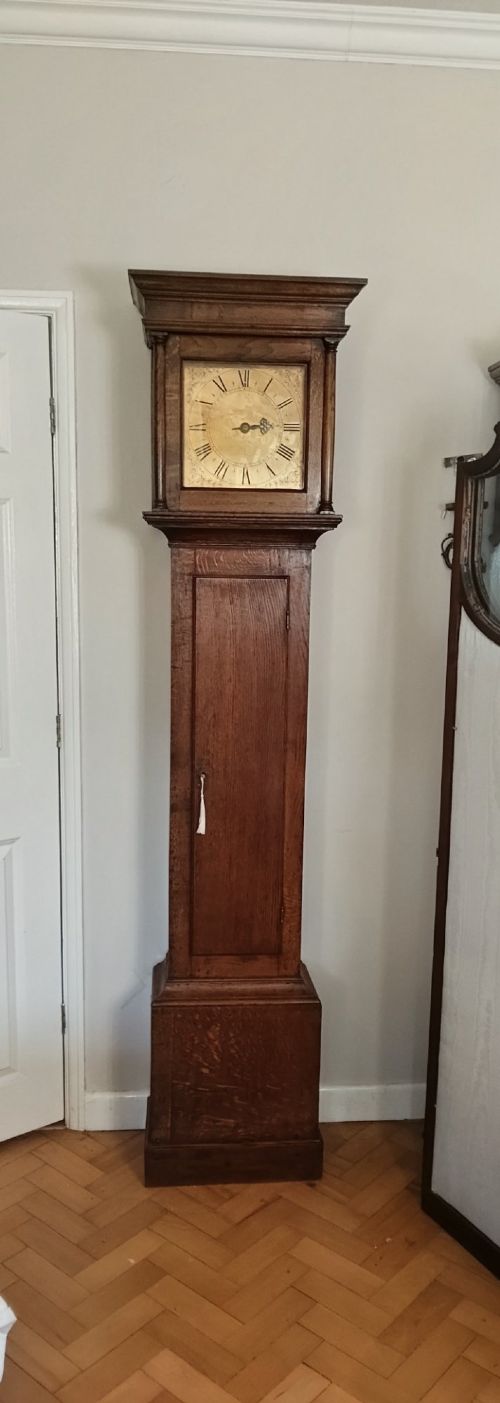
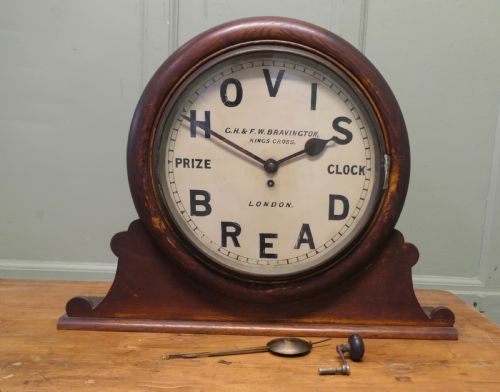
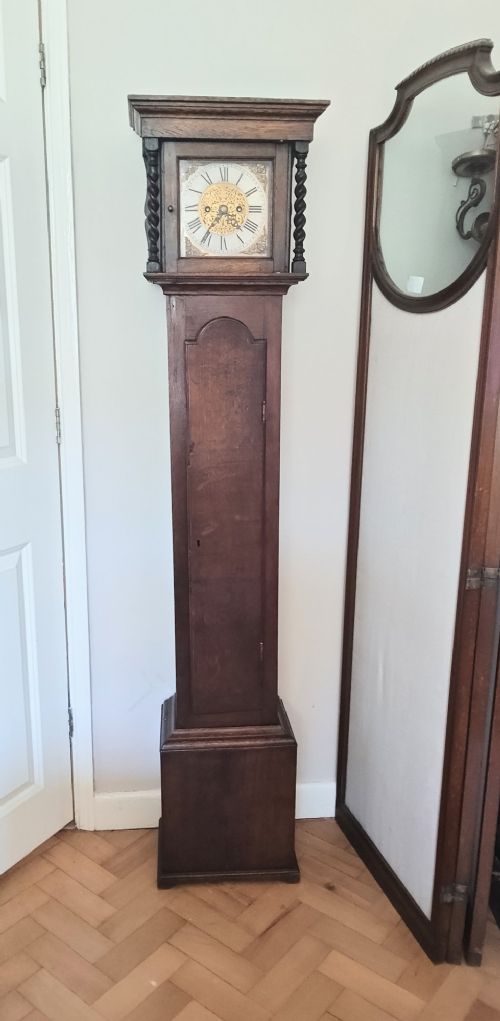
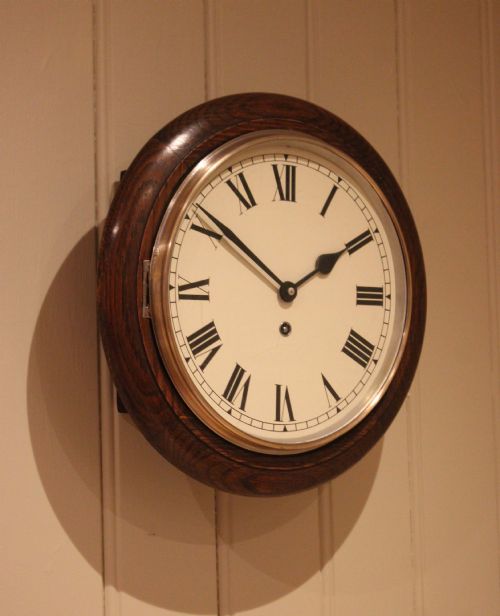
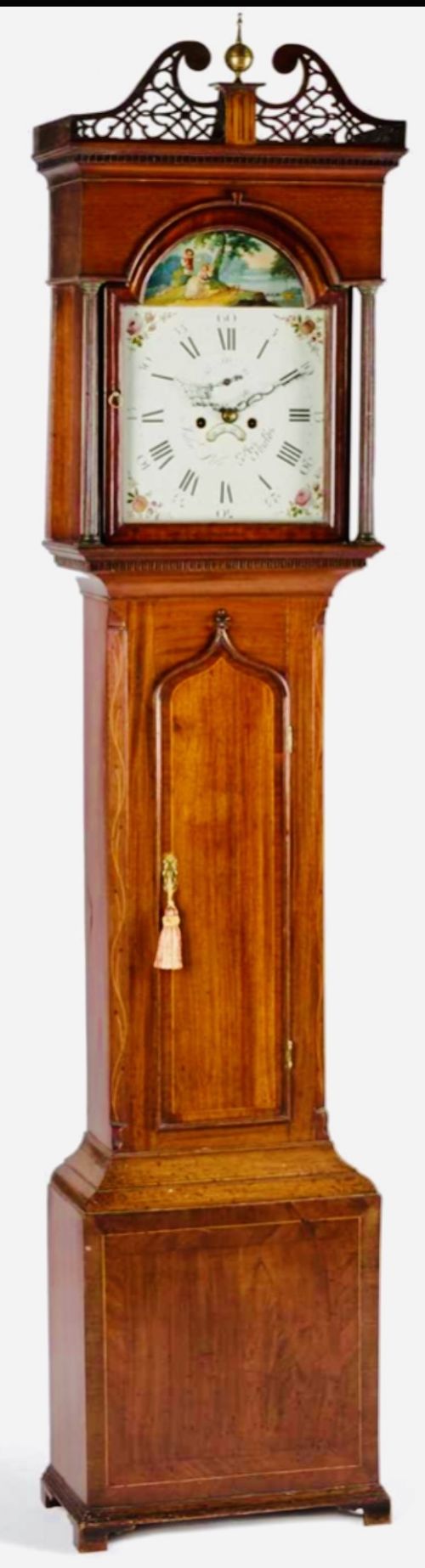
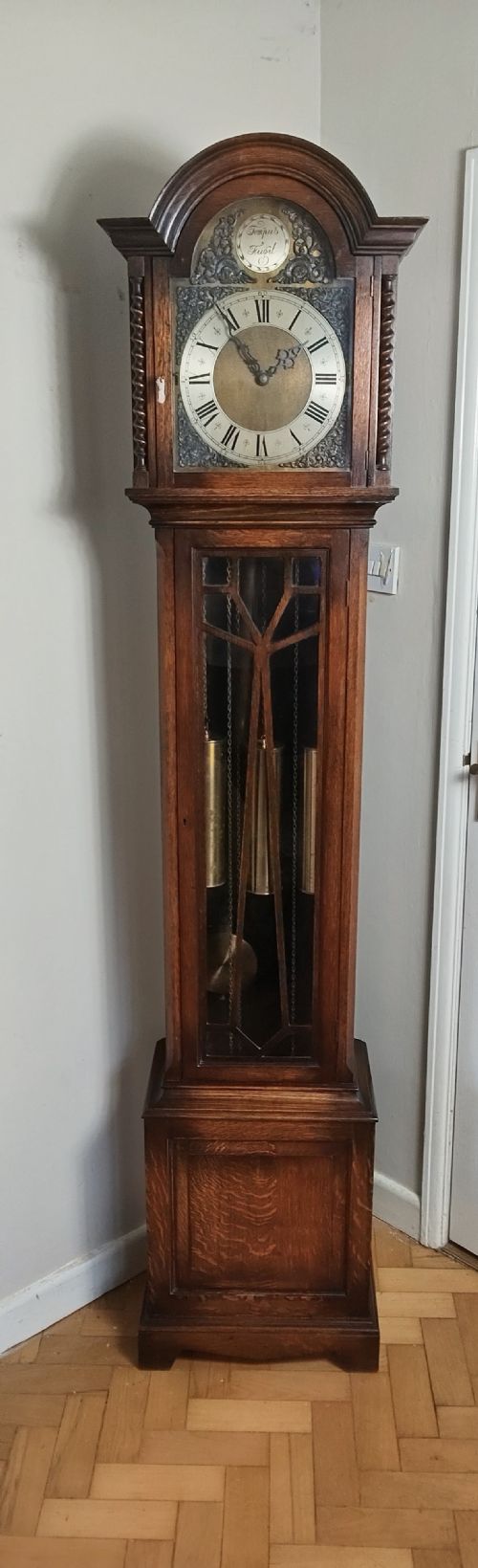
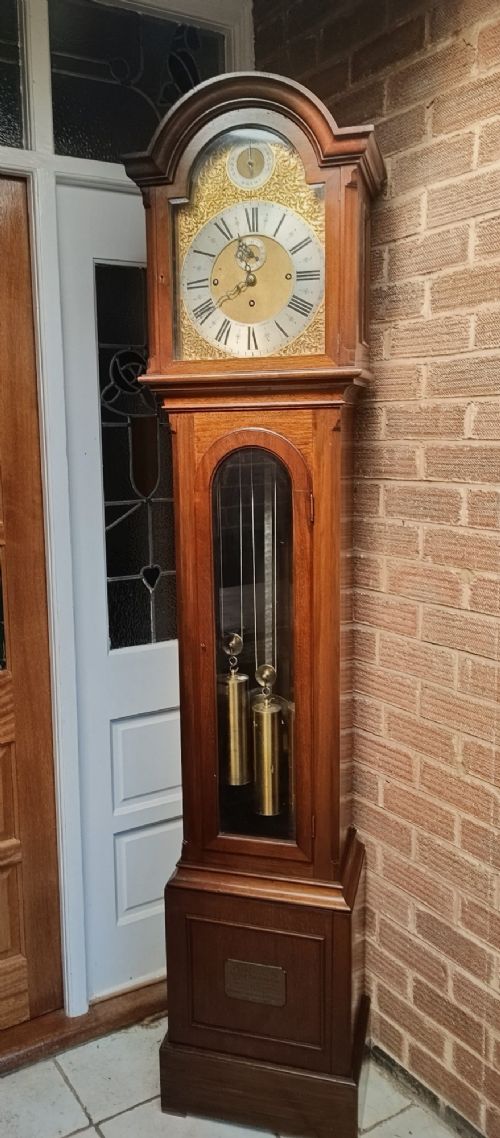
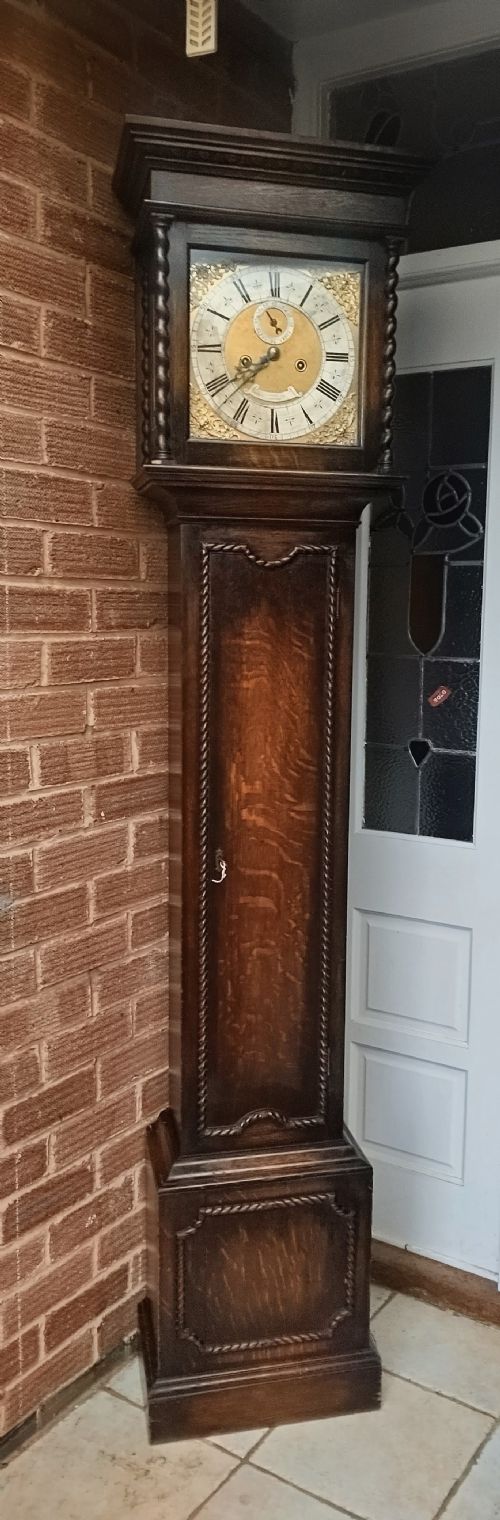
An oak pendulum clock spans grand floor-standing longcase examples and compact wall-hanging dials, each utilising the natural grain of the timber to anchor a room. When you examine an oak pendulum clock on this page, you meet pieces originating from the eighteenth century through to the twentieth century, traversing Georgian, Victorian, Arts and Crafts, and Art Deco styles.
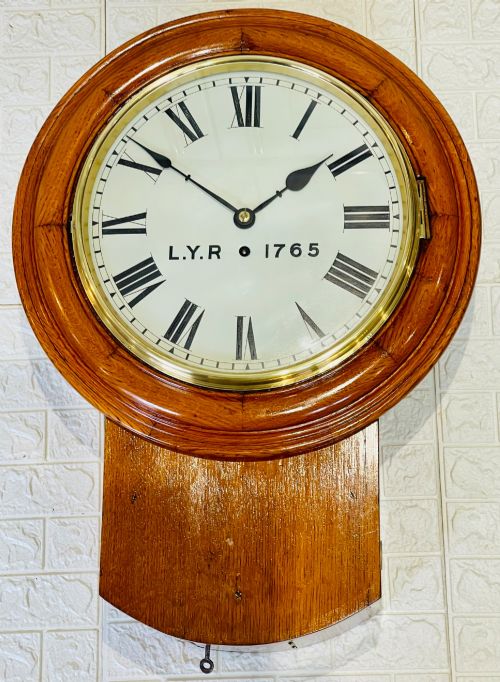
The longcase varieties, often termed grandfather clocks, dominate the floor with tall timber trunks and brass-faced dials, while wall-mounted drop-dial and Vienna formats save space while retaining the mechanical heart. You encounter regional English makers alongside continental pieces, demonstrating how diverse this category remains across different periods.
How they were made
The construction relies on solid oak cases, occasionally paired with mahogany highlights, enclosing weight-driven or spring-driven movements made from brass and metal. Dial faces feature hand-painted enamel, applied brass numerals, or engraved chapter rings behind protective glass covers.
Cabinetmakers shaped the timber using traditional joinery techniques, leaving visible grain and occasional hand-carved ornamentation that define styles from Jacobean Revival to the clean geometry of Art Deco.
Retail Price Guide 2026
Typical UK retail prices for oak pendulum clock, calculated from the Sellingantiques database of over a million retail prices indexed since 2003. This retail price guide relies exclusively on Sellingantiques data; no external sources or auction records are used, so the figures do not describe the wider market.
Some of these clocks include musical movements, ready to chime melodies across the centuries while you wait for the kettle to boil.
What varies in quality
Quality rests in the harmony between the movement and the housing, where crisp mechanical execution matches the depth and patination of the oak case. A superior piece displays meticulous attention to the dial engraving, precise movement calibration, and timber selected for its rich, undisturbed grain.
JOHN SALMON NANTWICH·JAMES DRAYCOT WELLS·SMITH CHESTER
The Oak Pendulum Clock Glossary
- Fusee
- A conical pulley used in clock movements to maintain even tension on the gear train as the mainspring unwinds. This mechanism ensures consistent timekeeping across the winding cycle.
- Longcase clock
- A tall floor-standing timekeeper, commonly known as a grandfather clock, enclosed in a wooden case with a swinging pendulum and descending weights. These tall housings protect the delicate internal movement while serving as substantial furniture.
- Drop-dial wall clock
- A wall-mounted timepiece featuring a circular dial above an extended wooden trunk that houses the pendulum. This format became popular in public spaces and domestic halls during the nineteenth century.
- Chapter ring
- The outer ring on a clock dial that bears the hour numerals. Traditional versions utilise Roman numerals engraved on brass or painted on enamel.
Frequently Asked Questions
How do I wind an eight day clock?
An eight day clock requires winding every week using a dedicated key inserted into the winding holes on the dial face. Care must be taken not to overwind the mechanism.
Ensuring the weights or springs reach their proper tension keeps the pendulum swinging accurately without straining the internal gears.
Where should I place a longcase clock?
A longcase clock needs a stable, dry interior wall away from direct sunlight and sudden temperature shifts. Floor vibrations can interfere with the pendulum.
Securing the tall wooden case to the wall using discreet brackets prevents accidental tipping and helps maintain a level posture for the movement.
How do I date an oak clock case?
Dating relies on examining the timber grain, construction joints, and stylistic details such as brass numerals or carved ornamentation. Georgian and Victorian pieces show distinct cabinetmaking methods.
Comparing the dial design and signature of the maker against known regional records provides a reliable production window.
Why does the pendulum need adjustment?
Pendulum regulation compensates for seasonal temperature changes that alter the length of the suspension spring and the metal rod. Slight shifts affect the timing rate.
Turning the small adjustment nut at the base of the pendulum either raises or lowers the bob to correct any gain or loss over a twenty four hour period.