




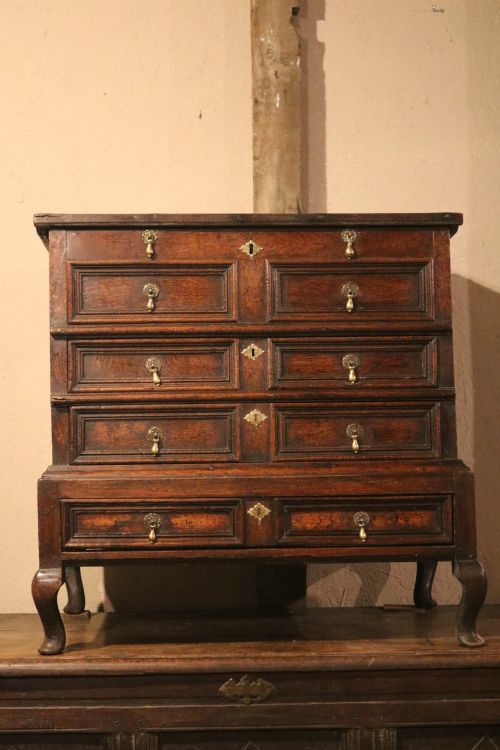

Oak Collectors Drawers
Oak collectors drawers bring orderly charm to small treasures, offering compact compartments designed for meticulous sorting across centuries of cabinet-making.
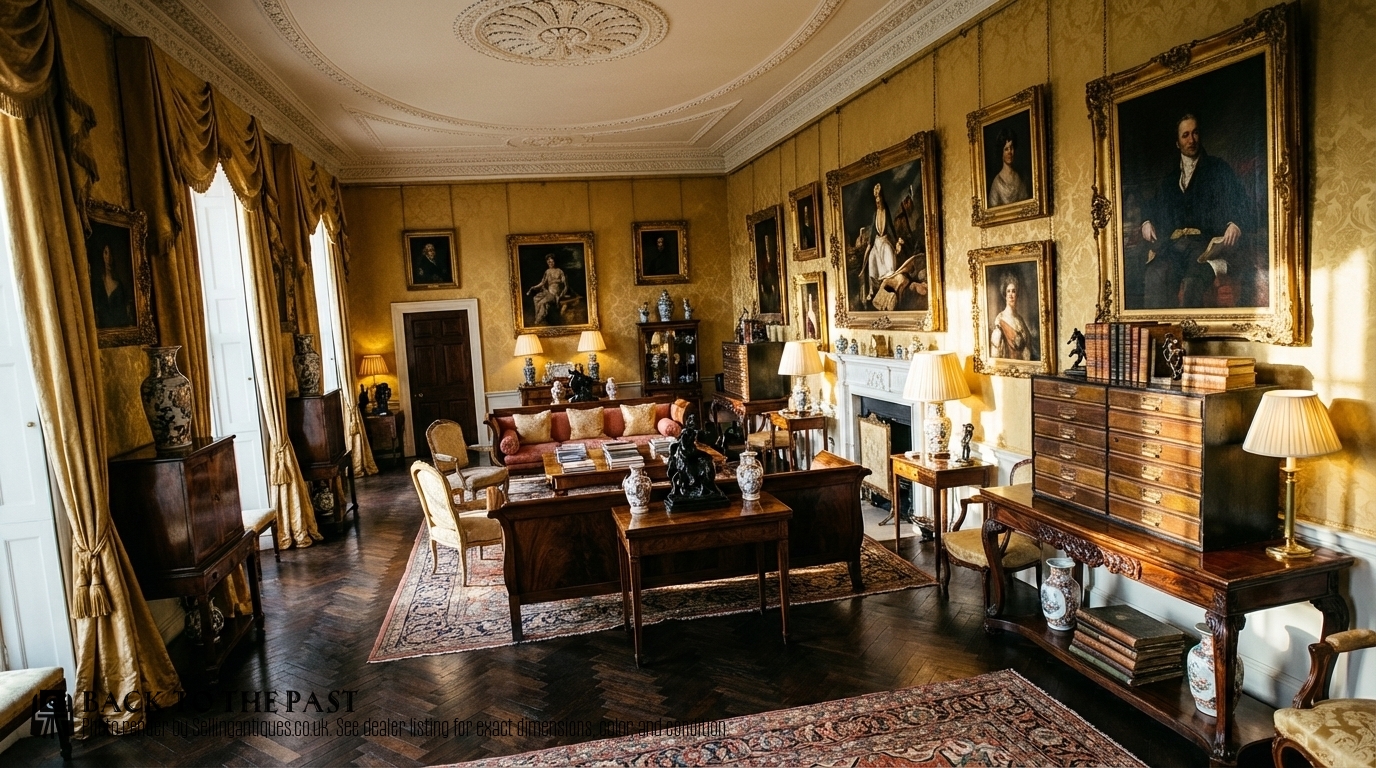
Oak Collectors Drawers
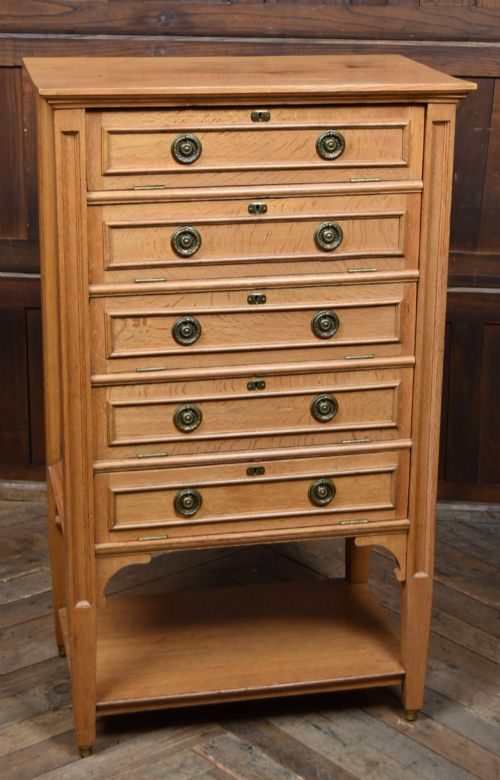
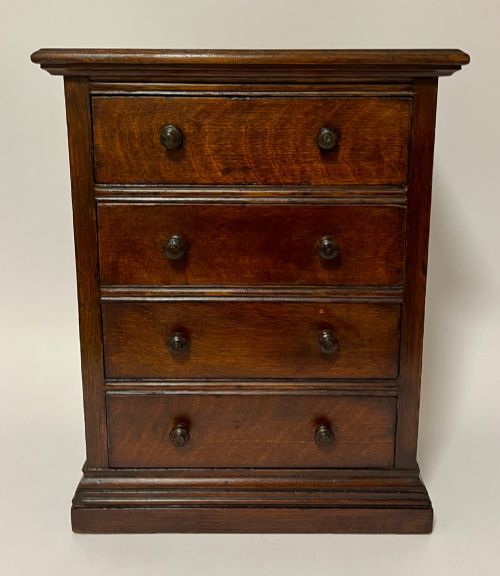
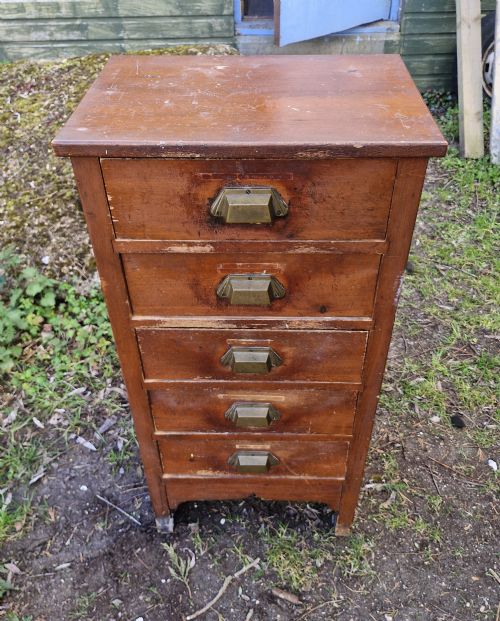
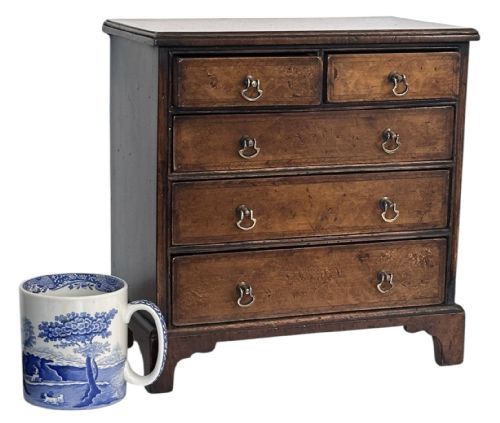
These pieces encompass miniature chests, spice cabinets, and multi-drawer filing units designed to store specialised items. When searching for oak collectors drawers, buyers encounter formats ranging from Georgian spice cupboards to Edwardian office filing systems and Victorian specimen cases. The selection spans domestic miniature furniture, apprentice pieces, and large shop haberdashery cabinets.
The most common formats on this page include compact tabletop chests and multi-drawer cabinets from the Victorian and Edwardian eras. Pieces often feature banks of shallow drawers intended for coins, stamps, or medical specimens, alongside taller Wellington chests and upright office units. Origins stretch from English workshops to Welsh vernacular pieces and Dutch designs.
Materials and construction methods
Cabinet-makers relied primarily on solid oak, frequently paired with secondary woods like pine, while incorporating brass and iron for drawer pulls, handles, and locking mechanisms. Glass panels appear on display doors and specimen cases, allowing visibility while protecting contents from dust.
Joinery methods reflect the functional demands of housing numerous small drawers, utilising tight dovetailing for drawer construction and sturdy frames to support heavy banks of compartments. Surfaces are finished with polished or waxed treatments that highlight the grain, ranging from figured English oak to blonde oak and burr oak veneers.
Listings feature oak combined with brass, glass, and iron across Victorian, Edwardian, and Georgian periods.
Assessing quality in multi-drawer furniture
Quality rests upon the precision of the drawer construction and the smoothness of the fit within the main carcass. Fine examples demonstrate careful attention to grain alignment, particularly on façades featuring figured or burr oak.
Hardware integrity separates standard utility pieces from finer items, where original brass handles, locks with working keys, and panelled sides remain intact. The complexity of the internal configuration, from simple side-by-side banks to multi-tiered architectural layouts, dictates the standard of craftsmanship.
Maple and Co·Roberson and Co
The Oak Collectors Drawers Glossary
- Wellington chest
- A tall, narrow chest of drawers secured by a hinged locking stile on one side that fastens over the drawer edges. This format originates from the nineteenth century.
- Apprentice piece
- A small-scale item demonstrating the skill required for a craftsman to join a guild. These miniature chests mirror full-sized furniture designs.
- Spice cabinet
- A small wall-mounted or tabletop cabinet containing multiple small internal drawers. They date predominantly from the eighteenth century.
- Specimen case
- A specialised cabinet or chest housing shallow drawers for natural history samples or small collectibles. Glass-fronted doors often protect the contents.
Oak Collectors Drawers: Frequently Asked Questions
What were oak collectors drawers originally used for?
These cabinets served domestic and professional purposes for storing small, valuable, or delicate items. Naturalists, merchants, and collectors used the shallow compartments for specimens, coins, and documents.
Over time, variations emerged for office filing, medical supplies, and artist materials. Their modular internal layout kept diverse objects sorted and protected.
How do I date an oak collectors cabinet?
Dating relies on examining construction techniques, hardware, and stylistic details of the period. Eighteenth-century examples often display simpler plank construction and brass drop handles, while Victorian pieces incorporate elaborate moulding or locking stiles.
Later Edwardian and 1920s versions frequently adopt utilitarian formats with numerous uniform drawer rows. Comparing the joinery inside the drawers provides reliable clues to age.
Can these drawers be used for modern storage?
The shallow drawer configurations suit the organisation of contemporary stationery, craft supplies, jewellery, and small keepsakes. Tabletop models fit neatly onto modern desks and sideboards.
Larger upright filing formats adapt well to studio spaces or studies for sorting paper goods. Their sturdy oak construction handles daily use without difficulty.
Are miniature chests the same as collectors drawers?
Miniature chests mimic the proportions and styling of full-sized furniture, often created as apprentice pieces or salesman samples. Collectors drawers prioritise functional storage through banks of numerous uniform compartments.
While both share compact footprints and timber construction, miniature chests typically feature fewer, deeper drawers than dedicated specimen or filing cabinets.