

Vintage Wooden Office Drawers
These vintage wooden office drawers span the Victorian, Edwardian and Art Deco periods, bringing practical utility and period character to modern workspaces.
Vintage Wooden Office Drawers
Vintage wooden office drawers encompass practical filing cabinets, multi-drawer banks and pedestal desks designed for professional or domestic workspaces. The selection relies heavily on pieces originating from the Victorian and Edwardian eras, alongside later 1920s and 1930s designs.
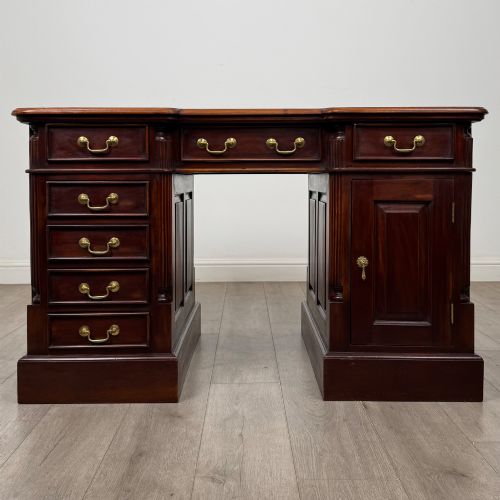
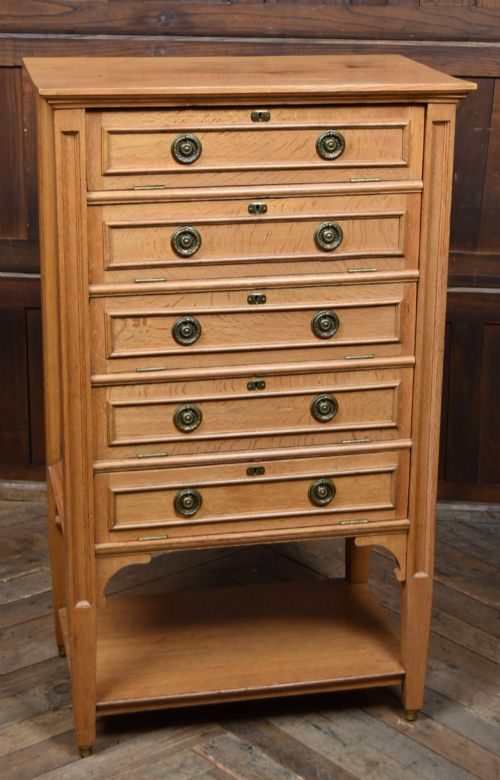
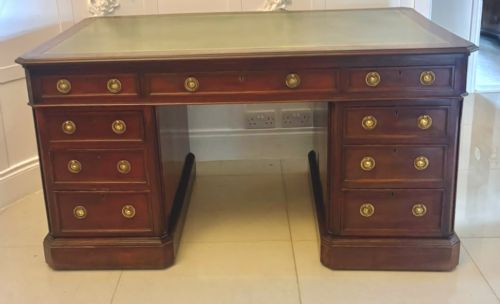
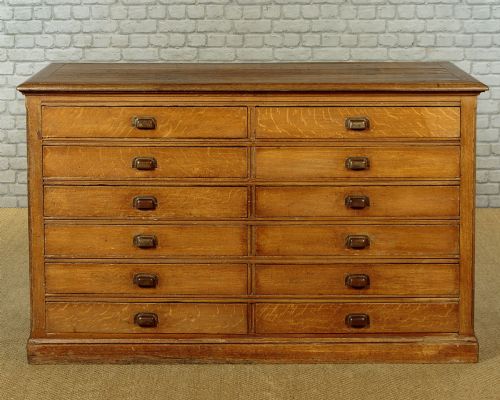
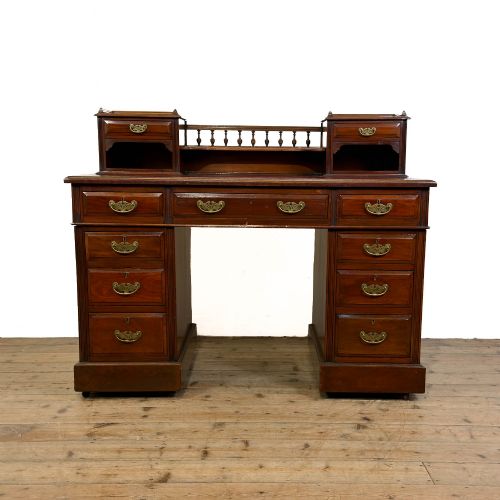
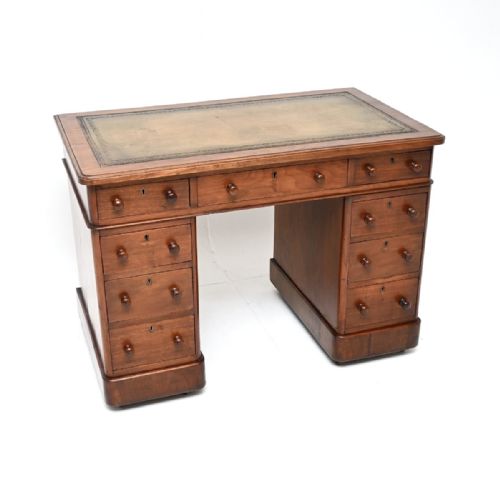
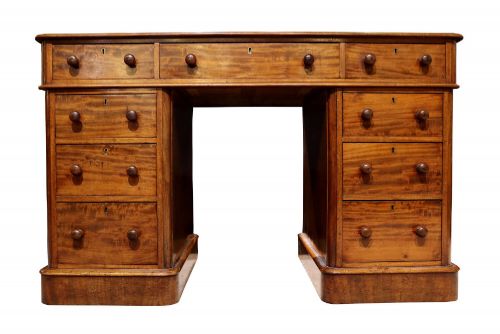
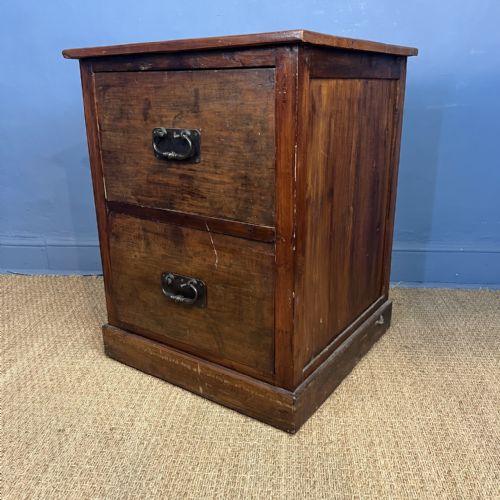
Buyers frequently encounter robust oak filing cabinets, mahogany pedestal desks and multi-drawer banks constructed for libraries, workshops and offices. These functional items range from small proportioned writing tables to large twin pedestal desks fitted with original stationery compartments.
How they were made
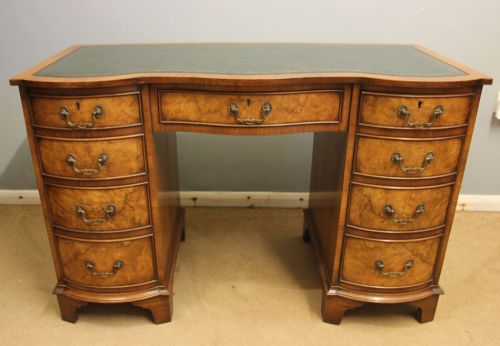
Cabinet makers utilised dense hardwoods such as mahogany, oak, walnut and teak to ensure structural durability for daily commercial use. Secondary timbers like pine appeared in concealed areas, while superior examples incorporated burr walnut veneers for enhanced visual texture.
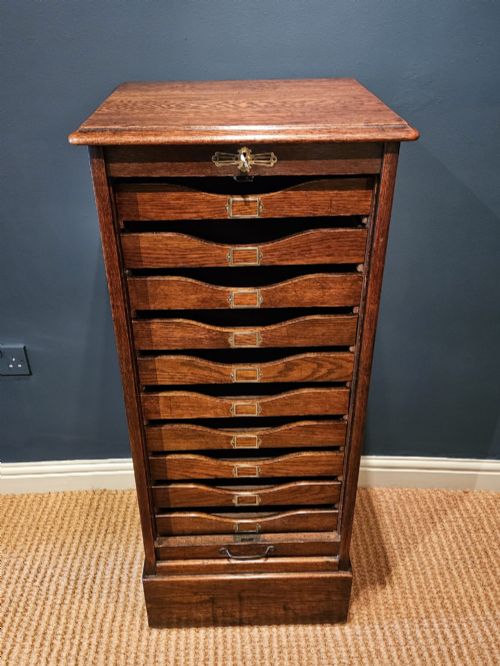
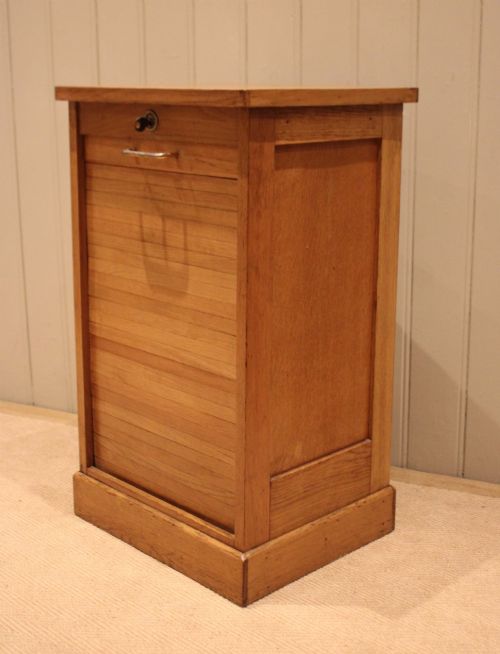
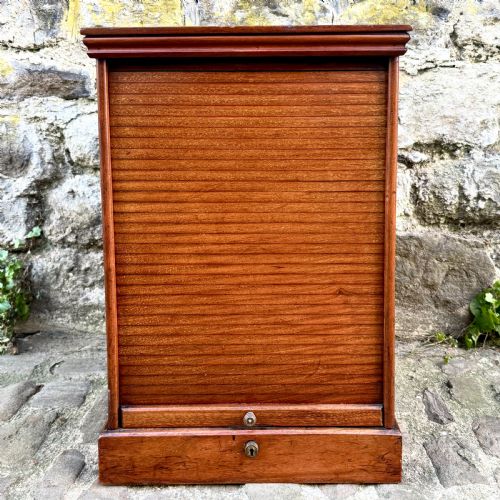
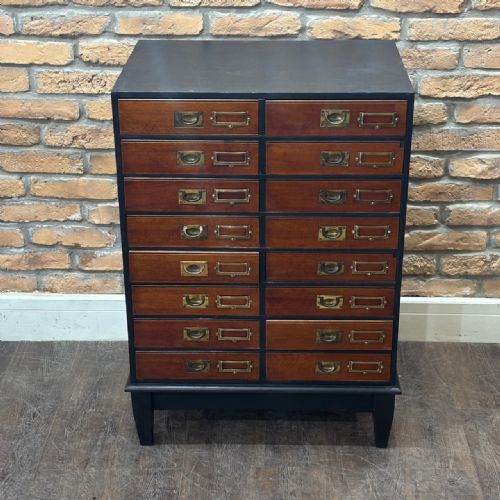
Hardware played an essential functional role, featuring cast brass handles, drop pulls and patent locking mechanisms alongside inset leather writing surfaces. Tambour fronts and specialised card filing mechanisms demonstrated advanced joinery techniques developed for rapid document retrieval.
School teachers and Victorian estate administrators kept their ink and nibs organised in clever secret stationery drawers.
What varies in quality
Quality rests on the selection of timber figures, the integrity of original joinery and the retention of period hardware. Desks and cabinets produced by established cabinet makers display superior timber matching and refined proportions compared to standard utility items.
The degree of original departmental fittings, such as internal stationery dividers, working brass locks and well-preserved leather inserts, elevates the standing of a piece. Retaining unpolished surfaces and authentic period handles distinguishes superior survivals from heavily restored examples.
Hobbs and Co·Maple and Co·Maurice Adams
The Vintage Wooden Office Drawers Glossary
- Pedestal desk
- A heavy office desk comprising two separate banks of drawers supporting a central writing surface. These freestanding items often feature panelled backs and fitted top drawers.
- Tambour front
- A flexible shutter door formed of narrow strips of wood glued to canvas backing, allowing it to slide smoothly around a curved track to conceal interior filing compartments.
- Kneehole
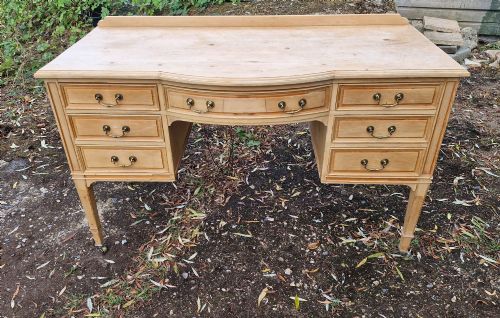
- The central recess beneath a desk or dressing table designed to accommodate the user's legs while seated. This space is frequently flanked by vertical banks of drawers.
- Writing slide
- A pull-out wooden shelf positioned just beneath the desk top to provide auxiliary surface area for correspondence. It typically pushes flush into the frieze when not in use.
Vintage Wooden Office Drawers: Frequently Asked Questions
How do I date a wooden office desk?
Dating relies on architectural styles, construction methods and timber choices characteristic of periods like the Victorian or Edwardian eras. Secondary evidence such as patent stamps, maker labels and lock signatures often help narrow down the decade of production.
Changes in drawer dovetailing and the evolution of hardware styles provide further chronological markers. Earlier pieces tend to feature hand-cut joints, whereas mechanical production methods emerge clearly by the early twentieth century.
Were these drawers used in homes or offices?
Many items served professional functions in solicitor chambers, administrative offices, libraries and government departments. Heavy filing cabinets and multi-drawer banks were built specifically for intense commercial document storage.
At the same time, smaller kneehole desks and writing tables furnished domestic studies and libraries. Wealthy households utilised pedestal desks for managing personal correspondence and household accounts.
How should I care for a leather desk top?
Leather writing surfaces require gentle cleaning using a slightly damp cloth without harsh chemical detergents. Regular application of neutral leather balm helps prevent the hide from drying out and cracking.
Direct sunlight and excessive heat sources should be avoided to protect the leather from fading. Using blotters during writing protects the vintage surface from ink stains and deep impressions.
Are tambour doors difficult to maintain?
Tambour doors operate through a series of wooden slats running along internal tracks that require occasional clearing of dust and debris. Keeping the tracks lightly lubricated ensures the sliding action remains smooth without straining the canvas backing.
Gentle handling prevents the individual slats from separating from their fabric foundation. When properly maintained, these flexible doors function reliably as they did in early twentieth-century offices.