
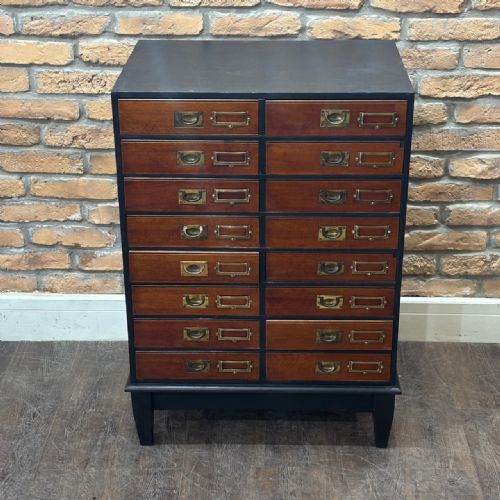
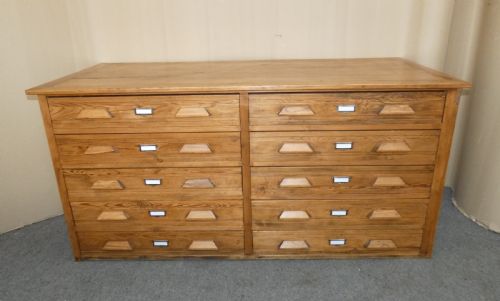


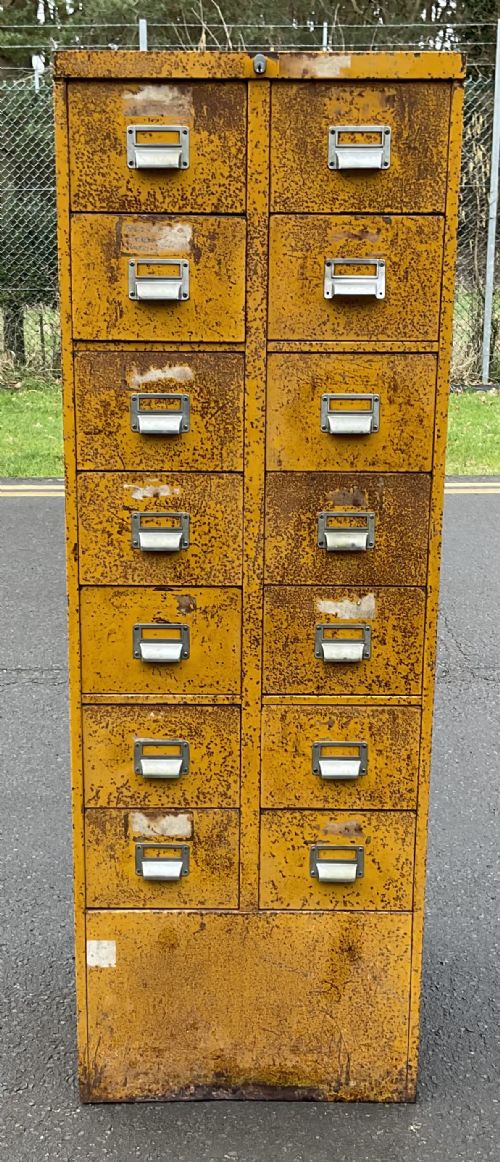


Vintage Card Index Chest
These vintage card index chest pieces offer practical compartmentalised storage with genuine period character for the modern home or workspace.
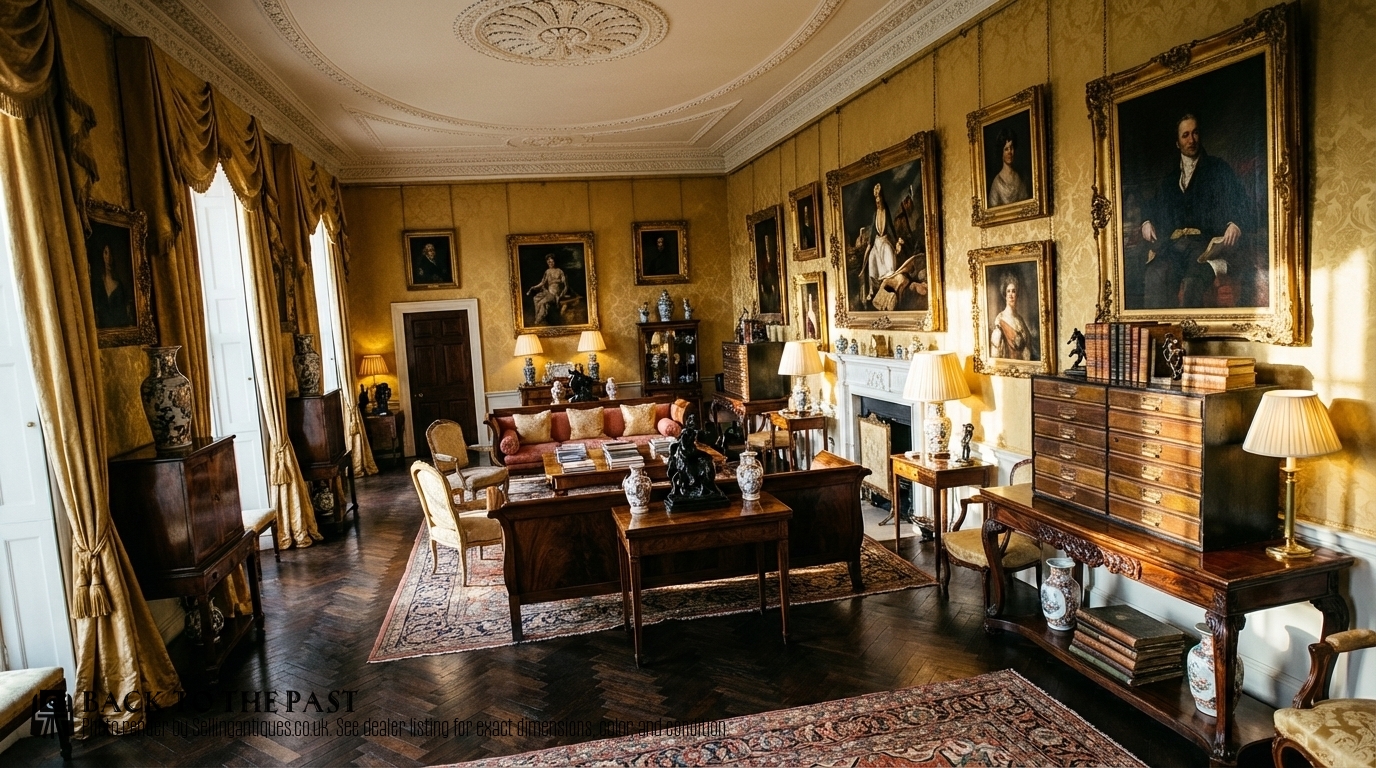
Vintage Card Index Chest
When searching for a vintage card index chest, a buyer encounters a range of multi-drawer storage pieces designed for systematic filing and organisation. These items originate from periods spanning the Victorian era through the twentieth century, including Edwardian and industrial phases.
The most common formats on this page include oak filing cabinets, banks of small drawers, and workshop or office storage units. Formed originally for commercial, office, or institutional utility, these pieces now serve domestic uses for stationery, crafts, and small collections.
How they were made
Construction relies predominantly on traditional timber framing, utilising sturdy hardwoods such as oak, mahogany, walnut, and beech alongside practical pine. Metal and steel elements appear frequently in industrial utility pieces, providing robust durability for commercial filing.
Hardware details typically involve brass pulls, label holders, and specialised patent mechanisms designed for efficient document retrieval. Painted wood and specialised finishes also occur, reflecting the utilitarian or commercial requirements of each specific period.
Some multi-drawer units contain up to sixty-six individual compartments, offering an unexpectedly vast amount of hiding spots for paperclips.
What varies in quality
The distinction between standard utility items and finer examples rests upon the selection of timber and the sophistication of the drawer construction. Finer pieces display carefully figured walnut, mahogany, or quarter-sawn oak, whilst simpler units utilise plain pine or painted surfaces.
Internal engineering and original hardware contribute significantly to the standing of a piece. Patent mechanisms, intact brass label holders, and smooth-running banks of numerous drawers elevate the execution well above basic office furniture.
Shannon·Amberg
The Vintage Card Index Chest Glossary
- Bank of drawers
- A multi-drawer storage unit designed with numerous shallow compartments for systematic sorting. These pieces were standard in offices, shops, and institutions.
- Haberdashery cabinet
- A multi-drawer storage furniture form originally utilised in retail drapery shops. They feature rows of shallow drawers, often with glass fronts or pulls.
- Quarter-sawn oak
- A method of timber cutting that produces distinctive growth ring patterns and enhanced dimensional stability. This technique is frequently observed in quality Edwardian filing furniture.
- Patent cabinet
- A filing unit incorporating a specific mechanical design or locking system protected by patent law. Amberg systems are a notable example found in early office storage.
Vintage Card Index Chest: Frequently Asked Questions
What were vintage card index chests used for?
These chests were originally manufactured for offices, libraries, and commercial businesses to organise index cards, correspondence, and small documents systematically. Their numerous shallow drawers allowed clerks to sort and retrieve paperwork efficiently before digital filing systems existed.
Today, buyers repurpose them around the home for storing craft supplies, jewellery, stationery, and small collections. Their compartmentalised nature makes them exceptionally practical for desktop organisation.
How do I identify an Edwardian filing cabinet?
Edwardian examples usually feature timbers such as mahogany, walnut, or oak, often displaying the refined craftsmanship typical of the early twentieth century. Look for traditional brass drawer pulls and integrated label holders that denote period office furniture.
Comparing the construction methods and wood grain with dated pieces helps confirm the era. These units generally prioritise domestic elegance alongside commercial utility.
Are industrial metal chests difficult to maintain?
Industrial metal and steel chests require very little upkeep beyond occasional dusting and light cleaning to preserve their surface character. The robust materials used in their construction make them exceptionally durable for everyday use.
Keeping them in stable humidity conditions prevents surface oxidation on the metal components. Their utilitarian design ensures long-lasting structural integrity.
Can I use a bank of small drawers in a modern room?
A bank of small drawers integrates easily into contemporary interiors by providing contrasting warmth and texture against modern minimalist decor. Their compact footprint makes them suitable for placement on desks, sideboards, or directly on the floor.
These versatile storage units serve functional roles in studies, kitchens, and hallways alike. Their period aesthetic adds character without dominating the surrounding space.