
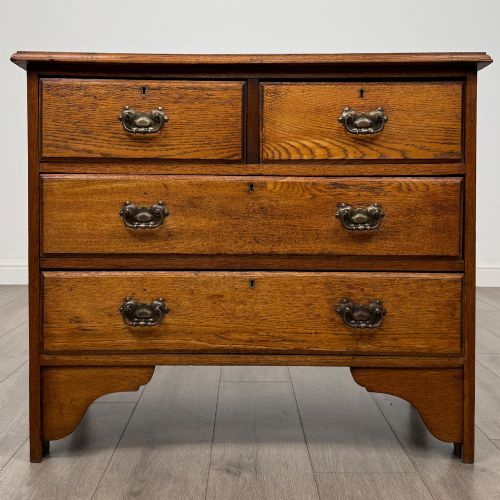
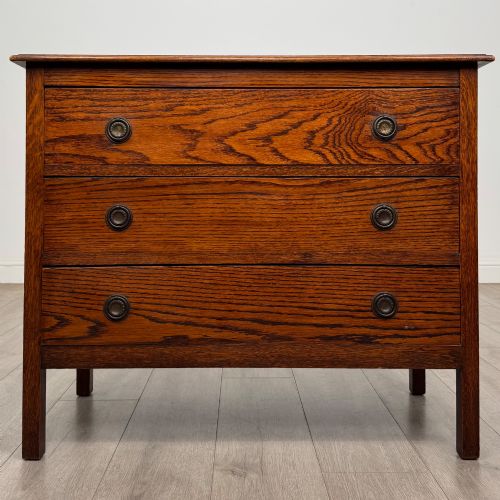
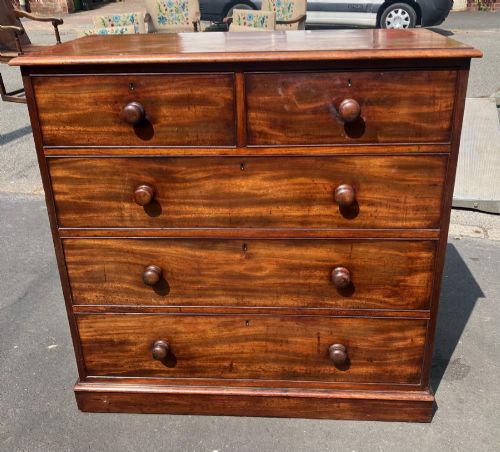
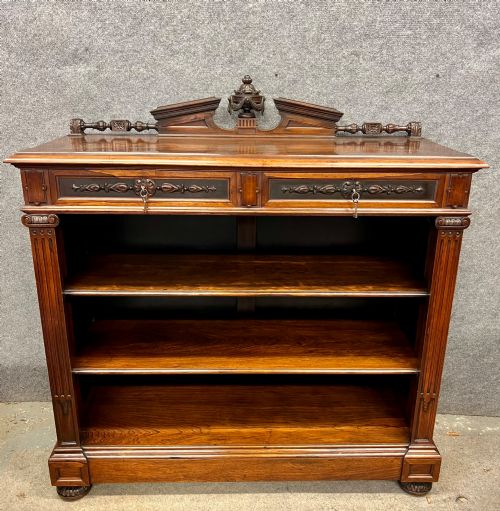
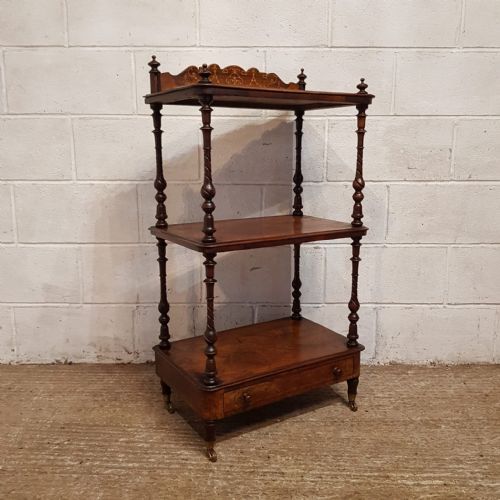
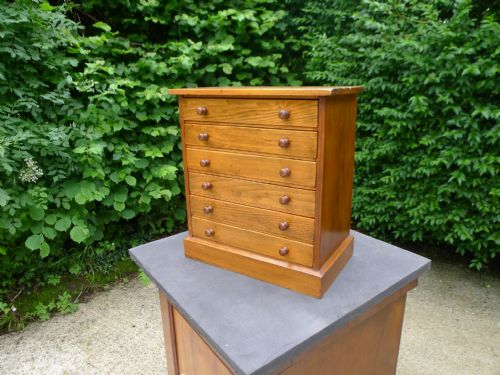
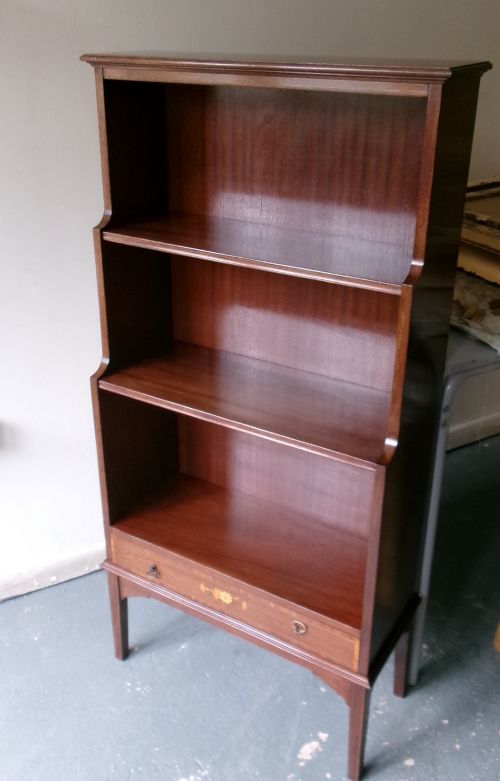
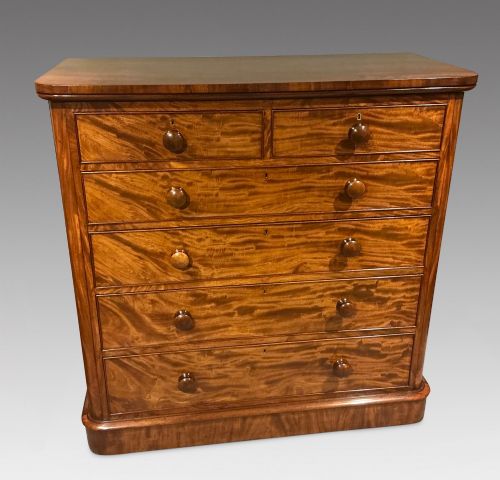
Brown Wooden Drawer Unit
A brown wooden drawer unit brings practical timber storage to a room, spanning periods from the Georgian era through to the Edwardian years.
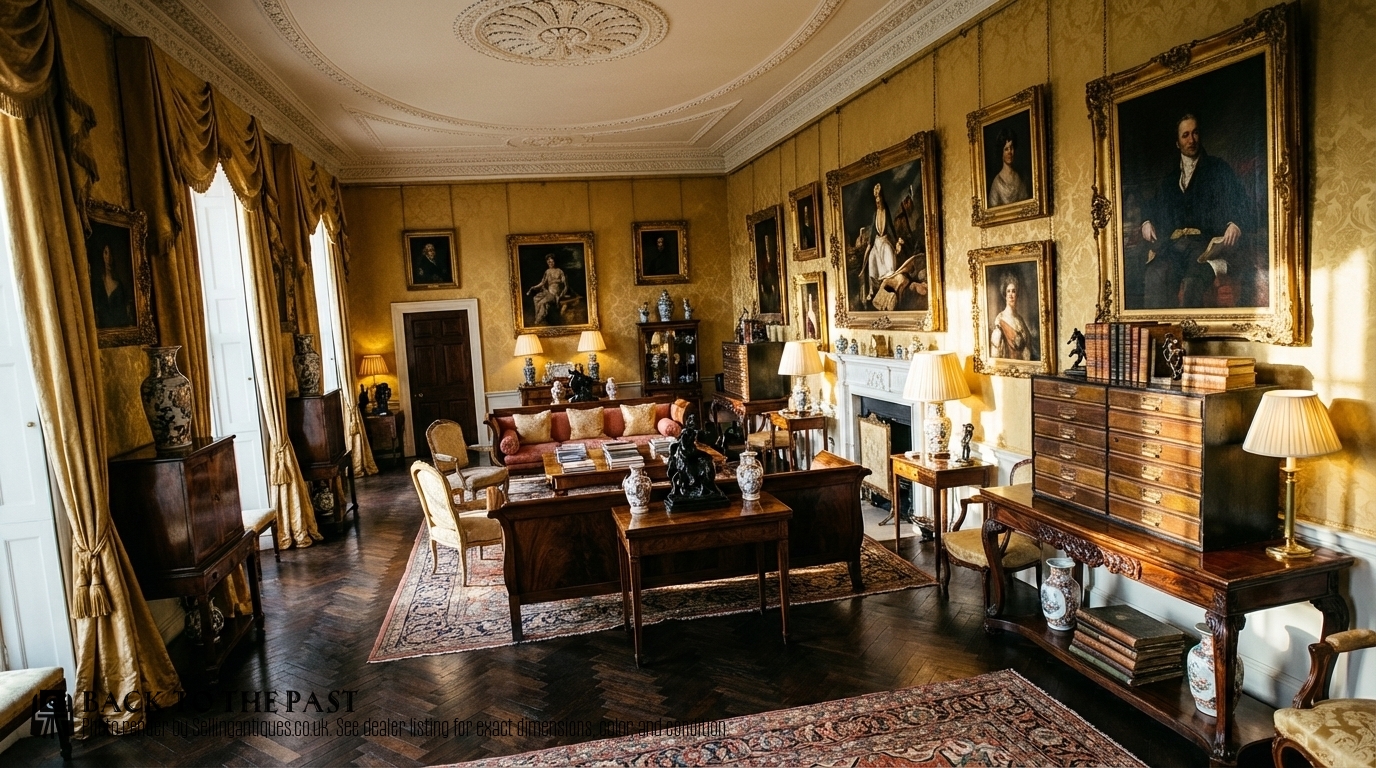
Brown Wooden Drawer Unit
When you search for a brown wooden drawer unit, you encounter a practical storage piece designed to hold papers, collections or household items. These items range from domestic bedroom chests to office filing cabinets and specialised collectors' units.
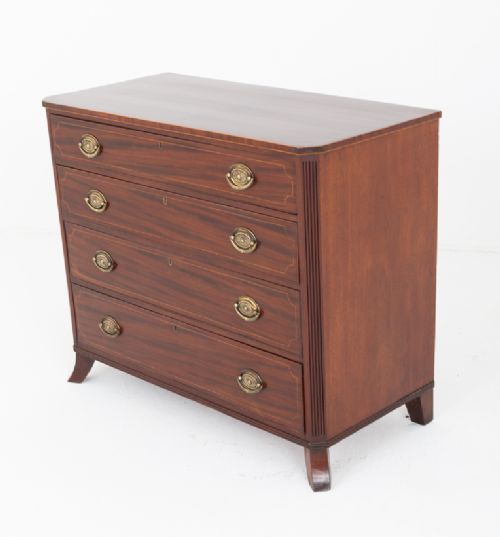
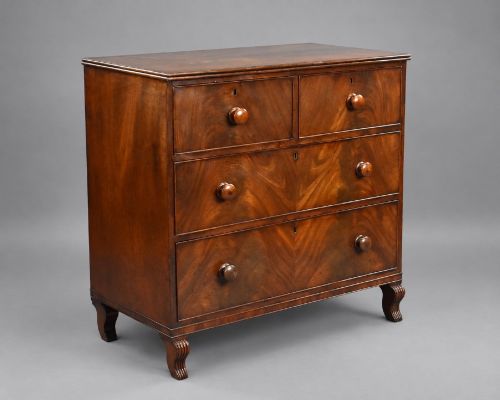
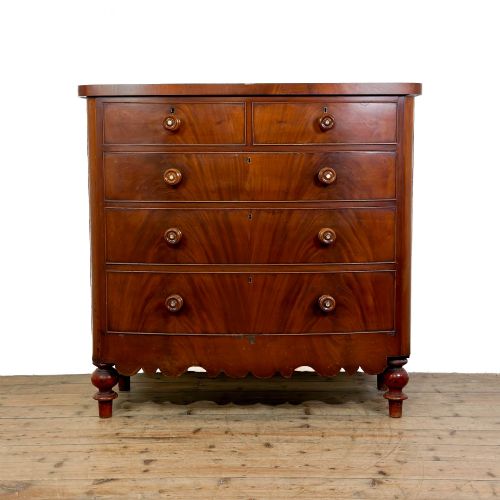
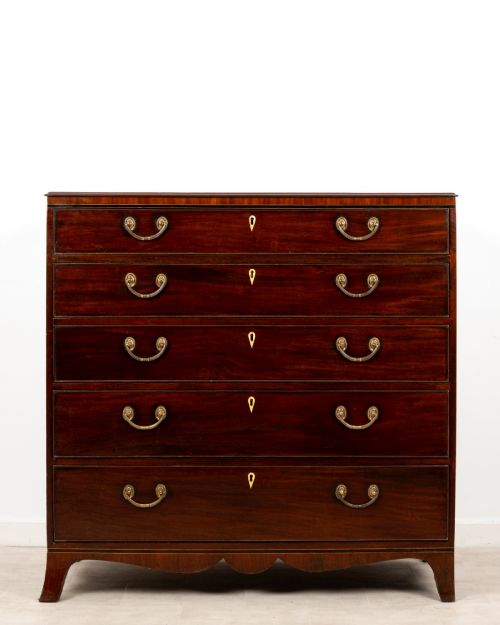
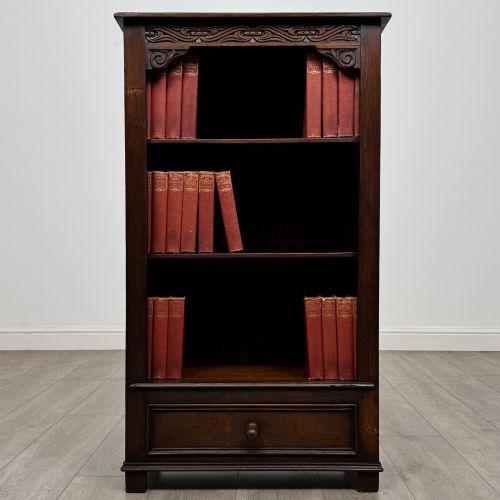
The version you are most likely to meet on this page is the mahogany or oak chest of drawers from the Victorian period or the 19th century. Alongside these, the selection includes bookcases with drawers, music cabinets, banks of drawers and small bedside units.
Origins stretch across the 18th century, Georgian and Regency periods, moving forward through Edwardian times to the early 20th century. Forms vary from straight-front chests and tall office cabinets to miniature apprentice pieces and library card files.
How they were made
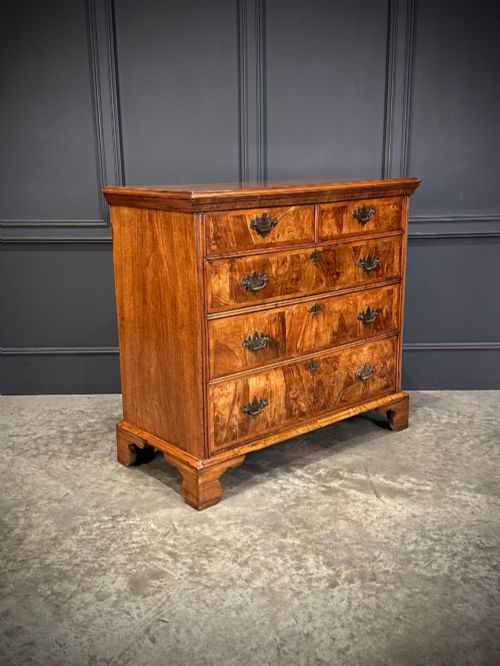
Cabinet makers utilised solid timbers and selected veneers, predominantly working with mahogany, oak, walnut and pine. Flame mahogany veneer and burr walnut added rich figuring to drawer fronts, whilst satinwood and inlay provided decorative linear contrast.
Metal hardware such as brass handles and drawer pulls completed the construction on office cabinets and chests. Joinery techniques relied on solid timber framing and drawer construction designed to withstand daily use over centuries.
Listings feature items built from mahogany, oak, walnut, pine and yew wood, alongside flame mahogany veneer and burr walnut.
What varies in quality
The standard of a brown wooden drawer unit rests upon the selection of timber figures and the crispness of any inlaid decoration. Pieces utilising flame mahogany veneer or burr walnut display greater decorative ambition than plain stained pine.
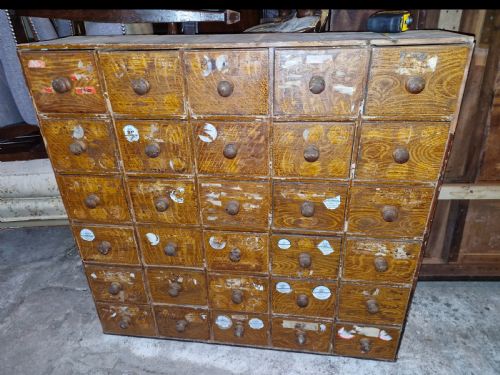
Proportion and execution distinguish finer examples, particularly where secondary timbers match the primary wood and brass hardware is appropriate to the period. The integration of secret drawers or specialised configurations like banks of multiple small compartments marks out more intricate workshop production.
Luxmore's of Ilfracombe
The Brown Wooden Drawer Unit Glossary
- Flame mahogany veneer
- A thin slice of mahogany timber cut to reveal a distinctive flame-like grain pattern. This decorative surface layer was applied to primary drawer fronts on finer furniture.
- Burr walnut
- Wood taken from a walnut tree growth that produces intricate, swirling grain patterns. It created a highly decorative finish on Victorian cabinets.
- Bank of drawers
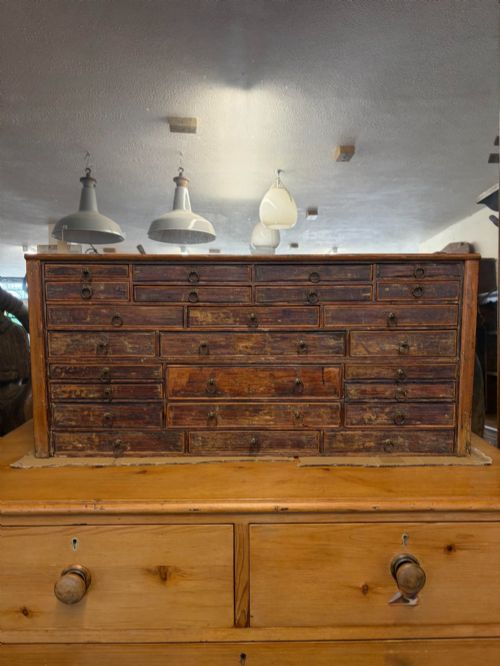
- A multi-drawer unit designed for sorting or filing papers and small items. These utilitarian pieces often feature numerous shallow drawers.
- Secret drawer
- A concealed compartment built into a cabinet or chest, accessed by removing another drawer or manipulating a hidden catch. It provided secure storage for valuables.
Brown Wooden Drawer Unit: Frequently Asked Questions
What is a brown wooden drawer unit?
A brown wooden drawer unit is a storage piece made from timber such as mahogany, oak or walnut, featuring multiple compartments for household or office use.
These items encompass standard chests of drawers, filing cabinets, music cabinets and specialised collectors' units from various historical periods.
How do I date a wooden drawer unit?
Dating relies on observing the timber species, construction methods, handles and overall style characteristics associated with periods like the Georgian, Regency or Victorian eras.
Details such as flame mahogany veneers, brass hardware and inlaid satinwood help place a piece within its correct century.
Where were these drawer units used?
These units served in domestic bedrooms, libraries, studies and offices for organising clothing, books, documents and small collections.
Specialised forms like library card files and bank of drawers units fulfilled administrative roles in commercial settings.
How do I care for antique wood furniture?
Maintaining antique timber requires keeping pieces away from direct heat sources and sudden humidity changes to prevent wood movement and splitting.
Regular dusting with a dry cloth preserves the finish of mahogany, oak and walnut surfaces without the need for heavy chemical polishes.