


Nineteenth Century Ceramic Urn
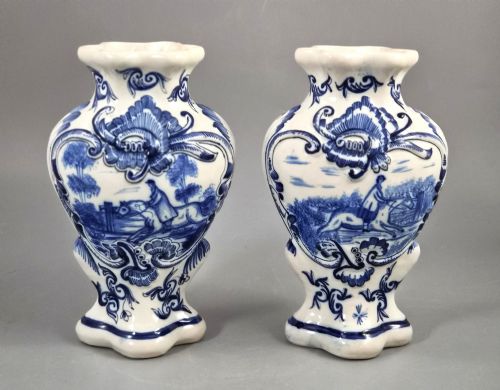
These nineteenth century ceramic urn vessels combine classical forms with rich surface decoration, bringing distinct historical character and presence to any mantel or table.
Nineteenth Century Ceramic Urn
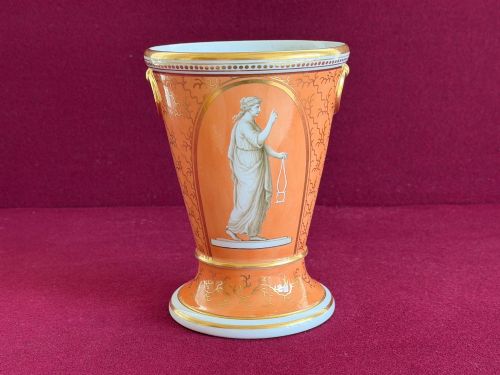
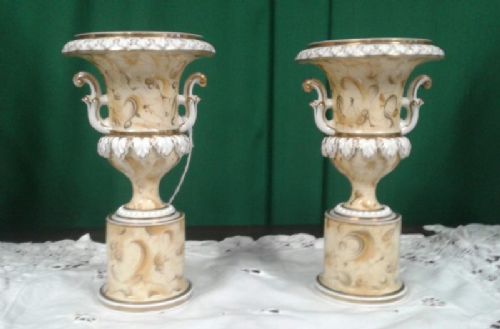
A nineteenth century ceramic urn search leads to decorative vessels and jardinieres shaped by European porcelain factories and Asian kilns during the Georgian, Victorian, and Meiji periods. Buyers encounter campana shapes, lidded garnitures, and beaker forms rendered in porcelain, earthenware, and ironstone.
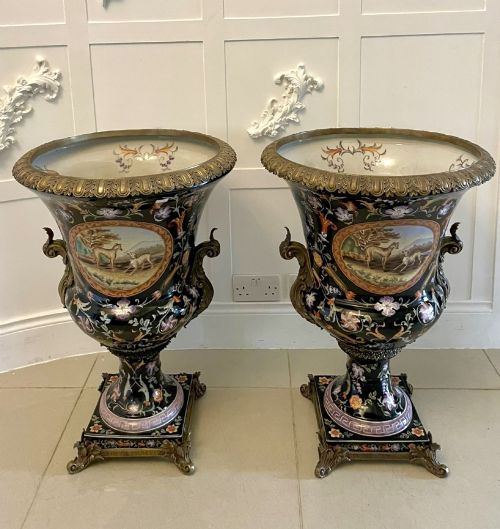
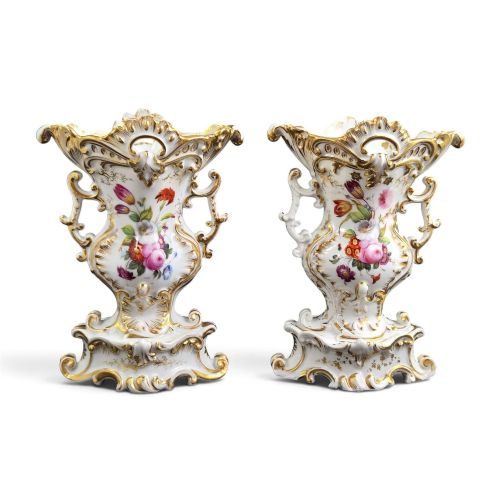
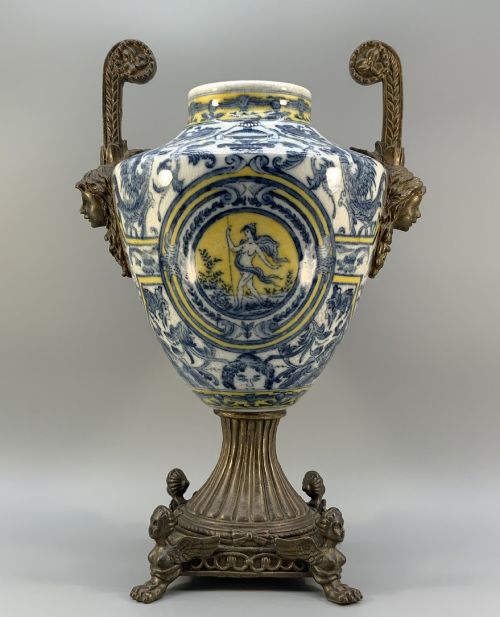
Continental European examples draw heavily on French Rococo Revival and Renaissance styles, often incorporating gilt bronze or ormolu mounts alongside hand-painted panels. British potteries produce ironstone and jasperware versions featuring transfer printing and applied white bas-reliefs.
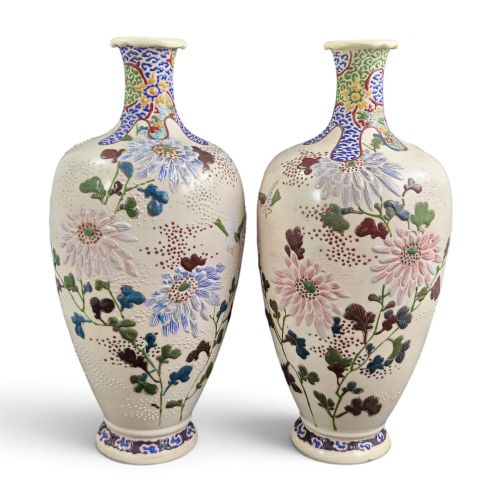
Export wares from China and Japan introduce Chinese Canton famille rose, Japanese Satsuma, and Imari palettes into the mix. These pieces serve primarily as decorative focal points or table lamps rather than functional utility vessels.
Materials and Technique
Potters shape porcelain, earthenware, and ironstone clays by hand or in moulds before applying lead or tin glazes. Cobalt, enamel, and gold leaf pigments provide colour and pattern beneath or over the glaze surface.
Mount makers cast brass, bronze, and ormolu fixtures to secure handles, bases, and rims onto ceramic bodies. Skilled painters finish pieces with hand-painted motifs, moriage relief work, or pate-sur-pate layering.
The inventory spans Georgian, Regency, Victorian, and Meiji periods alongside French Rococo and Chinese Export styles.
Quality and Craftsmanship
Quality rests upon the crispness of the ceramic moulding and the precision of the hand-painted brushwork. Superior pieces exhibit well-defined facial expressions on figures, clean gilding applications, and securely fitted metal mounts.
The weight and resonance of the body material separate standard factory output from exhibition-grade productions. Well-preserved surfaces retain their original enamel vibrancy without rubbing or fading on high-wear edges.
Flight and Barr Worcester·Jacob Petit·Mason's Patent Ironstone·Royal Worcester·Doulton Burslem
The Nineteenth Century Ceramic Urn Glossary
- Campana
- A bell-shaped vessel with a flaring rim and footed base. This classical silhouette originates from ancient Roman garden ornaments.
- Garniture
- A set of three or more matching vases designed to display together on a mantelpiece. These matched sets often comprise a central lidded urn flanked by smaller matching vases.
- Ironstone
- A durable heavy earthenware developed in Britain to imitate Chinese porcelain. This dense ceramic resists chipping and accepts transfer-printed designs readily.
- Moriage
- A Japanese decorating technique using piped clay slip to create raised surface textures. Artisans layer this slip to form floral or figurative details before gilding.
- Pate-sur-pate
- A method of building up low-relief ceramic designs using successive layers of liquid clay. This technique produces translucent white decoration against a contrasting coloured body.
Nineteenth Century Ceramic Urn: Frequently Asked Questions
How were nineteenth century ceramic urns used?
Makers designed these vessels primarily for interior decoration on mantelpieces, sideboards, and large pedestals. Many functioned simply as visual centrepieces within formal reception rooms.
Some larger examples served as jardinieres to hold potted plants or cut flowers during grand dinners. Others incorporated clock movements or served as lamp bases later in their lifespans.
How do I care for antique ceramic urns?
Dust surfaces gently using a soft, dry brush to prevent accumulation in crevices and raised gilt details. Avoid using liquid cleaners, which can damage exposed ceramic bodies or nineteenth century enamel pigments.
Keep pieces away from direct sunlight to preserve the original vibrancy of cobalt grounds and hand-painted transfer patterns. Secure any loose ormolu mounts carefully without over-tightening historical metal screws.
How can I tell French porcelain from British ironstone?
French porcelain from this era typically exhibits a finer, more translucent body with hand-painted floral panels and gilt bronze mounts. These continental pieces often lean toward decorative Rococo Revival aesthetics.
British ironstone feels heavier and more opaque, frequently featuring transfer-printed Chinoiserie patterns or moulded jasperware reliefs. Ironstone prioritised durability for daily household display alongside ornamental utility.
What defines Meiji period Japanese vases?
Meiji period pieces reflect the opening of Japanese trade to Western markets during the late nineteenth century. Satsuma and Kutani workshops produced elaborate vessels specifically for export demand.
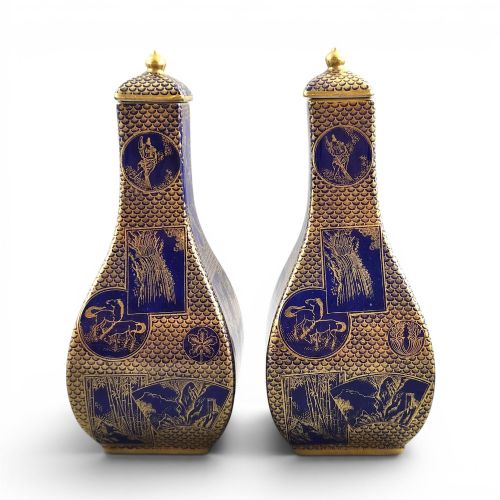
These works feature dense cobalt grounds, intricate gilt detailing, and storytelling figural scenes. Many incorporate raised moriage decoration or lacquer panel accents characteristic of the era.