


Antique Faience Decorative Urn
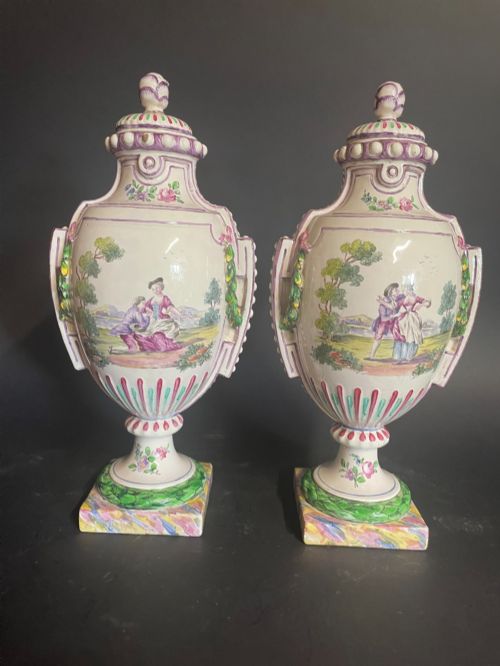
An antique faience decorative urn brings historic tin-glazed earthenware and intricate ceramic art directly into your interior scheme.
Antique Faience Decorative Urn
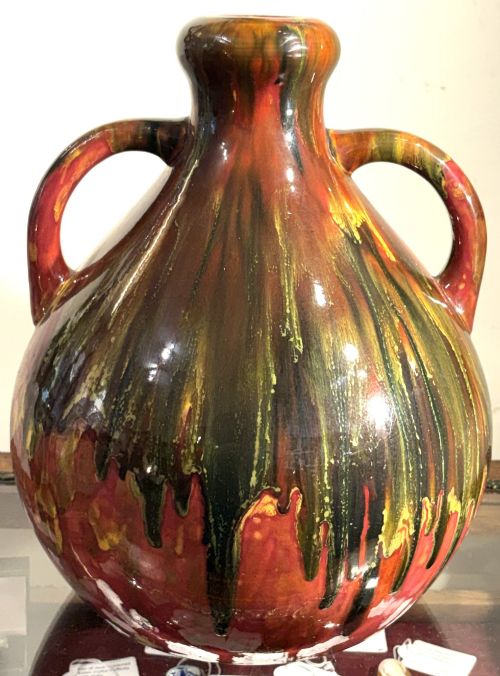
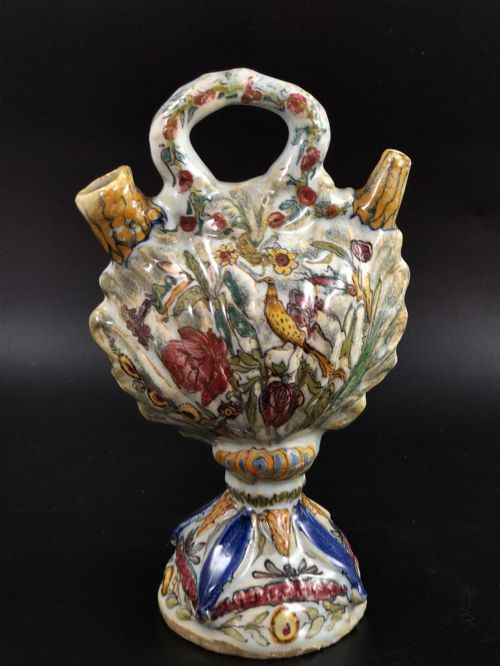
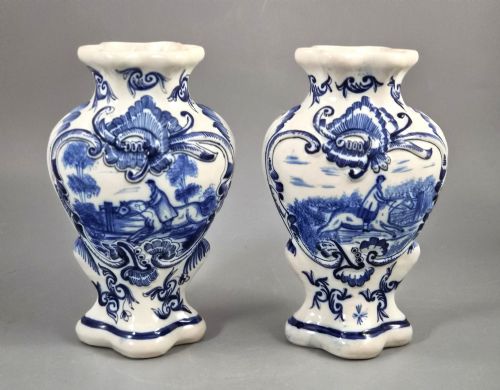
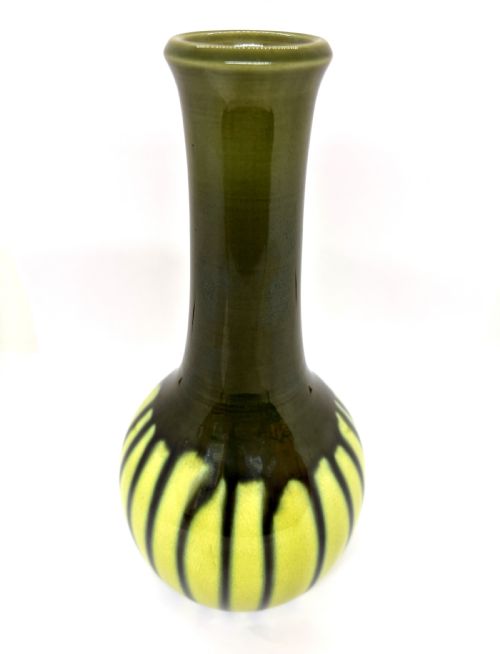
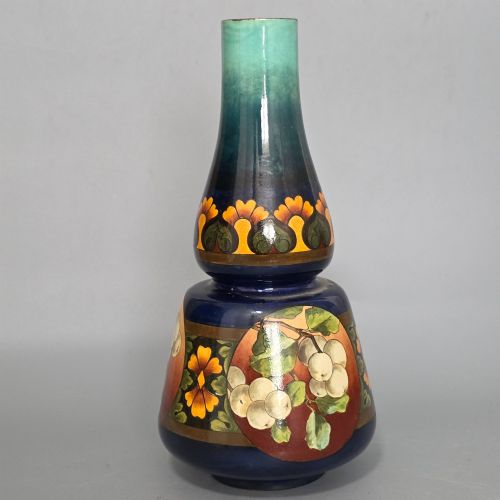
When you search for an antique faience decorative urn, you encounter historic glazed ceramic vessels spanning several centuries of European pottery traditions. The selections on this page range from nineteenth-century revival pieces to earlier examples, including Dutch delft jars and Italian majolica pilgrim flasks.
Forms include twin-handled vases, pilgrim flasks, and large decorative jars featuring styles such as Renaissance Revival, French Rococo, and Victorian Art Pottery. Most pieces date from the nineteenth century, though earlier sixteenth-century influences and eighteenth-century origins appear across the listings.
Materials and construction
These vessels are fashioned from clay and earthenware, employing ceramic glaze and tin glaze techniques to achieve their distinctive vitreous surfaces. Artisans shaped the ceramic bodies by hand or mould before applying opaque tin enamels and hand-painted or enamelled decoration.
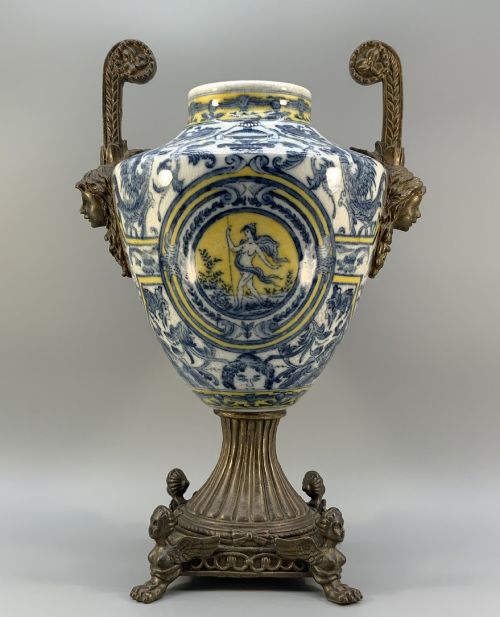
Certain examples incorporate bronze mounts, adding structural and decorative metal elements to the glazed ceramic bodies. The combination of fired clay, metallic mineral glazes, and occasional bronze fittings defines the physical character of these works.
The listings on this page span several centuries, featuring earthenware and ceramic glaze techniques from the sixteenth to the twentieth century.
Evaluating the craftsmanship
Quality in these ceramics depends upon the crispness of the moulding, the complexity of the tin glaze, and the precision of the hand-painted or enamelled surface decoration. Superior examples display controlled firing without surface blistering, alongside detailed brushwork that reflects high workshop standards.
The integration of secondary materials, such as finely cast bronze mounts on Renaissance Revival pieces, elevates the finish of the work. Maker attribution and stylistic coherence further distinguish standard production items from exceptional studio pieces.
Fourmaintraux Courquin·Sceaux·Alice Euphemia Thatcher·Jules Vieillard
The Antique Faience Decorative Urn Glossary
- Faience
- Tin-glazed earthenware produced in Europe, typically featuring an opaque white or coloured enamel decorated with painted motifs before firing.
- Majolica
- Italian tin-glazed pottery noted for bright polychrome painting, originating in the Renaissance and inspiring later revival styles.
- Tin Glaze
- A ceramic glaze made opaque by the addition of tin oxide, providing a smooth white background for painted enamels.
- Pilgrim Flask
- A flattened or rounded flask with lateral loops or handles for suspension, historically carried by travellers or pilgrims.
- Alhambra-Style
- A decorative aesthetic emulating the lustrous Moorish ceramics of medieval Spain, characterised by intricate geometric and floral patterns.
Antique Faience Decorative Urn: Frequently Asked Questions
What is an antique faience decorative urn?
An antique faience decorative urn is a ceramic vessel coated in a tin glaze and decorated with hand-painted motifs, produced across various European centres.
These pieces were made primarily for display rather than utility, showcasing styles from Renaissance Revival to Art Nouveau.
How do I date an antique faience urn?
Dating relies on stylistic markers, glaze characteristics, and any visible maker marks or workshop signatures on the base. Nineteenth-century revival pieces often imitate earlier sixteenth or eighteenth-century models closely.
Examining the wear on the footrim and the composition of the ceramic body helps clarify the period of manufacture.
Where were these ceramic urns produced?
Production centres include France, England, Italy, and the Netherlands, with notable works originating from factories in Desvres, Lambeth, and Sceaux.
Each region developed distinct glazing recipes and decorative palettes that reflect local ceramic traditions.
How should I display an antique urn?
These decorative urns suit prominent placements on sturdy mantelpieces, pedestals, or console tables where their glaze and form remain visible.
Keep them away from direct sunlight and areas subject to sudden temperature changes to protect the ceramic body and glaze.