


Faience Ceramic Urn
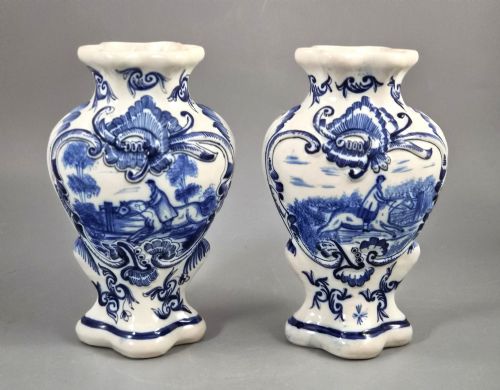
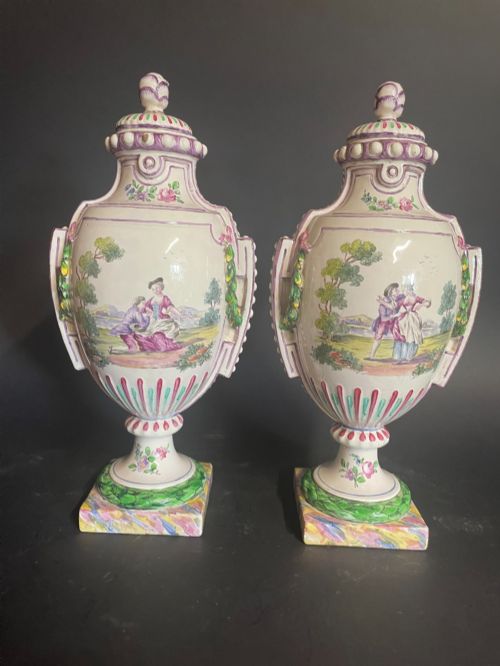
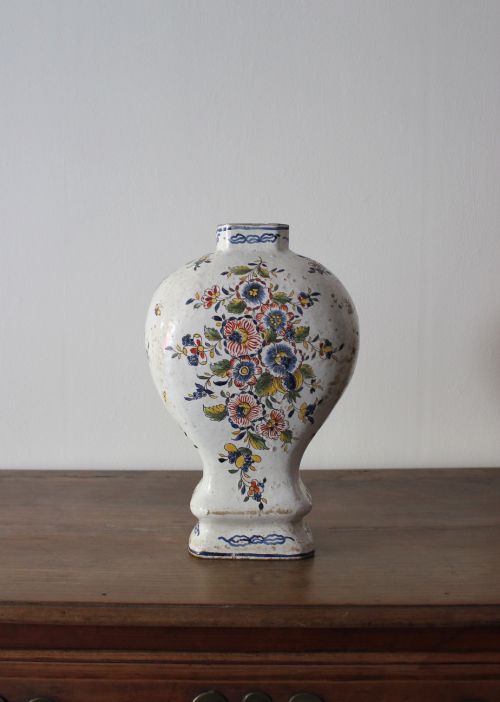
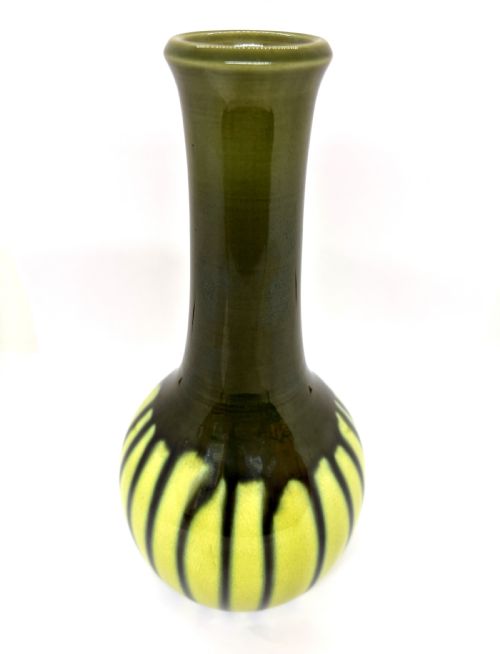
These faience ceramic urn pieces bring tin-glazed earthenware and pottery into a room, offering robust display forms shaped by centuries of revival styles.
Faience Ceramic Urn
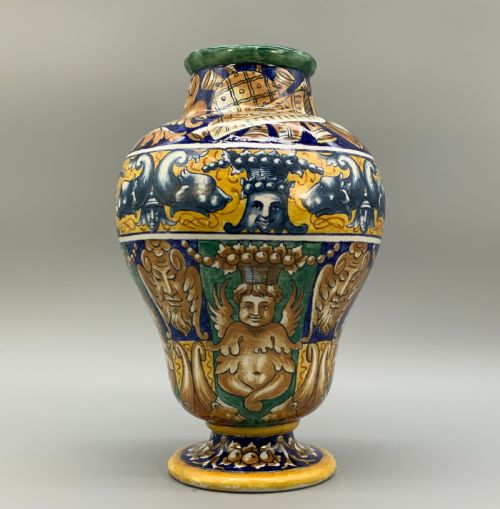
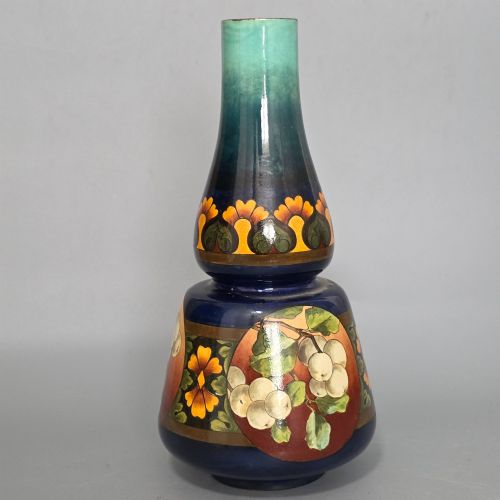
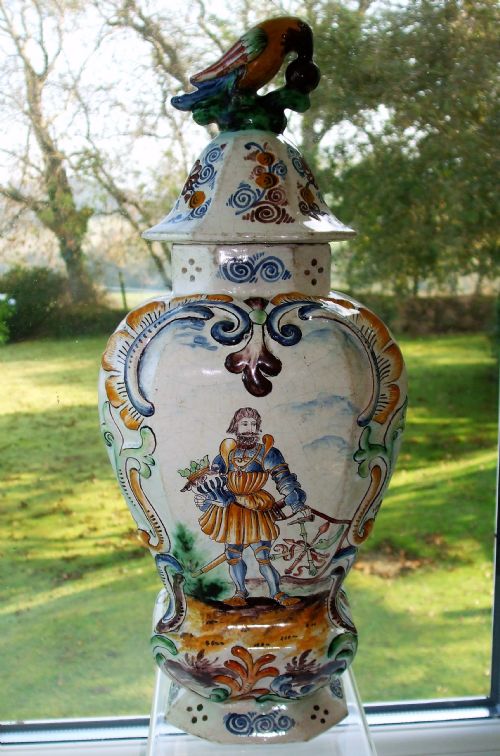
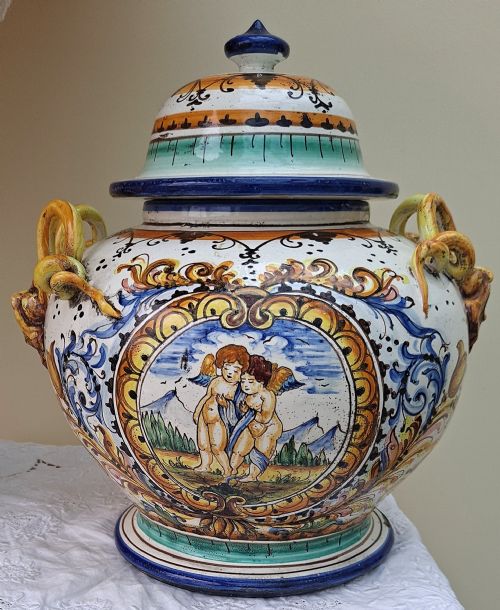
A faience ceramic urn or related vase brings together tin-glazed earthenware forms spanning the eighteenth and nineteenth centuries. The pieces on this page lean heavily toward French Desvres work, English Doulton Lambeth productions, and Dutch Delftware alongside Italian majolica expressions.
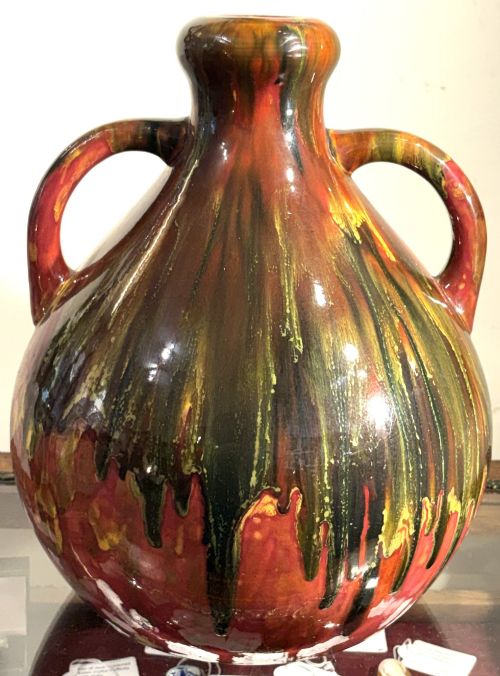
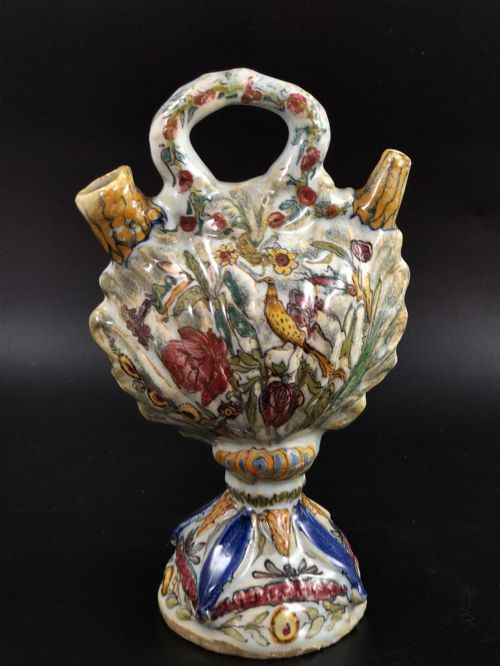
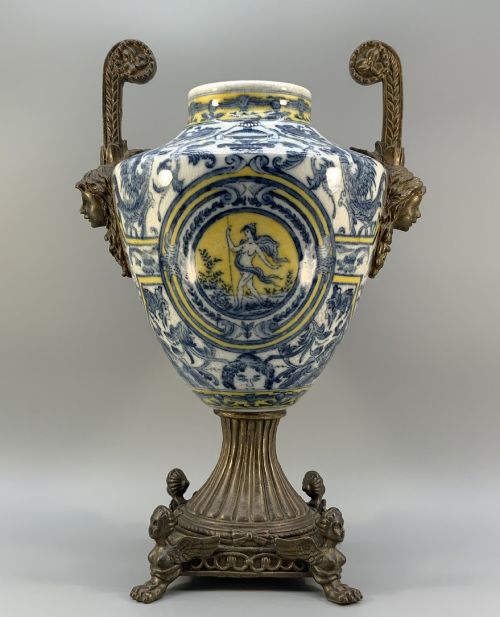
Makers shaped these items into garden urns, covered jars, pilgrim flasks, and twin-handled display vessels. Revival movements dominated the production, drawing on Renaissance, Baroque, Rococo, and Alhambra motifs translated into ceramic glaze.
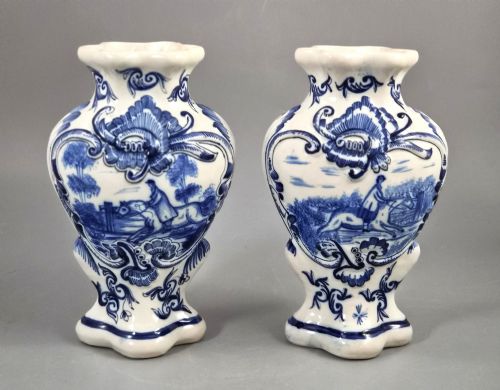
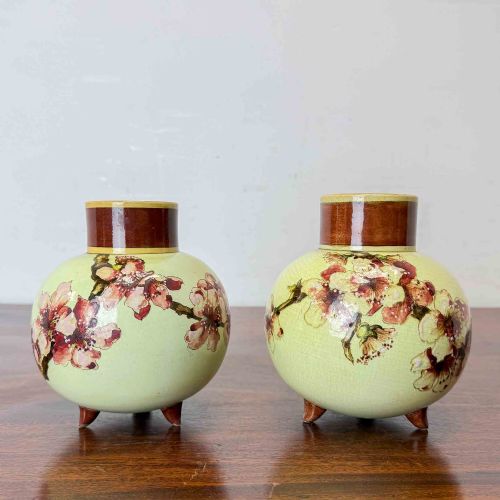
Buyers encounter blue and white palettes alongside polychrome decorations, often featuring floral patterns, birds, and Chinoiserie subjects. Scale ranges from modest posy vessels to large garden urns fitted with handles and lids.
Materials and glazing techniques
Potters formed these bodies from earthenware clay before applying a tin glaze that created an opaque white surface suitable for painting. Artisans painted directly onto this porous background using cobalt blues and polychrome pigments before a final firing fused the colours.
Workshops incorporated specialised treatments like Slaters Patent methods and bronze mounts to enrich the finished pottery. Some workshops combined the faience body with brass elements or enamel detailing to elevate the decorative impact.
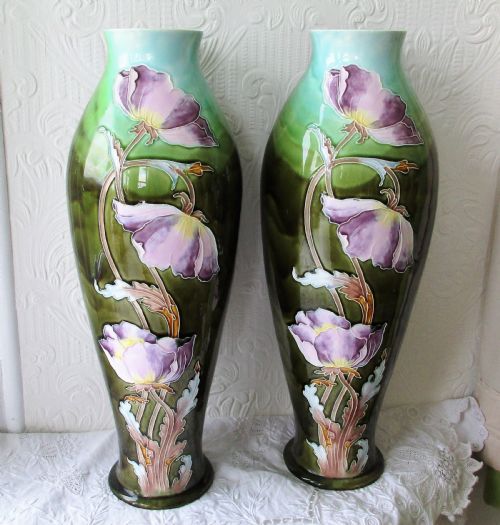
The selection includes Renaissance Revival, Dutch Baroque, Arts and Crafts, and Art Nouveau stylistic interpretations.
Craftsmanship and design execution
The precision of the painted decoration dictates the distinction between standard pottery and finer studio output. Hand-painted botanical subjects and complex Chinoiserie scenes demand superior brushwork compared to simpler repeating patterns.
The application and consistency of the tin glaze determine surface purity across the body. Superior pieces maintain an even glaze layer that flatters the underlying contours without obscuring modelled details or relief work.
Burmantofts·Fourmaintraux-Courquin·Sceaux·Doulton Lambeth·Cantagalli·Jules Vieillard
The Faience Ceramic Urn Glossary
- Faience
- Tin-glazed earthenware produced in France, England, and other European regions. This term covers a wide family of glazed pottery decorated with opaque pigments.
- Majolica
- Tin-glazed Italian pottery often noted for colourful polychrome painting. The style experienced revivals throughout the nineteenth century across European potteries.
- Delftware
- Tin-glazed pottery originating from the Netherlands, traditionally recognised in blue and white. Makers utilised these motifs to satisfy international demand for oriental styles.
- Chinoiserie
- European interpretations of Chinese and East Asian artistic motifs. Artisans applied these decorative themes to pottery surfaces during multiple historic periods.
- Pilgrim Flask
- A flat-sided vessel fitted with loops for suspension during travel. These decorative flasks often feature scallop shells and heraldic details.
Faience Ceramic Urn: Frequently Asked Questions
What is faience pottery?
Faience is tin-glazed earthenware featuring an opaque white glaze applied over a clay body. Artisans painted directly onto this surface before firing.
This technique allowed potteries to imitate tin-glazed wares from various historical periods, producing decorative vessels with complex painted patterns.
How do I care for these urns?
Keep these ceramic pieces away from direct sunlight and moisture to protect the tin glaze and painted decoration. Dust them gently with a soft, dry cloth.
Avoid using liquid cleaners or abrasive materials that might damage the historical glaze surface.
Are these pieces functional?
Most of these items served as decorative display pieces, garden urns, or mantel vases rather than utilitarian containers. Their porous earthenware bodies and tin glazes mean they are unsuited for modern daily use.
Display them on stable surfaces where their painted surfaces and handles can be viewed safely.
How can I tell the period?
Study the painting style, glaze characteristics, and workshop marks beneath the base. Nineteenth-century revival pieces often employ different clay bodies and glazing formulas than eighteenth-century originals.
Compare the decorative motifs against documented examples from known potteries to establish an approximate date.