



Bronze Urn on Base
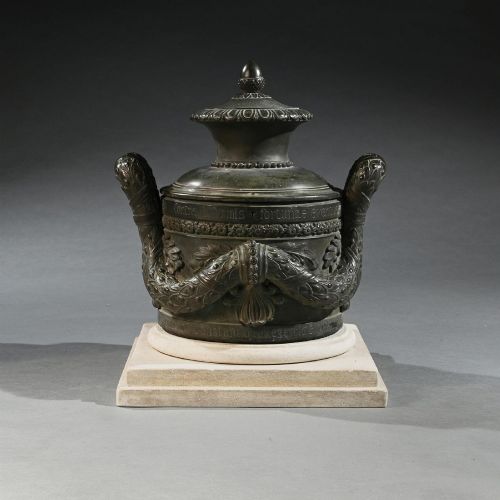
A bronze urn on base brings classical proportion and substantial weight into a room, combining cast metal with polished stone plinths.
Bronze Urn on Base
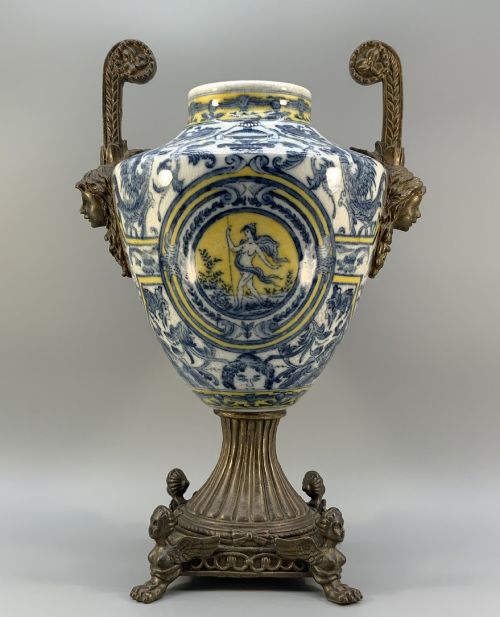
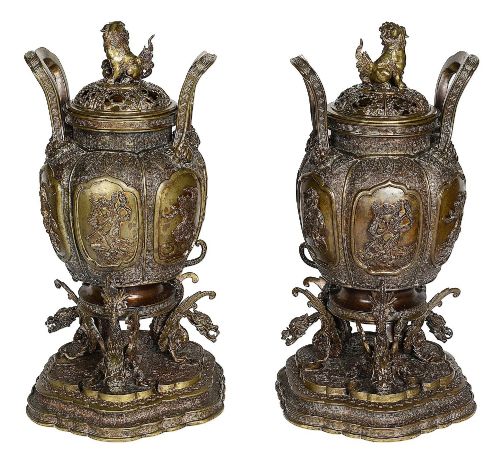
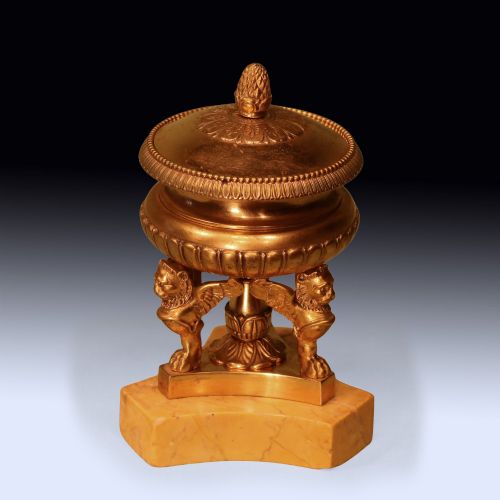
A bronze urn on base brings together a cast metal vessel and a fitted stone plinth, appearing across French, Italian and English examples from the eighteenth century onwards. These objects range from classical Grand Tour souvenirs and lidded campana vessels to later ornamental lamps and mounted vases.
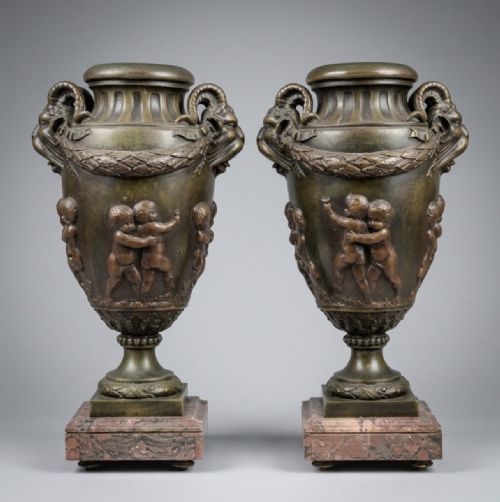
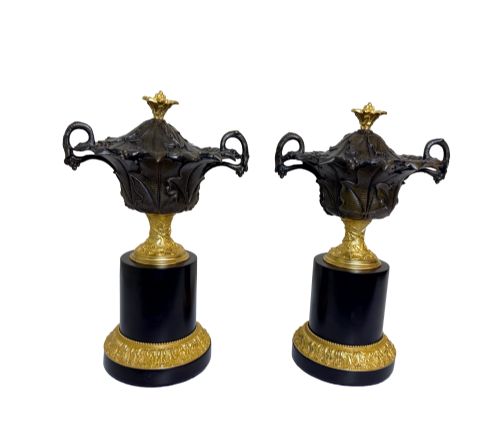
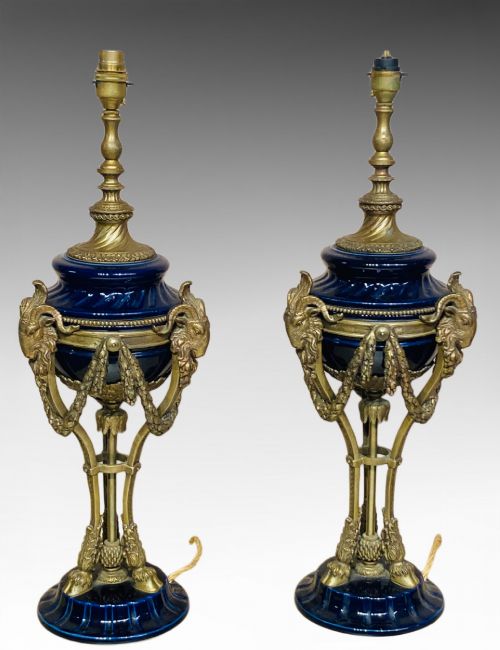
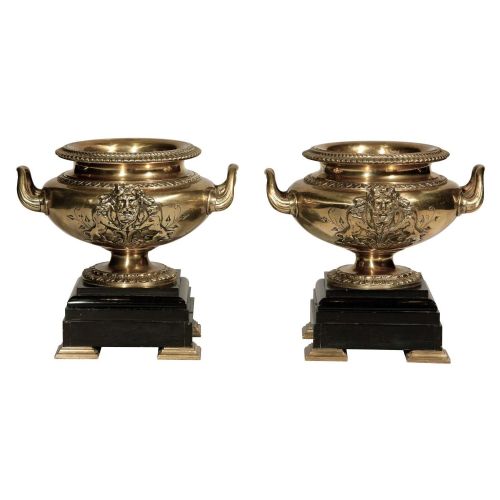
The version most commonly met on this page is the nineteenth-century French or Italian decorative piece, cast in bronze, gilt bronze, or spelter, and raised upon a stepped or square marble pedestal. Many of these survive as pairs, reflecting their original purpose as garnitures or mantel ornaments before subsequent conversion for domestic lighting.
How they were made
Foundry workers shaped the primary vessels through traditional metal-casting methods, utilising bronze, copper alloys, or zinc-based spelter. Artisans then chased the cooled metal surfaces by hand, adding crisp detail to handles, collars, and classical friezes.
The supporting plinths utilise distinct varieties of dense stone, principally white marble, siena, and rouge griotte. Workers turned, squared, and polished these bases to provide a heavy, contrasting foundation for the metalwork above.
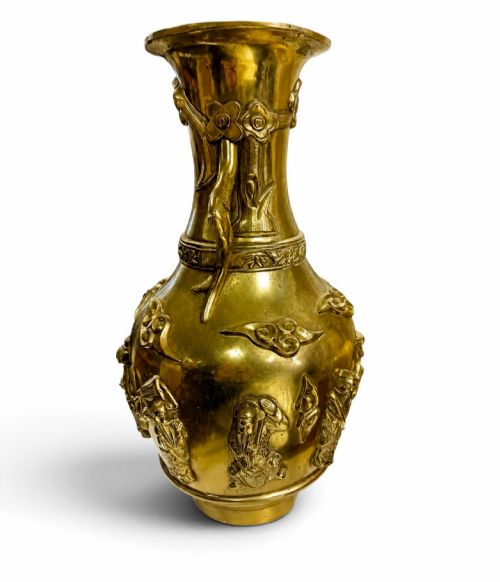
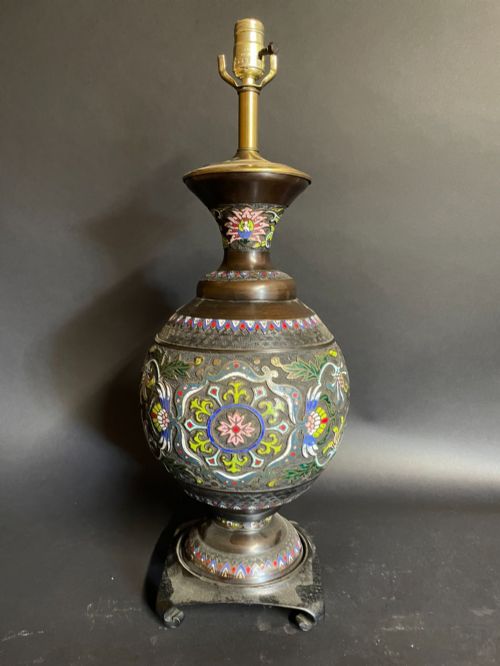
Listings feature nineteen-century French and Italian pieces alongside Japanese Meiji period bronzes and mid-twentieth-century lighting adaptations.
What varies in quality
The standard of the casting dictates the sharpness of detail in the foliage, figures, and classical motifs across the body of the urn. Finer pieces show deep, deliberate chasing work that defines edges and textures, whereas simpler production relies on softer, unrefined contours straight from the mould.
The choice and preparation of the supporting plinth also divide the work, as solid, finely grained marble with precise square corners elevates the composition above cast assemblies mounted on lesser stone or weighted substitutes.
The Bronze Urn on Base Glossary
- Campana
- An inverted bell shape typical of classical garden and table urns. This profile widens steadily from a narrow foot towards a flared rim.
- Ormolu
- Gilt bronze produced by applying a finely ground mercury and gold amalgam to a bronze object before heating. The process creates a rich, durable golden surface.
- Grand Tour
- A cultural journey through Europe undertaken by nineteenth-century travellers who collected small bronzes and classical souvenirs. These objects replicate ancient statues, vases, and architectural fragments.
- Rouge griotte
- A deep red, mottled French limestone with white and grey calcite inclusions. It provides a heavy, colourful base for neoclassical bronzes.
- Spelter
- A zinc alloy utilised as an economical alternative to bronze. It accepts bronze-coloured paints and electroplating finishes.
Bronze Urn on Base: Frequently Asked Questions
What is a bronze urn on base used for?
These pieces served originally as decorative garnitures, mantel ornaments, or classical souvenirs intended to display refined taste in nineteenth-century interiors. Many examples later underwent conversion into table lamps during the twentieth century while retaining their decorative urn bodies.
Today, they function primarily as sculptural objects or statement lighting on sideboards, desks, and side tables. Their substantial weight and classical proportions allow them to anchor surrounding decorative arrangements.
How do I identify a Grand Tour bronze?
Grand Tour pieces typically date from the nineteenth century and replicate famous ancient Roman or Greek antiquities encountered by travellers in Italy. They often feature dark patination and rest on distinct coloured marble plinths.
Look for crisp detailing that mirrors museum artefacts of the period. These souvenirs capture the neoclassical enthusiasm of nineteenth-century collectors.
Are these urns solid bronze?
Not every vessel on this page is cast in solid bronze, as makers utilised a range of copper alloys and zinc-based spelter. Spelter appears frequently in nineteenth-century decorative urns and lamps as an accessible alternative to traditional bronze casting.
Sensing the weight and examining the interior surface helps reveal the metal used. Heavier pieces usually indicate solid bronze or weighted construction.
Why do some urns have marble bases?
Marble bases provide necessary physical stability to tall, narrow metal vessels while adding a contrasting band of colour and texture. The dense stone anchors the composition and elevates the metalwork visually.
Common stones include white marble, yellow siena, and red rouge griotte. These materials reflect the neoclassical taste for incorporating polished minerals into metalwork.
Can I use a converted lamp safely?
Many urns and vases on this page have been adapted as table lamps over the decades. Inspecting the wiring and consulting a qualified electrician ensures the piece meets current safety standards for domestic use.
Conversions often preserve the original metal body without altering the ancient or antique structure. This allows functional illumination alongside historic craftsmanship.