



Ormolu Mounted Ceramic Vase
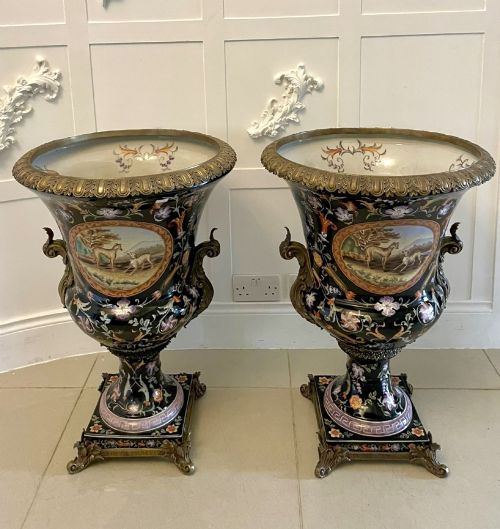
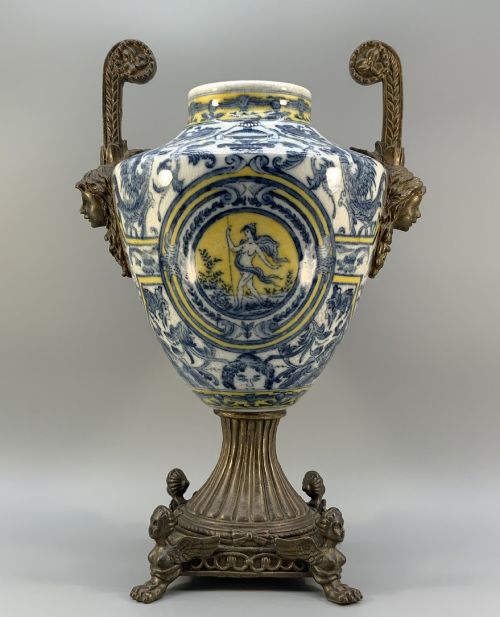
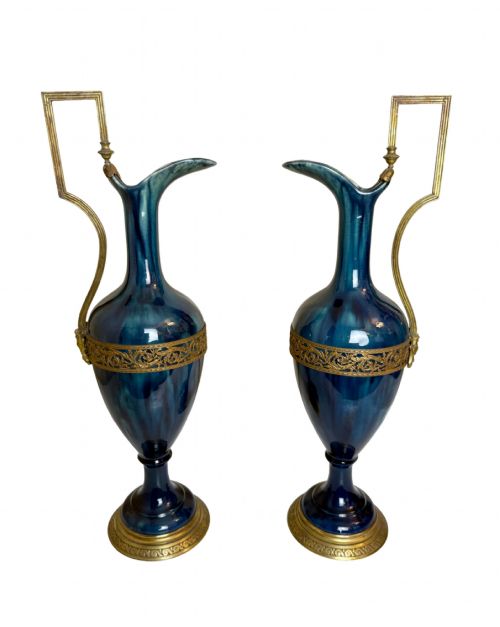
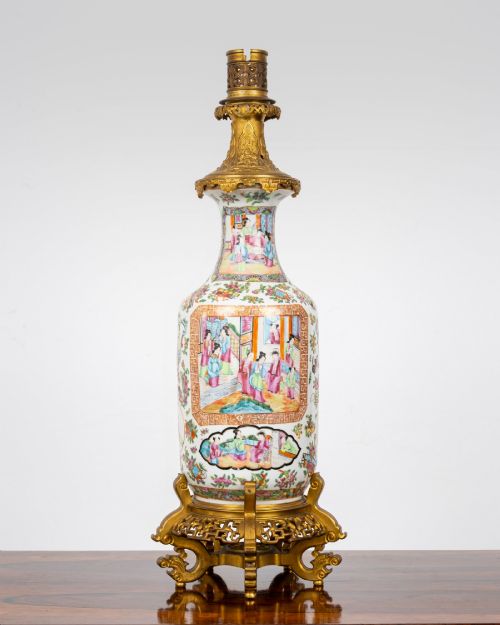
An ormolu mounted ceramic vase brings together refined porcelain bodies and cast gilt bronze trim to create decorative centrepieces for grand interiors.
Ormolu Mounted Ceramic Vase
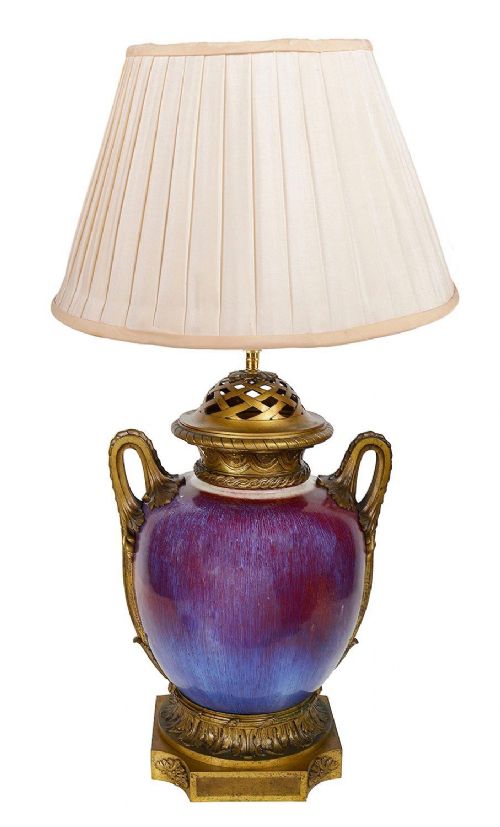
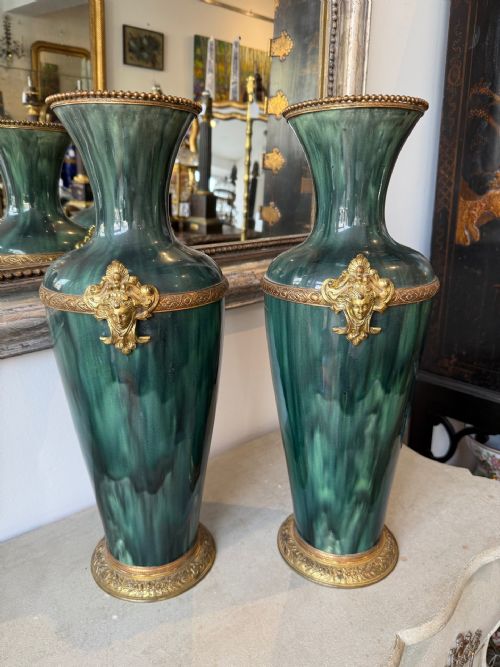
An ormolu mounted ceramic vase combines a fired pottery or porcelain vessel with cast metal mounts, uniting different artisan traditions into a single decorative object. These pieces appear frequently as table lamps, lidded garnitures, or classical mantel ornaments originating from European and Asian workshops.
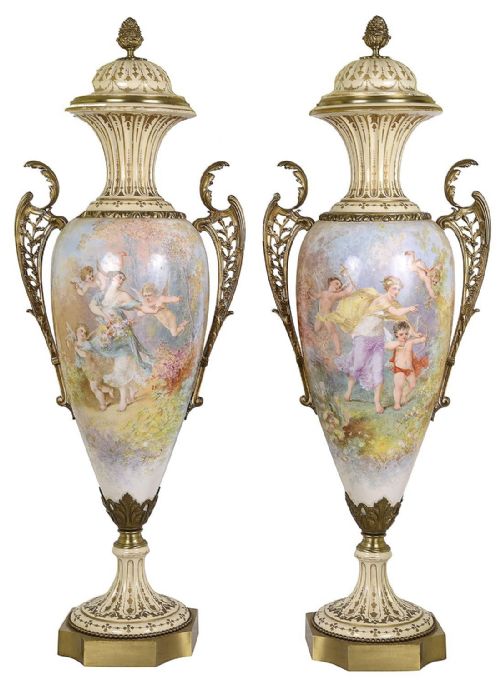
The version most commonly met on this page is the nineteenth century French Sevres style porcelain vase, often rendered in powder blue, bleu celeste, or pink glaze. These examples wear elaborate gilt bronze collars, bases, and handles reflecting revival aesthetics such as French Rococo and Neoclassical designs.
Beyond European porcelain, buyers frequently encounter imported Asian ceramics, including Chinese Sang du Boeuf, blue and white, and Cantonese wares fitted with European metal mounts. These cross-cultural pieces demonstrate a historical appetite for combining exotic pottery bodies with ornate western metalwork.
How they were made
Makers shaped the central vessels from porcelain, faience, or majolica, applying coloured glazes, enamel pigments, or pate-sur-pate decoration before high-temperature firing. Potters occasionally adapted antique or imported ceramic vessels specifically to receive new metal collars and stands.
Artisans produced the metal mounts by casting bronze or brass, then hand-chasing the surface details to sharpen the foliage, scrolls, or classical motifs. Guilds applied mercury gilding or modern electroplating to the bronze, creating the bright golden surface known as ormolu.
Workers secured the heavy metal mounts to the ceramic bodies using threaded metal rods, nuts, and plaster or adhesives, requiring precise engineering to avoid cracking the brittle pottery underneath during assembly.
Listings feature nineteenth-century French, Chinese, and Japanese ceramic bodies paired with gilt bronze, brass, and ormolu mounts across table lamp and urn forms.
What varies in quality
The crispness of the bronze chasing dictates the visual success of the metalwork, where shallow, soft casting indicates mass production while deeply carved, hand-finished foliage reveals superior workshop execution. The weight and thickness of the gilt bronze mounts also signal the investment put into the original commission.
Porcelain quality depends on the purity of the clay body, the evenness of the glaze application, and the artistic skill behind hand-painted enamel scenes or gilt highlights. Pieces produced in major imperial and national factories display finer detail in their painted panels than provincial or later revival imitations.
Proportion and harmony between the ceramic vessel and its metal mounts govern the overall elegance of the piece. Top-tier examples integrate the mounts so that the metal frames the ceramic naturally rather than masking poor pottery.
The Ormolu Mounted Ceramic Vase Glossary
- Ormolu
- Gilt bronze produced by applying a gold and mercury amalgam to cast bronze, or through modern electroplating methods. The technique creates a rich golden finish that resists tarnishing.
- Sevres style
- A design vocabulary imitating the hard-paste porcelain produced by the royal French manufactory. These objects typically feature rich ground colours, hand-painted panels, and heavy gilding.
- Garniture
- A set of three or more matching decorative vases or urns designed to sit together on a mantelpiece or cabinet top. They follow a graduated scale with a central vessel flanked by smaller matching pieces.
- Pate-sur-pate
- A ceramic decoration method where an artist builds up layers of liquid white porcelain slip on a dark, unfired body to create a low-relief cameo effect.
- Sang du boeuf
- A rich, deep red copper-glaze developed in Chinese kilns, often translated as ox-blood. Western makers prized these monochromatic vessels for luxury mountings.
Ormolu Mounted Ceramic Vase: Frequently Asked Questions
Were these always lamps?
Most pieces started life as decorative urns, mantel vases, or garniture sets intended purely for visual display in nineteenth-century drawing rooms. Artisans converted many of these vessels into table lamps later in their history by running electrical wiring through the central core.
Converted lamps frequently retain their original lidded forms, with wiring adapted to preserve the visual integrity of the ceramic and bronze ensemble.
How do I spot a reproduction?
Examine the casting quality of the bronze mounts, as modern reproductions often display smooth, featureless surfaces lacking hand-chased definition. Check the base and interior for signs of genuine age, such as oxidised metal, old plaster securing pins, and crazed ceramic glazes.
Nineteenth-century originals exhibit consistent wear patterns matching their age, whereas mass-produced modern copies often show uniform artificial ageing.
What is a garniture set?
A garniture set consists of multiple matching vases designed to be displayed together as a cohesive decorative arrangement on a mantel or sideboard. These sets typically include a taller central vase accompanied by a matching pair of smaller vessels.
Keeping a complete set intact represents a major survival, as individual pieces often became separated over generations.