

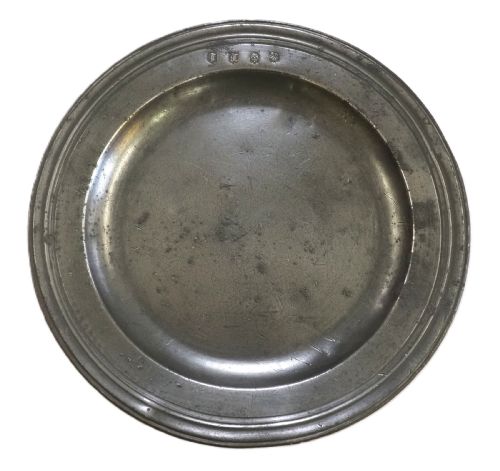


Metal Display Charger
A metal display charger turns a bare wall or sideboard into a focal point through scale and craftsmanship.
Metal Display Charger
A metal display charger is a broad decorative plate or platter intended for presentation rather than dining, ranging from seventeenth-century English pewter to nineteenth-century Japanese cloisonne enamel.
The selections available bring together heavy British pewter plates bearing touchmarks with intricate Japanese dragon and koi chargers from the Meiji and Edo periods.
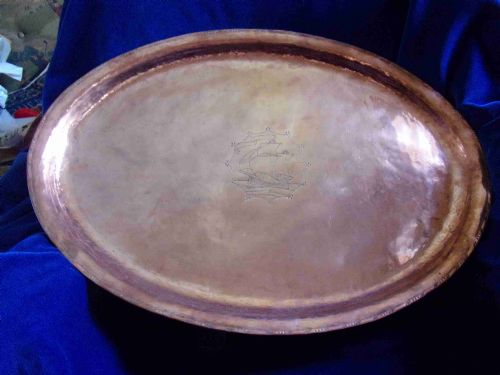
Buyers also encounter Arts and Crafts copper trays alongside repousse brass plaques and Indian shields, representing centuries of metalworking traditions.
How they were made
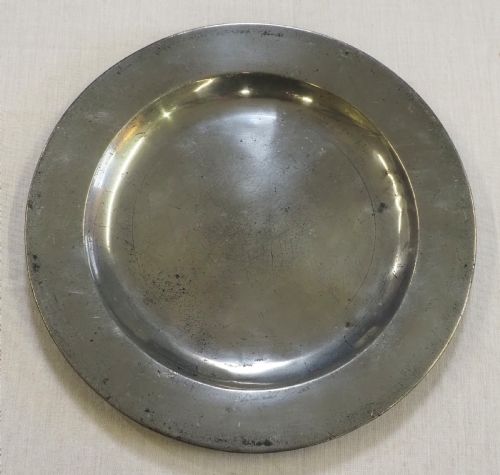
Pewter chargers were cast and hammered from tin alloys, featuring plain, broad, or triple reeded rims shaped by historic London makers.
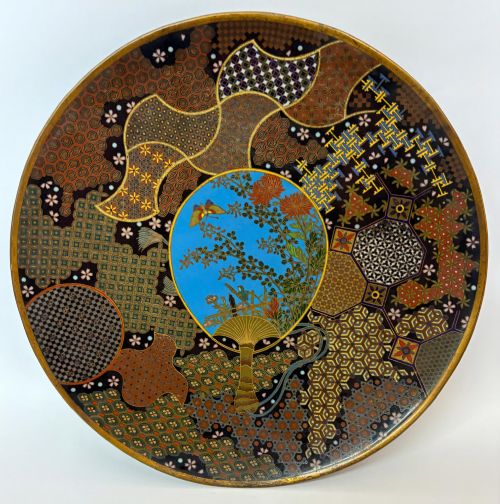
Cloisonne examples utilise fine wire soldered to a metal base to form cells, which are then filled with coloured enamel and fired multiple times before polishing.
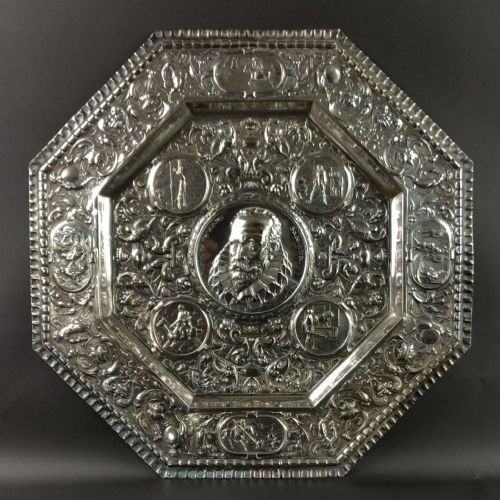
Copper and brass pieces rely on repousse and engraving techniques, where artisans hammered the metal from the reverse to raise detailed figures and foliage.
A solitary frog occasionally observes a leaping koi across Japanese enamel workshops.
What varies in quality
The distinction between standard domestic wares and superior display pieces lies in the crispness of the chasing, the depth of the repousse relief, and the complexity of the design.
In cloisonne work, quality shows in the density and precision of the wirework and the absence of flaws within the coloured enamel fields.
Pewter quality is judged by the weight of the metal, the clarity of touchmarks, and the retention of the original hammered surface texture.
Richard King·John Tubb·Hugh Wallis·Thomas Alderson·Thomas Templeman·Lawrence Dyer·Thomas Haward·Thomas Powell·Nehemiah Cloudesley
The Metal Display Charger Glossary
- Charger
- A large ornamental plate or platter designed for display or ceremonial service rather than everyday dining.
- Repousse
- A metalworking technique where the artisan hammers the design from the reverse side to form a raised relief on the front.
- Cloisonne
- An enamelwork method using thin metal wires to create bordered compartments filled with vitreous paste before firing.
- Touchmark
- A small stamp or hallmark impressed into pewter by the maker or guild to guarantee the quality of the metal alloy.
- Totai Shippo
- A Japanese technique applying cloisonne enamel directly onto a porcelain body rather than a metal base.
Metal Display Charger: Frequently Asked Questions
How were metal chargers used historically?
These large plates originally served grand dining tables for carving or presenting courses before transitioning to decorative wall hanging and sideboard display.
Heavier examples in pewter and brass often doubled as family heirlooms, stamped with personal crests or initials to mark lineage.
What is the difference between pewter and brass chargers?
Pewter is a soft grey tin alloy favoured in seventeenth and eighteenth-century Britain for its subtle lustre and formal rim designs.
Brass and copper offer warmer golden or reddish tones, often featuring detailed engraved foliage or raised figures from the Arts and Crafts movement or Asian export markets.
How do I date a Japanese cloisonne charger?
Pieces attributed to the late Edo period and Meiji period typically display meticulous wirework and naturalistic subjects such as koi, dragons, and chrysanthemums.
Signed chargers often carry workshop markers from the late nineteenth century when Japanese metalwork achieved international acclaim at world exhibitions.