




Meiji Satsuma Ceramic Vase
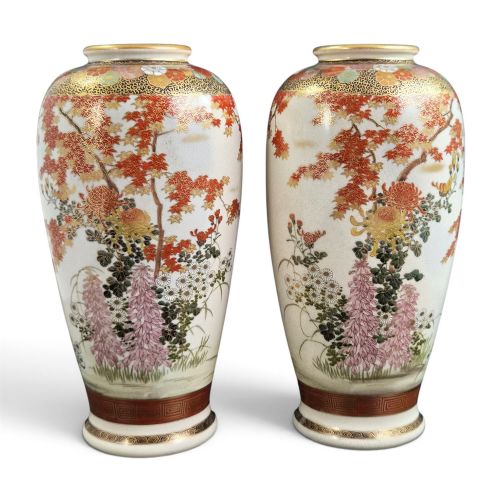
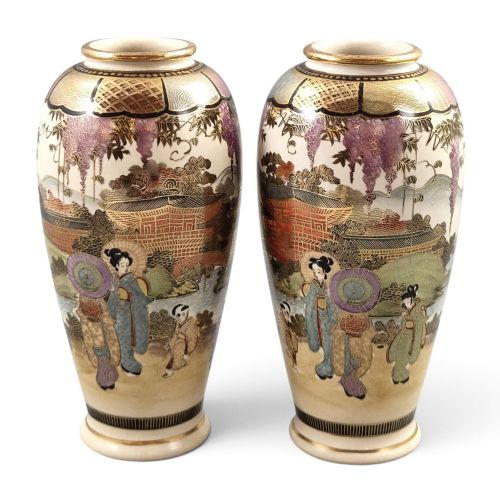
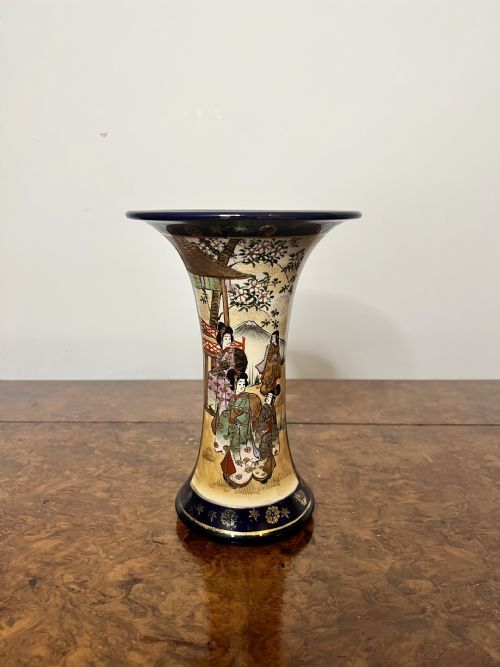
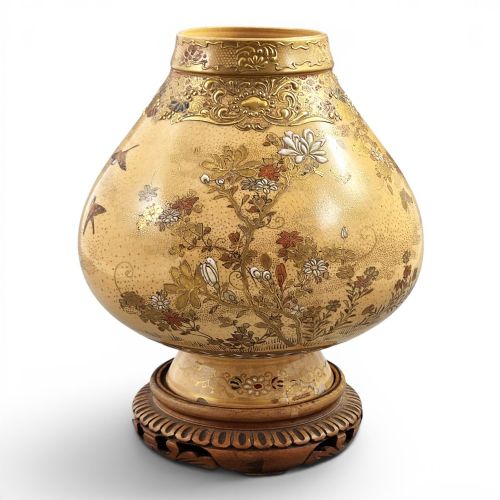
These meiji satsuma ceramic vase pieces are intricate Japanese earthenware vessels adorned with enamel and gilt that bring rich figurative detail into a room.
Meiji Satsuma Ceramic Vase
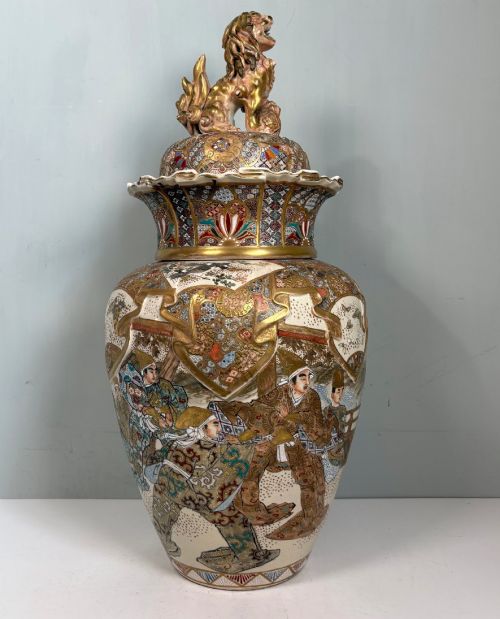
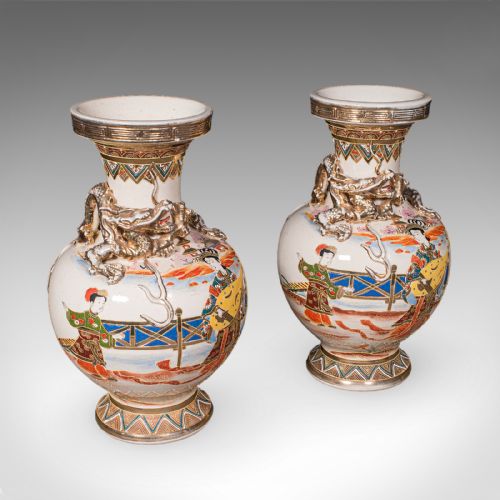
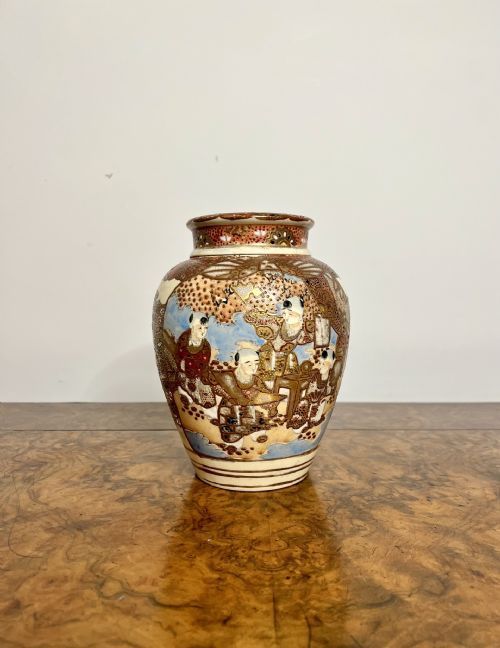
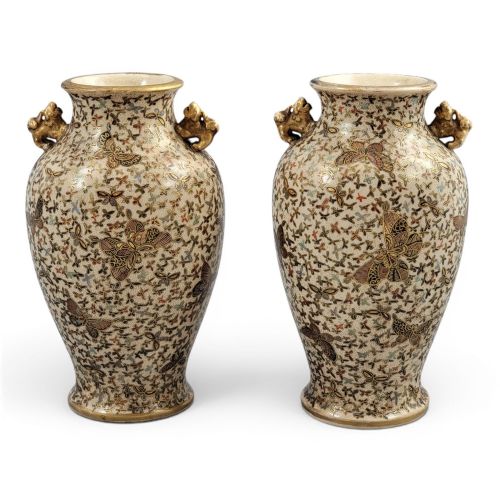
A meiji satsuma ceramic vase is typically encountered as baluster vessels, ginger jars, or garnitures originating from the late nineteenth and early twentieth centuries. These works frequently display traditional Japanese motifs, court figures, landscapes, or thousand butterflies patterns created during the Meiji period.
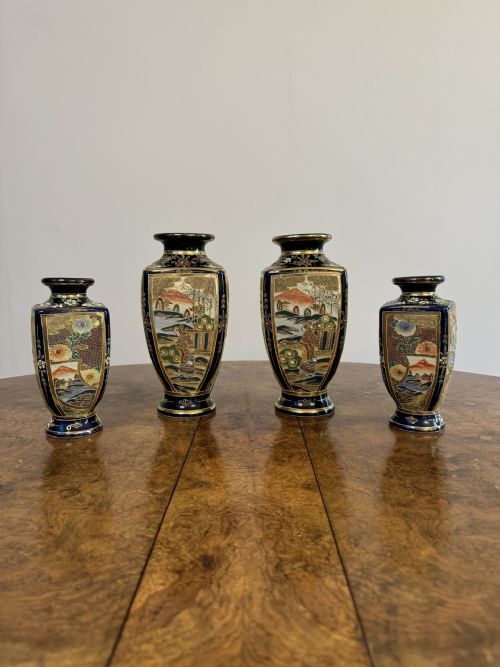
Makers and workshops of this era produced diverse forms, including hexagonal shapes and miniature vases alongside monumental exhibition pieces. Many examples from this selection date across the Meiji, Taisho, and Edwardian periods, reflecting an era of international export and refined ceramic production.
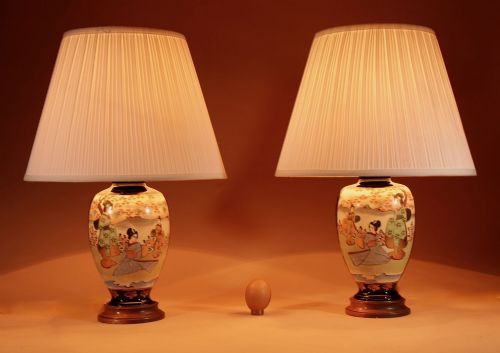
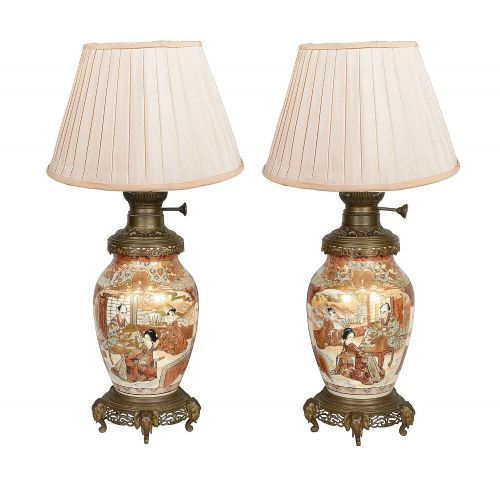
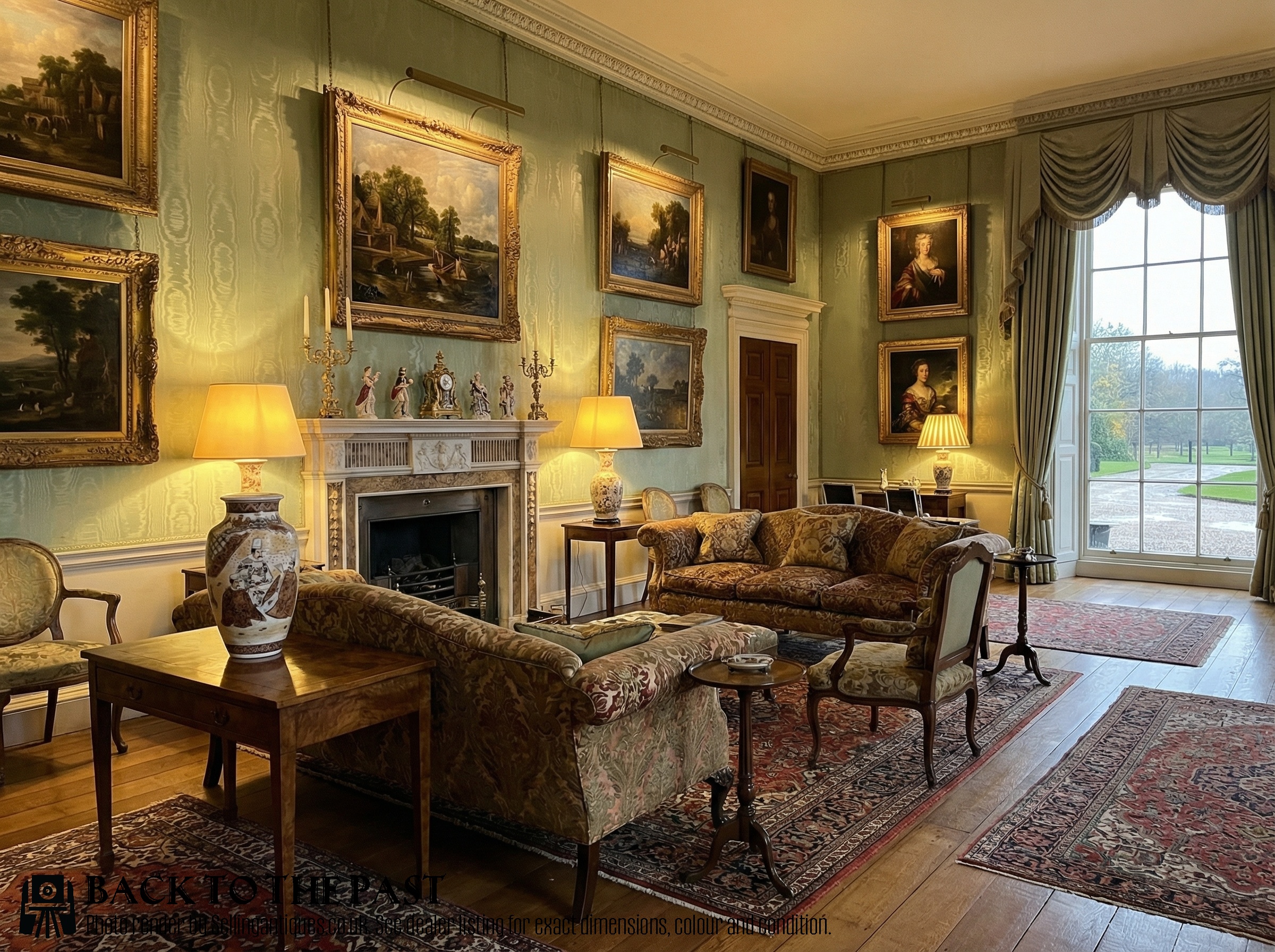
Buyers also encounter these ceramic forms adapted into table lamps or paired with wooden stands and fabric elements. The category encompasses both small decorative items and large ornamental urns featuring distinctive crackle-glazed earthenware surfaces.
Materials and construction methods
The foundation of a meiji satsuma ceramic vase is porous earthenware covered in a characteristic ivory-coloured glaze that develops a fine network of crackles. Artisans painted these surfaces using dense enamel colours combined with gold leaf and raised moriage details.
Decoration involved meticulous hand-painting executed by specialised workshops in Kyoto and other centres. The application of gold gilt and precise enamel work created rich figural processions, floral displays, and mythological scenes across the ceramic body.
Listings feature items spanning the 19th century through the Edwardian period, utilising earthenware, enamel, gold leaf, and wood.
Quality and execution
Quality in a meiji satsuma ceramic vase rests upon the precision of the brushwork and the complexity of the enamel and gold leaf application. Finer pieces demonstrate exceptionally detailed facial expressions on court figures, intricate thousand butterflies patterns, and controlled use of cobalt grounds.
The reputation of the workshop or signature also distinguishes higher tiers of production. Pieces associated with established Kyoto makers like Kinkozan or Hododa exhibit superior control over the glaze, gilding depth, and overall compositional balance.
Maruni Kobe·Shozan·Kinkozan·Hotoda·Chosei·Nanzan·Yamashu·Choshuzan·Hakusan·Tagawa
The Meiji Satsuma Ceramic Vase Glossary
- Moriage
- A decorative technique using piped slip or enamel to create raised, three-dimensional designs on the ceramic surface. This method adds tactile relief to robes, florals, and borders.
- Baluster
- A vase form characterised by a rounded body that tapers toward the base and swells gracefully upward. It is one of the most common profiles found in Satsuma ware.
- Gilt
- Application of gold or gold leaf to highlight specific decorative elements such as borders, garments, and backgrounds. It catches the light and contrasts with the matte enamel colours.
- Koro
- A traditional Japanese incense burner, often featuring a tripod base and a pierced cover. These vessels frequently incorporate guardian lions on the lid.
- Mon
- A Japanese heraldic badge or family crest used to identify clans or makers. The Shimazu mon appears frequently on Satsuma pottery associated with the clan's domain.
Meiji Satsuma Ceramic Vase: Frequently Asked Questions
How do I care for Satsuma ceramics?
Dust these ceramic pieces gently with a soft, dry cloth to protect the delicate enamel and gold leaf decorations. Avoid using water, liquid cleaners, or abrasive materials that can harm the historic glaze.
Keep the vases away from direct sunlight and areas with high humidity to preserve the integrity of the earthenware and surface gilding over time.
Are these vases marked by the maker?
Many Satsuma pieces feature painted or impressed signatures on the base, identifying the artist, workshop, or studio responsible for the decoration. These marks often include family names or specific Kyoto workshop designations.
Some examples remain unmarked or bear signs that have worn down through handling and age. Examining the style and quality of the enamelwork helps determine the piece's origin when signatures are absent.
How were Satsuma vases originally used?
During the Meiji period, these decorative vessels were created largely for the Western export market as ornamental display pieces. They were designed to showcase Japanese artistic skill in drawing rooms and parlours.
Over time, some of these ceramic bodies were converted into table lamps while retaining their intricate hand-painted figurative and floral panels.
What is the difference between Satsuma and other ceramics?
Satsuma ware is specifically defined by its earthenware body and distinct ivory-coloured, crackled glaze that provides a canvas for polychrome enamels and gold. Unlike porcelain, the underlying clay is porous and softer.
The style evolved significantly during the Meiji period to satisfy international demand, incorporating dense pictorial scenes of figures, landscapes, and flora not typically found on earlier wares.