






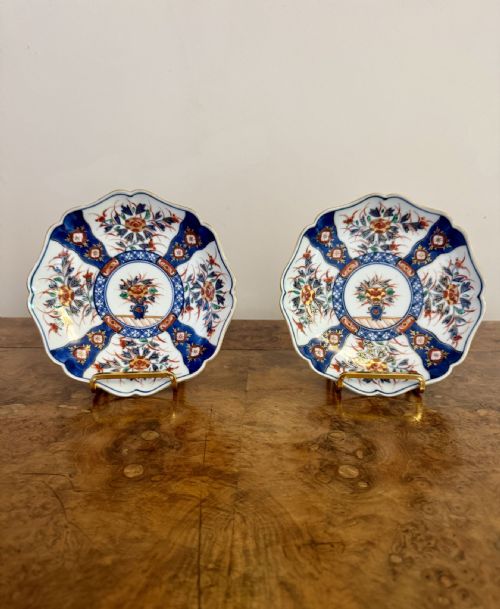
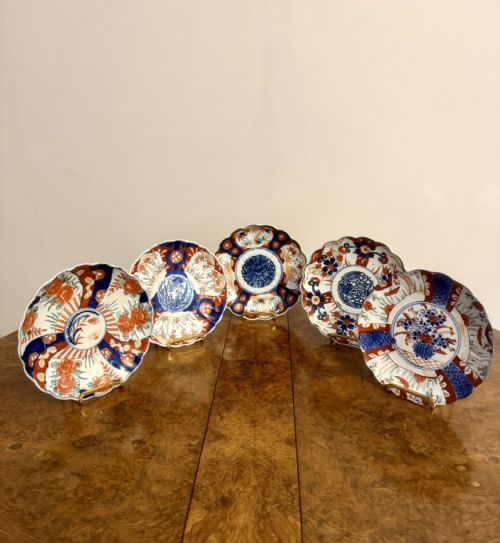
Meiji Porcelain Display Plate
These meiji porcelain display plate options bring rich hand-painted colour and intricate design from late nineteenth and early twentieth century Japanese workshops directly into your interior.
Meiji Porcelain Display Plate
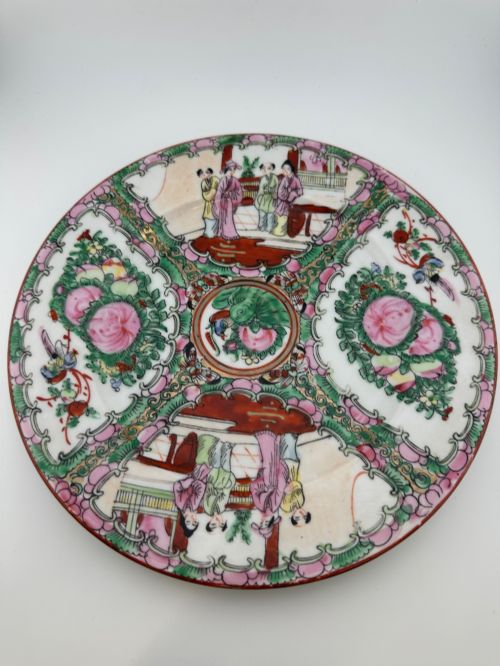
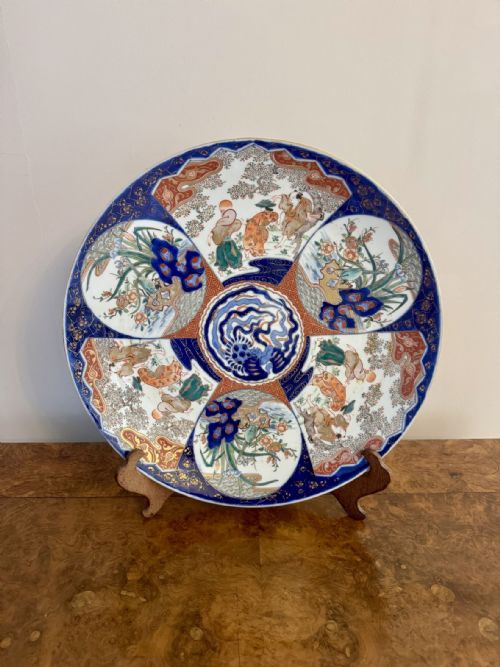
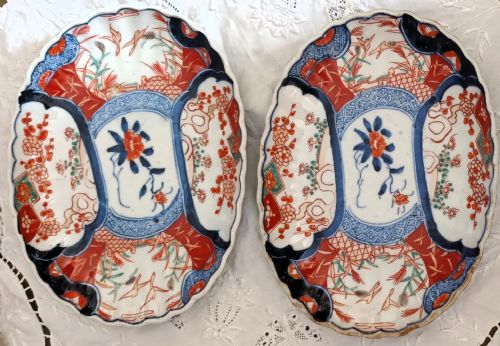
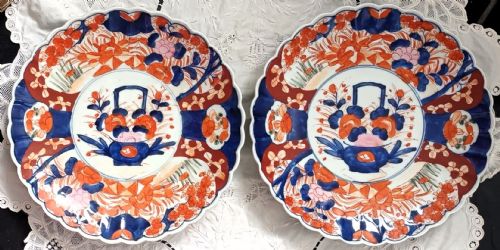
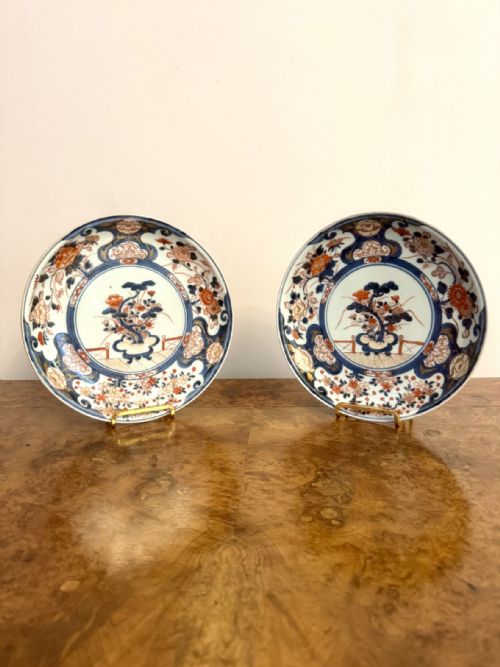
A meiji porcelain display plate brings together traditional Japanese ceramic forms and the decorative arts of the late nineteenth and early twentieth centuries. When searching for this phrase, you encounter substantial chargers, decorative dishes, and scalloped plates designed primarily for visual display rather than dining.
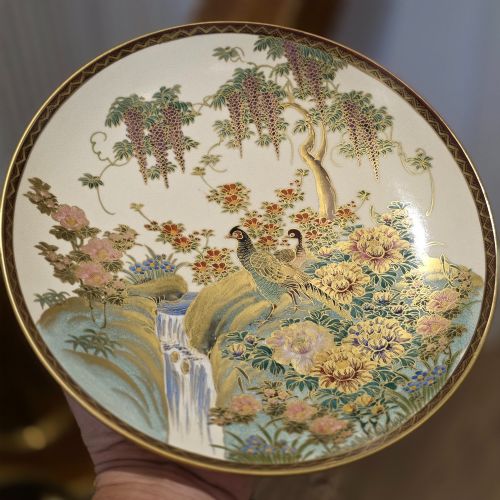
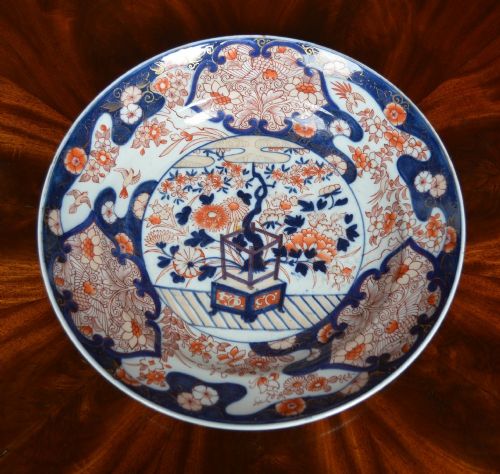
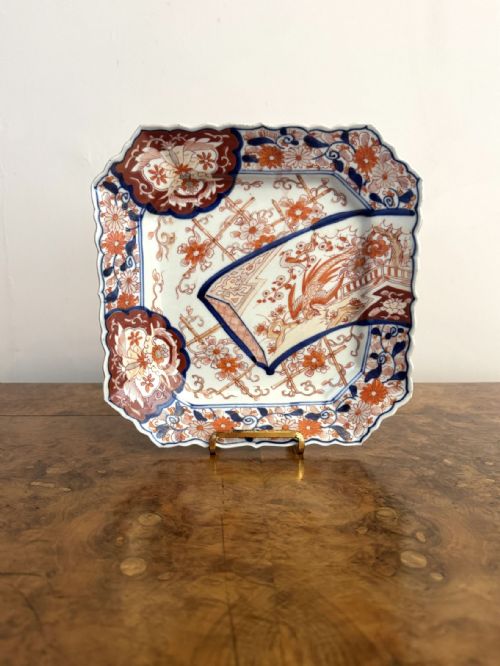
The pieces on this page heavily feature Japanese Imari styles, alongside Satsuma and Kutani wares produced during the Meiji period and subsequent transition years. You will find both single display items and matched pairs or sets decorated with floral motifs, exotic birds, and depictions of the Seven Lucky Gods.
The physical format ranges from standard circular plates to large chargers and unusual square-shaped vessels. Dating predominantly from the 1880s through to 1920, these objects reflect the prolific output of Japanese kilns during an era of significant international export.
Materials and production techniques
The foundation of every meiji porcelain display plate is ceramic porcelain or earthenware, shaped by hand or mould before firing. Artisans then applied detailed hand-painted designs using mineral pigments and cobalt blue glazes.
Many examples incorporate rich applications of gold leaf, gilt, and enamel to highlight specific elements of the pictorial scenes. Specialised variations like Totai Shippo combine porcelain bases with cloisonne enamel decoration mimicking tree bark textures.
Some chargers feature imitation tree bark rendered entirely in cloisonne enamel on porcelain.
Understanding quality differences
The distinction between standard production and top tier examples lies in the precision of the hand-painted brushwork and the complexity of the composition. Superior plates demonstrate exceptional control in fine line work, balanced use of gold leaf, and harmonious colour saturation across the surface.
Unusual structural forms, such as square-shaped edges or complex scalloped borders, require greater technical skill during the firing process and generally command higher regard. The depth of the glaze and the crispness of the underglaze blue further separate ordinary utilitarian export wares from exceptional decorative chargers.
Koshida
The Meiji Porcelain Display Plate Glossary
- Imari
- A traditional Japanese style of porcelain originating from the town of Arita, typically characterised by a palette of underglaze blue, iron red, and added gold gilt. It became immensely popular for export during the Meiji period.
- Charger
- A large decorative plate or dish intended for display on a wall, sideboard, or cabinet rather than for serving food at a table. These pieces often measure significantly wider than standard dining plates.
- Totai Shippo
- A specialised technique where cloisonne enamel is applied directly onto a ceramic or porcelain body rather than metal. This unusual method creates textured surfaces that resemble organic materials like tree bark.
- Satsuma
- A type of Japanese earthenware featuring a crackled ivory glaze decorated with intricate polychrome enamels and gilding. These items often portray figurative scenes and traditional motifs.
- Kutani
- A style of Japanese coloured porcelain and ceramic known for bold designs and vibrant enamel palettes, particularly greens, blues, yellows, and purples. Pieces are traditionally marked with the kiln or artist signature.
Meiji Porcelain Display Plate: Frequently Asked Questions
How do I identify a Meiji period piece?
Meiji period ceramics typically date between 1868 and 1912, aligning with the reign of the Emperor Meiji. Listings often confirm this era through specific stylistic traits, export marks, and transitional markers toward the Taisho period.
Examining the pigments, the characteristics of the glaze, and the hand-painted motifs helps distinguish these late nineteenth-century items from earlier Edo period wares or later twentieth-century reproductions.
What is the difference between Imari and Satsuma?
Imari ware is traditionally a true porcelain featuring a crisp white body with underglaze cobalt blue and vibrant iron-red and gold details. The visual effect is bright, glossy, and durable.
Satsuma ware utilises a porous earthenware body covered in a distinctive fine-crackled creamy glaze, decorated with matte enamels and heavy gilding. The tactile and visual feel is softer and more painterly than Imari.
How do I safely display a heavy charger?
Due to their considerable weight and diameter, large chargers require robust display stands with secure base support or professional wall-mounting hardware designed for ceramics. Ensure the weight is evenly distributed across the rim and base.
Keep display locations away from direct sunlight to preserve the vibrant enamel colours and gold leaf details over decades of enjoyment in your home.