







Oriental Porcelain Decor Plate
These oriental porcelain decor plate pieces are striking examples of traditional craftsmanship, prized for their vibrant palettes and intricate historical designs.
Oriental Porcelain Decor Plate
An oriental porcelain decor plate brings centuries of kiln tradition directly into a modern interior, offering rich colour and intricate pattern. When searching for an oriental porcelain decor plate, buyers encounter a selection spanning the late nineteenth century through to the early twentieth century.
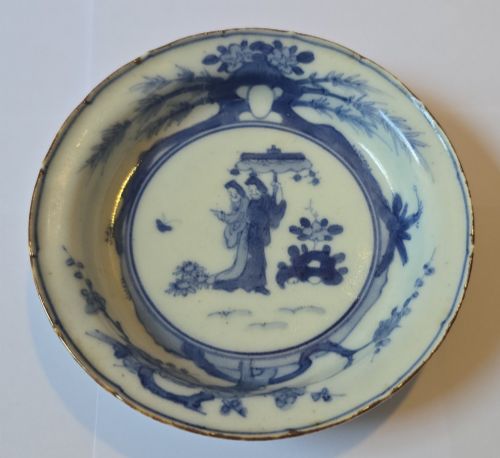
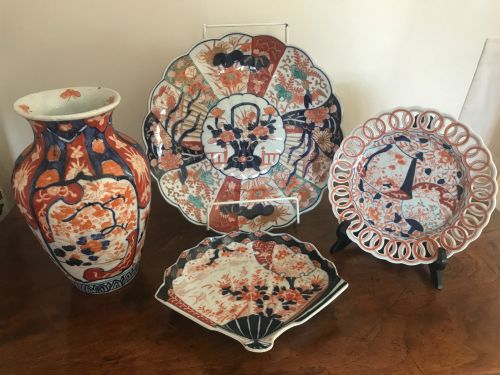
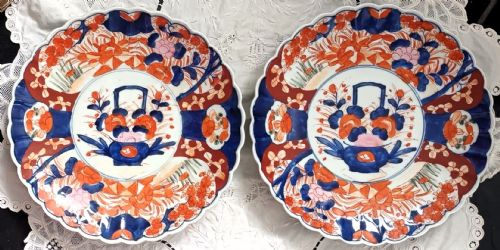
The inventory on this page consists predominantly of Japanese Imari wares alongside Chinese examples. Forms range from large chargers and wall plates to smaller dishes, bowls, and shell-shaped plates.
Originating largely from the Meiji and Qing periods, these items serve as both decorative focal points and tangible pieces of ceramic history.
How they were made
Makers shaped fine porcelain before applying cobalt underglaze details to the body. Firing set the base blue pigment firmly beneath the protective glass layer.
Artisans then added overglaze enamels in rich tones alongside gilt accents. Subsequent low-temperature firings bonded these surface colours to the ceramic glaze.
Oriental Porcelain Decor Plate Retail Price Guide 2026
Typical asking prices for oriental porcelain decor plate among the pieces listed under this phrase on Sellingantiques today, from the lower quarter to the upper quarter. They describe what is for sale here now, not the wider market.
Current listings feature porcelain works from the nineteenth century up to the 1920s, utilising enamel, gilt, and cobalt underglaze.
What varies in quality
The distinction between standard examples and superior pieces lies in the precision of the hand-painted brushwork and the complexity of the palette. Rich cobalt underglaze combined with crisp enamel and gilt details elevates a piece significantly.
Overall condition and the crispness of the moulded form, whether a standard round dish or an unusual shell shape, dictate the standing of an item within the range.
The Oriental Porcelain Decor Plate Glossary
- Charger
- A large decorative plate designed primarily for display rather than table service. These substantial vessels often showcase the most ambitious painted scenes.
- Imari
- A traditional style of Japanese porcelain featuring a distinct palette of cobalt blue, iron red, and gilt highlights. The style originated in the town of Arita and gained immense popularity in the West.
- Overglaze enamel
- Coloured glass paste applied to the already fired and glazed porcelain surface before a final low-temperature fix. This technique allows for vibrant reds, greens, and yellows.
- Cobalt underglaze
- A blue pigment applied directly to the raw porcelain body prior to glazing and high-temperature firing. The resulting decoration remains impervious to wear beneath the clear finish.
Oriental Porcelain Decor Plate: Frequently Asked Questions
How do I display a charger plate?
Charger plates are typically shown on sturdy wall brackets or supported on specialised plate stands on a mantel or cabinet. Their large scale makes them ideal as central focal points in a room.
Ensure the mounting hardware securely supports the weight of the porcelain without putting undue stress on the rim.
What is the difference between Imari and Famille Rose?
Imari porcelain relies on a characteristic palette of deep cobalt blue, iron red, and abundant gilt, frequently featuring geometric and floral panels. Famille Rose employs an opaque pink enamel alongside a softer pastel spectrum.
Both styles originated in the East and were heavily collected in Europe during the nineteenth century.
How do I clean antique porcelain?
Dust these decorative pieces gently with a soft, dry cloth to remove surface particles. Avoid submerging items with delicate overglaze enamel or gilt in water.
Harsh chemical cleaners will damage the historical surface decoration and diminish the finish.
How do I date these plates?
Dating relies on stylistic markers, the character of the ceramic body, and the specific pigments used in the enamel. Pieces from the Meiji period and the nineteenth century often display distinctive cobalt depths and hand-painted variations.
Comparing the potting style and glaze texture against known period examples helps establish an approximate timeframe.