






Meiji Porcelain Dishes
These meiji porcelain dishes bring hand-painted Japanese artistry to your home, offering decorative chargers, bowls and plates from the nineteenth and early twentieth centuries.
Meiji Porcelain Dishes
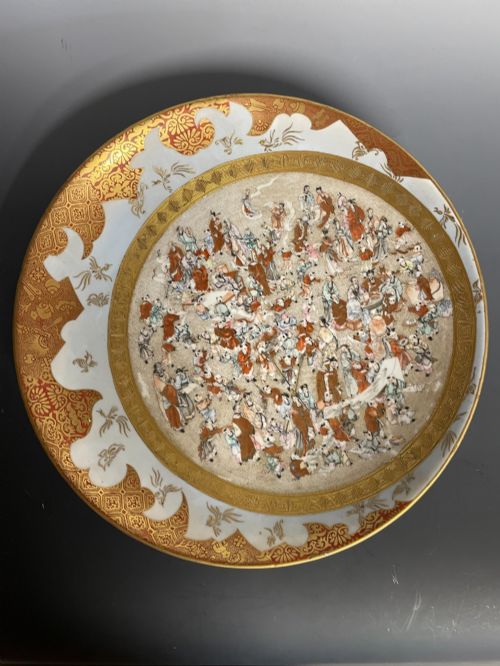
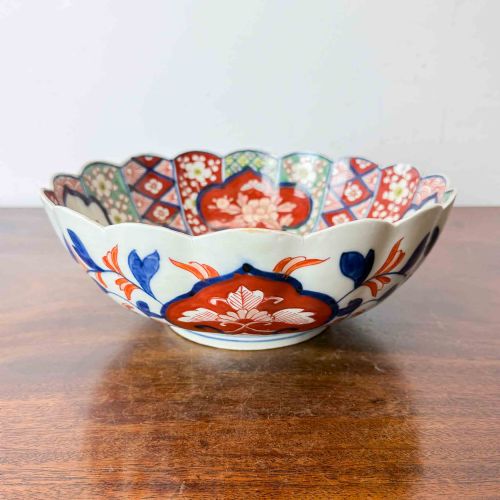
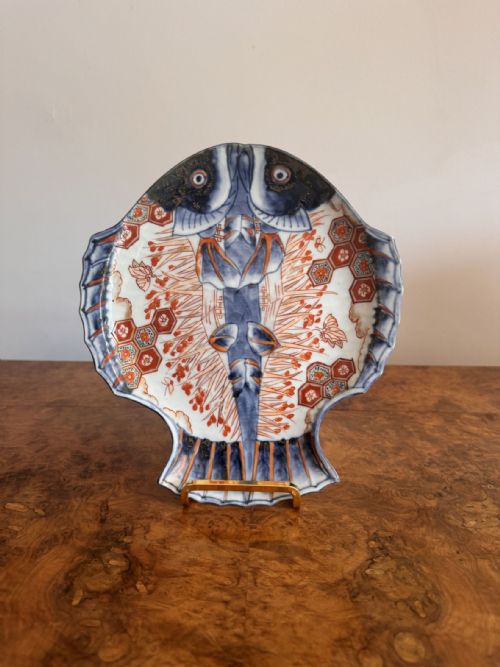
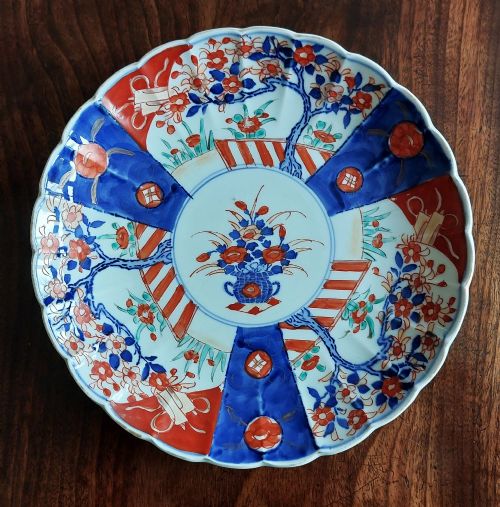
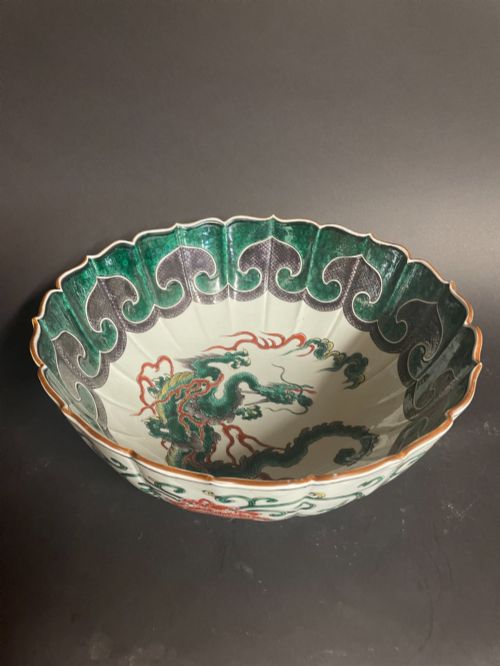
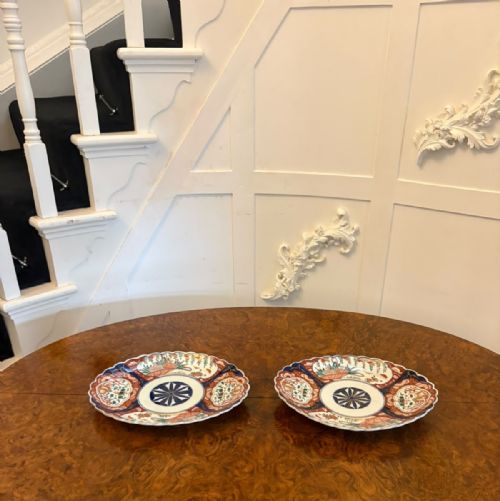
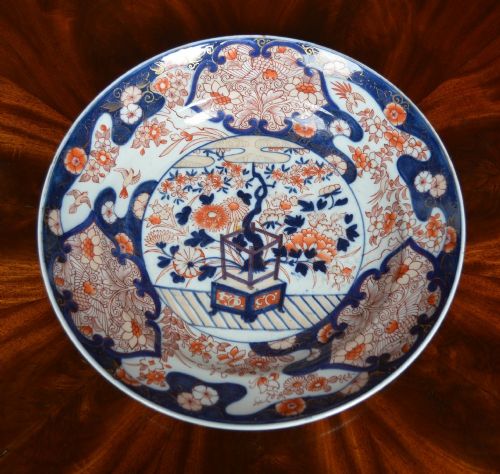
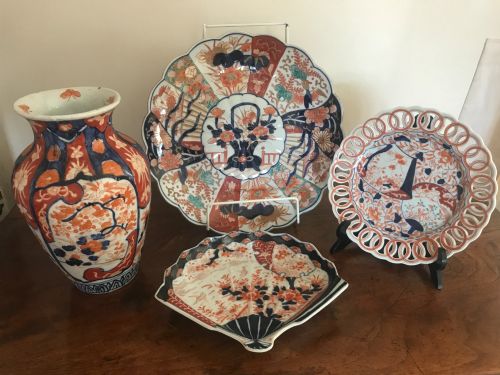
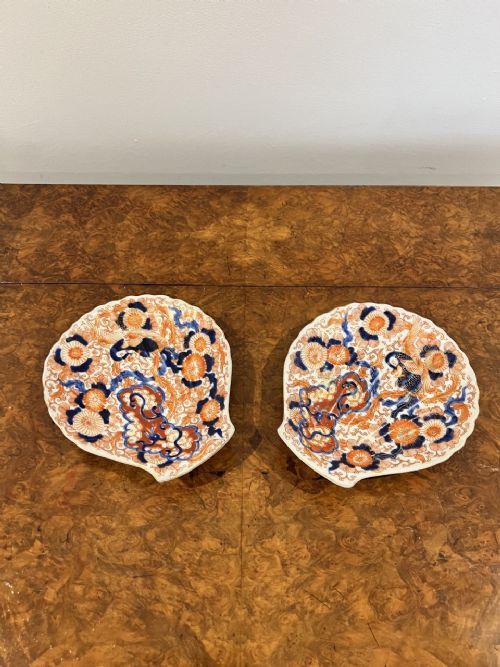
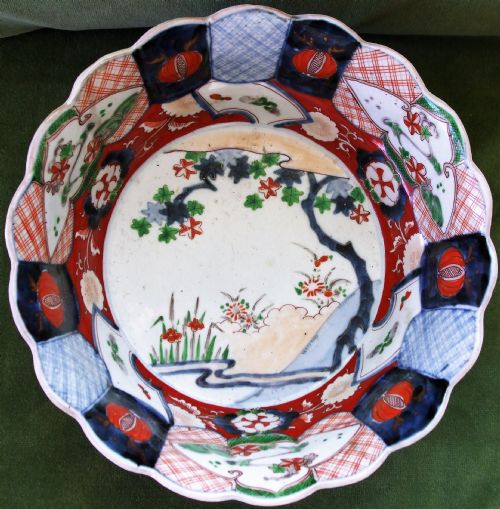
When you search for meiji porcelain dishes, you enter a field dominated by Japanese Imari and Satsuma wares produced during the nineteenth and early twentieth centuries. The items available include decorative plates, bowls, chargers and unusual shaped dishes featuring fish, shell and square forms.
The objects stem from distinct Japanese traditions such as Arita and Kutani, alongside pieces bearing signatures from makers like Gyokko and Kozan. Buyers meet items ranging from small bowls to large wall chargers created during the Meiji, Taisho and Victorian eras.
Most pieces function as decorative display items, carrying intricate floral, bird and landscape designs suited for wall mounting or cabinet display. The selection covers individual items as well as matched pairs and collections.
How they were made
The makers formed these pieces from porcelain and earthenware, applying glaze and enamel to create colourful surfaces. Many items incorporate gold leaf and gilding to highlight painted details on the ceramic body.
Decoration relied on hand-painted techniques, utilising blue and white pigments alongside rich enamels for floral and bird motifs. Techniques like moriage built up raised decorative relief on Satsuma wares, while wood components sometimes accompanied related items.
Form variations include scalloped edge bowls, square plates, oval dishes and fish-shaped porcelain.
What varies in quality
Quality rests upon the precision of the hand-painted brushwork and the clarity of the enamel and glaze application. Superior examples display crisp detail in complex bird and floral motifs, alongside balanced composition across the surface.
Unusual forms, such as fish or shell shapes and scalloped edges, separate standard production from finer output. Signed pieces by recognised makers also command attention through superior execution and refined finishing.
Koshida·Kozan
The Meiji Porcelain Dishes Glossary
- Imari
- A style of Japanese porcelain featuring distinctive blue, iron red and gold decoration. It originated in the town of Arita and became immensely popular in the West during the Meiji period.
- Satsuma
- A type of Japanese earthenware characterised by a ivory craquelure glaze and elaborate polychrome and gilt decoration. Many fine Satsuma bowls and chargers date from the late nineteenth century.
- Charger
- A large decorative plate intended for display on a wall or sideboard rather than for dining use. These pieces often showcase the most ambitious painting in a maker's repertoire.
- Moriage
- A decorative technique using slip trailing to build up raised relief patterns on ceramics. It appears frequently on Satsuma wares to accent floral and animal subjects.
- Kutani
- A style of Japanese coloured porcelain known for bold palettes and pictorial designs. Pieces from this tradition often depict figures, birds and natural scenes in rich enamels.
Meiji Porcelain Dishes: Frequently Asked Questions
How do I hang a charger safely?
Display chargers securely using specialised wall hangers fitted to the rim without damaging the ceramic body. Ensure the wall fixing supports the weight of large porcelain or earthenware pieces.
Keep display locations away from direct sunlight and heavy foot traffic to protect the enamel and gilding from accidental knocks.
What is the difference between Imari and Satsuma?
Imari pieces are made from porcelain with a palette centred on cobalt blue and iron red, often enhanced with gold leaf. They typically feature geometric and floral patterns.
Satsuma pieces utilise an earthenware body with a fine crackle glaze, decorated with detailed figurative or natural scenes in opaque enamels and gilt.
Are these dishes meant for food?
These antique decorative items serve primarily as display pieces for tables, cabinets and walls. Their historic glazes and delicate hand-painted enamel surfaces are best preserved away from daily dining use.
Gentle dusting with a dry cloth keeps the surface clean without risking wear to the gold leaf and pigments.
How can I tell the period?
Dating relies on stylistic markers, materials and occasional artist signatures associated with the Meiji era and late nineteenth century. Victorian-era records and import marks also provide clues to the production window.
Comparing the potting style, weight and glaze characteristics helps distinguish Meiji period output from later reproductions.