
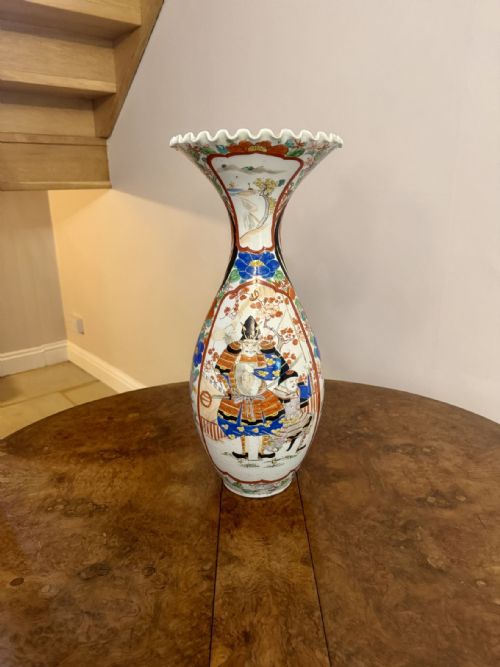
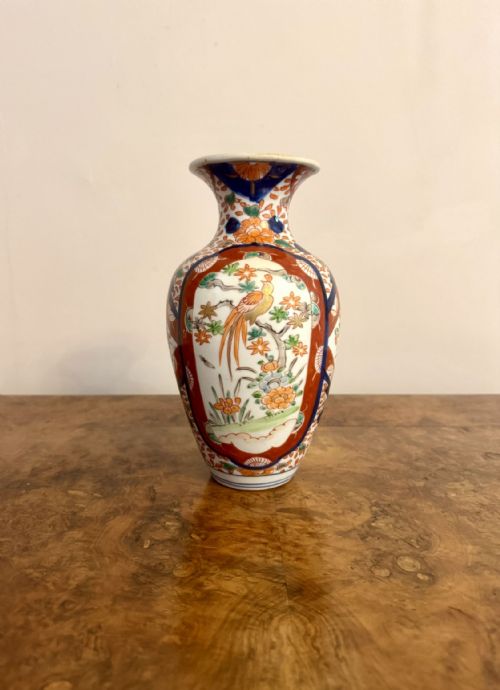


Meiji Period Imari Vases
These meiji period imari vases bring the rich palette of late nineteenth century Japan straight to your table.

Meiji Period Imari Vases
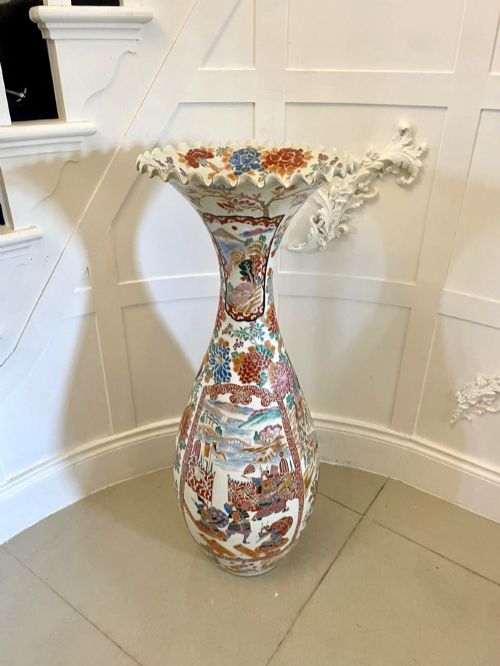
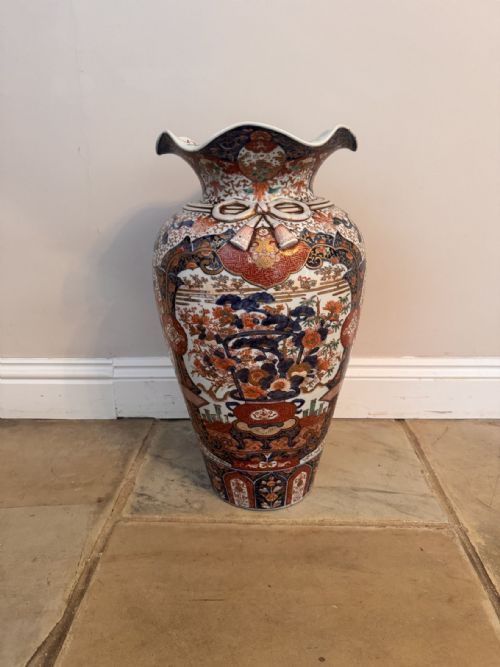
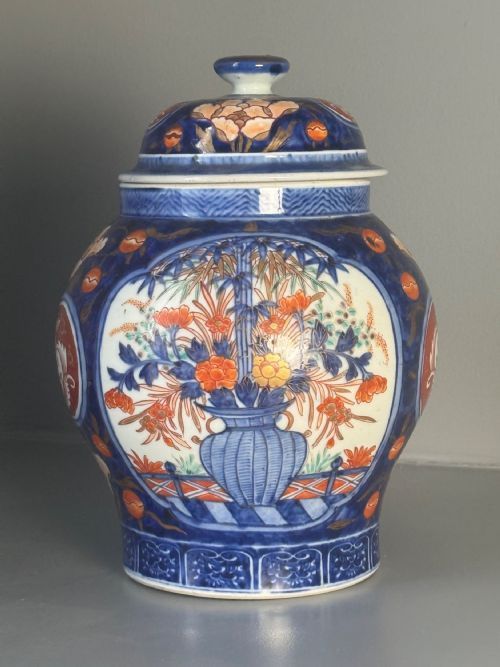
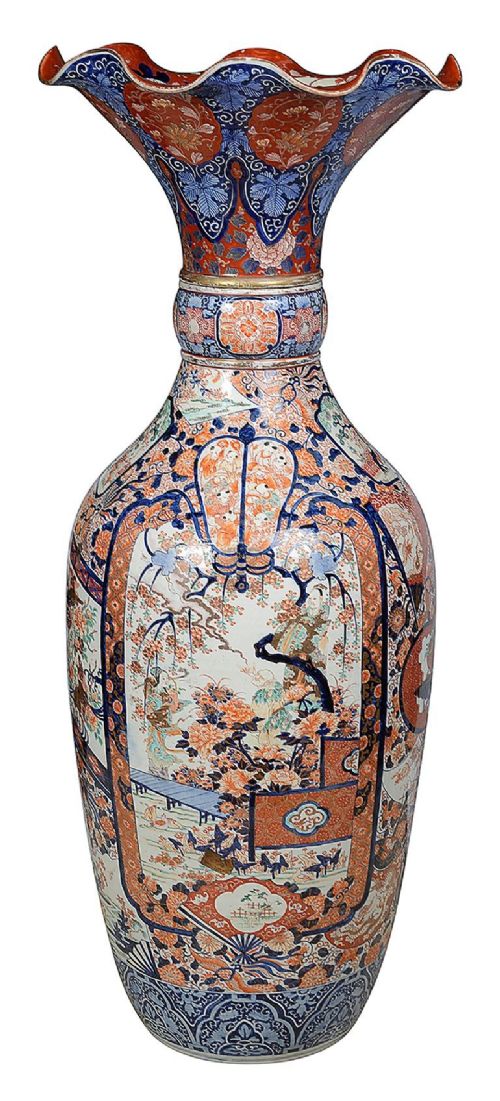
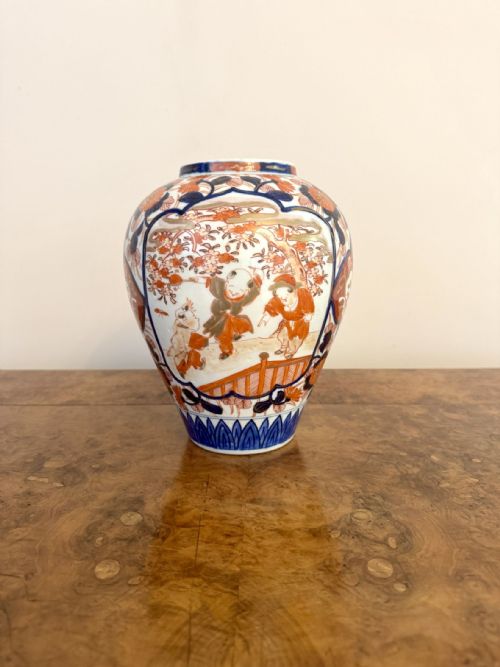
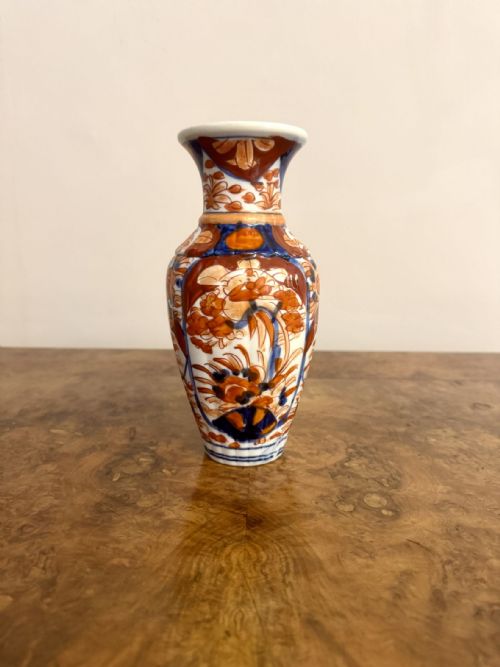
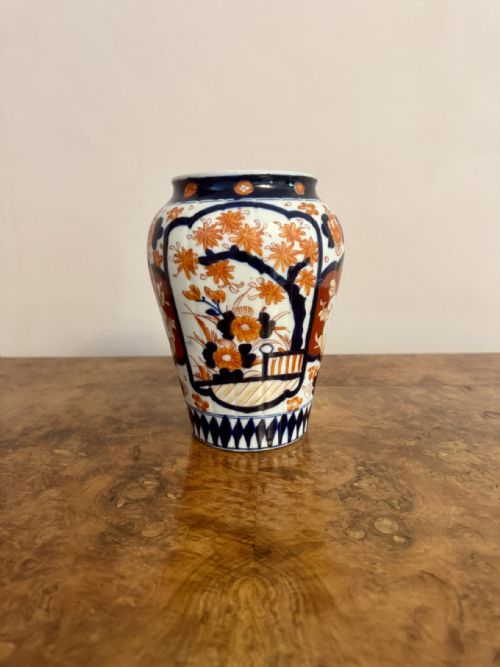
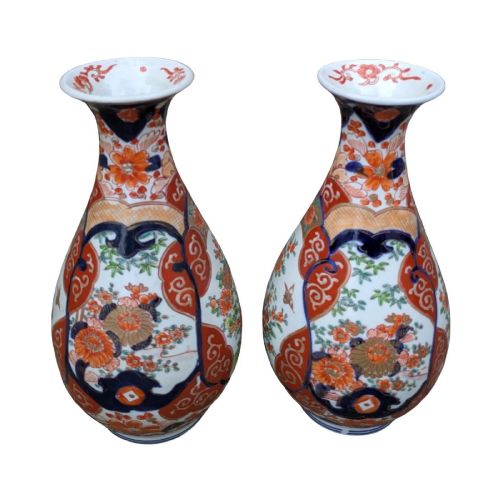
When you search for meiji period imari vases, you encounter pairs of decorative vessels originating from Japan during the nineteenth century and around the year nineteen hundred. These pieces take various forms including double gourde shapes, bottle shapes, fluted bodies, and lidded containers.
The selections span standard decorative vases as well as large formats reaching significant heights. Most examples reflect Japanese export styles alongside traditional Japanese imari aesthetics.
How they were made
The physical pieces rely fundamentally upon porcelain bodies shaped into distinct vessel forms. Artisans then applied detailed enamel decoration across the ceramic surfaces.
Many examples incorporate gold leaf or gilt details to highlight specific areas of the pattern. This combination of porcelain, enamel, and gold creates the characteristic appearance of these objects.
Meiji Period Imari Vases Retail Price Guide 2026
Typical asking prices for meiji period imari vases among the pieces listed under this phrase on Sellingantiques today, from the lower quarter to the upper quarter. They describe what is for sale here now, not the wider market.
Every listed piece utilises porcelain as its base material, combined with enamel and gold leaf or gilt.
What varies in quality
Differences across the range lie in the scale and execution of the forms, with larger formats and complex shapes like double gourde or lidded variants demonstrating greater ambition. The refinement of the painted enamels and the application of gold leaf further divide standard production from finer work.
The overall impact depends on the harmony between the porcelain body and the decorative scheme. Finer pairs maintain consistency across both vessels, whether matching closely or presenting as a coordinated harlequin set.
Koransha
The Meiji Period Imari Vases Glossary
- Imari
- A style of Japanese export porcelain characterised by a distinctive palette and decorative motifs. The tradition originated in Japan and travelled widely through international trade.
- Meiji Period
- The era in Japanese history spanning from eighteen sixty-eight to nineteen twelve. Pieces from this time often reflect the opening of trade with Western markets.
- Double Gourde
- A vessel shape formed by two rounded sections stacked one above the other, resembling a traditional dried fruit. This profile requires careful balance during the forming process.
- Gilt
- A thin layer of gold applied to the surface of the porcelain as part of the decoration. This technique adds metallic highlights to the painted enamel designs.
Meiji Period Imari Vases: Frequently Asked Questions
What shapes do these vases come in?
The available forms include bottle shapes, fluted bodies, and double gourde profiles. Lidded variants also appear frequently.
These diverse silhouettes reflect the varied output destined for export markets during the era.
How are covers usually matched?
Lidded examples include matching removable covers that complete the profile of the vessel. These lids share the same palette and enamel motifs as the body.
Such covered pieces function as self-contained decorative items.
What materials make up the surface?
The primary material is white porcelain decorated with colourful enamel paints. Many examples incorporate gold leaf or gilt to accent the patterns.
This combination produces a rich, reflective finish.
How do pairs differ from singles?
Nearly all examples survive as matching pairs or coordinated sets rather than isolated pieces. Harlequin pairs also occur, showing slight variations while remaining complementary.
Symmetrical placement relies on these balanced pairings.