



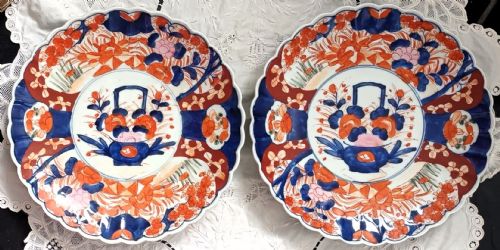
Meiji Ceramic Pair
A meiji ceramic pair brings balanced symmetry and meticulous hand-painting from late nineteenth and early twentieth-century Japan into any interior.

Meiji Ceramic Pair
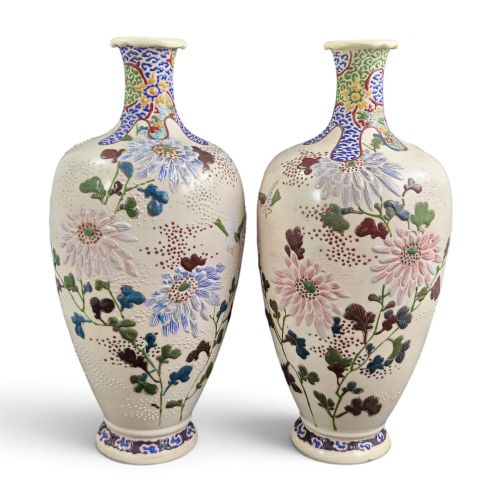
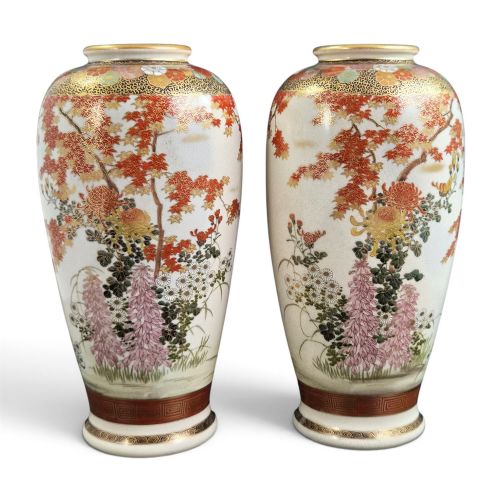
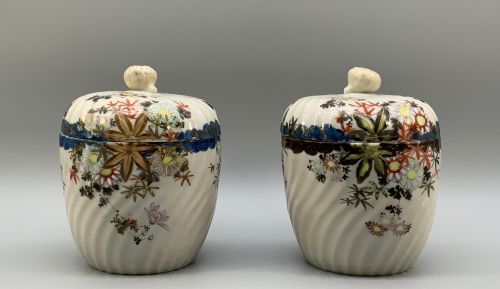
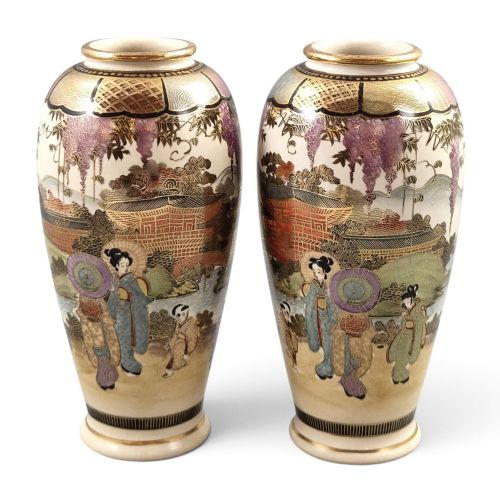
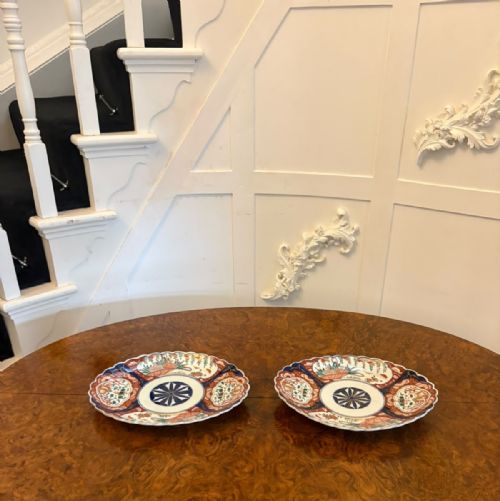
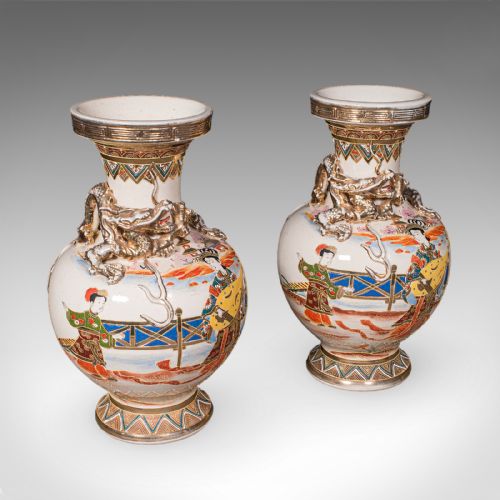
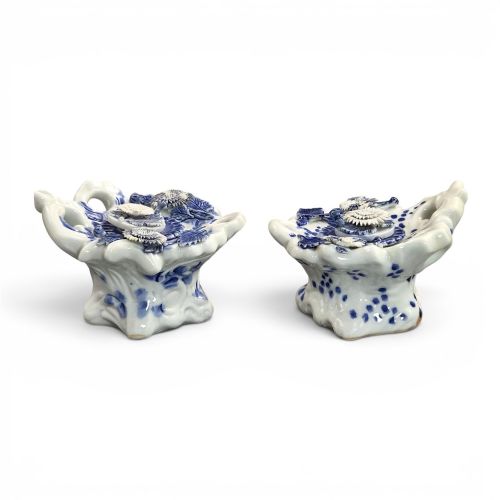
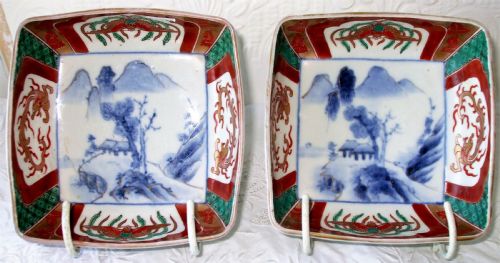
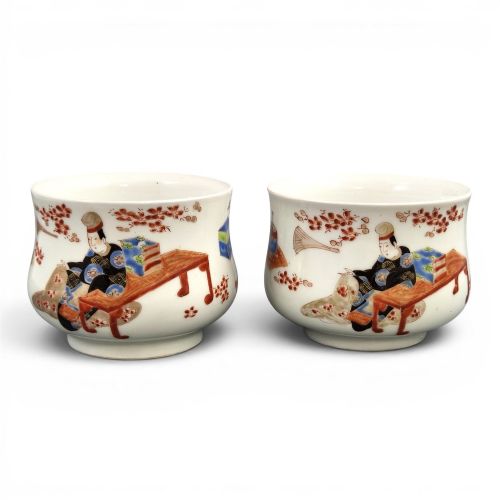
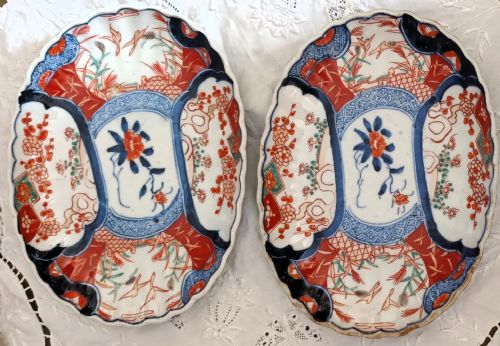
A meiji ceramic pair consists of matched vessels, plates, or lamps created during the Meiji period and adjacent late nineteenth to early twentieth-century decades. These symmetrical duplicates include Imari porcelain chargers, Satsuma earthenware vases decorated with figures, and lidded jars designed for display.
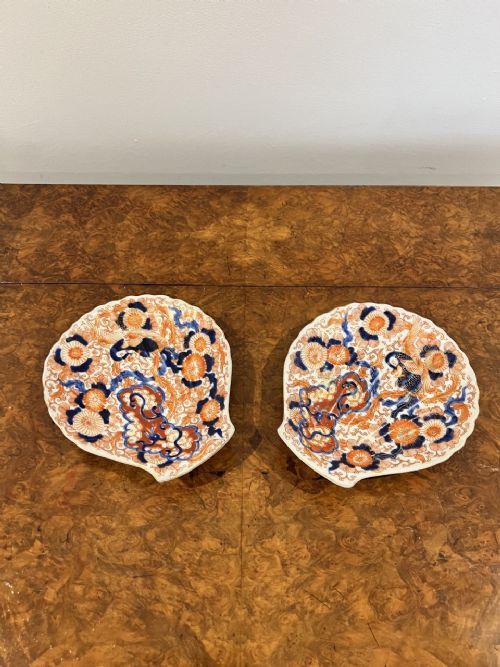
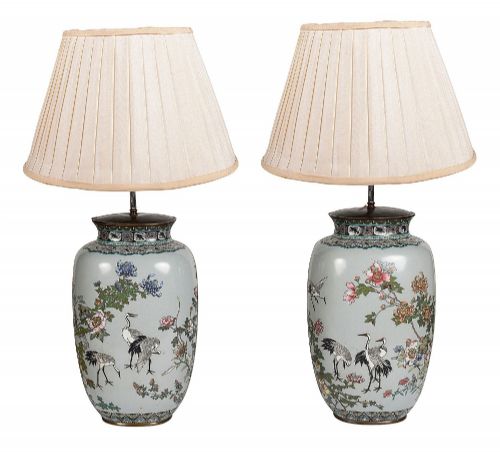
The selections on this page span diverse forms such as double gourd vases, scalloped dishes, hexagonal bowls, and table lamps converted for modern utility. They reflect the output of prominent Japanese kilns and workshops exported during an era of significant international trade.
How they were made
Potters shaped porcelain and earthenware on the wheel or in moulds before applying underglaze blue, polychrome enamel, and rich gilt details. Many pieces combine intricate hand-painted floral motifs or figural scenes with raised enamel work and gold leaf.
Specialised workshops also utilised cloisonné enamel techniques on metal bases and incorporated carved wood elements or original porcelain stands to complete larger display items.
Listings span the nineteenth and twentieth centuries, uniting porcelain, earthenware, enamel, and gold leaf across Imari and Satsuma styles.
What varies in quality
The refinement of the brushwork and the precision of the enamel application distinguish exceptional examples from standard production. Artisans at prominent Kyoto and regional potteries achieved greater depth in their palettes and sharper definition in complex scenes depicting figures, birds, and deities.
Symmetry and balance within the matching pair, alongside the preservation of original gilding and glaze integrity, determine the standing of individual items across these stylistic categories.
Maruni Kobe·Shozan·Ginshōtei Gyokushi·Kinkōzan·Kinzan·Hododa·Kato Sanhei·Makuzu Kozan II
The Meiji Ceramic Pair Glossary
- Imari
- A style of Japanese porcelain featuring underglaze blue and overglaze red, green, and gold decoration. These wares were heavily produced in Arita for both domestic use and Western export.
- Satsuma
- A type of Japanese earthenware characterised by a pale, ivory-coloured crackle glaze. It typically serves as a canvas for elaborate polychrome and gilt enamel painting.
- Meiji Period
- The era in Japanese history spanning from 1868 to 1912, marked by rapid modernisation and the widespread international export of decorative arts.
- Charger
- A large decorative plate intended for display on a wall or sideboard rather than for serving food. These pieces often showcase the most ambitious painting in a maker's repertoire.
- Japonisme
- The influence of Japanese art and design on Western aesthetics during the late nineteenth century. This movement shaped European interior decoration and collecting habits.
Meiji Ceramic Pair: Frequently Asked Questions
How are matching pairs displayed?
Matched vessels sit naturally on either side of a mantelpiece, console table, or architectural focal point to create visual balance.
Larger chargers and decorative plates utilise specialist wall brackets or stands to display their intricate painted surfaces securely.
Were these pieces made for export?
Many objects from this era were specifically produced for Western markets following the reopening of international trade routes during the late nineteenth century.
Potters combined traditional Japanese motifs with decorative formats that appealed to European and American collectors.
How do Imari and Satsuma differ?
Imari wares consist of hard porcelain decorated in deep underglaze blues combined with vibrant red and gold enamel overglaze.
Satsuma pieces utilise a softer earthenware body covered in a fine crackle glaze that supports dense figural and botanical painting.
Can antique lamps be rewired safely?
Many ceramic bases were adapted into lighting during the twentieth century and benefit from professional electrical inspection.
Modern rewiring preserves the original body of the vase or jar while ensuring compliance with current safety standards.