


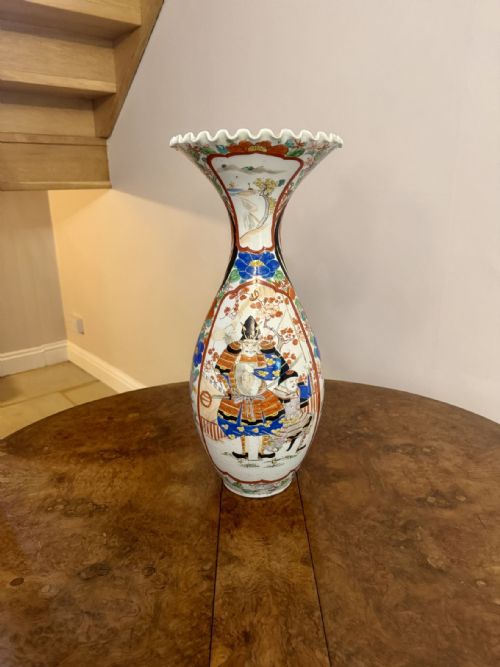
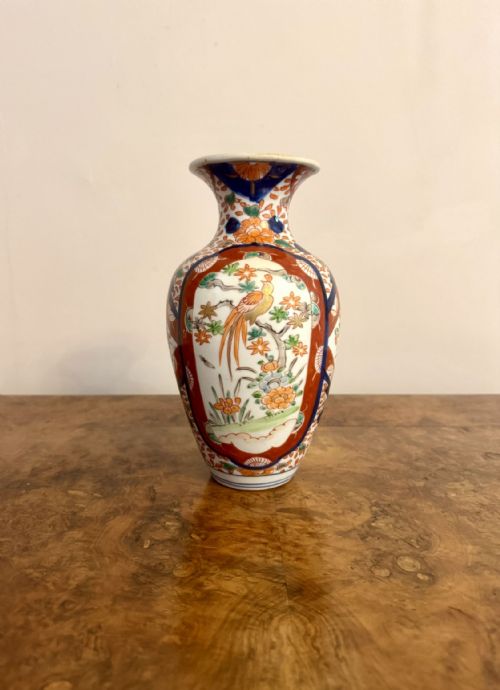
Orange Porcelain Vase
An orange porcelain vase brings warmth and striking colour to a room, drawing the eye instantly to its rich glaze and painted details.
Orange Porcelain Vase
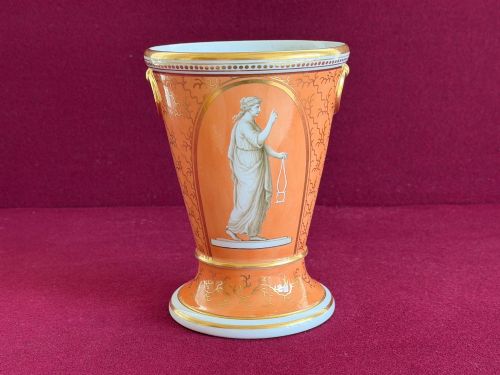
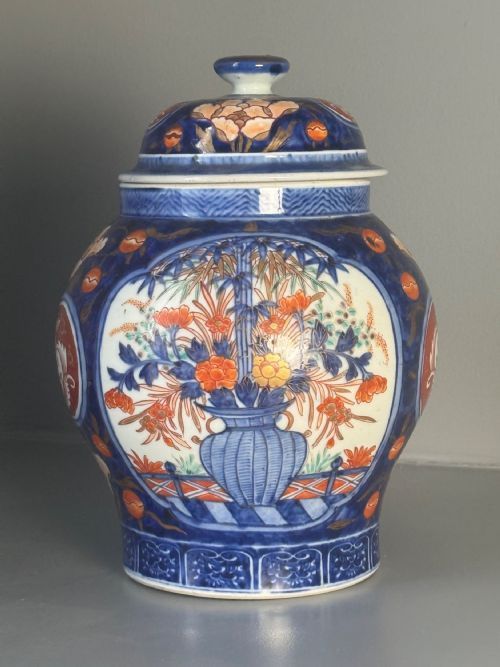
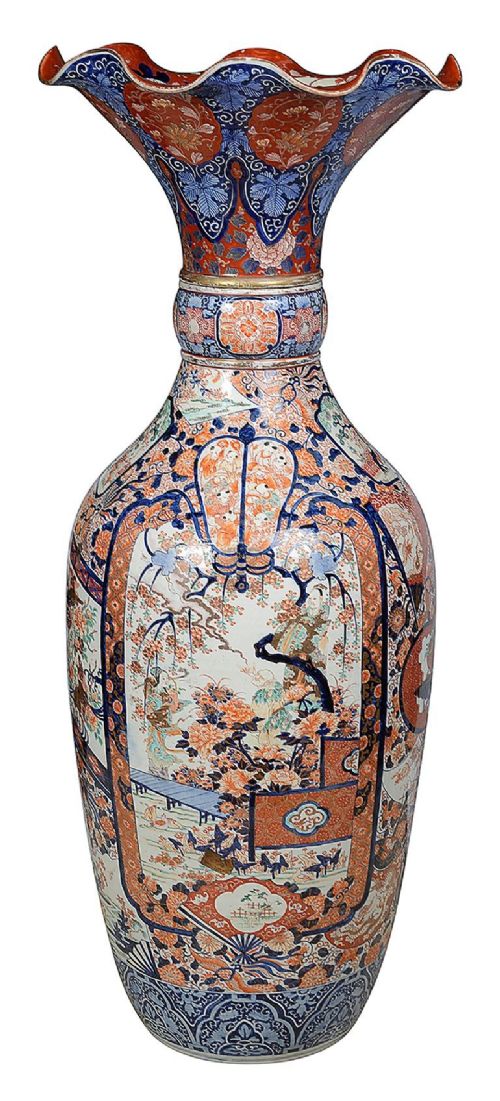
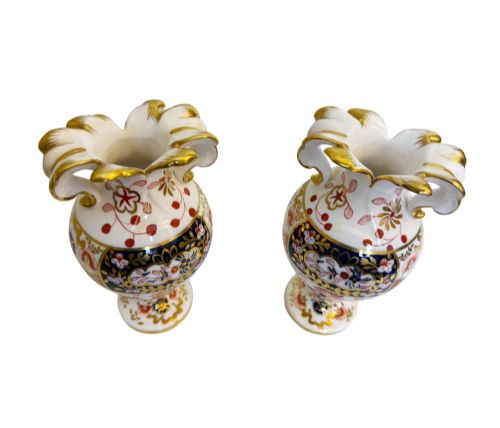
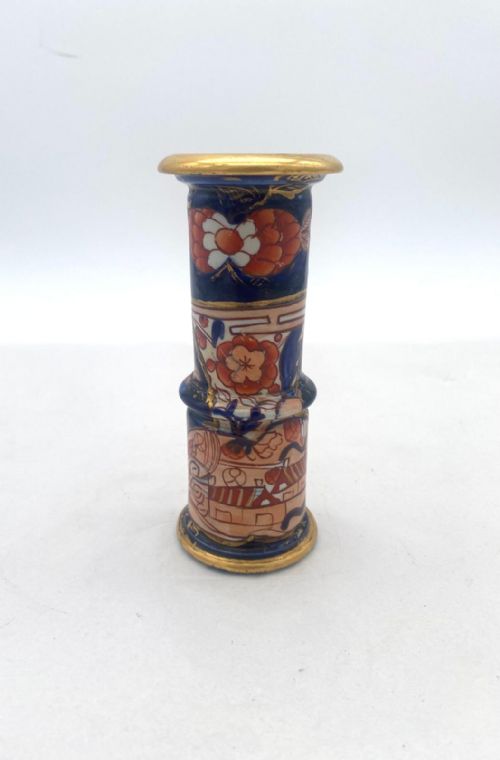
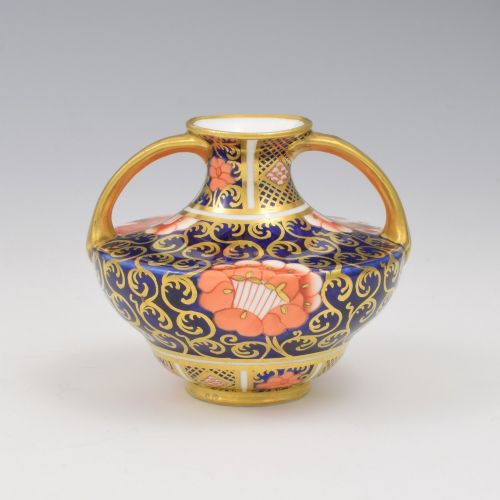
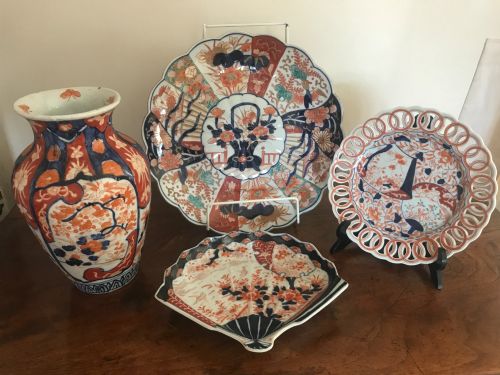
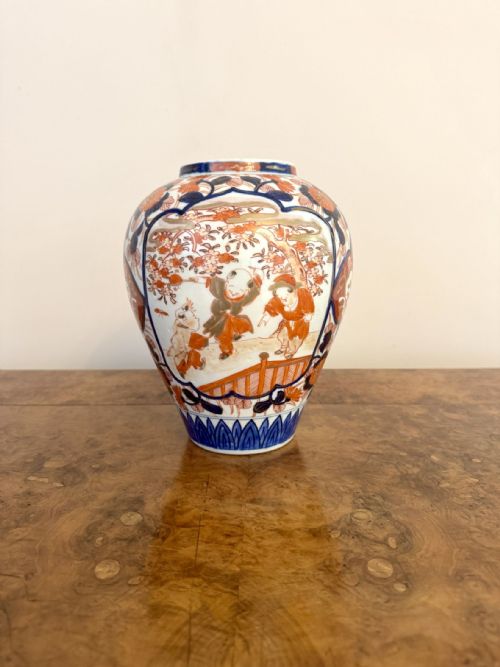
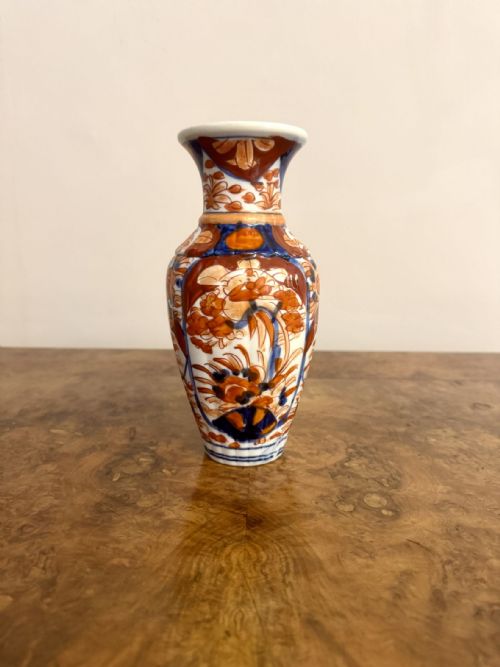
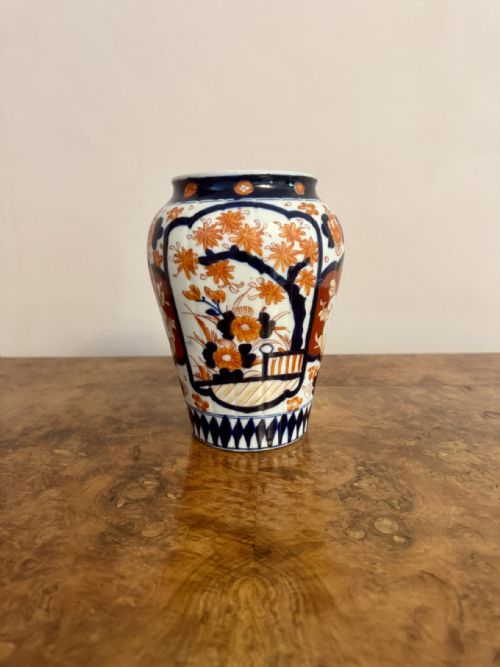
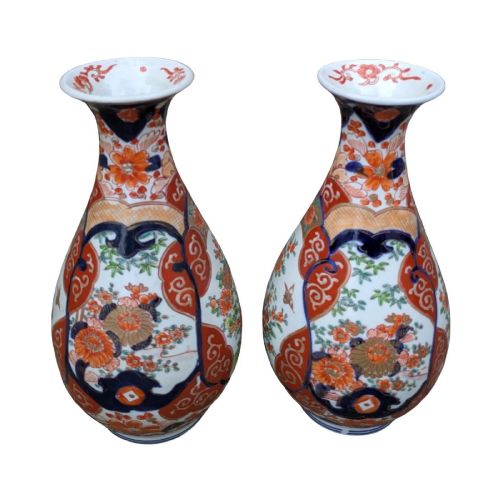
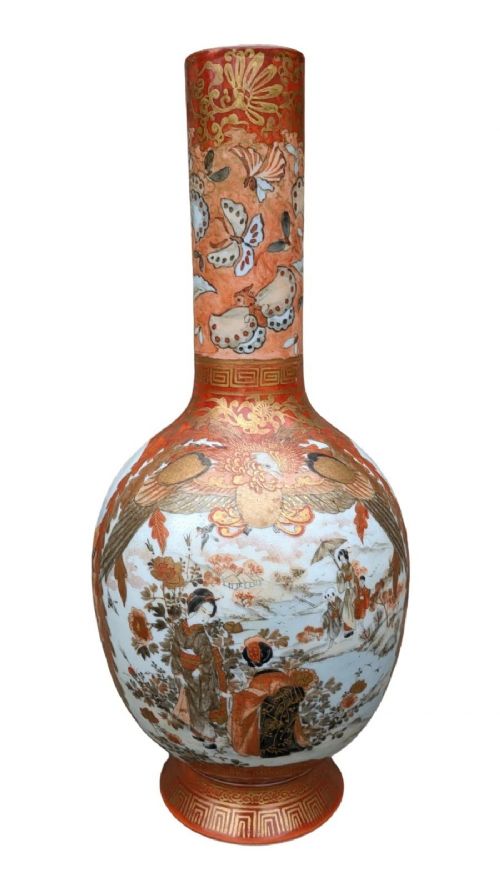
When you search for an orange porcelain vase, you encounter a distinct variety of ceramics defined by their vibrant ground or detailed motifs. These pieces span centuries of production, appearing in British factory wares from the Georgian and Regency periods as well as extensive Japanese Imari and Kutani imports from the Meiji era. Forms range from small spill vases and twin-handled mantel vessels to large floor-standing jars and converted table lamps.
The English examples on this page often originate from notable makers such as Worcester, Spode, and Minton, showcasing fine porcelain bodies alongside enamel and gilt highlights. Alongside these sit Japanese porcelain and earthenware works, frequently featuring the characteristic iron-red and orange tones associated with Imari and Kutani traditions. Buyers frequently meet lidded ginger jars, bottle-shaped vessels, and garnitures among these diverse offerings.
How they were made
The manufacture of these vessels relies upon refined porcelain clay fired at high temperatures to create a durable, vitreous body. Artisans then applied colourful glazes, enamels, and frequently gold leaf or gilding to the surface before a secondary firing to fix the decoration.
Japanese pieces often utilise the distinctive iron-red pigments characteristic of Imari and Kutani wares, sometimes combined with brass mounts or enamel details. British porcelain manufacturers from the Georgian and Victorian eras employed hand-painting techniques over glazed earthenware and porcelain surfaces, producing rich patterns and figural designs.
Materials appearing across these listings include porcelain, earthenware, enamel, glaze, and gold leaf.
What varies in quality
Quality in these ceramics rests upon the crispness of the painted detail and the depth of the glaze. Superior pieces display precisely applied enamel and gilding that remain sharp and well-defined across the surface of the porcelain.
The weight, symmetry, and potting skill of the vessel itself also dictate its standing. Master potters achieved a balanced form and an even finish that elevates standard decorative wares into exceptional examples of their period.
Flight and Barr·Royal Crown Derby·Minton·Spode
The Orange Porcelain Vase Glossary
- Imari
- A style of Japanese porcelain decorated in underglaze blue, iron-red, and gold, named after the port from which the wares were shipped. This aesthetic proved highly popular in Europe and inspired numerous Western imitations.
- Kutani
- A type of Japanese ware known for its bold colour palettes, frequently featuring prominent orange and red tones alongside gold highlights. These pieces often depict figurative or natural scenes.
- Jardinier
- A large ornamental pot designed to hold a plant or floral arrangement, often matching the decorative scheme of a garniture. In porcelain, these vessels feature sturdy twin handles and heavy rims.
- Gilding
- The application of gold leaf or gold powder to the surface of porcelain to highlight rims, handles, and painted motifs. Skilled application adds a luminous quality to the finished piece.
- Baluster
- A vase form characterised by a swelling lower body that tapers towards a narrower neck, reminiscent of a architectural baluster. This shape provides a stable and visually pleasing silhouette for detailed patterns.
Orange Porcelain Vase: Frequently Asked Questions
What is an orange porcelain vase?
An orange porcelain vase is a ceramic vessel featuring either an all-over orange ground colour or prominent orange and iron-red enamel decoration. These items include both British factory productions and imported Japanese wares.
Such vessels range from small cabinet pieces and spill vases to large floor-standing jars and table lamps created across the nineteenth and early twentieth centuries.
How do I identify a Japanese Imari vase?
Japanese Imari porcelain is typically recognised by its distinct palette of underglaze blue, iron-red or orange, and supplementary gilt highlights. The designs often incorporate intricate floral and panel motifs.
These wares were produced extensively during the Meiji period and later, serving as decorative ornaments in Western homes.
Where were British orange porcelain vases made?
British examples originate from celebrated historic potteries and porcelain manufactories such as Worcester, Spode, and Minton. These factories produced fine porcelain bodies decorated with hand-painted enamels and gold leaf.
Pieces from these makers often date to the Georgian and Regency periods, reflecting neoclassical and orientalist tastes of the time.
How should I style a large floor vase?
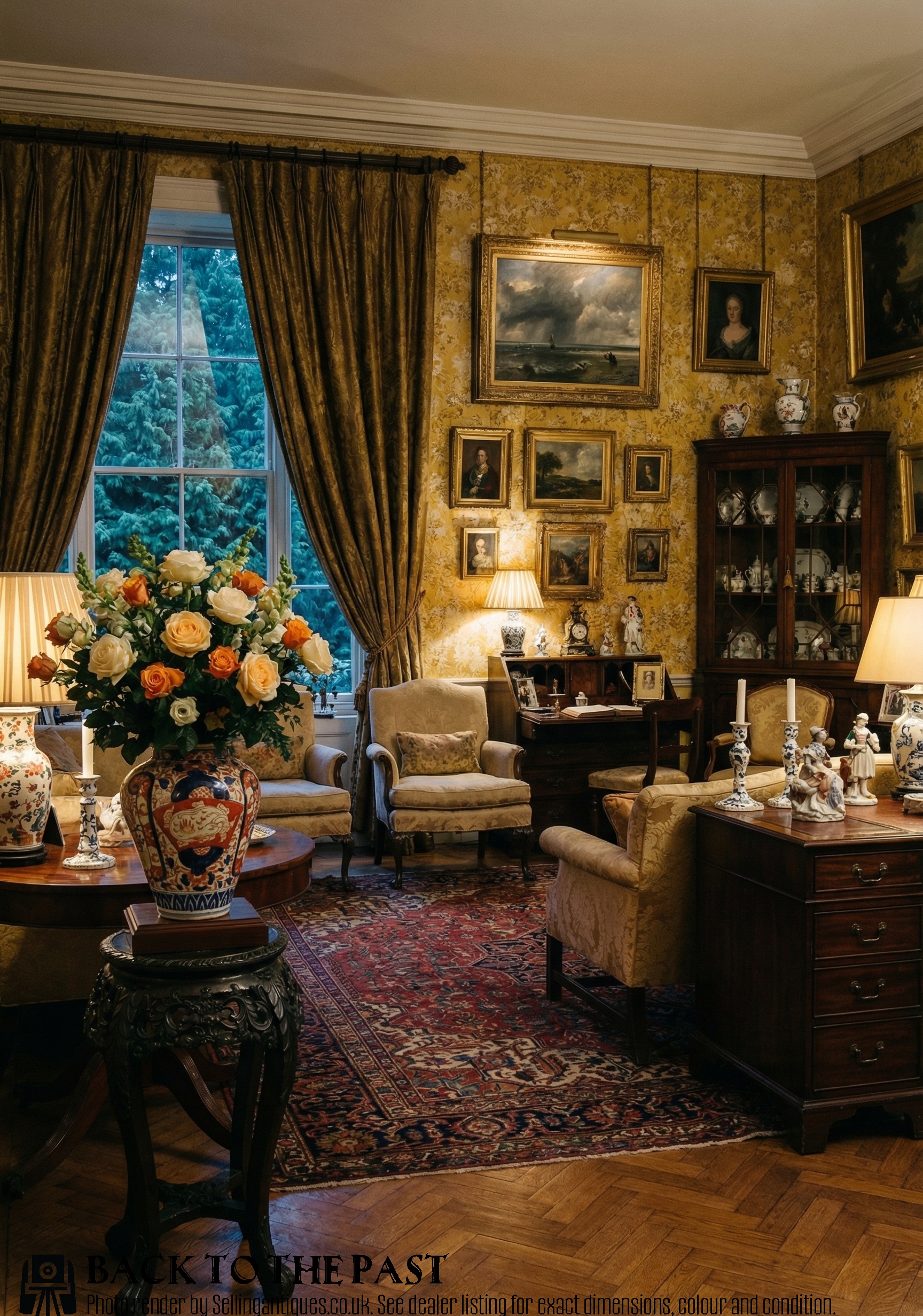
A large floor-standing or decorative vase functions best as a focal point in an entrance hall or a spacious reception room. Its height and bold coloration command attention without requiring additional contents.
Positioning the vessel away from heavy foot traffic ensures the glazed and gilded surfaces remain protected from accidental knocks.