


Antique Red Kutani Pottery
Antique red kutani pottery brings vibrant Japanese porcelain into your room, offering rich painted decoration and striking colour.
Antique Red Kutani Pottery
Antique red kutani pottery comprises Japanese porcelain objects created across the nineteenth and early twentieth centuries, spanning the Meiji, Taisho, and Edwardian eras. When you search for this phrase, you find a distinct concentration of vases, figurines, and table lamps originating from Japan.
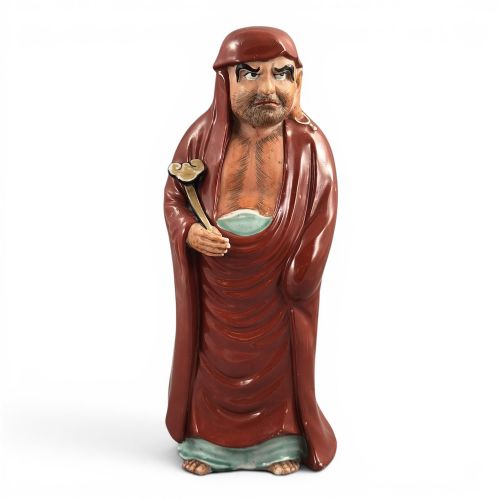
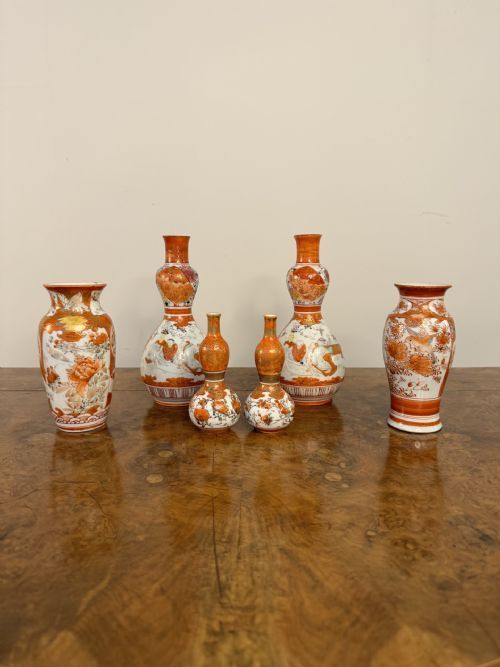
The vases appear singly, in pairs, or as shaped collections, while figural works depict subjects like Bodhidharma alongside lion handles. These pieces reflect the artistic output of workshops operating in Kaga and throughout the Meiji period.
Vessels from the eighteen-seventies up to nineteen-twenty dominate the available selections, showing hand-painted surfaces that collectors frequently adapt into lamps. Each item carries the traditional aesthetic of Japanese ceramic design from the late nineteenth century.
Materials and construction
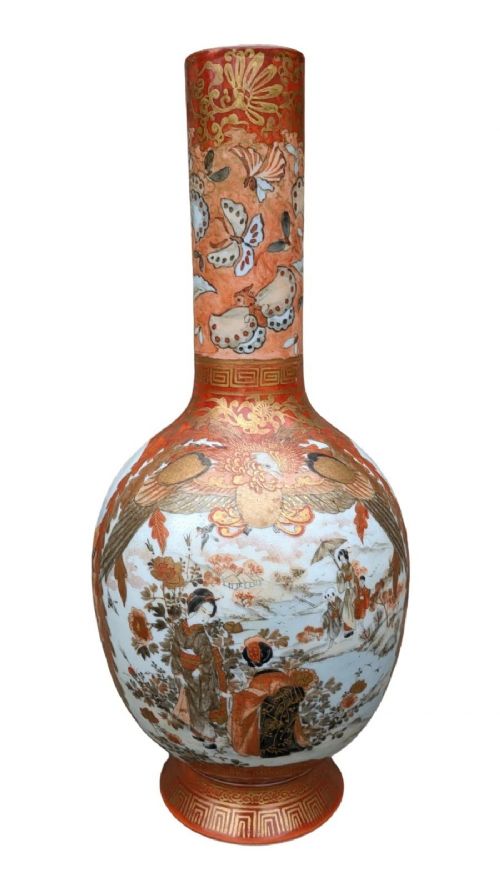
Potters formed these items from porcelain, applying detailed enamel work alongside gold leaf and gilding to enrich the surfaces. Many pieces incorporate raised moriage decoration, which creates a textured relief effect across the painted designs.
Workshops utilised carved wood stands to support larger vases and figurines, while brass fittings occasionally appear on items converted into table lamps. The combination of hand-painted enamels and gold leaf defines the visual weight of these ceramic works.
Listings feature items from the nineteenth century, Edwardian era, and nineteen-twenty, predominantly utilising porcelain, enamel, and gold leaf.
Evaluating the pieces
Quality rests upon the precision of the hand-painted enamel work and the complexity of the gold leaf application across the porcelain body. Finer examples display meticulous brushwork and intricate moriage detailing that remain crisp and well-preserved.
The inclusion of original carved wood stands and the structural integrity of figural elements like lion handles influence the overall character of the piece. Workshops such as Kinrin produced marked variations in scale and decorative density that distinguish standard items from exceptional ones.
Kinrin Workshop
The Antique Red Kutani Pottery Glossary
- Kutani
- A style of Japanese porcelain traditionally associated with Kaga province. It is known for its bold palette and detailed painted scenes.
- Moriage
- A decorative ceramic technique using piped clay to create raised, three-dimensional patterns beneath the glaze and enamel. This method adds noticeable texture to the surface of vases and figurines.
- Daruma
- A traditional Japanese figurine modelled after Bodhidharma, the founder of Zen Buddhism. These depictions often feature prominently in nineteenth-century ceramic figures.
- Meiji Period
- The era in Japanese history spanning from eighteen-sixty-eight to nineteen-twelve, characterised by significant artistic output exported internationally. Much of the pottery found today originates from this specific period.
- Okimono
- A small Japanese decorative statuette intended for display on a shelf or in a tokonoma alcove. These figures range from mythical subjects to traditional cultural representations.
Antique Red Kutani Pottery: Frequently Asked Questions
How do I identify kutani pottery?
Look for distinctive red enamel pigments, intricate gold leaf detailing, and traditional Japanese motifs painted across a porcelain body. Many pieces also feature raised moriage decoration or workshop signatures originating from the Meiji period.
Examine the base and surface execution to understand the period of manufacture, which typically spans the late nineteenth and early twentieth centuries.
Were these vases made as lamps?
Most antique kutani vessels were originally produced as ornamental vases rather than functioning lamps. Victorian and later collectors frequently adapted these porcelain vases into table lamps by adding electrical fittings.
Such conversions are common and allow the decorative painted bodies to serve a practical lighting purpose in modern interiors.
Where was kutani pottery made?
This ceramic tradition centres on the Kaga province of Japan, where local kilns produced wares for both domestic use and export during the nineteenth century. Workshops in this region developed the characteristic red and gold palette.
Makers incorporated traditional Japanese artistic conventions into porcelain forms that gained popularity in Europe and Britain during the Meiji era.
How should I display these vases?
Place larger vases on sturdy surfaces or use their accompanying carved wood stands to provide proper support. Because many pieces feature delicate hand-painted enamel and gold leaf, position them away from direct, harsh sunlight to protect the colours.
Pairing matching vases on mantelpieces or side tables highlights their symmetry and the detail of the Meiji period designs.