

Floral Ceramic Pair
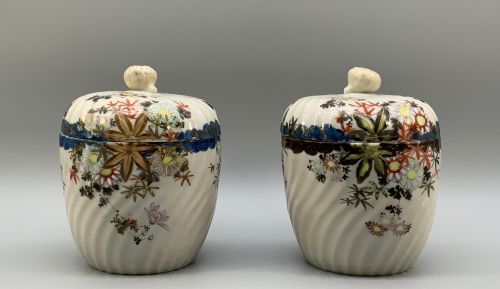
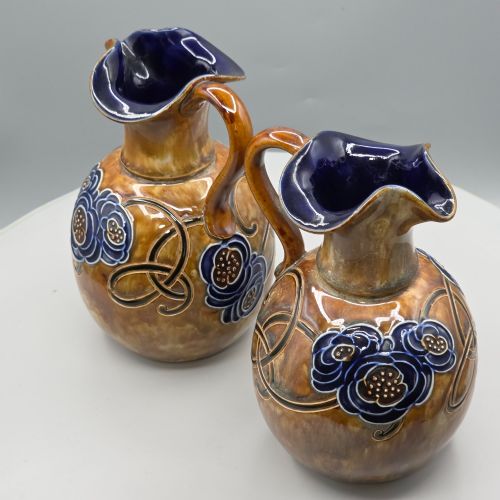
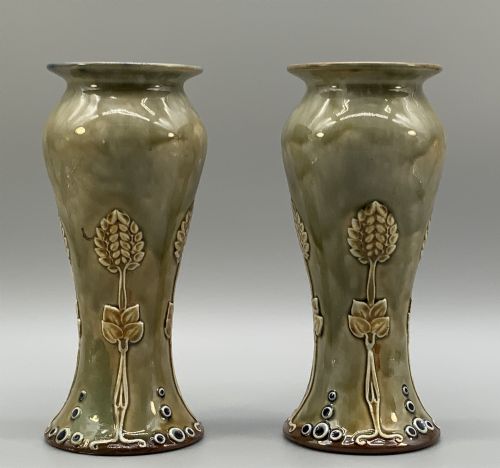
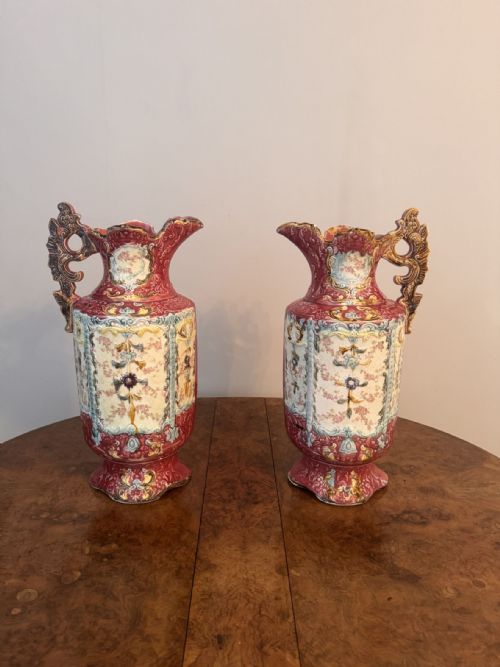
These floral ceramic pair pieces are matched sets spanning centuries of porcelain, stoneware and earthenware craft, offering balanced symmetry for any interior scheme.
Floral Ceramic Pair
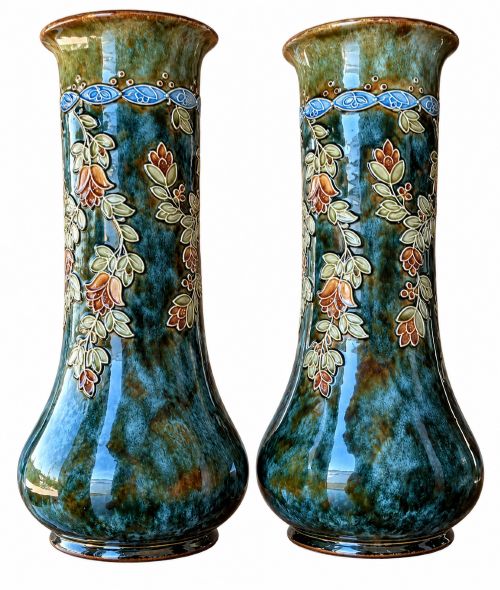
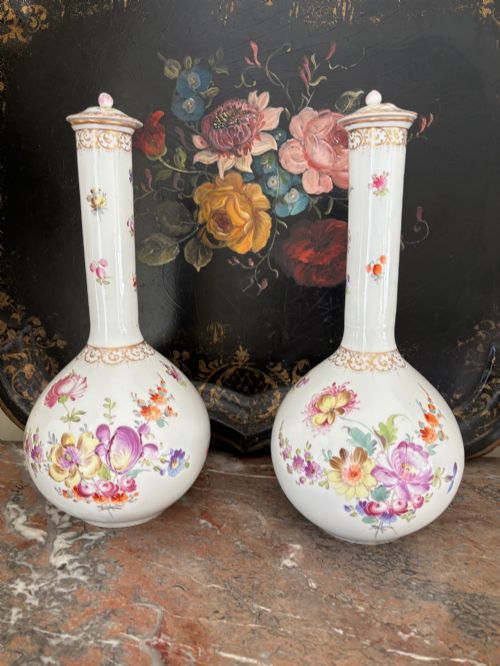
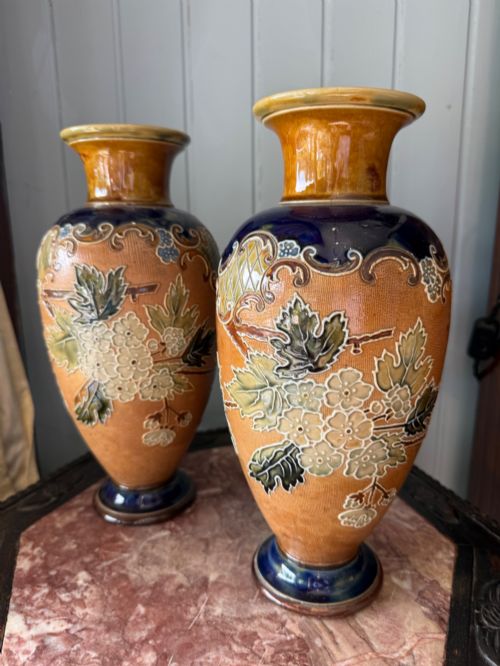
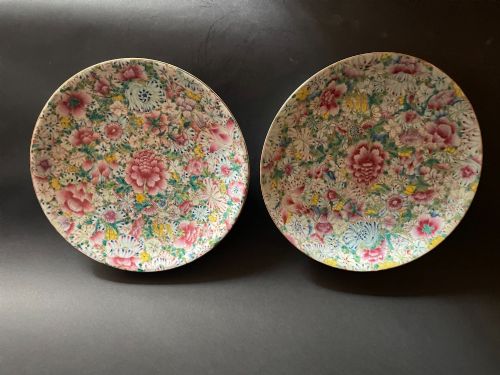
A floral ceramic pair comprises matching vessels, plates, or decorative objects created together to display botanical motifs across porcelain, earthenware, or stoneware bodies. These coordinated sets emerge from diverse periods ranging from the Georgian and Victorian eras through the Edwardian years and into the early twentieth century.
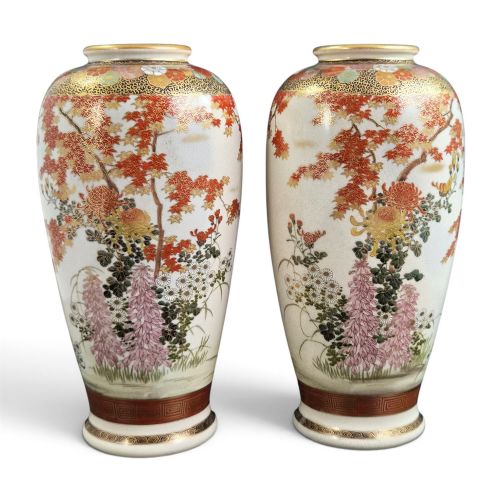
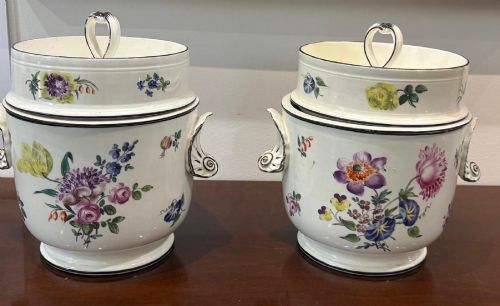
Buyers meet variations spanning English factory productions, continental porcelain, and Japanese imports including Imari and Satsuma styles. The forms span vases, dessert plates, jugs, candlesticks, and lidded jars designed to function in balanced domestic display.
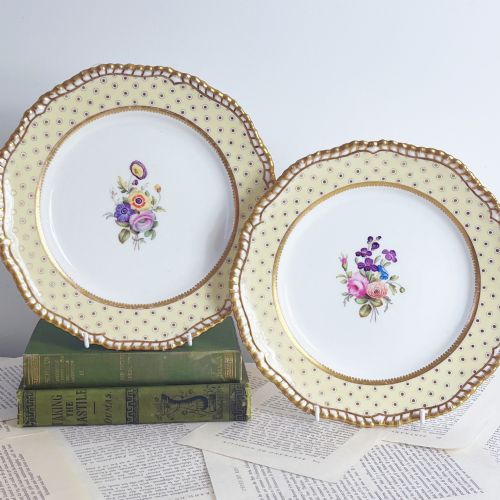
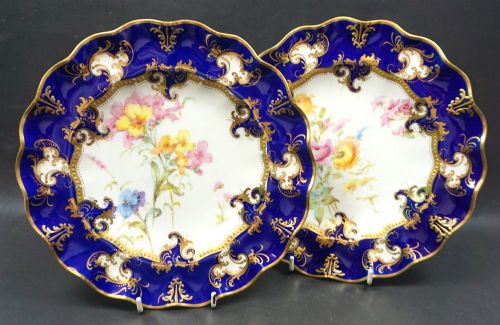
The evidence shows these pairings frequently take the shape of baluster vases, chargers, and decorative plates decorated with hand-painted or glazed floral schemes. Finding a true matched set relies on consistent sizing, complementary glaze distribution, and matching maker marks from the period of origin.
Materials and technique
Potters shaped these objects utilising ceramic, porcelain, earthenware, and stoneware bodies, often finished with detailed glazes and enamel pigments. Stoneware pieces utilise salt-glazing techniques, while porcelain and creamware bodies receive smooth vitreous coatings suited to fine brushwork.
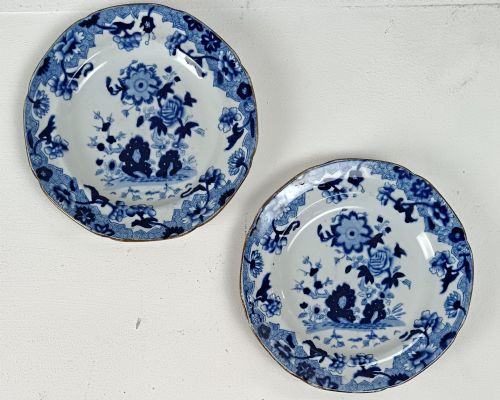
Decoration involves hand-painted floral motifs executed in cobalt blue, polychrome enamels, and occasional gold leaf accents applied over or under the glaze. Japanese pieces from the Meiji period employ dense Satsuma crackle glazes and Imari palettes, whereas English productions rely on transfer-printed or hand-finished botanical designs.
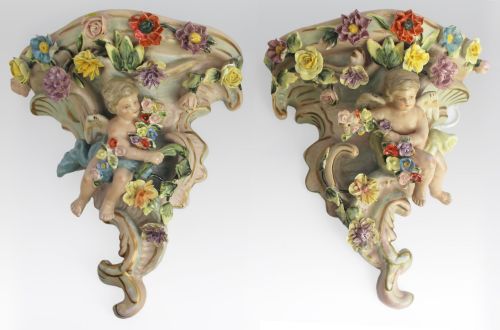
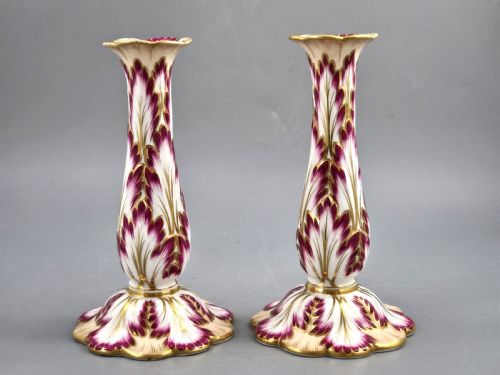
Children cast as liberty and matrimony hold court on eighteenth-century porcelain candlesticks.
Quality variations
Quality rests in the precision of the form, the crispness of the painted or transferred botanical detail, and the uniform preservation of both pieces in the set. Superior examples demonstrate expert control during firing, resulting in balanced glazes and clean symmetry across both items.
The distinction between standard commercial output and fine workshop production lies in the delicacy of the brushwork and the complexity of the decorative scheme. Individual artist attribution, such as signed studio pottery or documented factory patterns, elevates the standing of a pair.
Royal Doulton·Maruni Kobe·Spode·Royal Doulton Lambeth·Sitzendorf·Royal Crown Derby·Ridgway·Royal Worcester·Manpei Kobe·Tg Green
The Floral Ceramic Pair Glossary
- Imari
- A traditional Japanese style of porcelain decoration featuring deep cobalt blue, iron red, and gilt highlights. Originating from Arita, these wares gained immense popularity across European markets during the nineteenth century.
- Stoneware
- A robust, vitrified ceramic body fired at high temperatures until non-porous. This material withstands heavy use and accepts salt glazes readily, as seen in English studio and factory productions.
- Creamware
- A refined earthenware developed in eighteenth-century England featuring a pale yellowish-buff glaze. It offers a smooth surface for painted decoration while maintaining a lighter body than traditional stoneware.
- Satsuma
- A type of Japanese earthenware characterised by a warm ivory crackle glaze decorated with polychrome enamels and gold. These pieces were produced extensively for export during the Meiji period.
- Earthenware
- Porous pottery fired at lower temperatures than stoneware or porcelain. It requires an impermeable glaze layer to hold liquids and forms the base for many traditional decorative plates and jugs.
Floral Ceramic Pair: Frequently Asked Questions
How do I verify if a pair is genuinely matched?
Examine the dimensions, potting weight, and base markings to confirm that both pieces originated from the same production batch. Small variations in hand-painted floral motifs are normal, but the underlying form and clay body should correspond precisely.
Check for consistent crazing, glaze colour, and wear patterns across both items. Genuine pairs share identical maker stamps or numbering systems applied at the factory.
What is the difference between Imari and Satsuma ceramics?
Imari wares consist of hard porcelain decorated with a distinct palette of underglaze cobalt blue, iron red enamel, and gold leaf. They present a resonant sound when tapped and feature crisp, geometric or floral borders.
Satsuma ceramics utilise a softer earthenware body covered in a finely crackled ivory glaze. The floral and figural scenes on Satsuma pieces are painted with dense polychrome enamels and raised gold details.
How should ceramic pairs be displayed safely?
Place candlesticks, vases, and plates on stable, level surfaces away from heavy foot traffic and direct sunlight. Use padded display stands for plates and chargers to distribute weight evenly.
Maintain stable indoor humidity levels to protect older earthenware bodies and delicate enamel decorations from environmental stress. Avoid overcrowding shelves to prevent accidental contact between paired items.
How do I clean antique ceramic and porcelain pairs?
Dust surfaces gently with a soft, dry microfibre cloth or a clean artist brush to remove loose particles. Avoid abrasive cleaners, stiff brushes, and prolonged immersion in water, particularly for pieces with overglaze gold leaf.
Wash with lukewarm water and mild soap only when necessary, supporting the body with both hands throughout the process. Dry immediately with a lint-free cloth before returning the items to display.