

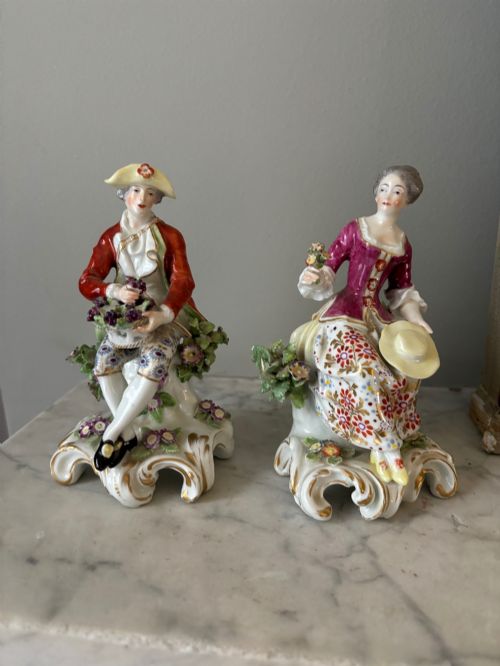
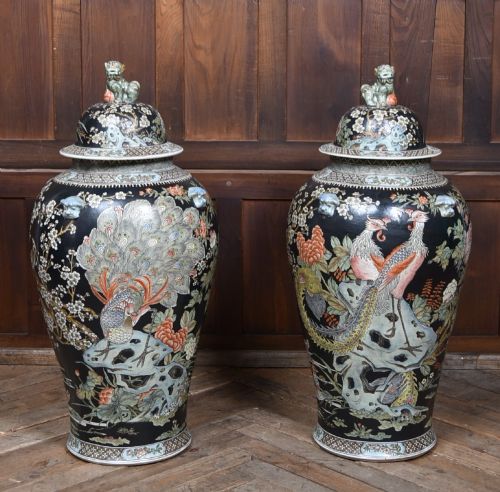
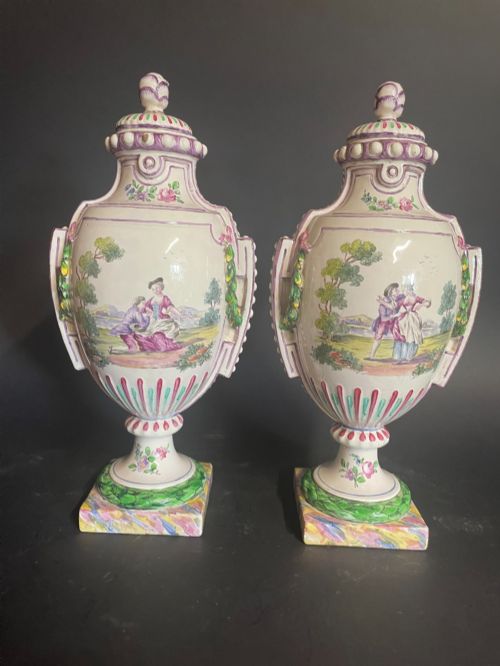
Hand Painted Ceramic Pair
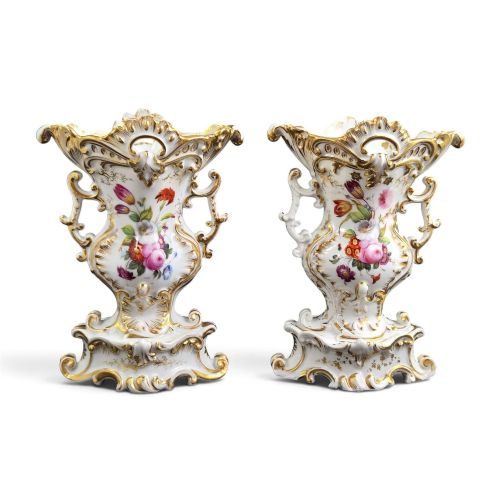
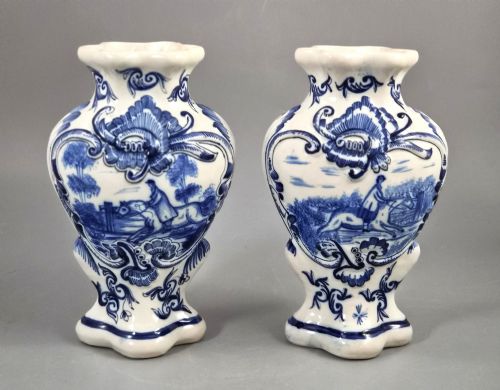
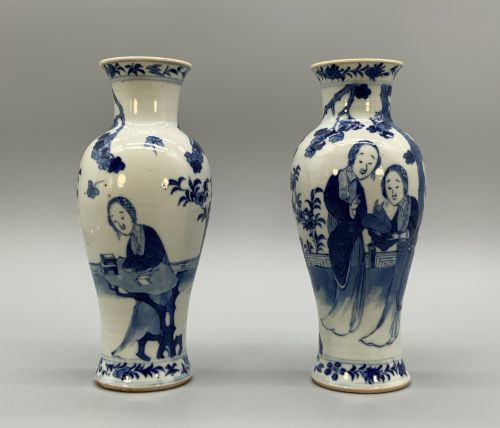
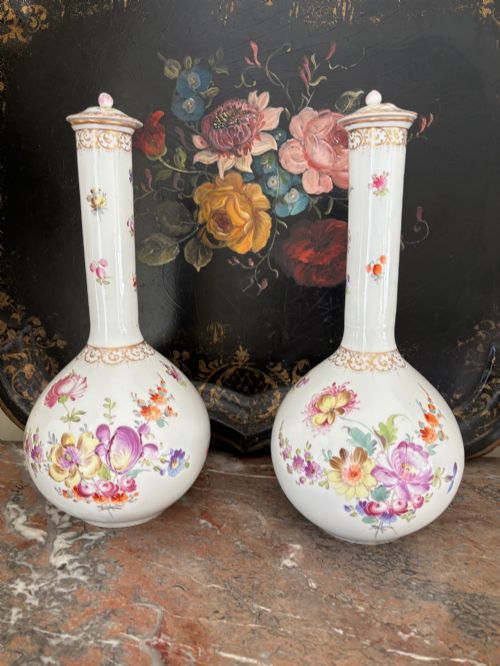
These hand painted ceramic pair selections bring matching symmetry and decorative brilliance straight into period interiors.
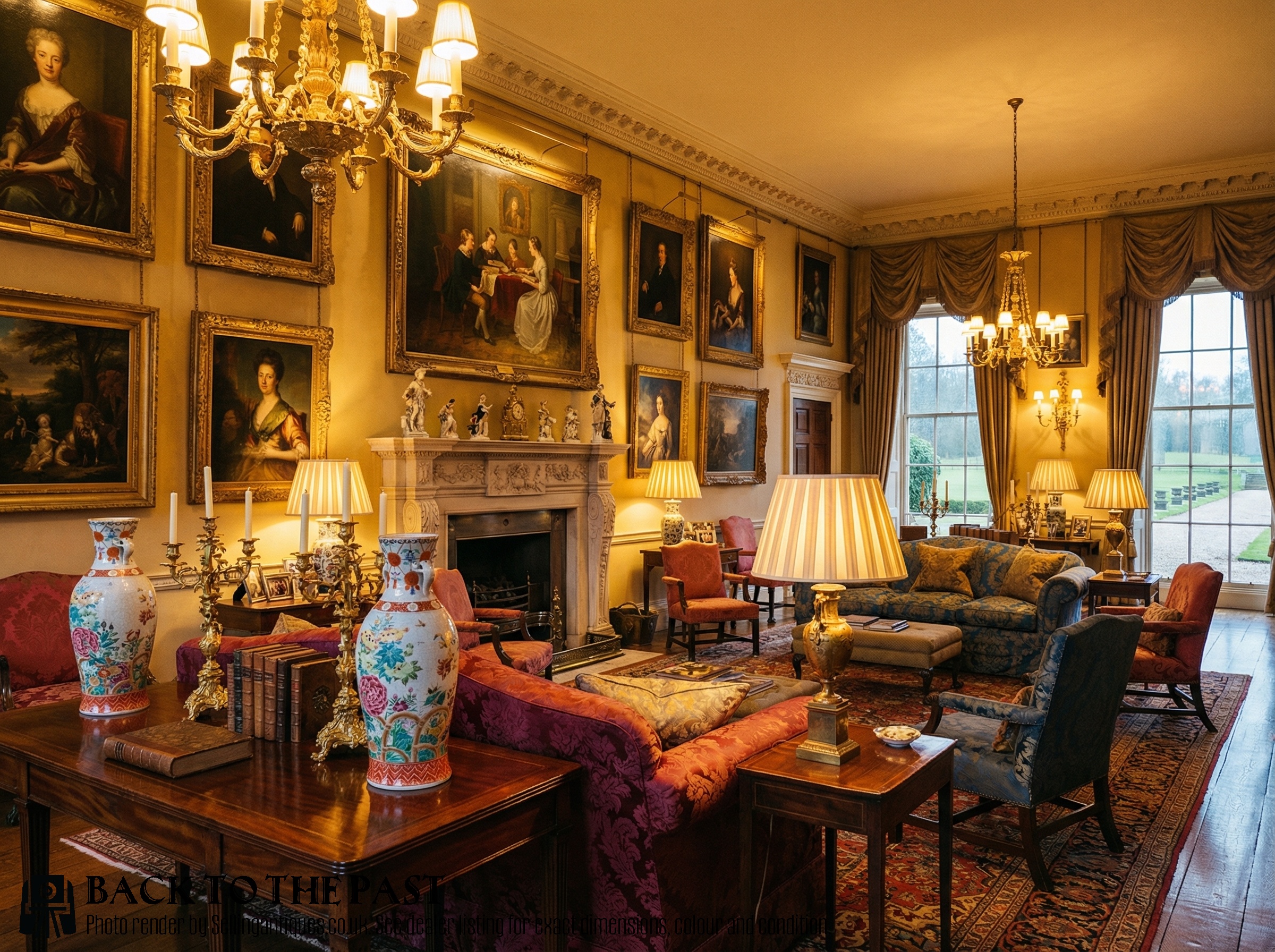
Hand Painted Ceramic Pair
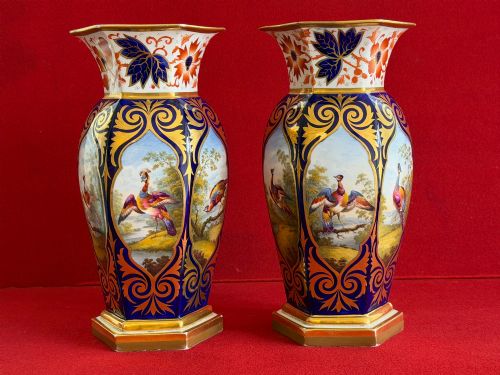
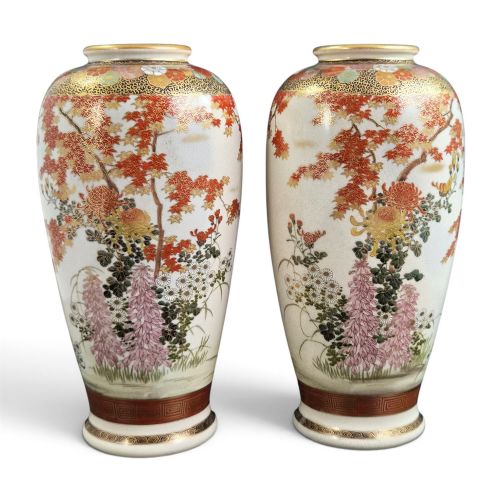
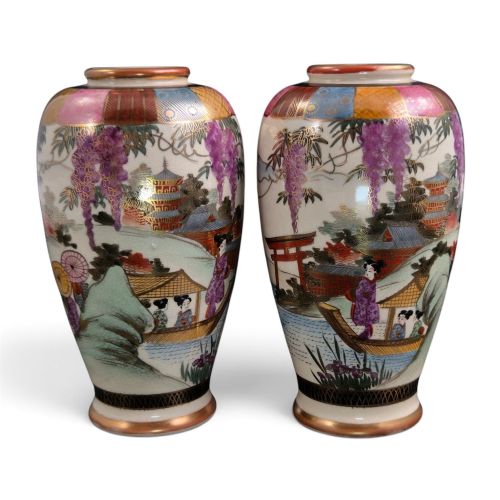
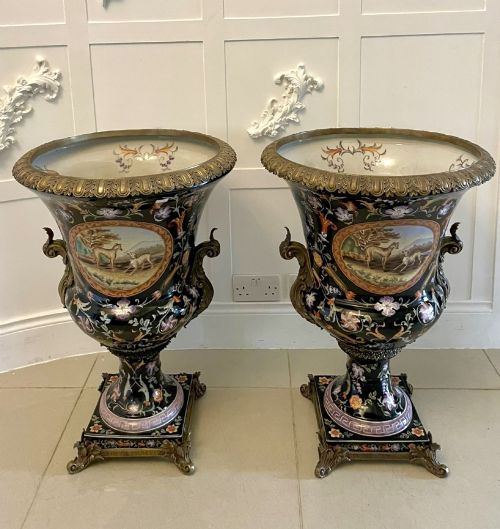
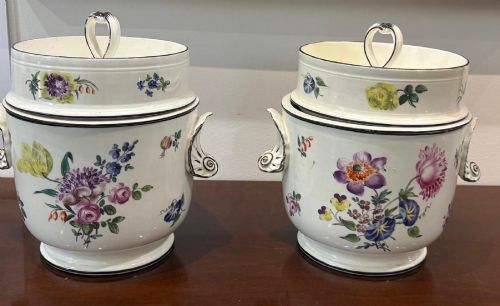
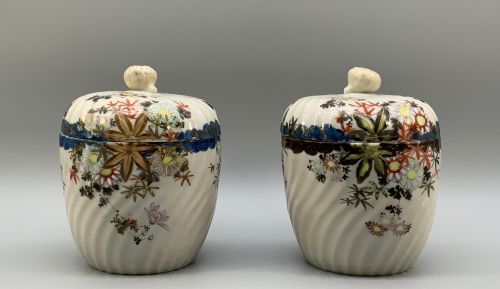
When you search for a hand painted ceramic pair, you encounter matching dual vessels and decorative objects originating from diverse global traditions. These objects span English porcelain factories, French faience workshops, and Japanese Satsuma or Imari kilns from the eighteenth century through the early twentieth century.
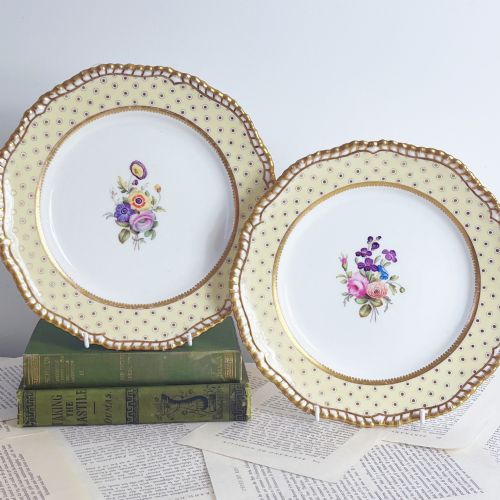
The most common forms on this page include decorative vases, cabinet plates, lidded jars, and table lamps designed to flank a mantelpiece or anchor a symmetrical furniture arrangement. English creamware ice pails, porcelain urns, and earthenware figurines also appear among these paired configurations.
The periods represented stretch from Georgian and Regency eras through the Victorian age and into the Edwardian and later 1930s decades. Each pair preserves coordinated brushwork and pigment application intended to be displayed together as a unified artistic statement.
How They Were Made
Potters shaped these items from ceramic, earthenware, and porcelain bodies, often employing tin glazes or felspar additions to achieve smooth foundational surfaces. Artisans then applied detailed mineral pigments by hand before firing the pieces in kilns to vitrify the colours.
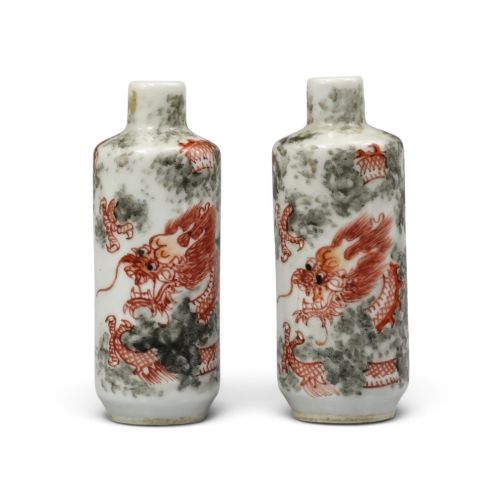
Gilding and gold leaf accents frequently highlight moulded handles, rims, and borders, enhancing the visual depth of the painted scenes. Iron-red pigments, blue and white glazes, and lustre finishes provide the distinct chromatic palette seen across European and Asian examples.
Even antique gardeners and fish designs find themselves faithfully paired up for eternity.
What Varies in Quality
The precision and fluidity of the hand painted brushwork dictate the artistic success of each pair. Master artists achieved intricate facial expressions, botanical accuracy, and subtle tonal gradations, whereas simpler output relied on repetitive stencilled or hurried execution.
The crispness of the porcelain or earthenware moulding and the evenness of the glaze application determine the integrity of the substrate. Preservation of original gilding and matched uniformity between both companion pieces heavily influence the overall coherence of the pair.
Flight, Barr & Barr·Maruni Kobe·Shozan·Fourmaintraux-Courquin·Sitzendorf·Edme Samson·Royal Crown Derby·Walter Slater·Helena Wolfsohn·Jacob Petit
The Hand Painted Ceramic Pair Glossary
- Imari
- A style of Japanese porcelain featuring a distinct palette of underglaze blue, iron-red, and gold. These pieces were produced primarily for export from the port of Imari.
- Faience
- European tin-glazed earthenware decorated with opaque metallic oxide glazes. This technique originated in Italy and spread widely across France and other regions.
- Satsuma
- A type of Japanese earthenware characterised by a crackled ivory glaze and elaborate polychrome enamel decoration. Many pieces incorporate raised gold work.
- Gilding
- The application of gold leaf or powdered gold to ceramic surfaces. It accentuates rims, handles, and decorative borders.
Hand Painted Ceramic Pair: Frequently Asked Questions
What were ceramic pairs used for?
These matched objects served primarily as decorative garnitures to ornament mantelpieces, sideboards, and drawing-room tables. Their symmetrical designs brought visual balance to formal interiors.
Certain paired items, such as ice pails, lidded jars, and perfume bottles, also fulfilled functional roles for dining or storing scented commodities.
How do I display a pair safely?
Place them on stable, level surfaces away from heavy foot traffic or direct sunlight that might fade delicate enamel colours. Ensure adequate space around each piece to maintain their visual symmetry.
Avoid positioning them near extreme heat sources or fluctuating moisture to protect fragile earthenware bodies and historic glazes.
How can I tell Japanese Satsuma from Imari?
Satsuma wares feature a characteristic crackled ivory earthenware body decorated with dense polychrome enamels and gold. They often depict figures, landscapes, or floral motifs.
Imari pieces utilise a harder porcelain body with a distinct palette dominated by cobalt blue, iron-red, and gilding, typically arranged in geometric or natural patterns.
What is the difference between porcelain and earthenware?
Porcelain is a vitrified, dense ceramic material fired at high temperatures until non-porous and translucent. It produces a clear ringing tone when struck gently.
Earthenware is fired at lower temperatures, remaining opaque and porous unless sealed with a complete glaze. Creamware and faience are standard forms of this material.