

Louis XV Marquetry Table
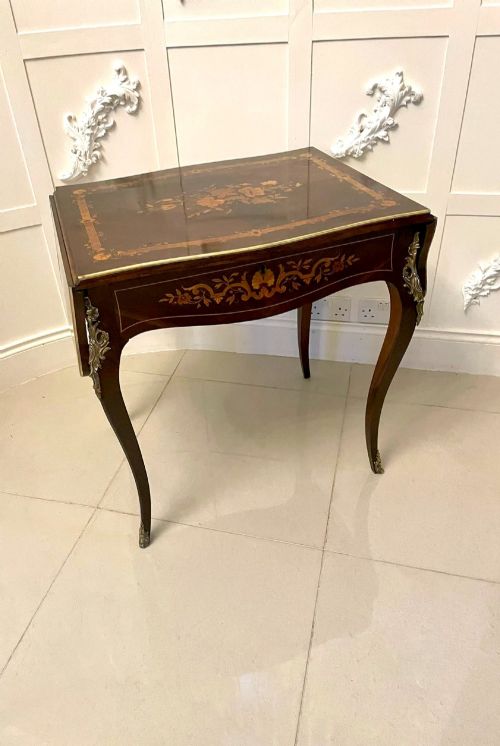
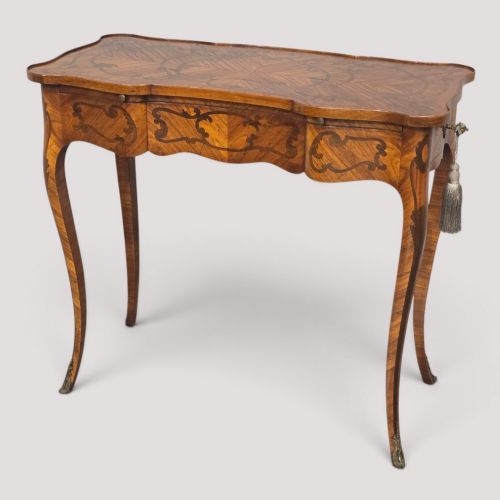
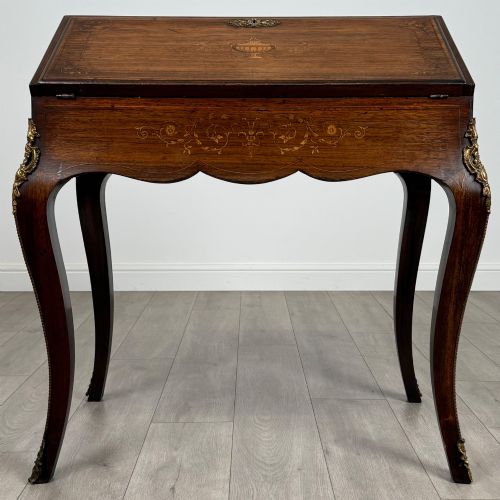
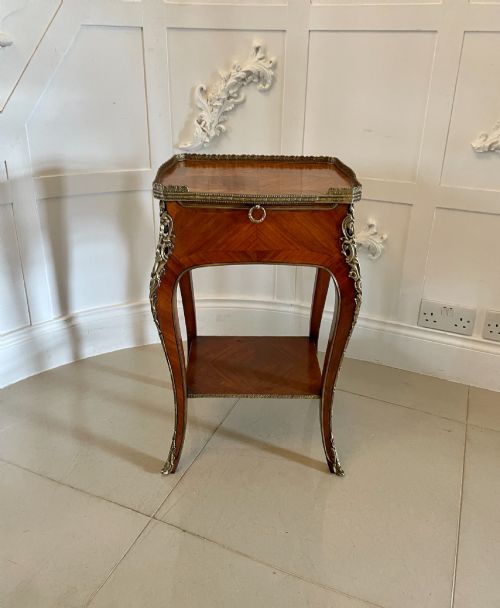
A louis xv marquetry table brings curved serpentine lines, intricate floral veneers and gilt metal mounts into a room.
Louis XV Marquetry Table
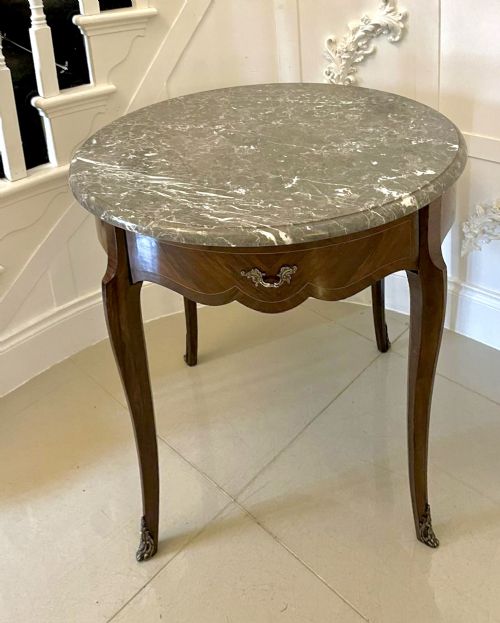
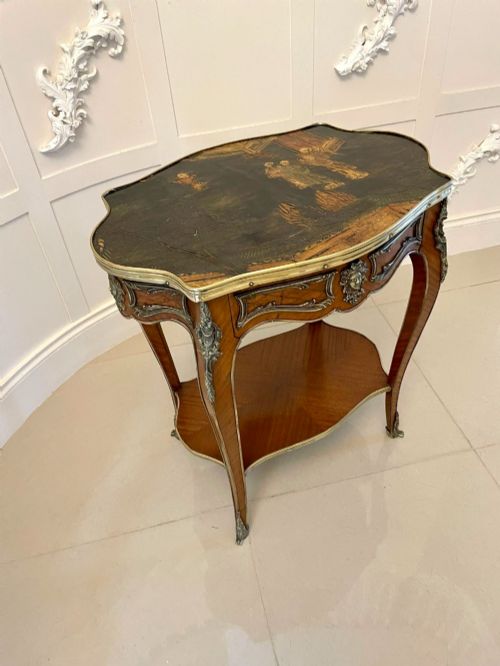
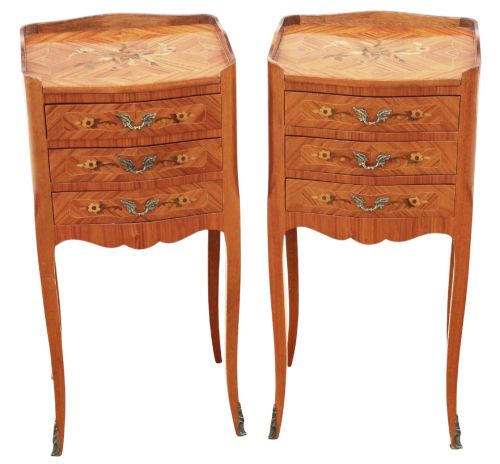
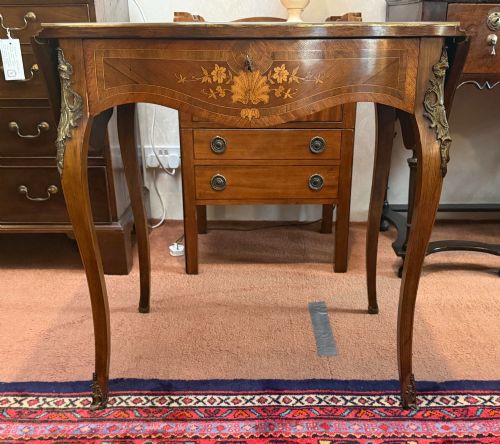
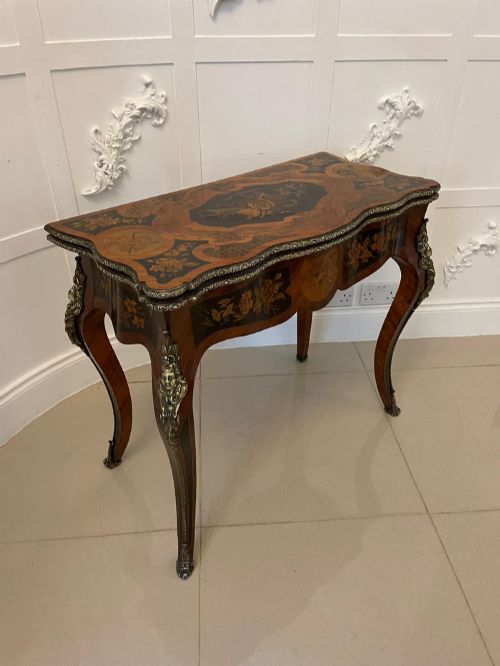
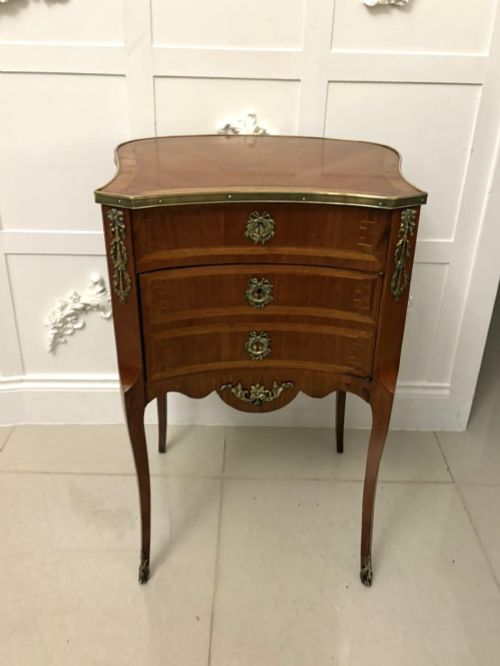
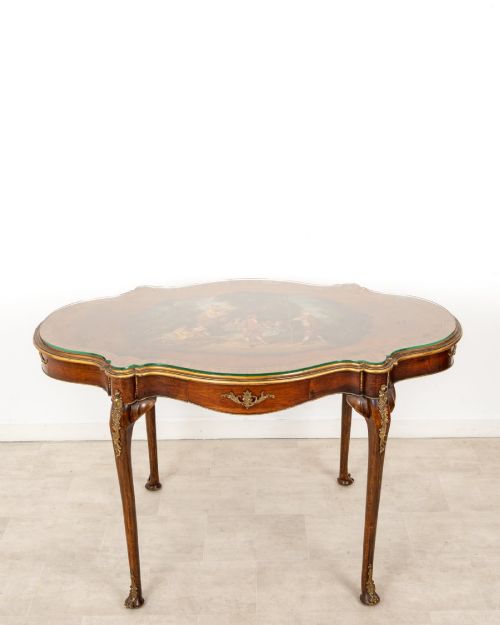
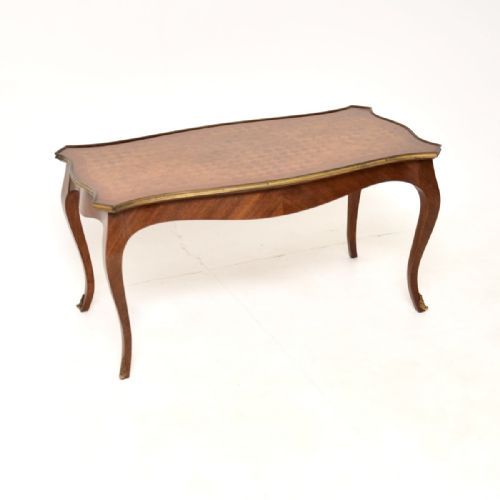
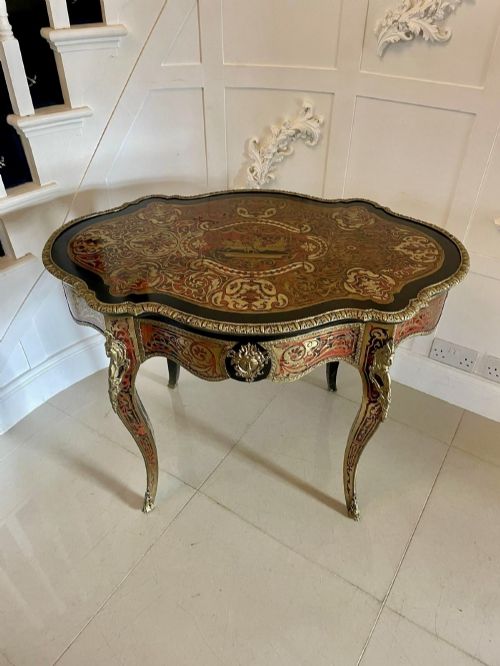
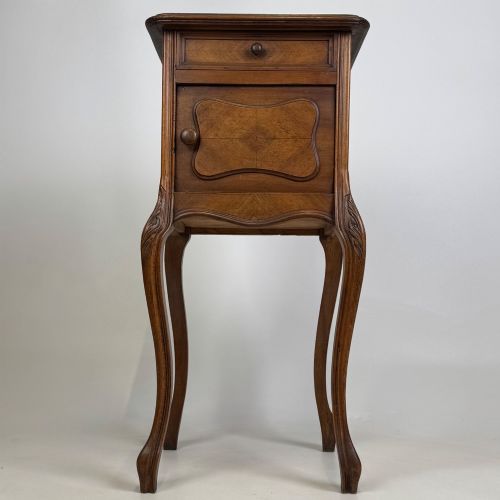
A louis xv marquetry table displays the characteristic asymmetric curves, cabriole legs and flowing serpentine outlines associated with the rococo movement. When exploring this selection, a buyer encounters forms ranging from freestanding centre tables and writing desks to small occasional pieces, bedside cabinets and card tables.
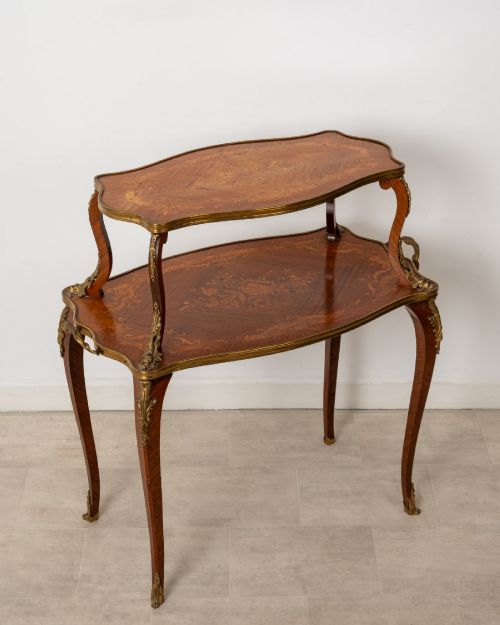
Most examples originate from the nineteenth and early twentieth centuries, spanning the Victorian and Edwardian periods as well as later revivals. Makers of these later eras adopted original eighteenth-century forms, adapting them into functional items like coffee tables, lamp tables and two-tier étagères while retaining traditional decorative motifs.
Materials and construction
Craftsmen built these tables using foundational carcases of walnut, oak or pine, applying decorative veneers of kingwood, rosewood, tulipwood and satinwood across the surfaces. Marquetry designs utilise contrasting grains and tinted woods to picture floral sprays, foliage or geometric patterns.
Cast ormolu and gilt bronze mounts frame the edges, protect vulnerable corners and accentuate the curved contours of aprons and cabriole legs. Marble tops, often shaped with serpentine edges to follow the wooden framework, appear frequently on bedside cabinets, jardiniere tables and lamp tables.
Listings feature eighteenth-century revival styles from the nineteenth and twentieth centuries, utilising kingwood, walnut, rosewood, ormolu and marble.
Assessing craftsmanship
Differentiation across the range depends on the precision of the marquetry cutting and the subtlety of the timber shading. Superior examples display tightly fitted wood veneers that form crisp, detailed pictorial arrangements without visible gaps or excessive use of dark filler.
The weight, chasing and integration of the ormolu mounts also indicate standard. Finer pieces feature bronze mounts meticulously cast and hand-finished to complement the underlying woodwork, rather than generic brass stampings pinned superficially to the carcase.
Joseph-Emmanuel Zwiener·Durand·Gillows
The Louis XV Marquetry Table Glossary
- Marquetry
- Decorative veneer work arranged in pictorial patterns using various coloured woods. This technique allows craftsmen to create detailed floral displays across table tops.
- Ormolu
- Gilded bronze used for decorative mounts and furniture trim. The metal is cast and chased before being applied to highlight the curves of a frame.
- Cabriole leg
- A curved furniture leg featuring an outward knee and an inward ankle ending in a pad or scroll foot. It defines the profile of many rococo revival designs.
- Bureau plat
- A flat-topped freestanding writing desk fitted with drawers along the frieze. These desks often showcase elaborate veneer work across all sides.
- Serpentine
- A furniture edge or front curving outward in the centre and inward at the sides. This contour requires precise woodworking and shaped veneers.
Louis XV Marquetry Table: Frequently Asked Questions
Where should I place a centre table?
A centre table is designed to stand free in the middle of a room rather than against a wall. This allows the marquetry and ormolu mounts on all sides to be fully visible from every angle.
Such placement works well in a hallway, library or large drawing room where the piece acts as a visual focal point for lamps, bowls or decorative objects.
How do I care for wood veneers?
Veneered surfaces require protection from direct sunlight and extreme humidity fluctuations to prevent the timber from fading or lifting. Regular dusting with a soft, dry cloth maintains the finish without moisture damage.
Applying occasional specialist wax helps nourish the rosewood or kingwood grain. Avoid using silicone sprays or abrasive cleaning products.
Can I use a bedside table in a living room?
Compact bedside cabinets and lamp tables adapt easily to modern living spaces as small side tables or lamp stands. Their proportions suit narrow gaps beside sofas or between armchairs.
Drawers and compartments offer discreet storage for small items while keeping the surface free for lighting or drinks.
What is the difference between marquetry and parquetry?
Marquetry involves arranging varied wood veneers to create pictorial motifs such as flowers, scrolls and landscapes. This technique focuses on organic shapes and tonal shading.
Parquetry uses geometric shapes like squares, triangles or diamonds to form repeating mathematical patterns. Both methods often appear combined on the tops of nineteenth-century tables.