


Vintage Oval Side Table
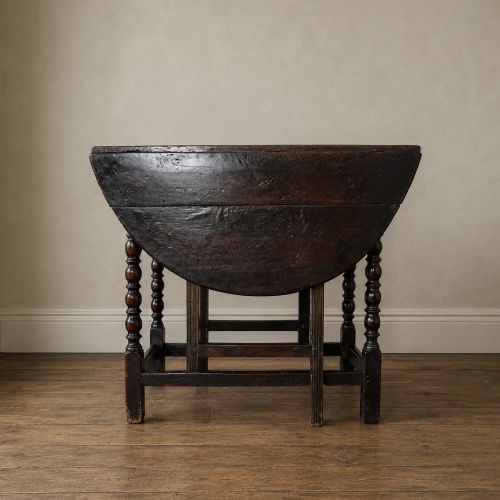
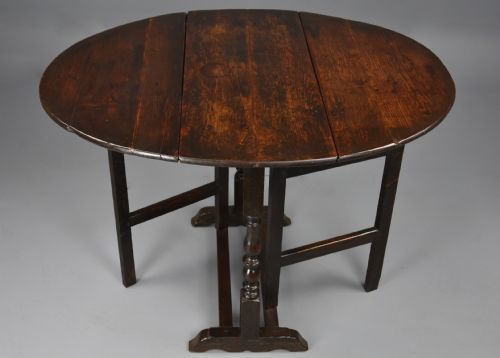
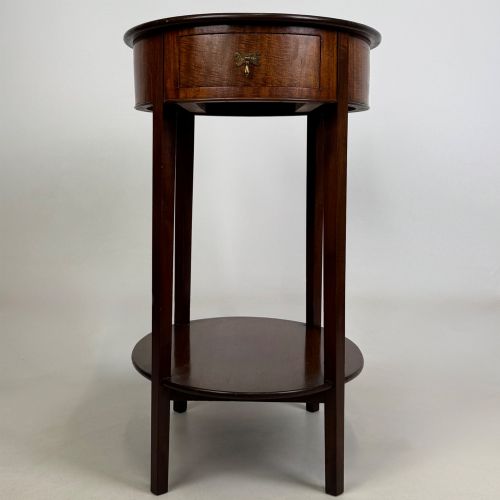
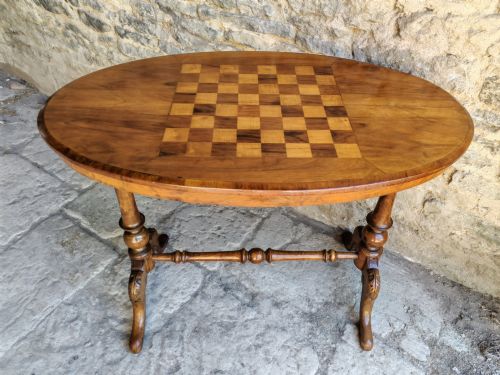
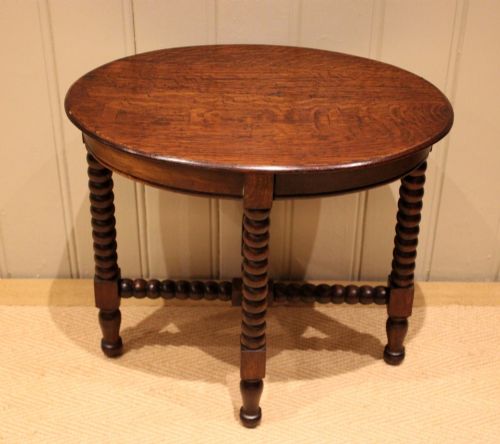
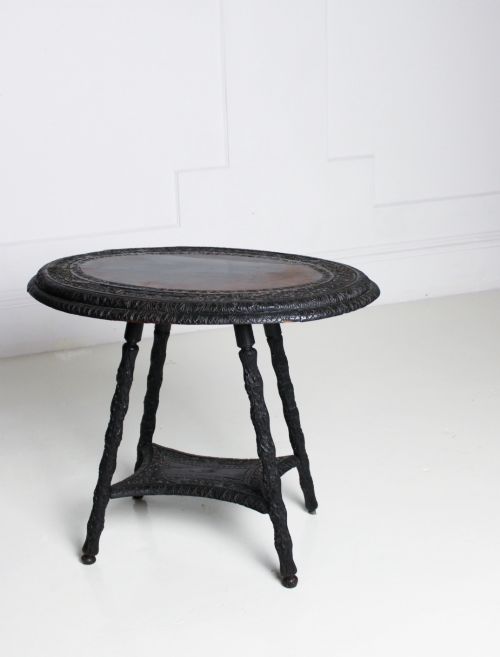
A vintage oval side table brings compact proportions and warm timber grain to a room, fitting neatly beside a chair or sofa.
Vintage Oval Side Table
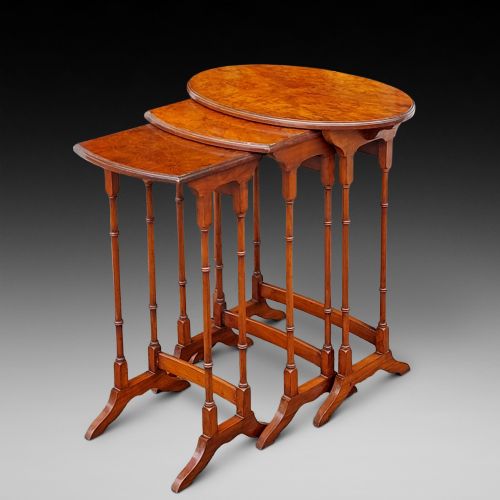
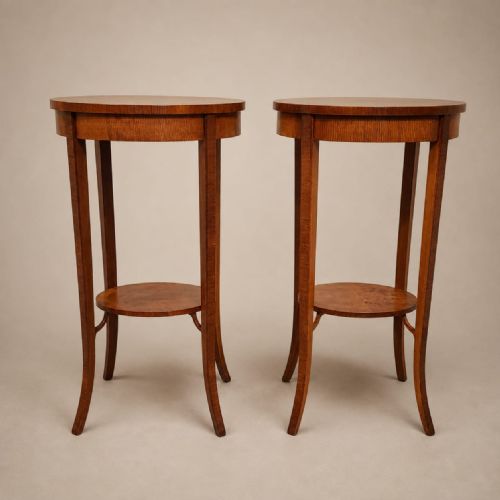
When searching for a vintage oval side table, you encounter compact occasional pieces primarily spanning the Edwardian era through to the early twentieth century. These small tables serve utilitarian and decorative purposes in domestic spaces, often functioning as lamp tables, lamp stands, or bedside surfaces. The form accommodates varied interior layouts through gentle curves that soften room geometry.
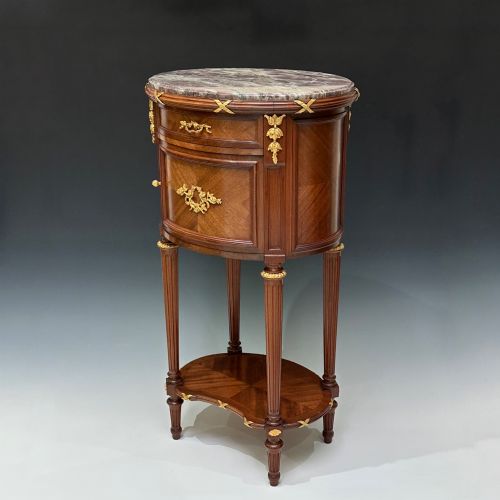
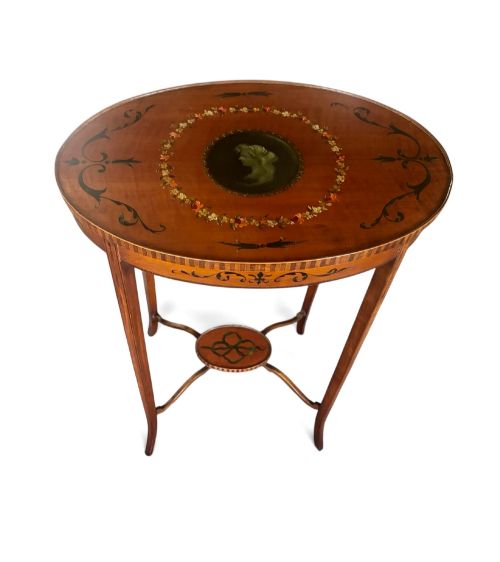
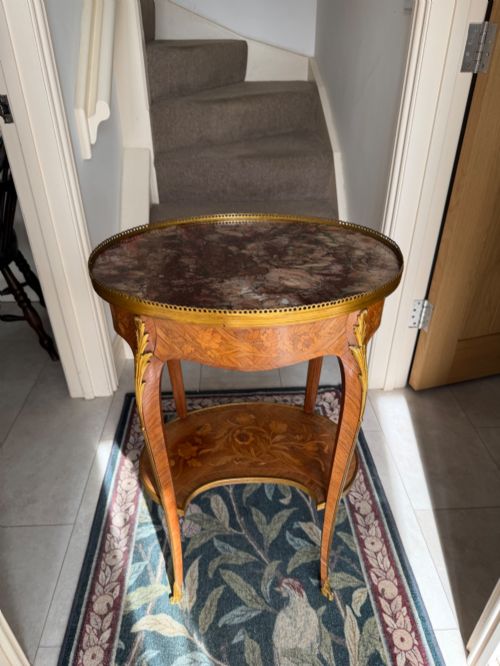
The materials span traditional hardwoods like mahogany, walnut, and oak, alongside inlaid satinwood and marble tops. Edwardian examples often display delicate stringing or painted floral decoration, while nineteenth-century pieces lean towards heavier timber constructions. You also discover occasional pieces drawing upon Louis styles or Anglo-Indian craftsmanship, offering distinct decorative vocabulary.
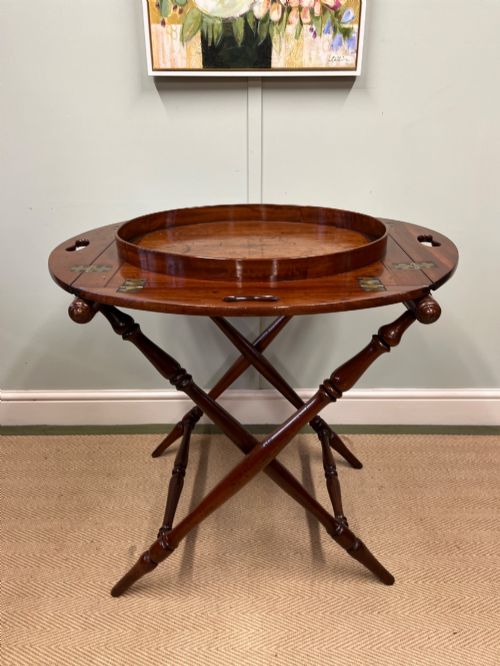
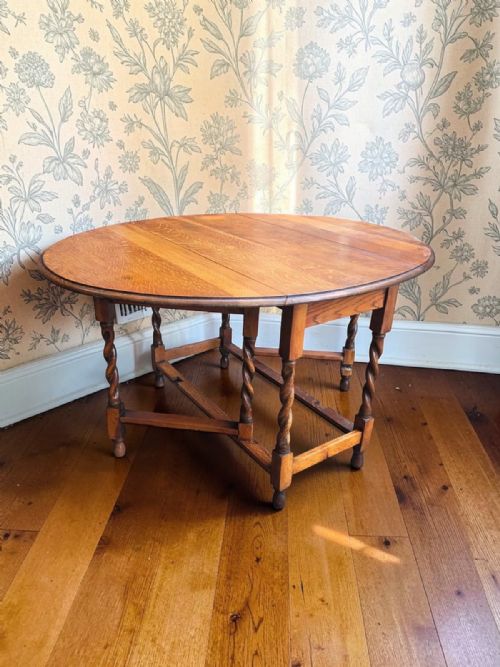
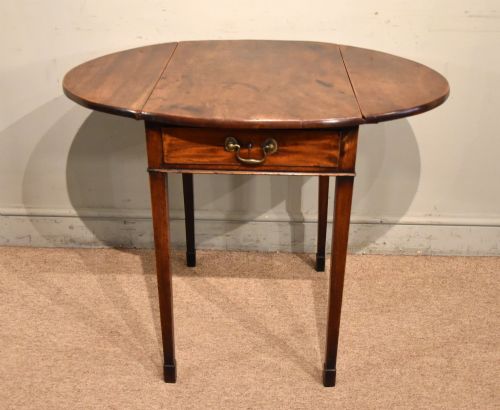
Forms extend beyond simple four-legged designs into tiered etagere tables, nests of tables, and drop-leaf formats. The oval top softens the footprint compared to rigid rectangular alternatives, making these items practical for tight spaces. Their varied heights and proportions reflect the changing domestic requirements of the periods in which they were made.
Materials and construction methods
Surface ornamentation relies on hand carving, brass mounts, and inlaid stringing to define edges and panels. Marble inserts appear on specific French bedside variants, providing a durable and cool top surface. Joints are typically pinned or dowelled according to period custom, ensuring stability despite slender legs.
Vintage Oval Side Table Retail Price Guide 2026
Typical asking prices for vintage oval side table among the pieces listed under this phrase on Sellingantiques today, from the lower quarter to the upper quarter. They describe what is for sale here now, not the wider market.
Assessing construction and surface finish
Quality rests upon the crispness of timber selection and the precision of veneer work. Superior examples exhibit matched grain patterns across the oval top and tight, undisturbed joints in the underframe. Finer pieces demonstrate careful hand-finishing in carved details and inlay, avoiding mechanical shortcuts.
François Linke
The Vintage Oval Side Table Glossary
- Satinwood
- A dense, light-coloured timber native to India and Sri Lanka, utilised for veneering and inlay work in fine cabinet making.
- Marquetry
- The art of applying pieces of veneer to a structure to form decorative patterns and pictorial designs.
- Parquetry
- A geometric mosaic of wood pieces used for decorative floors and table tops.
- Etagere
- A piece of furniture consisting of a set of open shelves for displaying small objects or serving.
- Stringing
- A narrow strip of contrasting wood inlaid into the surface of a piece of furniture as a decorative border.
Vintage Oval Side Table: Frequently Asked Questions
Where should I place an oval side table?
These pieces fit naturally beside seating where a standard rectangular table might feel too blocky. The curved edges allow comfortable movement around them in tighter residential layouts.
They function effectively as lamp stands, small display surfaces, or bedside companions. Their proportions bridge the gap between heavy storage furniture and minimal open space.
How do I date an Edwardian piece?
Edwardian items typically display lighter timbers such as satinwood or mahogany with delicate inlaid stringing. Painted floral decoration and slender tapered legs frequently characterise this period of manufacture.
Construction methods during this time often incorporated factory machinery alongside traditional hand-finishing. Look for cleaner interior joinery and lighter framing compared to earlier nineteenth-century examples.
What is the difference between a side table and an occasional table?
Side tables generally served specific utilitarian functions next to seating or beds within the home. They were built for regular daily use and often included drawers or lower tiers.
Occasional tables were often lighter, more decorative items moved about the room as needed for tea or display. Their design prioritised decorative surface work over heavy storage.
How do I care for antique timber surfaces?
Maintain timber surfaces by dusting with a dry, soft cloth and avoiding direct exposure to strong heat sources or sunlight. Occasional application of appropriate wax feeds the grain without building up heavy residue.
Protect marble inserts from acidic spills and heavy impacts. Gentle cleaning preserves the underlying patina developed over decades of domestic life.