


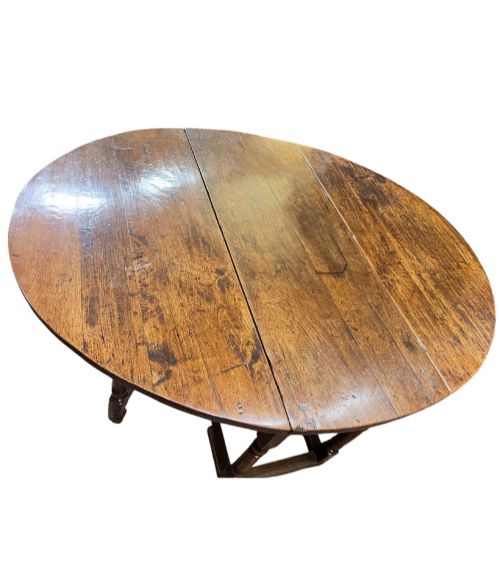
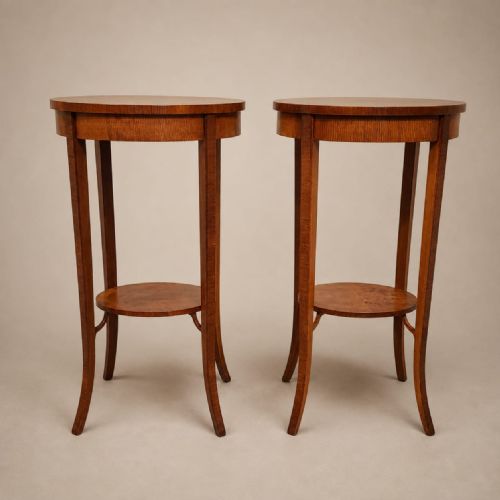
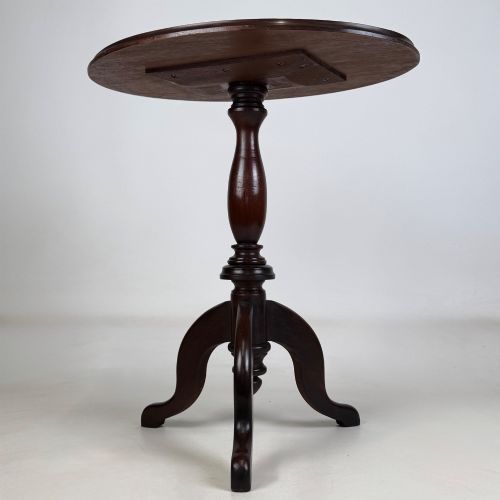
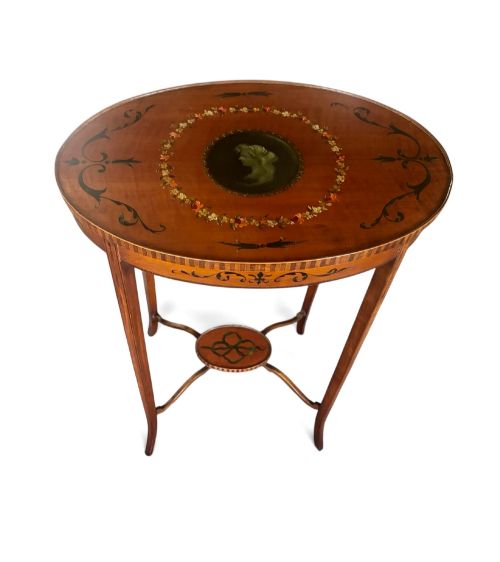

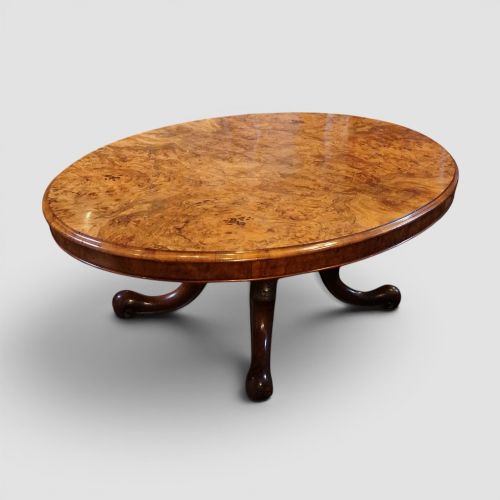
Oval Accent Table
An oval accent table brings compact elegance to a room, offering surface space with soft curves rather than rigid corners.
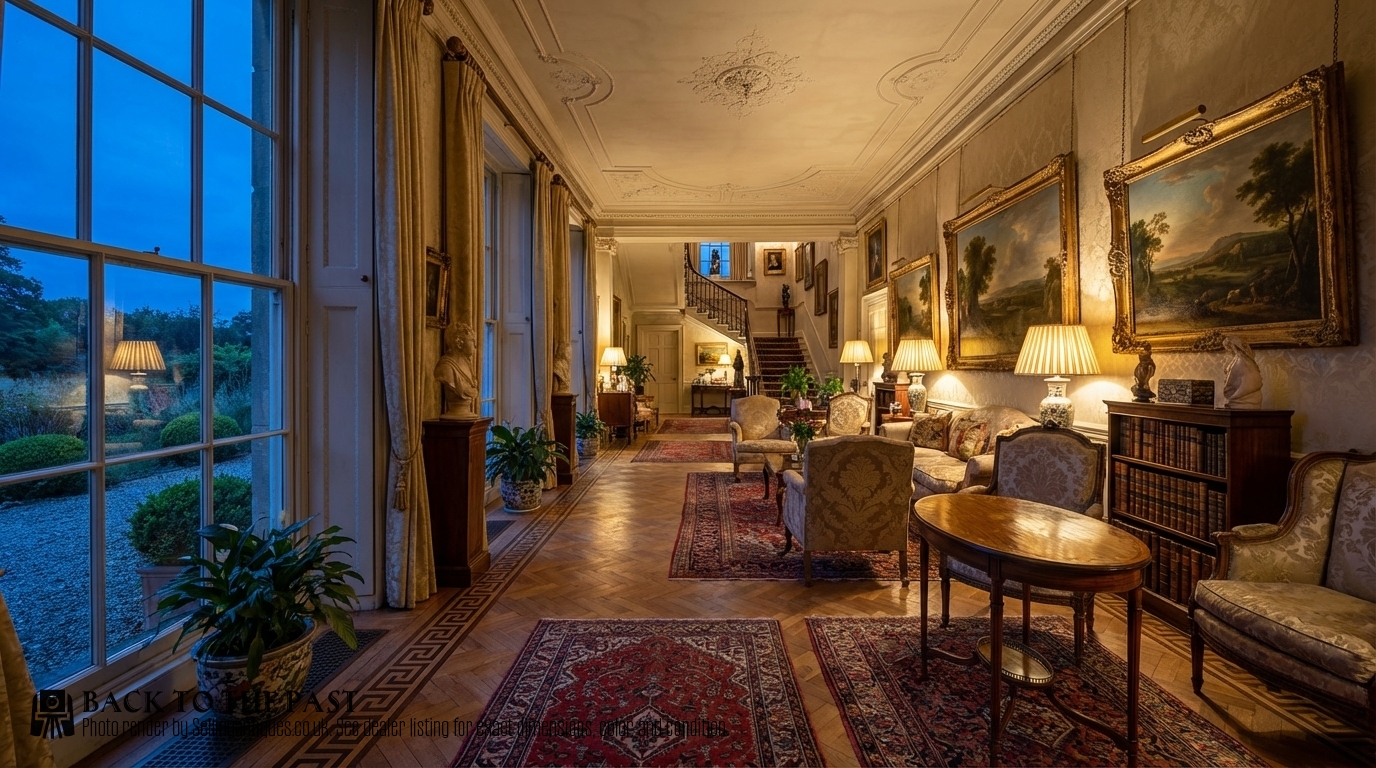
Identifying the oval accent table
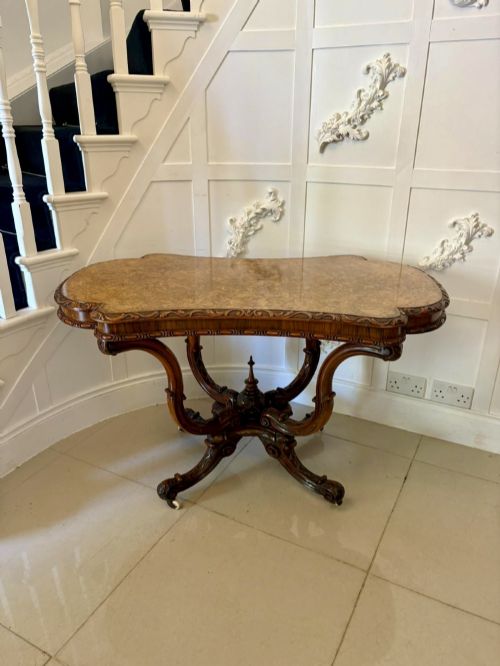
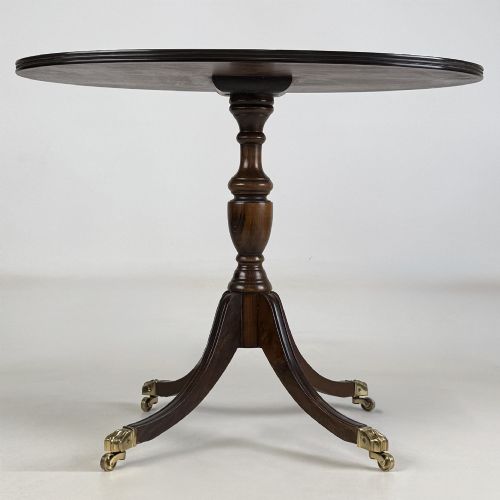
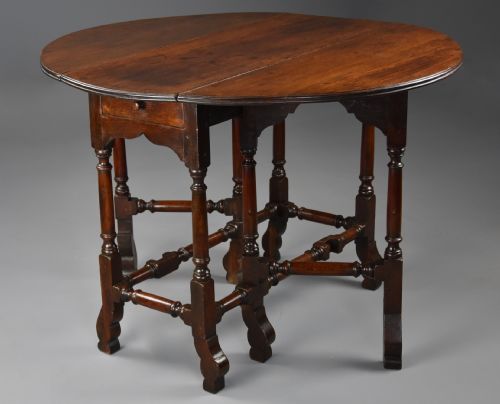
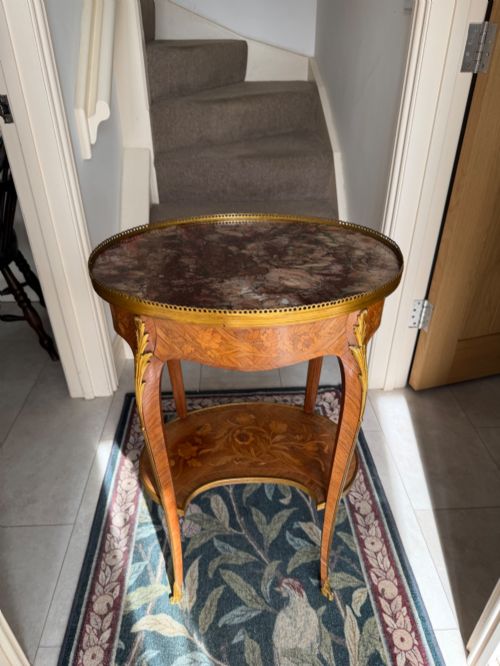
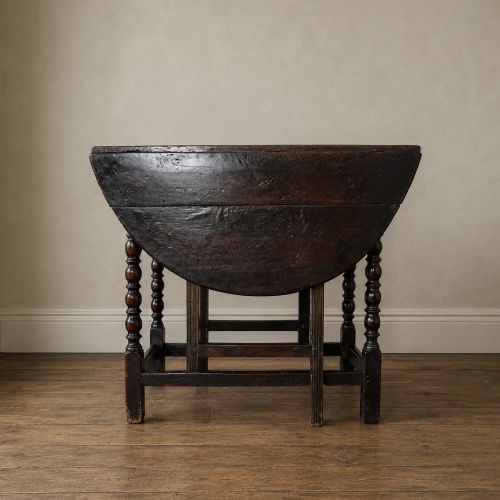
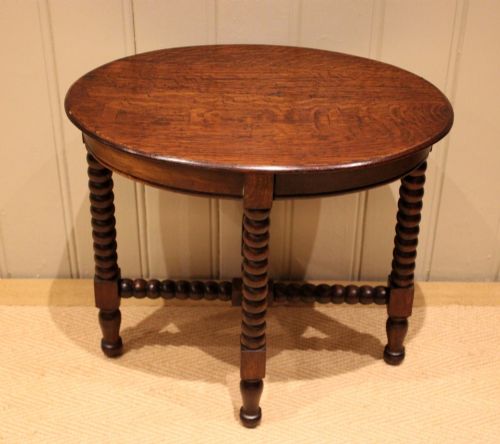
The oval accent table appears primarily as an occasional table or side table, designed for portability and placement beside seating or in hallways. Pieces in this category emerge from the nineteenth century, the Edwardian period, and around nineteen thirty, spanning revival designs and imported examples.
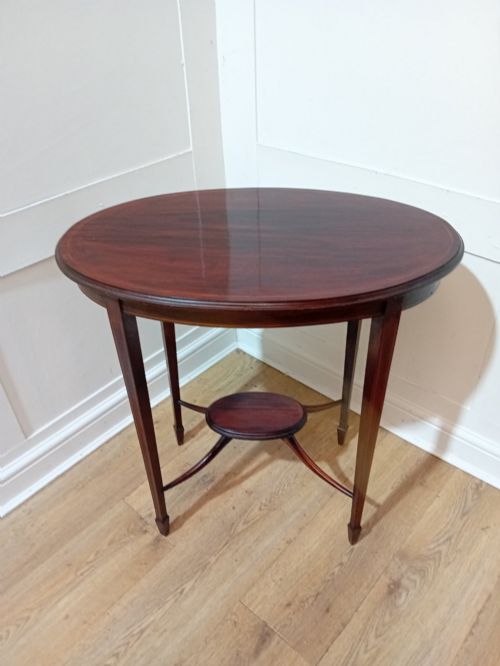
Buyers frequently encounter Edwardian mahogany veneer models and nineteenth century satinwood creations. Styles draw heavily on historical revivals, including Sheraton Revival, Chippendale style, and Anglo-Indian traditions.
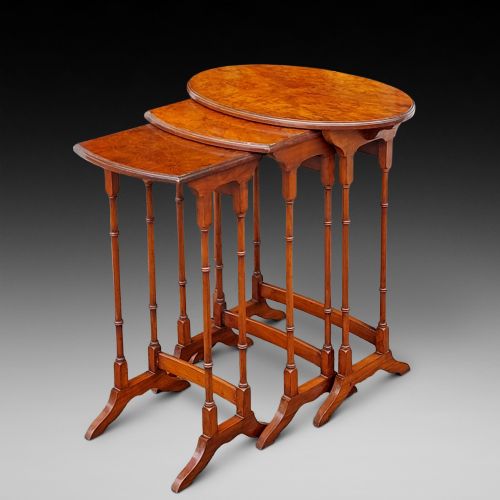
Forms range from single surface tops to two tier occasional tables that provide additional display space. Materials vary from dense hardwoods and rosewood to intricately patterned timber and bone inlay.
Materials and construction
Construction relies on classic cabinet timbers such as mahogany, mahogany veneer, satinwood, and rosewood. These hardwoods provide structural stability while accepting fine decorative finishes.
Surface ornamentation incorporates detailed timber inlay, bone inlay, and contrasting brass accents. These techniques reflect both British revival aesthetics and traditional craft methods from international workshops.
Retail Price Guide 2026
Typical UK retail prices for oval accent table, calculated from the Sellingantiques database of over a million retail prices indexed since 2003. This retail price guide relies exclusively on Sellingantiques data; no external sources or auction records are used, so the figures do not describe the wider market.
Materials represented include satinwood, mahogany, rosewood, brass, and bone inlay.
Assessing quality
Quality rests upon the selection and matching of cabinet timbers. Superior examples display carefully chosen satinwood or rich mahogany grain rather than plain surfaces.
The sophistication of decorative work distinguishes finer pieces. Delicately executed timber inlay and precise bone inlay require high levels of artisan skill compared to simpler plain veneer applications.
The Oval Accent Table Glossary
- Occasional table
- A small, movable table designed for specific, intermittent use rather than central placement in a room. These pieces function easily beside chairs or in small alcoves.
- Satinwood
- A pale, lustrous hardwood often used for high quality furniture veneers during the eighteenth and nineteenth centuries. It takes a brilliant polish and forms the base for elaborate inlay work.
- Mahogany veneer
- A thin layer of decorative mahogany applied over a secondary timber base. This technique allows cabinetmakers to utilise striking grain patterns efficiently.
- Timber inlay
- Pieces of contrasting wood inserted into a recessed surface to form decorative patterns. This demanding technique highlights the skill of the maker.
- Bone inlay
- Small pieces of animal bone carved and set into a wooden substrate to create intricate geometric or floral designs. This method appears frequently in Anglo-Indian pieces.
Frequently Asked Questions
What is an oval accent table used for?
An oval accent table serves as a convenient surface for lamps, books, or decorative objects within a living space.
Its curved shape allows it to fit smoothly into tighter corners or alongside seating without obstructing walkways.
How do I identify Edwardian tables?
Edwardian tables often feature lighter construction, mahogany veneers, and subtle inlay work reflecting late tastes.
Parks of this era emphasise practicality combined with refined domestic elegance.
What distinguishes Sheraton Revival pieces?
Sheraton Revival pieces draw on eighteenth century neoclassical lines, favouring satinwood and delicate proportions.
They frequently incorporate fine timber inlay and tapered legs for a graceful appearance.