

Antique Indian Coffee Table
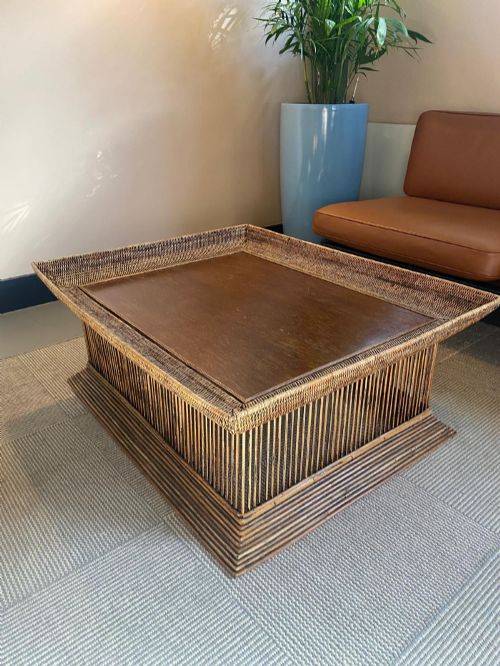
An antique indian coffee table brings dense hardwoods, intricate carving and low proportions straight from the subcontinent into a modern room.

Antique Indian Coffee Table
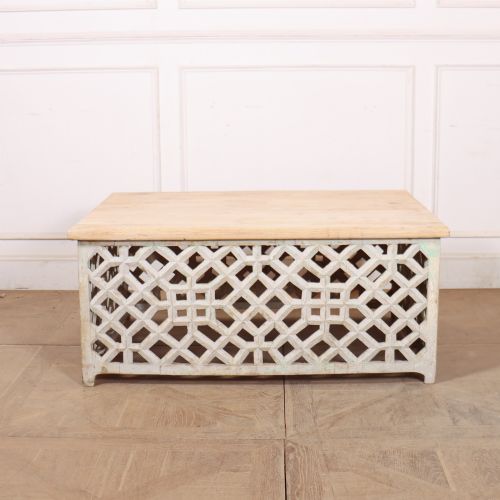
When you search for an antique indian coffee table, you enter a field defined by low domestic furniture adapted from traditional forms such as dowry chests, carts and floor-sitting takhats. These pieces bridge the gap between historical utilitarian objects and contemporary living spaces through lower statures and robust timber construction.
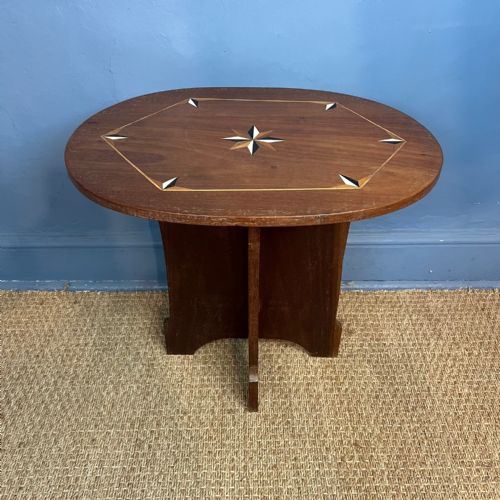
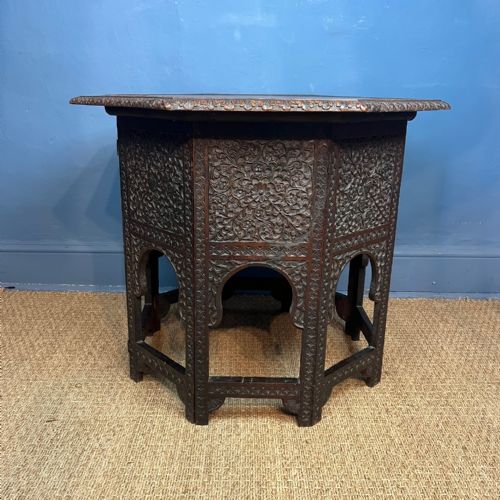
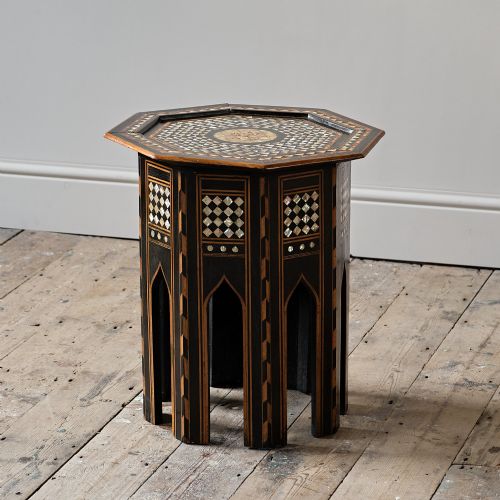
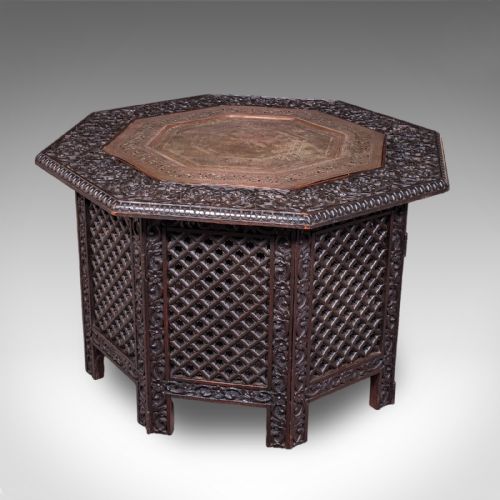
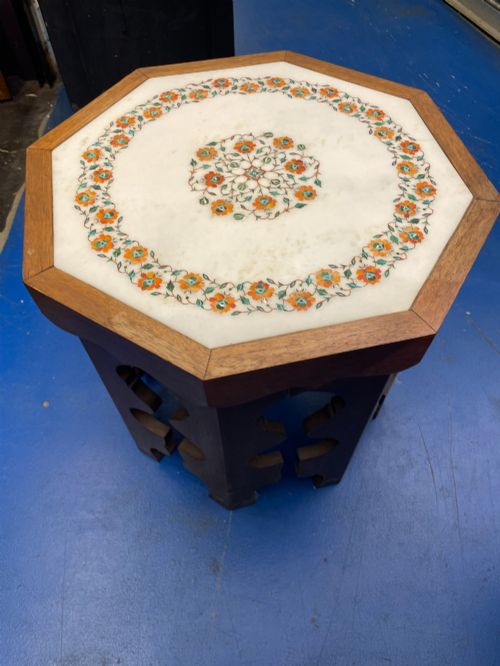
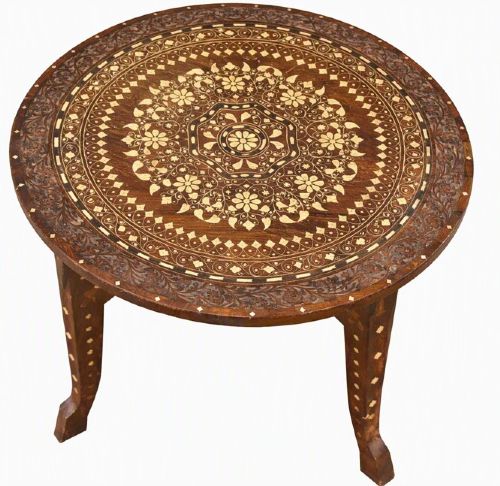
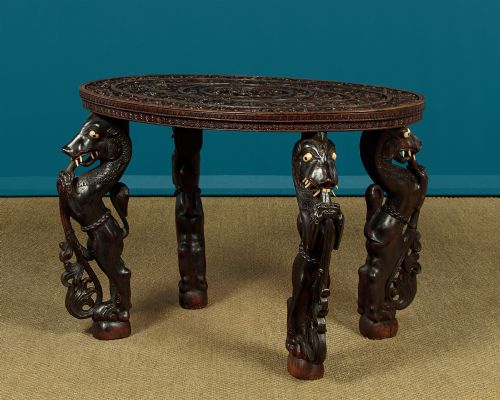
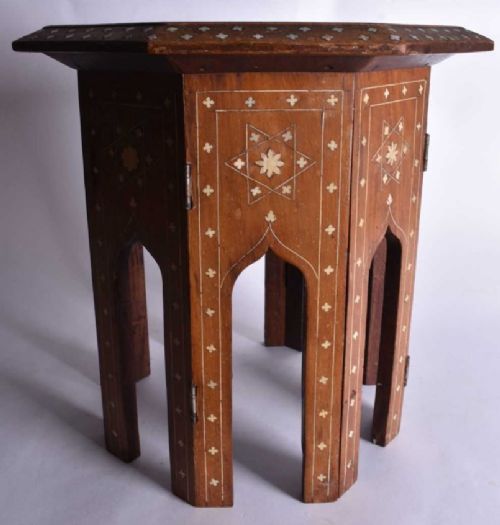
The version you are most likely to meet on this page is the carved occasional, centre or side table hailing from the nineteenth century or around nineteen hundred. They frequently display regional Anglo-Indian aesthetics alongside distinct forms like shield shapes, octagons and squares.
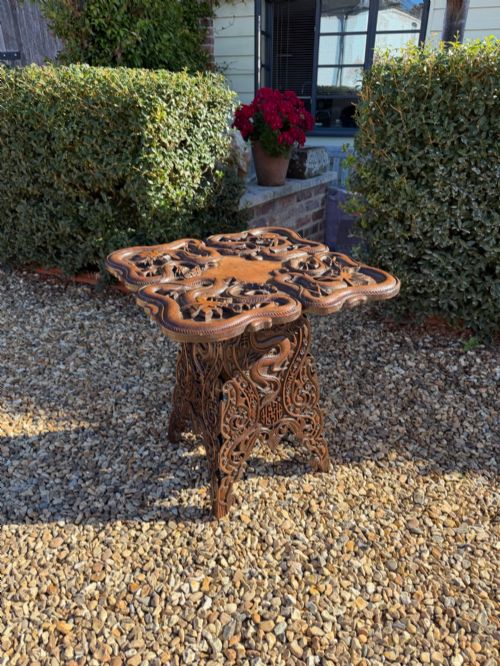
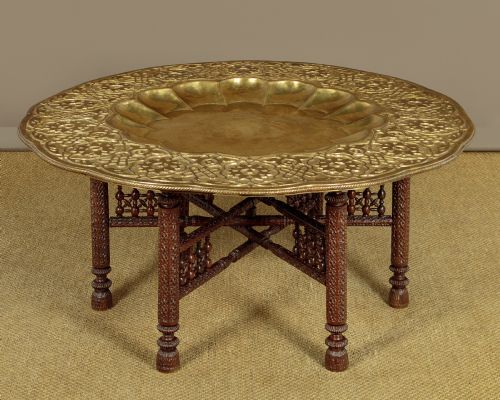
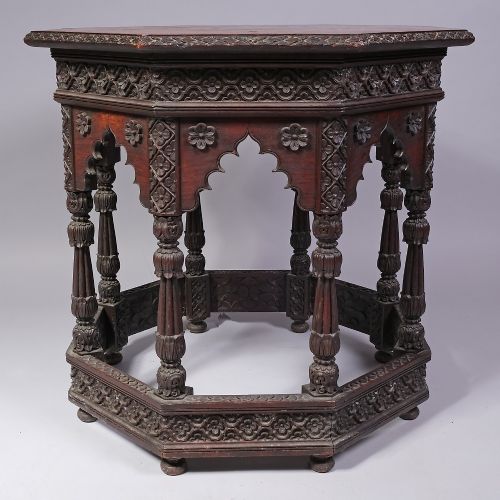
Makers utilised dense timbers such as teak, rosewood and general hardwood, often enhancing the surfaces with brass inlay, bone details or elaborate figural carving depicting elephants and foliage. Many of these low tables began their lives as dowry chests, carts or takhats before conversion into standard coffee table heights.
Materials and construction
Craftsmen built these tables using dense tropical timbers, specifically teak, rosewood and native hardwoods capable of supporting deep hand-carving and structural joinery. These heavy woods provided the stable foundation required for intricate surface work without compromising overall durability.
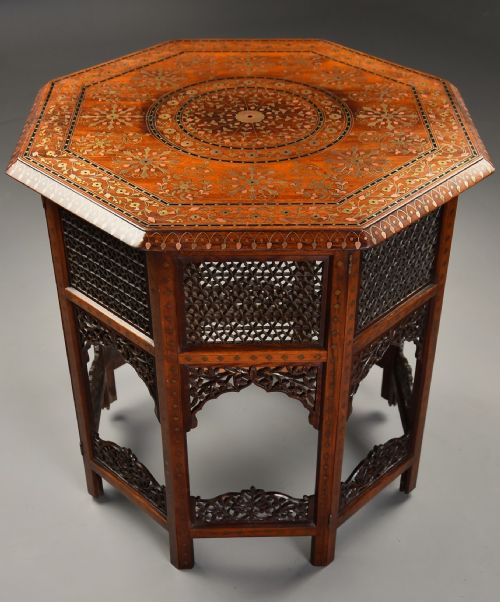
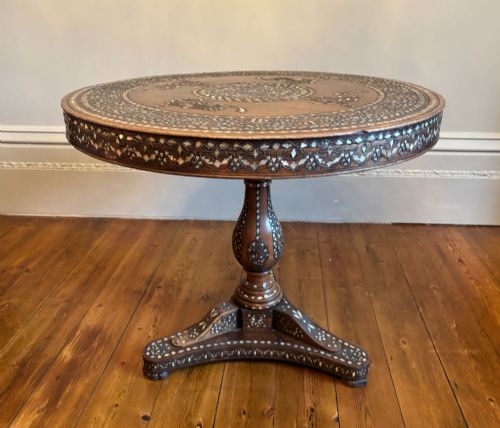
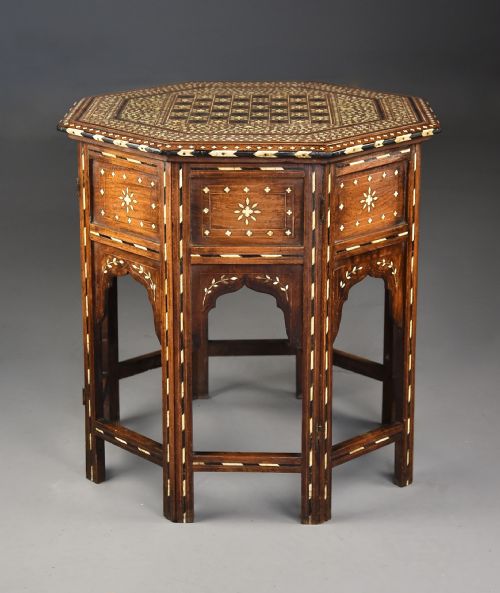
Decoration relied on skilled hand-carving alongside contrasting inlay materials such as brass and bone, particularly evident in specialised regional production like Hoshiarpur work. Artisans fashioned low frames, shield shapes, octagonal tops and heavy cart bases using traditional joinery methods suited to domestic and utilitarian transit items.
Antique Indian Coffee Table Retail Price Guide 2026
Typical asking prices for indian coffee table among the pieces listed under this phrase on Sellingantiques today, from the lower quarter to the upper quarter. They describe what is for sale here now, not the wider market.
The listings span the nineteenth century up to nineteen hundred, utilising teak, rosewood, hardwood, brass and bone.
Distinguishing quality across the range
Quality rests entirely in the depth, crispness and ambition of the hand-carving across the timber surface. Tables displaying deep relief work, particularly those incorporating figural elements like elephants or complex geometric bone and brass inlay, represent the upper tier of execution.
The architectural integrity of the base frame and the selection of the primary timber, whether heavy teak or figured rosewood, dictate the overall stature of the piece. Simpler utilitarian conversions from carts or basic chests sit at the sturdier, coarser end of the spectrum, while refined occasional and centre tables display finer proportional balance.
The Antique Indian Coffee Table Glossary
- Takhat
- A traditional low Indian seating platform designed for sitting cross-legged, frequently repurposed as a low coffee table in modern interiors.
- Anglo-Indian
- A descriptive term for furniture made in India during the British period, combining traditional Indian forms and ornamentation with British room requirements.
- Hoshiarpur
- A region in Punjab famous for intricate wood carving and inlay work utilising brass and bone set into dense timbers.
- Occasional Table
- A small, movable table intended for specific, intermittent use rather than permanent placement.
- Dowry Chest
- A large storage box brought by a bride into a marriage, often featuring heavy timber construction and elaborate carvings that lend themselves to coffee table conversion.
Antique Indian Coffee Table: Frequently Asked Questions
What is a takhat coffee table?
A takhat coffee table originates from a traditional low seating platform used across India for domestic lounging and conversation. These sturdy timber frames sit low to the ground and provide a broad surface ideal for modern living rooms.
They bring historical character and substantial hardwood construction into contemporary spaces without dominating the floor plan.
How do I live with an antique indian table?
Living with these pieces involves appreciating their robust timbers and dark wood tones alongside lighter modern upholstery. Their low proportions make them natural centerpieces for relaxed seating arrangements.
Regular maintenance requires simple dusting and occasional conditioning to preserve the dense teak or rosewood surfaces against dry household environments.
Were these tables originally coffee tables?
Most of these items were not built as coffee tables, since historical Indian domestic life generally utilised floor-level furniture. Many examples began as dowry chests, low seating platforms or even heavy transport carts.
Victorian and later Anglo-Indian production also introduced occasional and tea tables which naturally adapted to modern coffee table heights over time.
How do I identify Hoshiarpur inlay work?
Hoshiarpur pieces are recognised by dense, all-over surface patterns formed from contrasting materials pressed into the dark hardwood. Artisans used delicate pieces of bone and brass to create floral and geometric motifs across the entire top.
This distinct regional style stands apart from purely carved teak or rosewood tables through its bright, contrasting metallic and bone details.
What woods were used for these tables?
Makers relied on native tropical hardwoods, with teak and rosewood appearing most frequently across the surviving examples. These timbers offered the density required for deep sculptural carving and the weight needed for stable domestic use.
Over decades of handling, these woods develop a deep, rich patina that highlights the original hand-cut details.