





19th Century Indian Furniture
These items of 19th century indian furniture combine traditional British forms with intricate local carving, offering substantial presence and rich timber grains for the home.
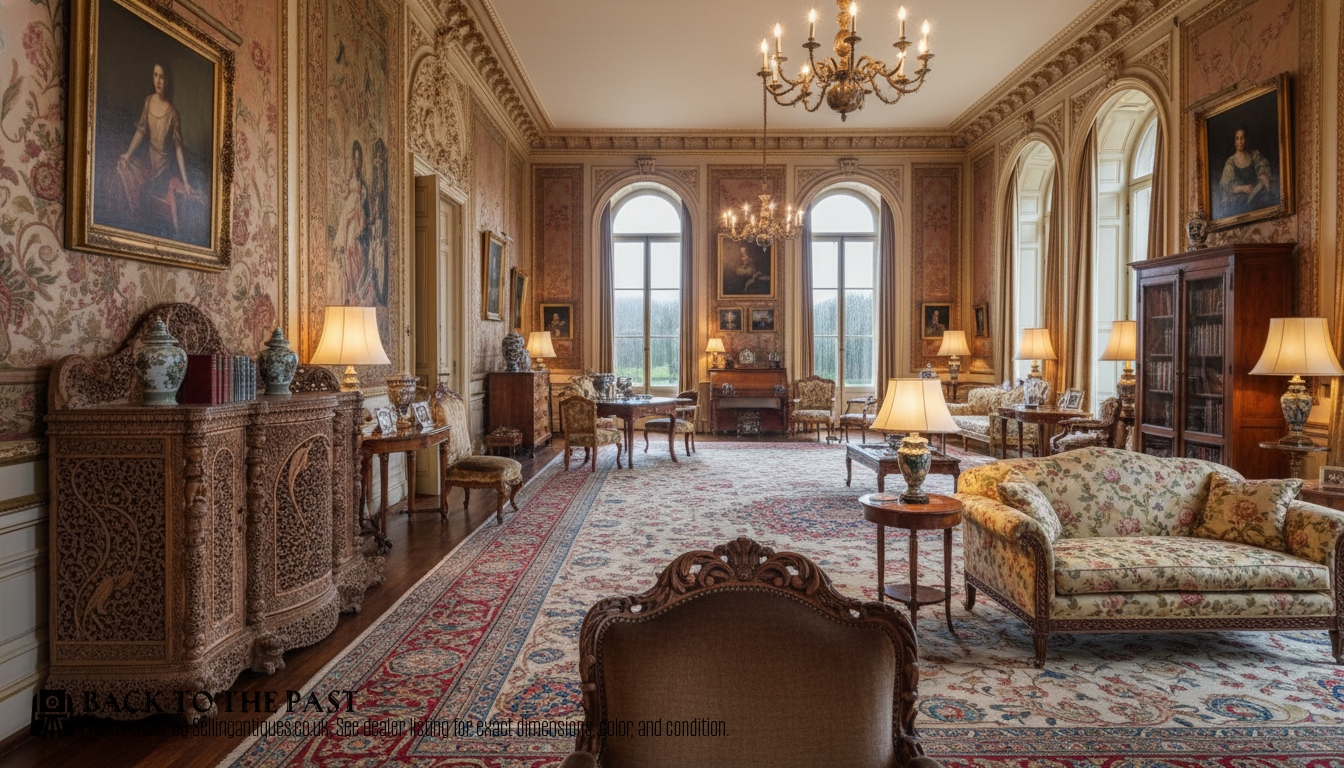
19th Century Indian Furniture
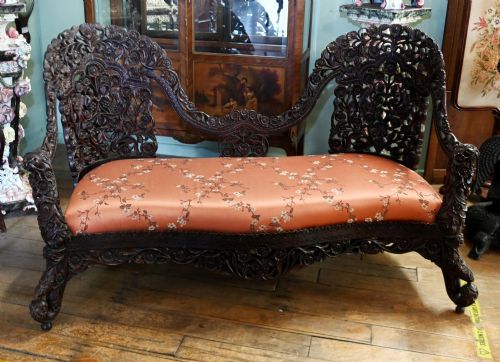
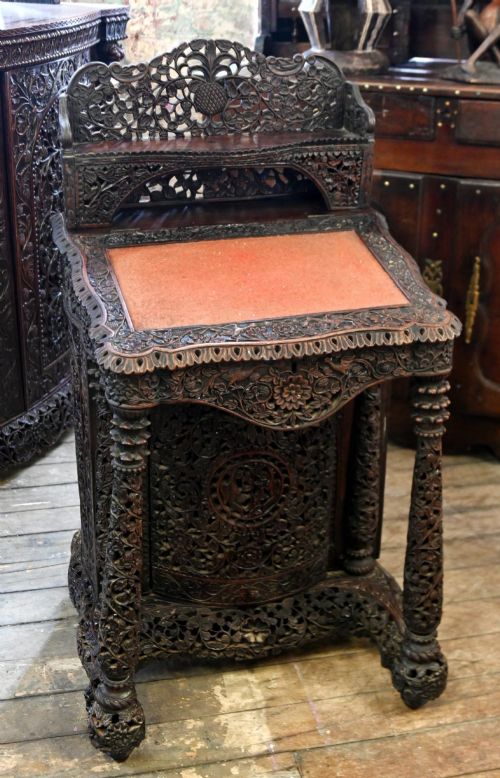
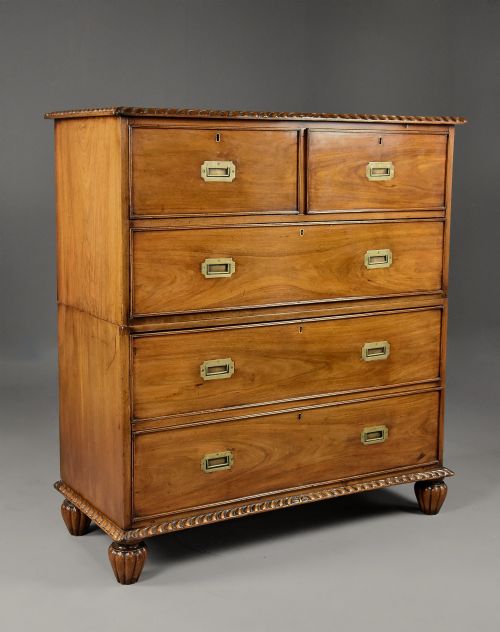
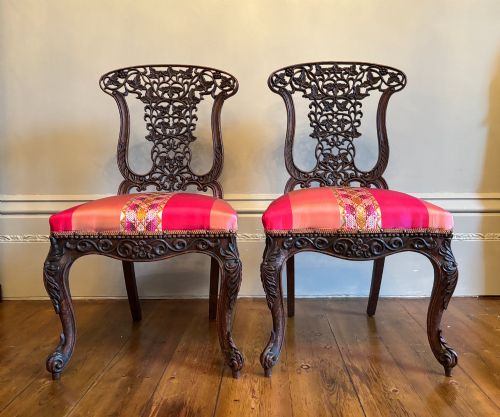
Buyers seeking 19th century indian furniture encounter a diverse selection of seating, tables, and storage pieces created during the colonial period. The inventory ranges from substantial partners desks and sideboards to occasional tables, armchairs, and campaign items.
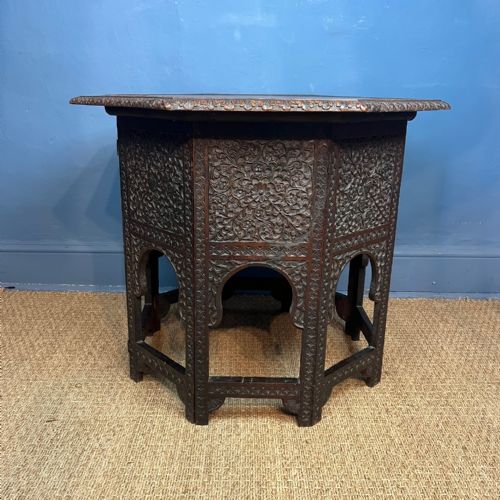
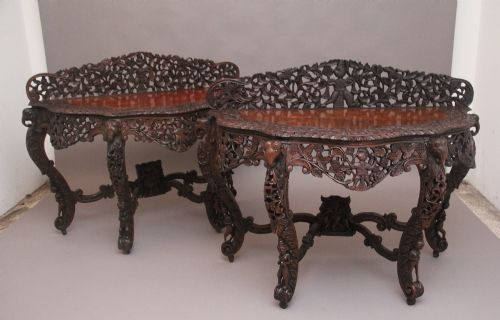
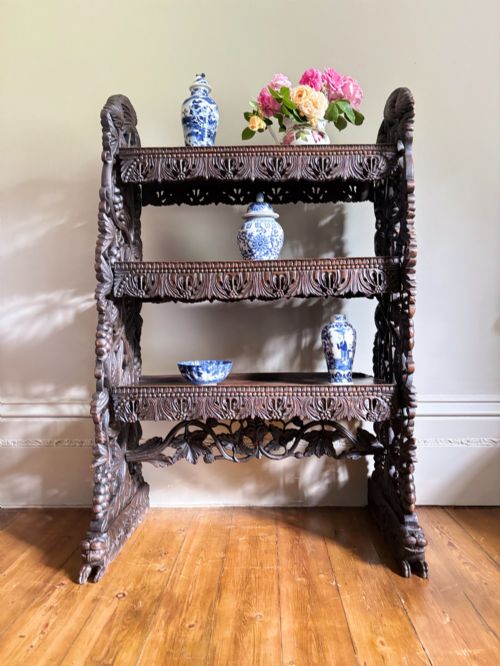
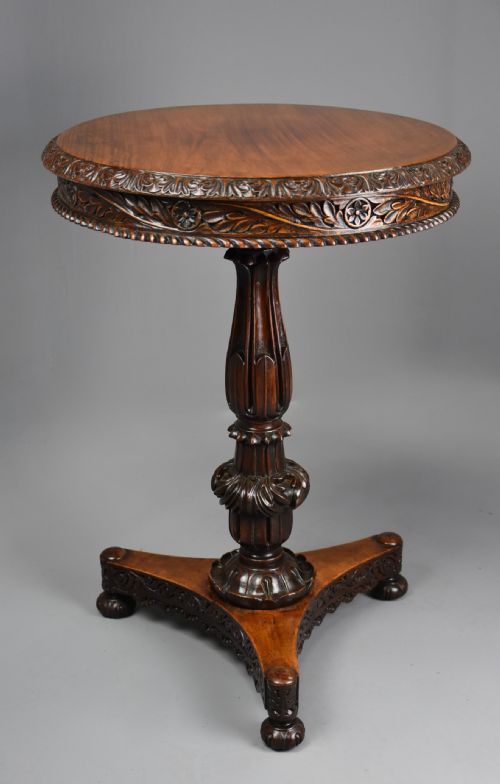
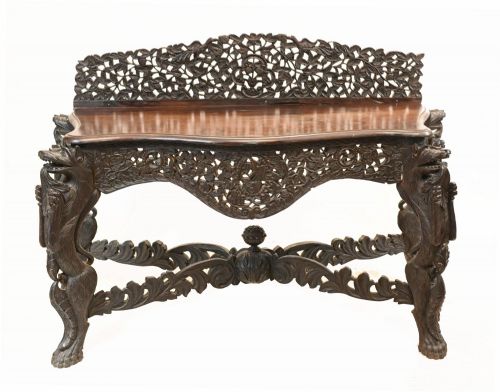
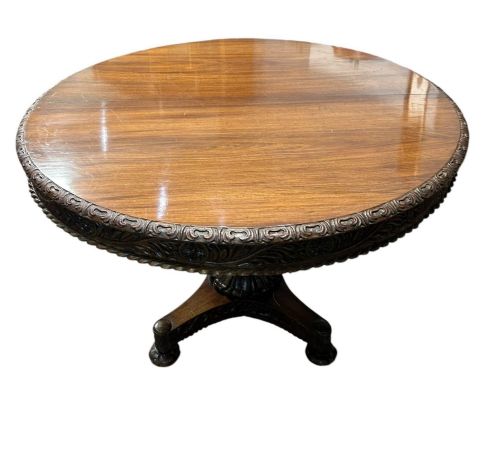
Anglo-Indian, Ceylonese, and Burmese regional traditions dominate the selection, often combining European furniture shapes with dense local carving. Tables and cabinets frequently display deep relief work featuring foliage, animals, or geometric patterns.
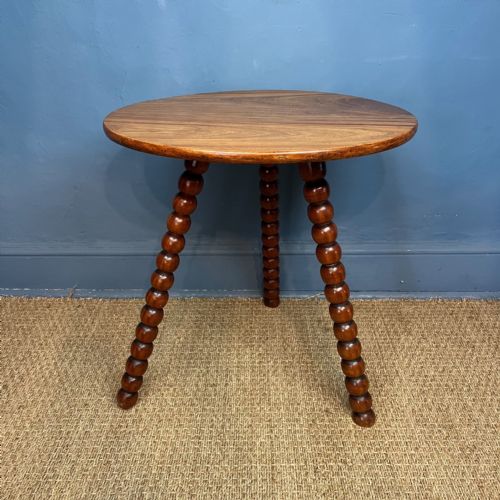
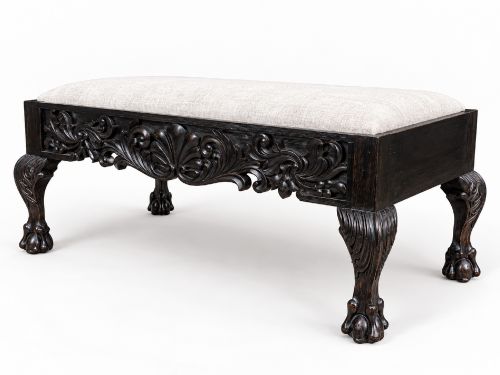
Occasional tables and side tables appear regularly, alongside larger seating options such as armchairs, sofas, and stools. Pieces span various decades of the nineteenth century, reflecting shifting tastes from Regency influences through to Aesthetic Movement and Moorish Revival styles.
Materials and construction methods
Maker workshops utilised dense tropical timbers including padauk, teak, rosewood, ebony, and calamander as the primary structural materials. These heavy hardwoods allowed artisans to execute extremely deep and crisp carved relief work without compromising stability.
Surface decoration frequently incorporated contrasting materials such as brass wire, bone, and mother of pearl inlaid into geometric or floral patterns. Campaign pieces utilised durable construction methods designed for dismantling and transport, while static items employed traditional joinery.
19th Century Indian Furniture Retail Price Guide 2026
Typical asking prices for 19th century indian furniture among the pieces listed under this phrase on Sellingantiques today, from the lower quarter to the upper quarter. They describe what is for sale here now, not the wider market.
Current listings feature eight distinct timber and decorative materials, ranging from solid ebony and padauk to cane and brass inlay.
Distinctions in craftsmanship
Depth and crispness of the carved details separate standard examples from finer specimens, particularly in Hoshiarpur and Anglo-Indian work. The best pieces maintain sharp definition across foliage and figural motifs without softer, blurred edges.
Integration of inlay work determines overall refinement, where brass, bone, or mother of pearl sits flush within the hardwood ground. Timber selection also plays a role, with choice selections of figured padauk, calamander, or solid ebony elevating a piece.
The 19th Century Indian Furniture Glossary
- Anglo-Indian
- Furniture made in India during the British colonial period for both export and resident European use. It merges British furniture forms with local carving traditions.
- Hoshiarpur
- Associated with a specific style of inlaid woodwork originating from Punjab, characterised by intricate geometric patterns using brass, bone, or white metal.
- Padauk
- A heavy, durable reddish-brown tropical hardwood favoured by nineteenth-century makers in India and Burma for carved cabinets and tables.
- Teapoy
- A small occasional table or stand, originally designed for holding tea canisters, which became a common form in colonial households.
19th Century Indian Furniture: Frequently Asked Questions
Where were these pieces used originally?
British administrators and merchants utilised these items within colonial bungalows and administrative offices across the subcontinent.
Many objects were also shipped back to Britain to furnish domestic drawing rooms and libraries in fashionable Victorian styles.
How do I care for tropical hardwoods?
Keep wooden surfaces away from direct heat sources and sudden humidity changes to prevent timber splitting.
Apply occasional natural wax treatments to maintain the lustre of dense timbers like ebony, padauk, and rosewood.
How do I distinguish regional styles?
Ceylonese pieces frequently employ solid ebony and deep scrolling foliage, whilst Burmese items emphasise high-relief figural carvings.
Hoshiarpur examples are instantly recognizable by their dense all-over inlay of geometric patterns in brass and bone.
Are these pieces suitable for modern homes?
Occasional tables and sideboards function practically in contemporary living spaces for display and storage.
Solid construction ensures these nineteenth-century items withstand daily use while providing a distinctive focal point.