


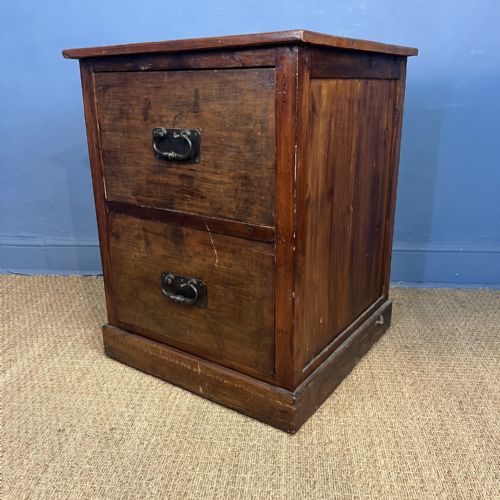


Anglo Indian Cabinet
An anglo indian cabinet brings rich colonial craftsmanship and dense tropical timber into a room.

Anglo Indian Cabinet
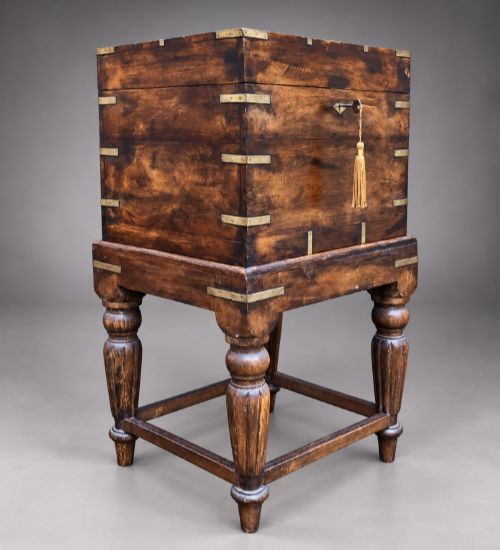
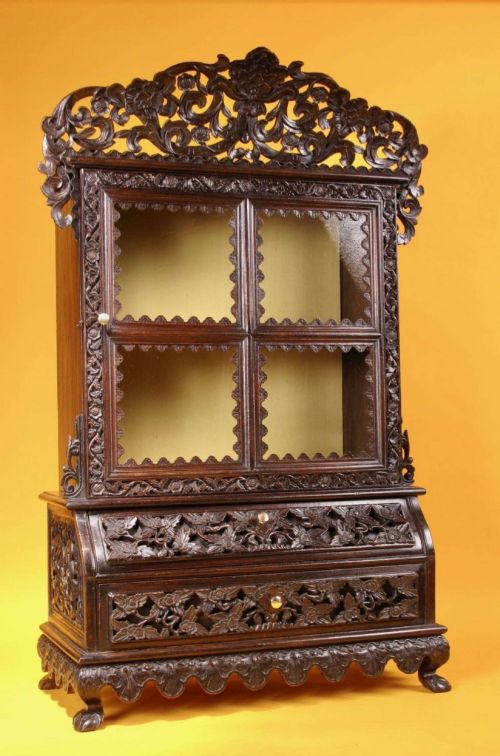
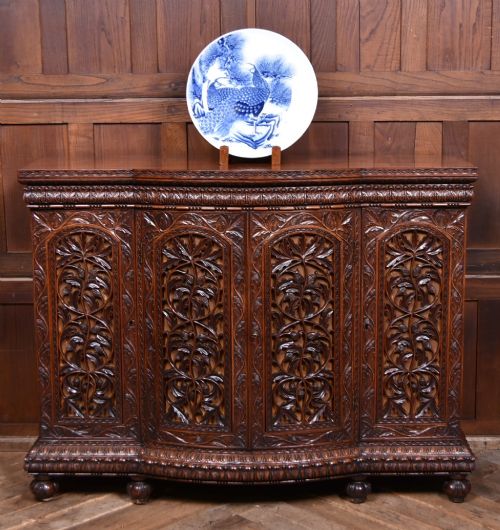
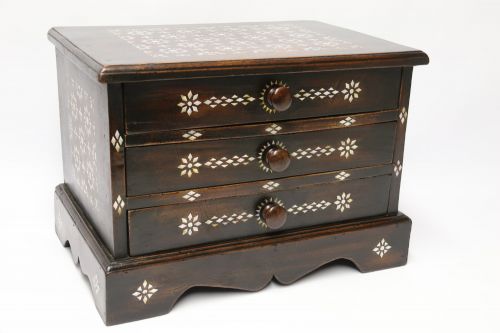
An anglo indian cabinet encompasses a diverse range of forms, from large display bookcases and four door sideboards to compact table and filing cabinets. These pieces date principally from the nineteenth century, including examples from the eighteen fifties and nineteen tens, reflecting British colonial administration and trade in regions such as the Bombay Presidency.
The most common formats met on this page are carved side cabinets, glazed display cases, and small collector pieces. They combine traditional Indian carving motifs with European furniture forms suited to colonial homes and offices.
Materials and Technique
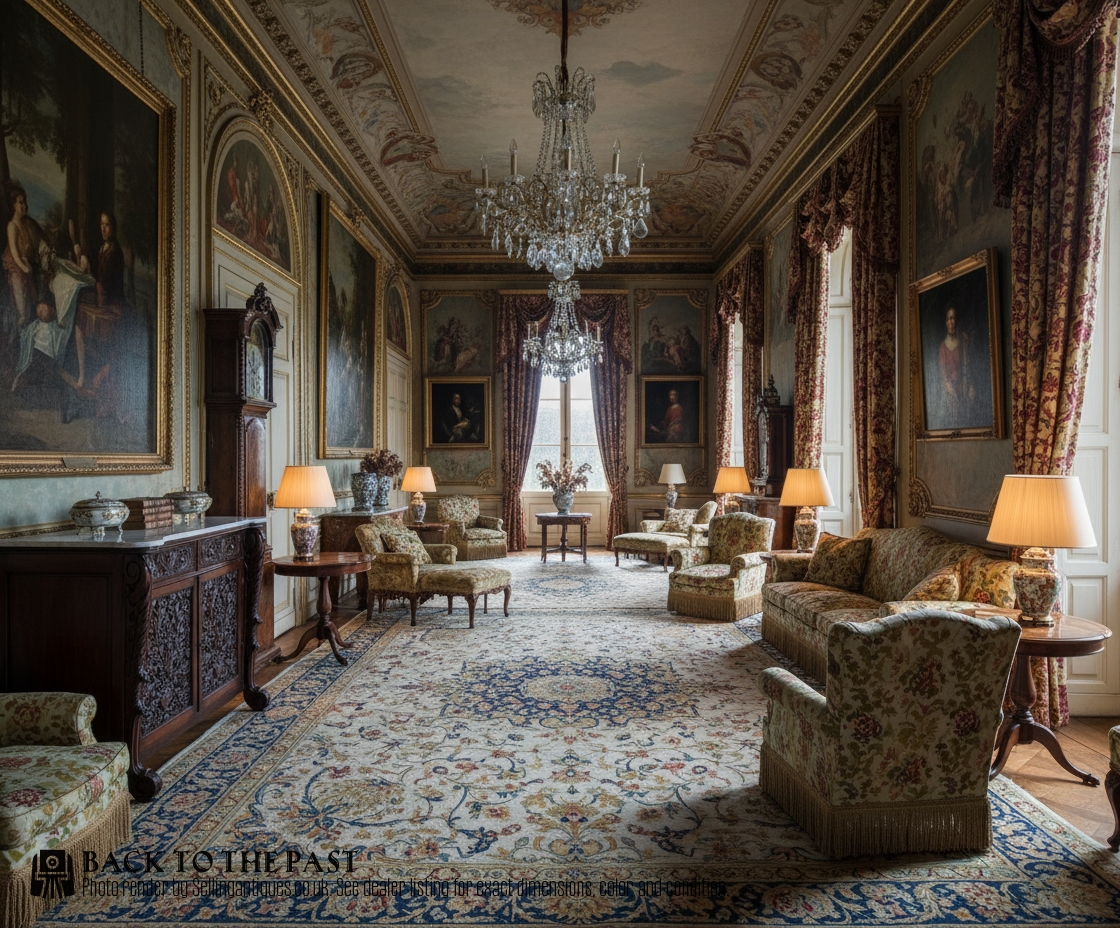
Makers utilised dense tropical timbers such as teak, rosewood, padouk, satinwood, cedar, and assorted hardwoods. These durable woods provided a stable canvas for intricate, deep relief carving.
Construction frequently incorporates brass and iron hardware, glass panels for display doors, and occasional marble tops. Surfaces display elaborate hand carving featuring figural motifs, temple pediments, and foliage.
Anglo Indian Cabinet Retail Price Guide 2026
Typical asking prices for anglo indian cabinet among the pieces listed under this phrase on Sellingantiques today, from the lower quarter to the upper quarter. They describe what is for sale here now, not the wider market.
Listings feature nineteenth century dates alongside nineteen ten and eighteen fifty, utilising teak, rosewood, satinwood, and marble.
Judging Quality
Quality rests upon the crispness and depth of the hand carving and the selection of the timber. Dense rosewood and figured satinwood command greater respect than standard utility hardwoods.
Proportion and structural integrity distinguish the finer pieces from simpler colonial utility furniture. The integration of original brass hardware and well-fitted glazed doors further elevates a piece.
The Anglo Indian Cabinet Glossary
- Padouk
- A heavy, durable tropical hardwood with a reddish hue used frequently in colonial furniture. It takes fine detail during carving.
- Chiffonier
- A low cabinet or sideboard featuring shelves or drawers, popular during the nineteenth century. It serves as a compact storage and display unit.
- Temple pediment
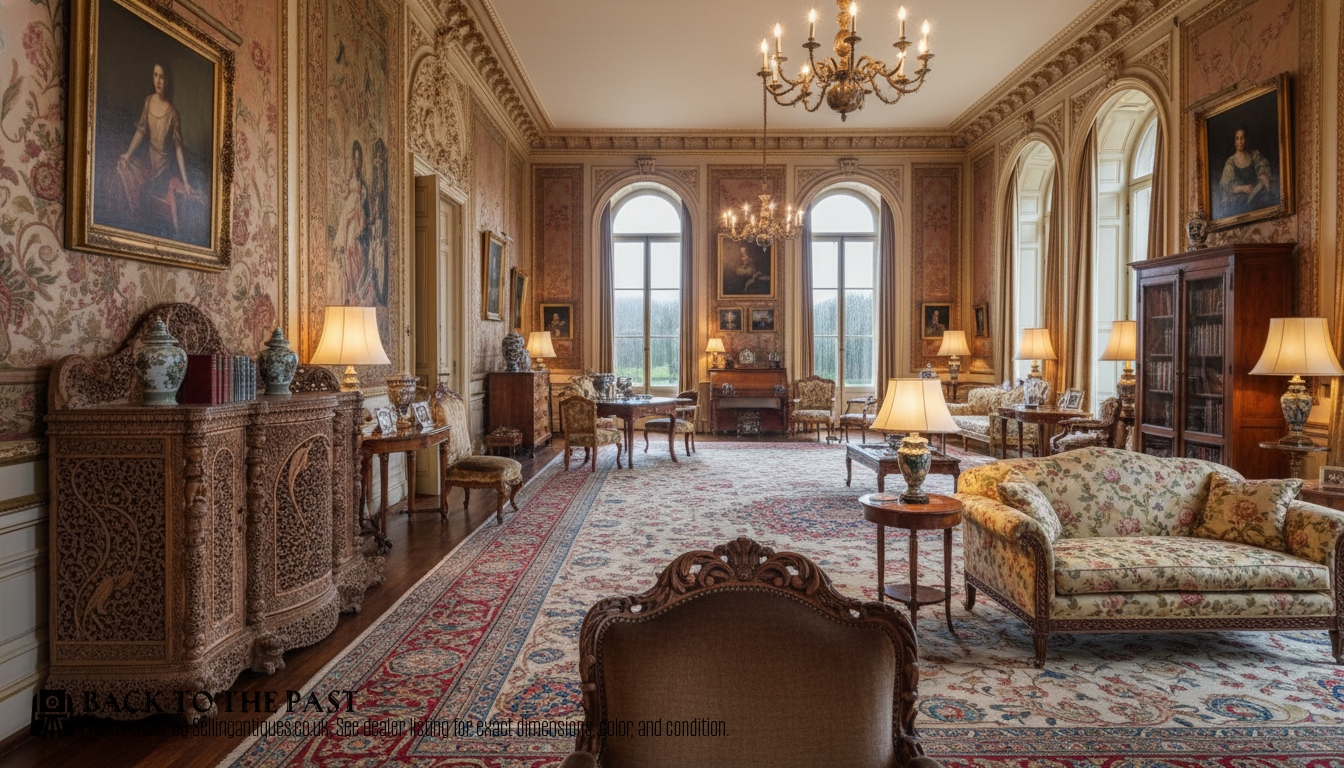
- An architectural decorative element crowning the top of a cabinet, often carved with traditional motifs. It echoes classical temple architecture.
- Collector cabinet
- A specialised small cabinet fitted with multiple drawers for storing specimens or small valuables. These items often feature secure locking doors.
Anglo Indian Cabinet: Frequently Asked Questions
What is an anglo indian cabinet?
An anglo indian cabinet is a piece of furniture made in India during the colonial period for British and local markets. It merges traditional Indian carving techniques with European furniture shapes.
These pieces range from large bookcases and sideboards to small wall and table cabinets, constructed from dense tropical timbers like teak and rosewood.
How do I date an anglo indian cabinet?
Dating relies on timber choice, construction methods, and stylistic cues from the nineteenth and early twentieth centuries. Pieces from the eighteen thirties and eighteen fifties often exhibit specific Regency or Victorian structural influences.
Examination of internal fixings, drawer construction, and secondary woods helps confirm the period of manufacture.
How do I care for tropical hardwood?
Maintain stable humidity and temperature in the room to prevent the dense timber from splitting. Avoid placing the cabinet near direct heat sources or strong sunlight.
Dust gently with a dry cloth and feed the wood occasionally with appropriate natural wax to preserve the finish.