


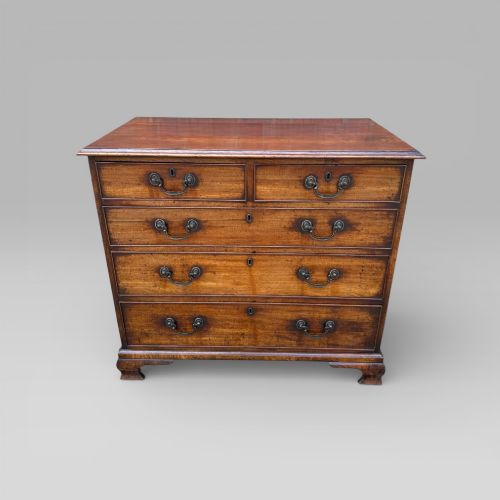
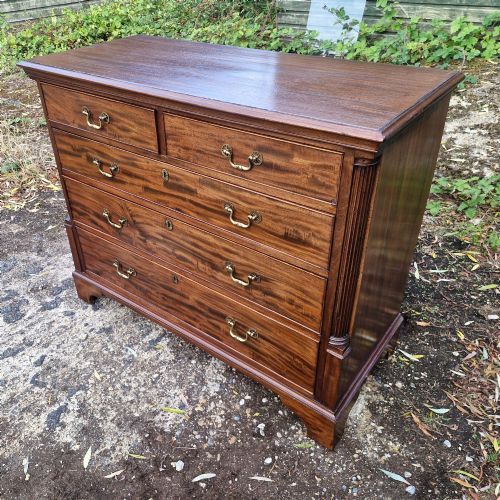
Two Drawer Chest
When you search for a two drawer chest, you encounter compact case pieces designed for bedside, hall, or dressing use across multiple centuries.
Two Drawer Chest
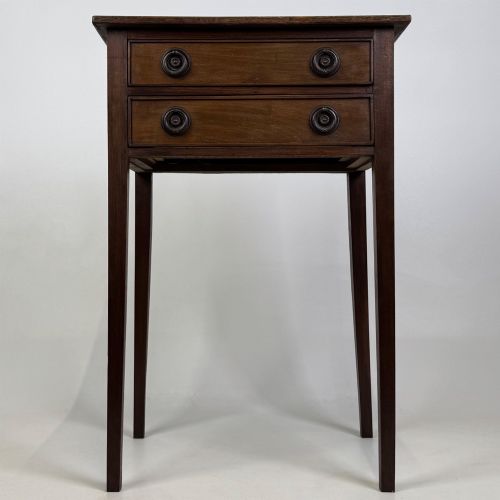
A two drawer chest provides compact storage in a low profile, appearing across the Georgian, Victorian, and Edwardian periods. These pieces serve domestic spaces where a full height chest proves too large, functioning as side tables, nightstands, or low commodes.
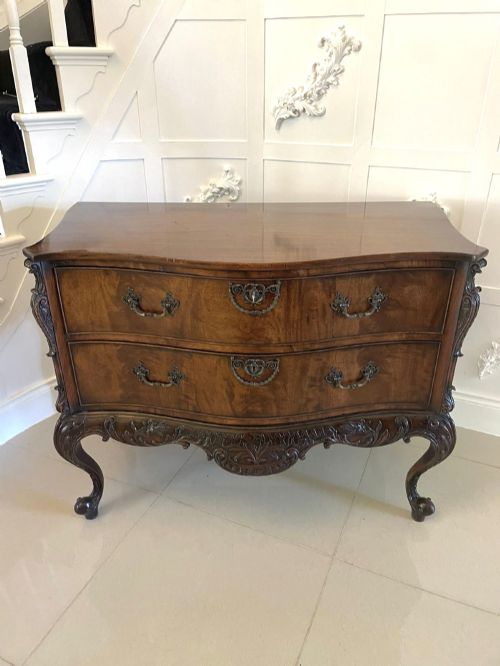
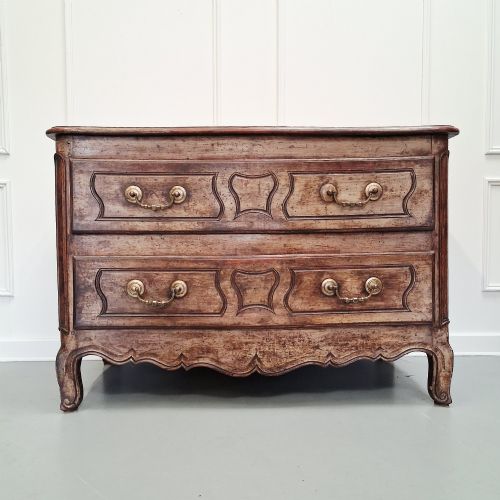
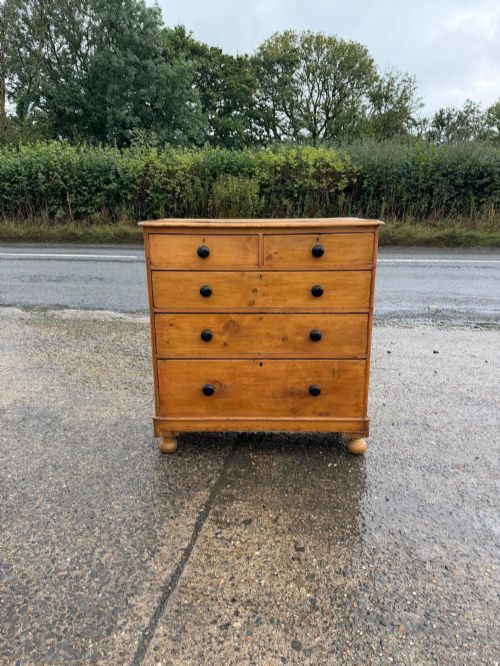
The evidence records these formats in mahogany, walnut, and pine, often configured as smaller bedside chests or French commodes. Makers constructed these items for functional storage while maintaining the decorative proportions of their respective eras.
How they were made
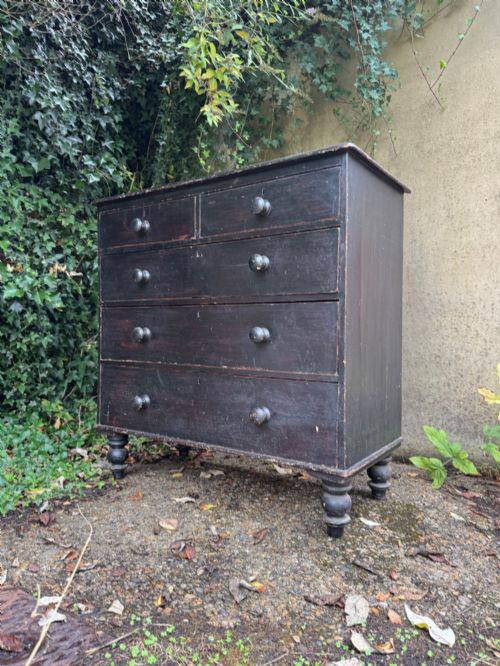
Cabinet makers utilised dense hardwoods like mahogany and walnut alongside regional timbers such as oak, fruitwood, and pine. Construction often involved frame and panel techniques or solid board assembly joined with dovetailing on the drawer boxes.
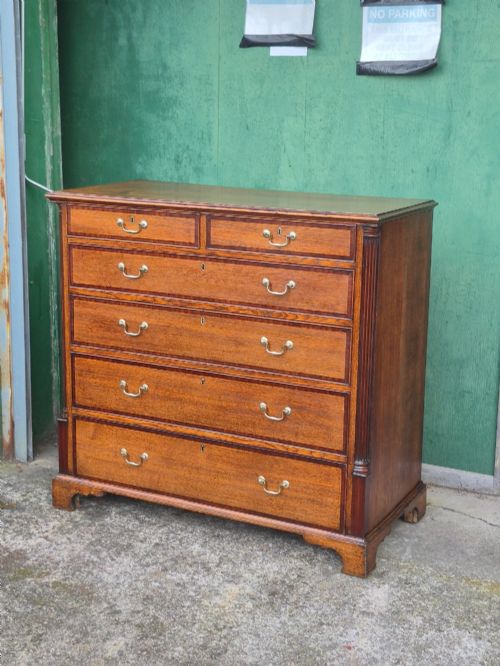
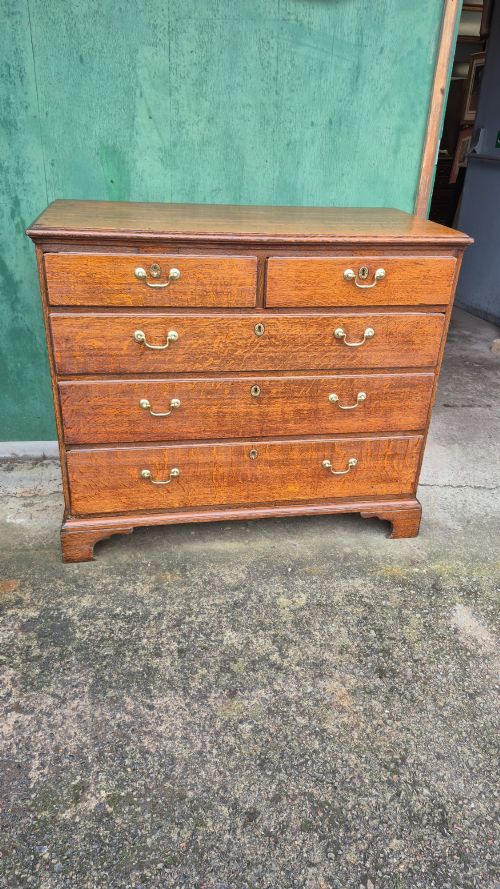
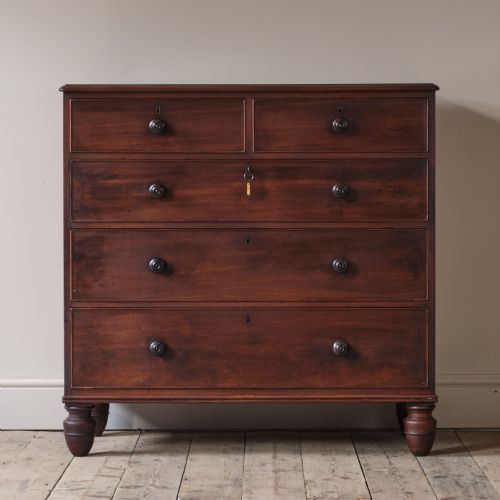
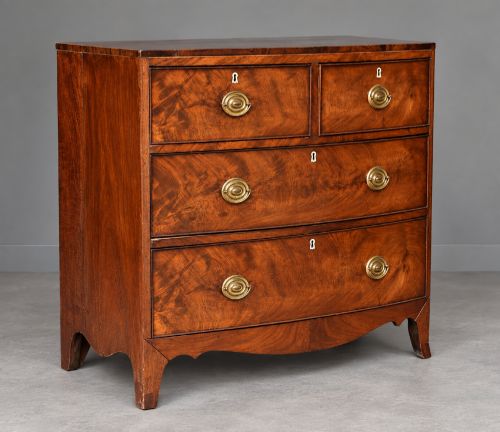
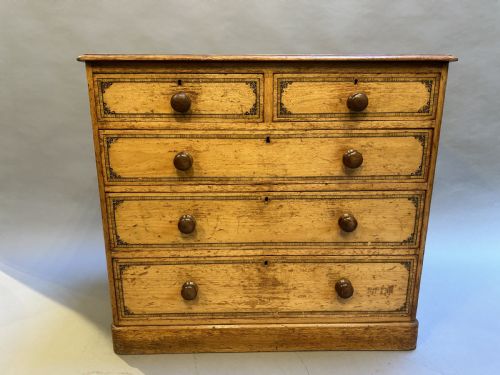
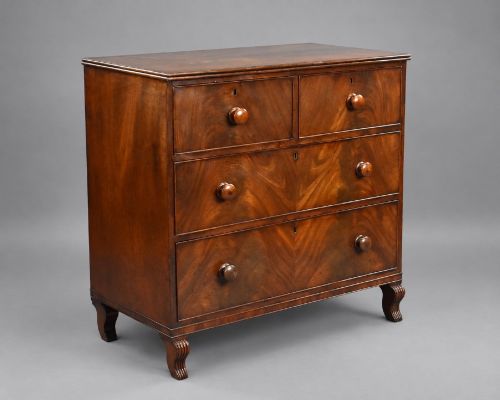
Surface finishes range from polished flame mahogany veneer and figured walnut to scrubbed or stencilled pine and painted fruitwood. Hardware typically includes brass pull handles, drop handles, or turned wooden knobs depending on the period.
Listings feature pieces spanning the 17th century to the 1920s, constructed in mahogany, oak, walnut, pine, and fruitwood.
What varies in quality
The standard of timber selection distinguishes standard utility items from finer examples, particularly where figured veneers or matched grain patterns appear on the drawer fronts. Finer pieces demonstrate precision in the dovetail joints and the uniformity of secondary timbers used inside the drawers.
Proportion and decorative restraint dictate the standing of a piece within its period. Refined mouldings, original brass hardware, and well-executed bracket or bun feet elevate the execution of the design.
T & G Seddon·J Moorcroft·Heals of London
The Two Drawer Chest Glossary
- Bowfront
- A convex curved cabinet front popular during the Georgian and Victorian eras. This shape softens the profile of a room.
- Campaign chest
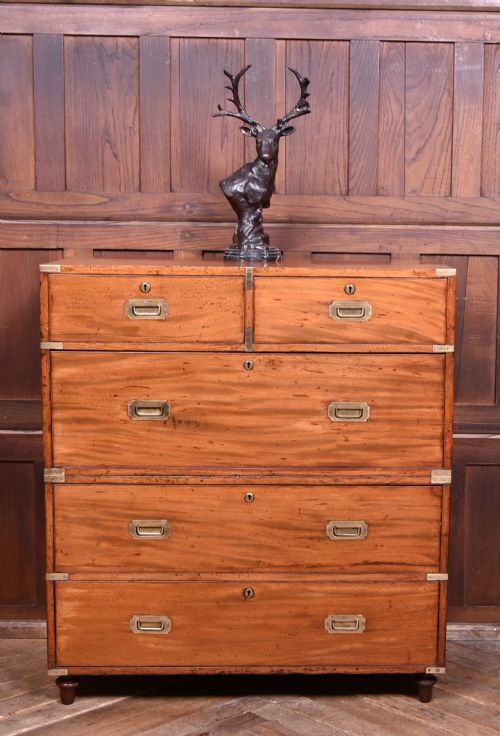
- A sectional piece built in two parts with recessed brass handles for military transport. These items utilised teak or mahogany for durability.
- Commode
- A low French or continental chest of drawers or cabinet. These often feature marble tops or bombe profiles.
- Veneer
- A thin layer of figured wood applied to a secondary timber base. Flame mahogany and walnut are common examples found on these surfaces.
- Dovetail
- An interlocking woodworking joint used to secure drawer corners. Hand-cut variations indicate earlier periods of manufacture.
Two Drawer Chest: Frequently Asked Questions
What periods do these chests come from?
The inventory spans the seventeenth century through to the early twentieth century, encompassing William and Mary, Georgian, Victorian, and Edwardian eras. Each period brings distinct timber choices and structural proportions to the furniture.
Earlier examples often display oak or fruitwood, while later nineteenth-century pieces frequently utilise mahogany or pine.
How were two drawer chests originally used?
These compact items served primarily as bedside tables, dressing chests, or small serving pieces in domestic rooms. Their low height made them suitable for spaces where standard wardrobes or tall chests were impractical.
Continental commodes often functioned as salon or bedroom storage, sometimes topped with marble.
Are these pieces made of solid wood?
Construction varies between solid timber and veneered surfaces depending on the style and date. Hardwoods like oak and pine generally appear as solid boards, whilst mahogany and walnut frequently employ veneers over secondary woods.
Cabinet makers used veneers to display decorative grain patterns such as flame mahogany or figured walnut.