
Brown Wood Cabinets
Brown wood cabinets span centuries of joinery, offering practical storage and rich timber grains for traditional and period interiors.
Brown Wood Cabinets
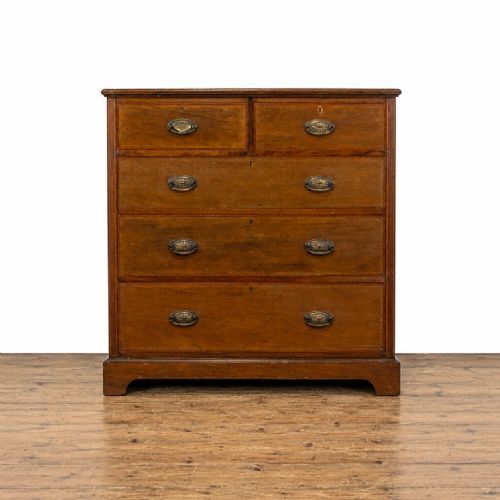
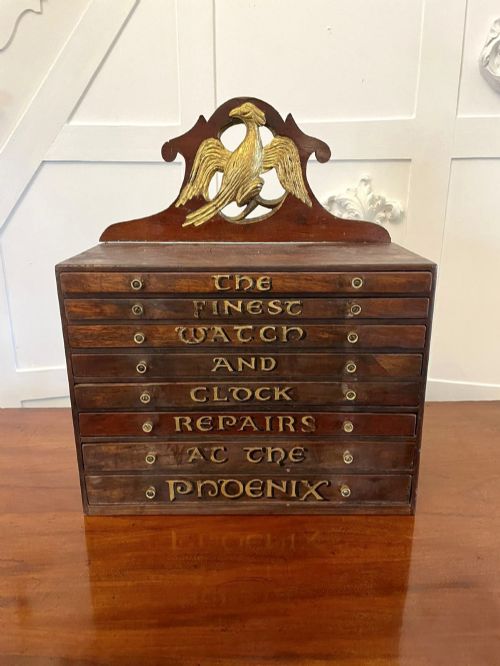
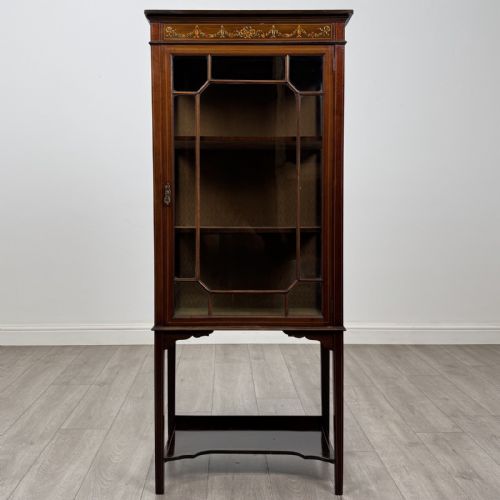
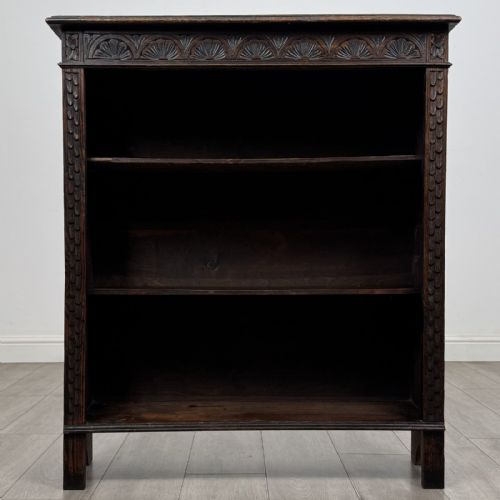
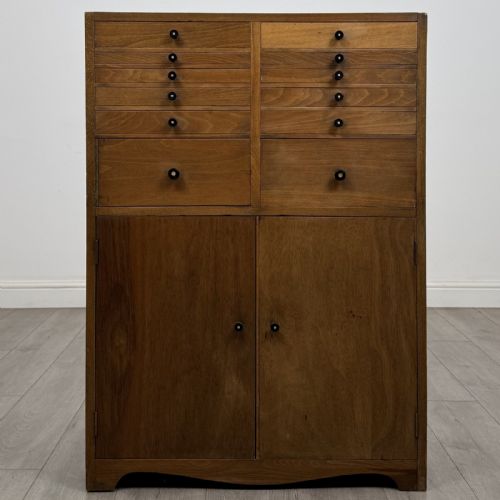
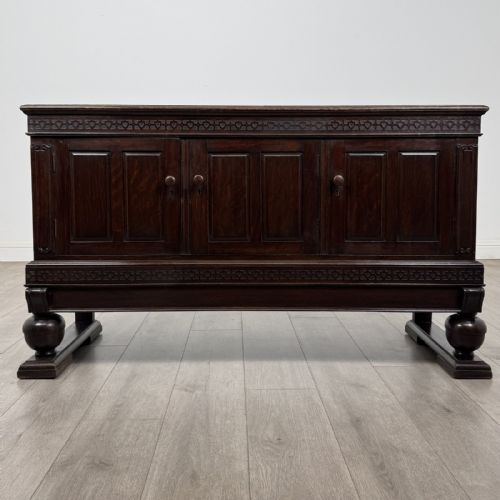
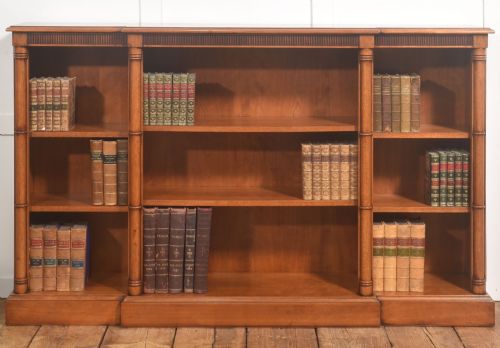
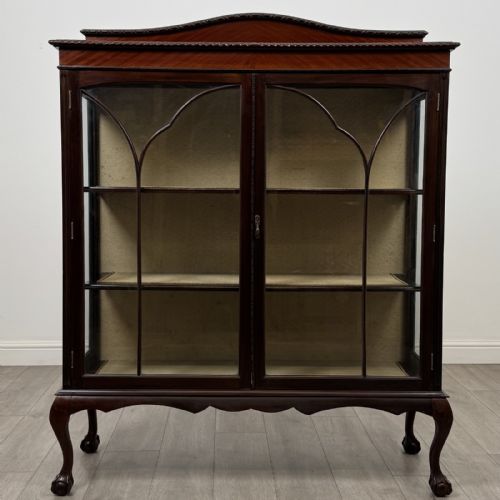
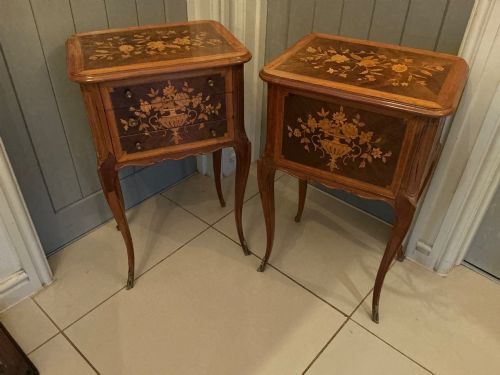
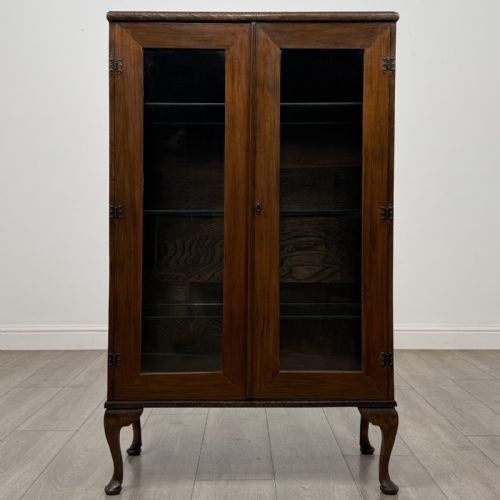
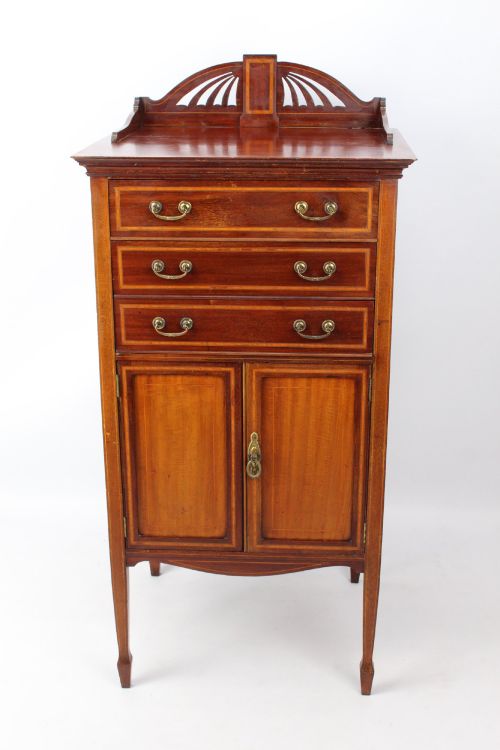
You are most likely to meet Edwardian and Victorian examples on this page, alongside Georgian pieces and later twentieth-century interpretations. These items served domestic functions ranging from book storage and china display to specialised items like music cabinets and bedside tables.
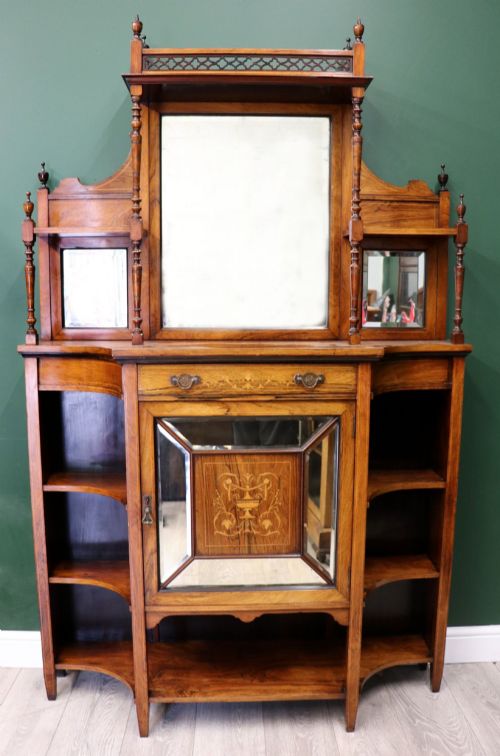
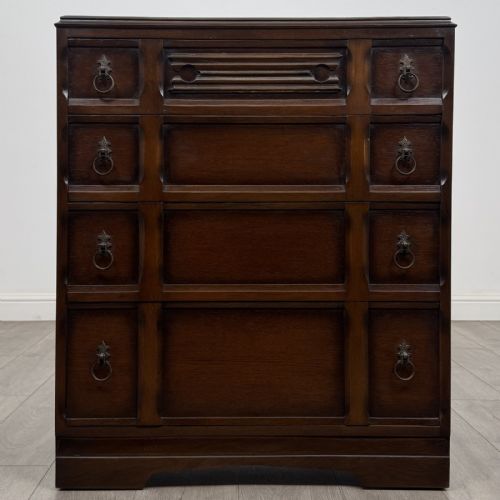
The forms originate from diverse British and continental workshops, utilising dense timbers characteristic of traditional cabinet making. Each period brings distinct decorative flourishes, from Georgian crossbanding to Edwardian marquetry and carved oak motifs.
Assessing Craftsmanship and Material Selection
The distinction between standard pieces and the top of the range rests upon the choice of timber figurations, such as plum pudding mahogany or figured walnut. Superior examples demonstrate meticulous crossbanding, fine marquetry inlay, and carefully matched grain patterns across primary surfaces.
Structural integrity and the retention of original hardware, locks, and keys further elevate a piece. Master cabinet makers distinguished their work through precise dovetailing, balanced proportions, and refined carving details rather than mass-produced uniformity.
Waring and Gillow
The Brown Wood Cabinets Glossary
- Crossbanding
- A border strip of veneer laid on the grain running perpendicular to the surrounding wood. This technique creates a neat framing effect on drawer fronts and table tops.
- Marquetry
- Decorative patterns formed by fitting together small pieces of veneer into timber surfaces. It often depicts floral or geometric motifs using contrasting woods.
- Bow Front
- A convexly curved front surface typical of certain chests of drawers and serving tables. This curved profile softens the linear appearance of heavy case furniture.
- Breakfront
- A piece of furniture where the central section projects forward from the flanking wings. This architectural arrangement creates depth and visual interest in large bookcases and cabinets.
- Dovetail
- A joint formed by interlocking wedge-shaped fingers, essential for durable drawer construction. Fine spacing and tight joints indicate superior hand carpentry.
Brown Wood Cabinets: Frequently Asked Questions
How do I date a brown wood cabinet?
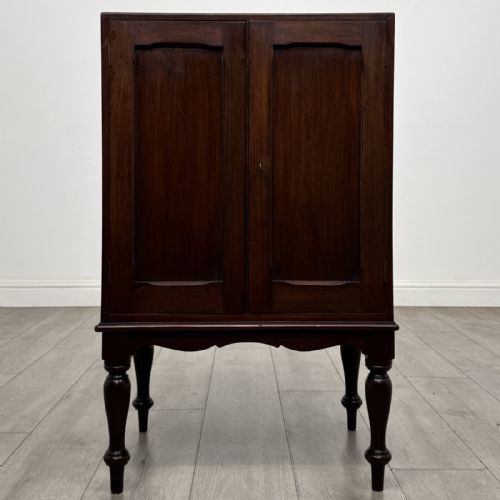
Dating relies on observing construction methods, timber choices, and stylistic details such as bracket feet, turned legs, or marquetry. Examining the interior drawer joints and backboards provides reliable clues to the period.
Comparing hardware styles and secondary woods helps narrow down the decade of manufacture. Each era from the Georgian period onward left distinct technical markers.
Are these cabinets suitable for modern homes?
These pieces integrate well into contemporary interiors by offering substantial storage while adding warmth and historical character. Their rich timber tones complement both minimalist and eclectic design schemes.
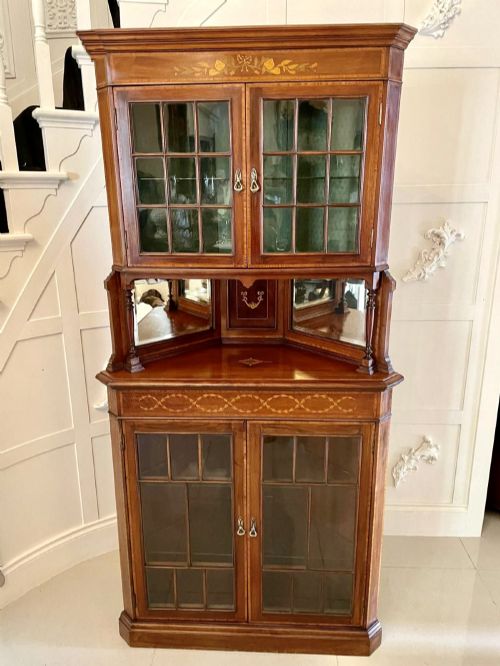
Items like corner cupboards and small side cabinets utilise awkward spaces efficiently. Display cabinets protect collectibles while serving as focal points in living areas.
What is the difference between a display cabinet and a bookcase?
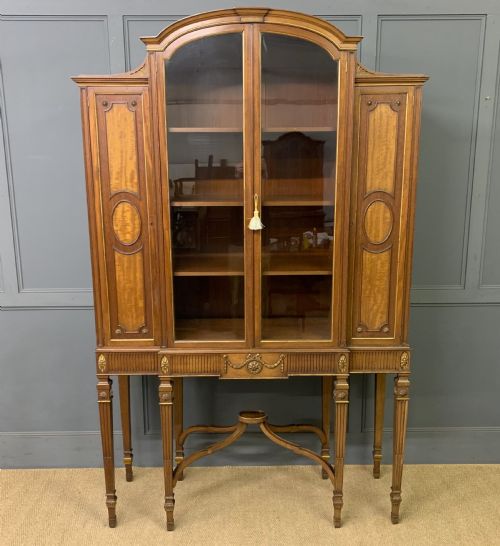
Display cabinets typically feature glazed doors designed to showcase porcelain, glassware, or curiosities while keeping them dust-free. They often incorporate mirrored backs or lined shelving for visual emphasis.
Bookcases focus primarily on open shelving for housing libraries, though some hybrid models include lower storage cupboards. The presence of glass doors usually defines the display category.
How should I care for antique mahogany and oak?
Maintain timber surfaces by applying high-quality beeswax periodically and avoiding direct sunlight to prevent fading. Regular dusting with a soft, dry cloth prevents particle buildup on polished finishes.
Keep wooden furniture away from extreme temperature fluctuations and direct heat sources to avoid timber splitting. Proper humidity control preserves both the solid wood and delicate veneer work.