



Longcase Clock Face
When you search for a longcase clock face, you are looking at the vital registering disc of a traditional tall clock, forged in brass or iron to mark the passage of hours in eighteenth and nineteenth century parlours.
Longcase Clock Face
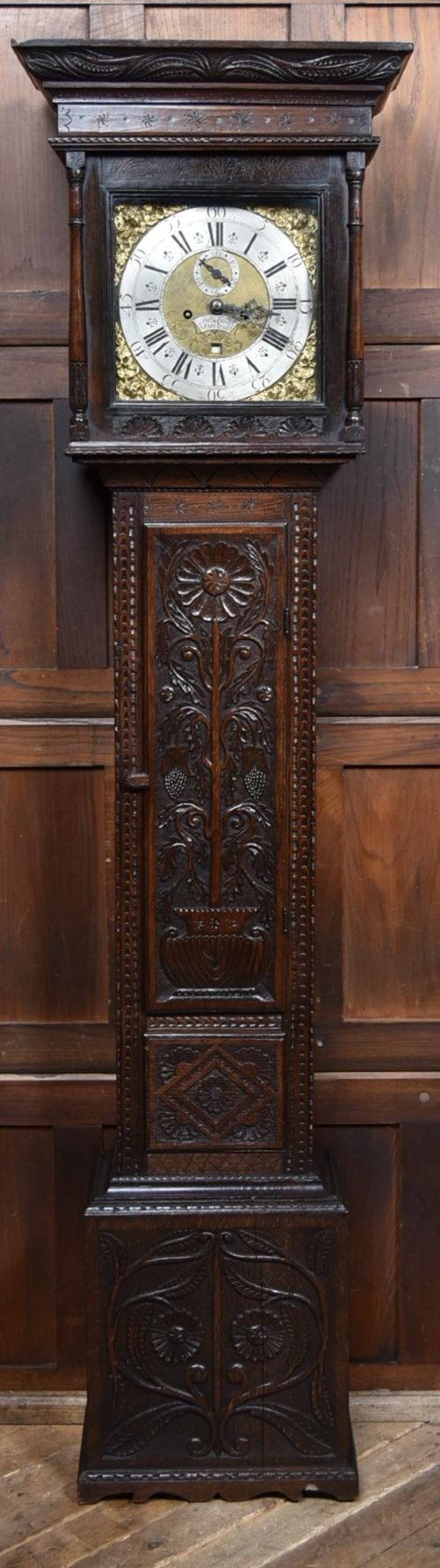
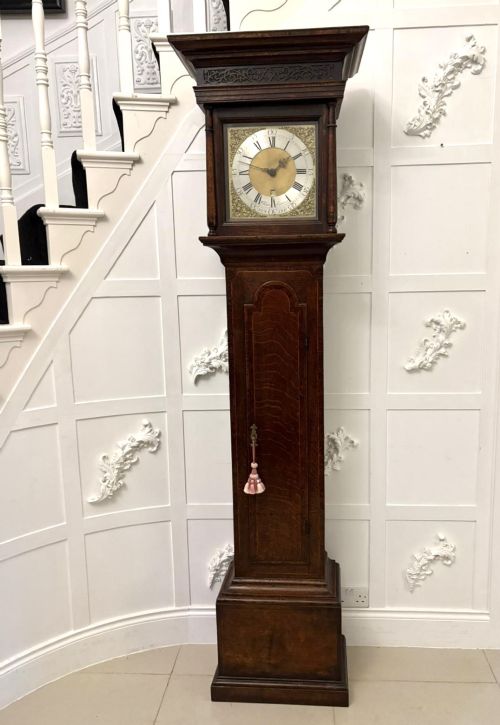
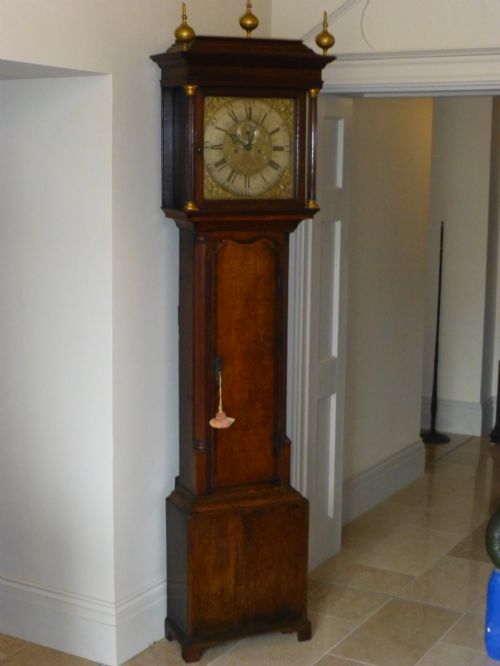
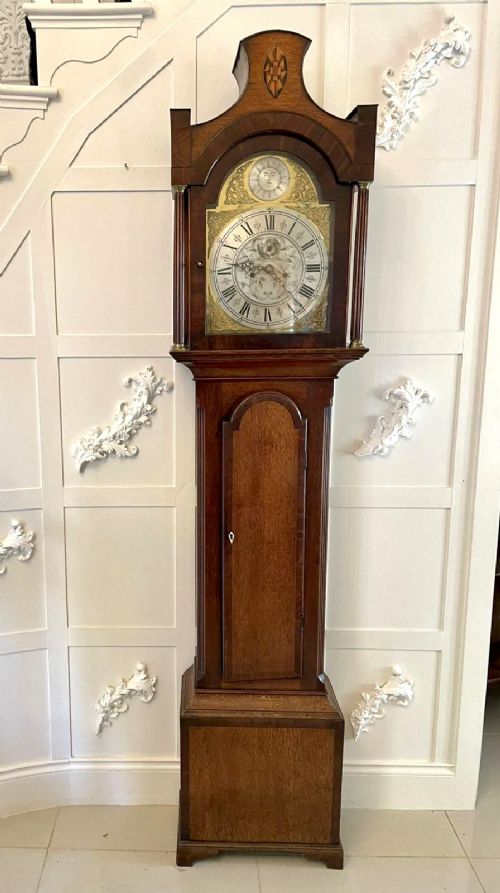
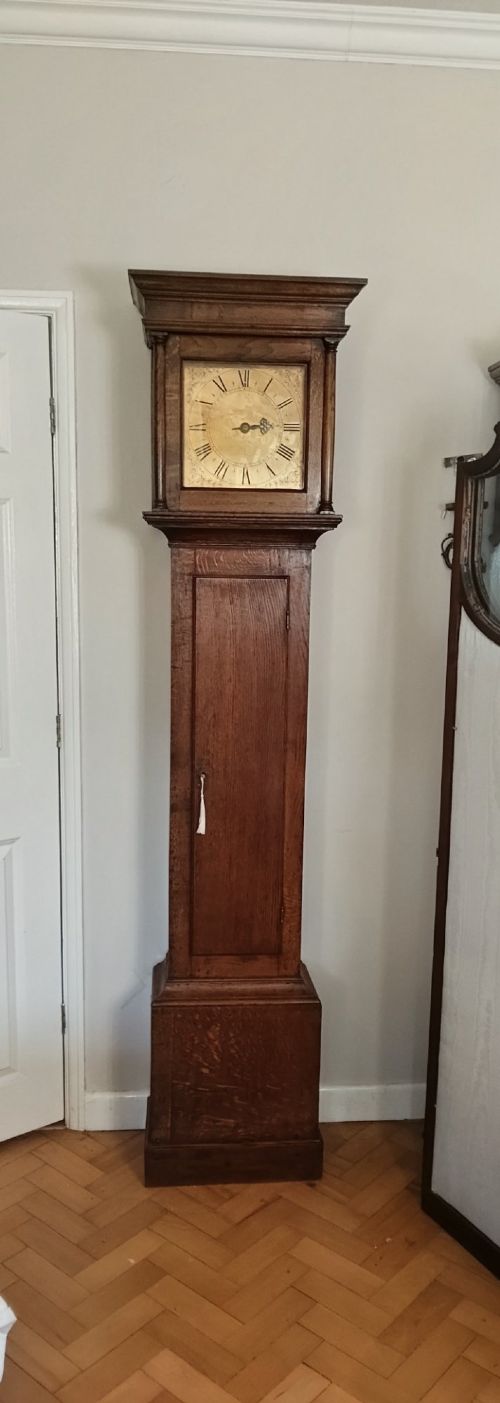
A longcase clock face is the circular or square dialplate that sits at the head of a tall grandfather or grandmother clock, registering time through engraved chapter rings and moving hands. These components survive from periods spanning the eighteenth century through to the early twentieth century, reflecting the eras of George III, the Regency, and the Victorian age. The most frequent examples you will encounter on this page are brass or painted iron dials housed within oak or mahogany cases, often inscribed with the name of the regional maker.
How they were made
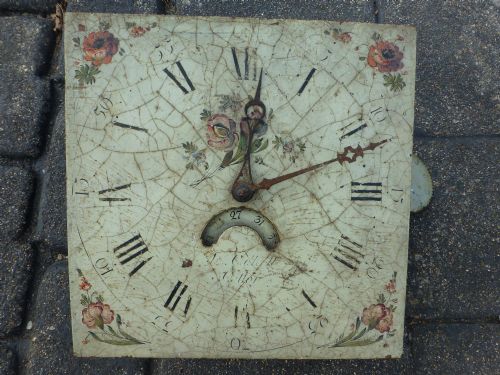
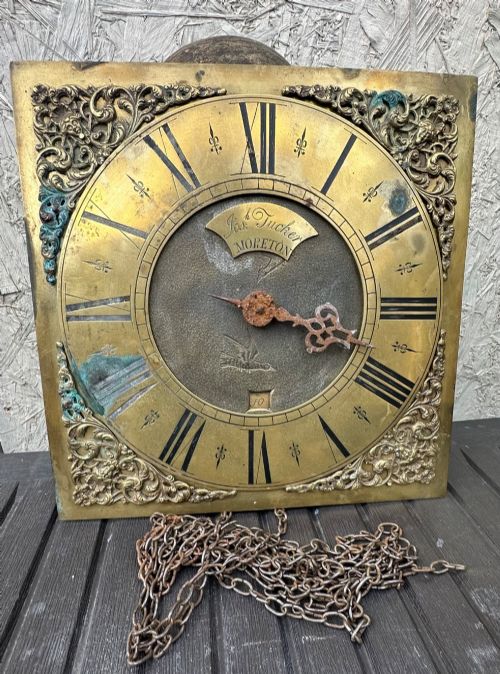
Makers constructed these dials using cast brass or iron plates, then hammered, filed, and polished the metal to receive silvered chapter rings and intricate brass spandrels in the corners. Painted iron faces emerged later, decorated with floral motifs, lunar phases, or maritime scenes using oil-based pigments. These metal faces were paired with wooden cabinetry built from native oak and imported mahogany, joined with traditional woodworking techniques.
The mechanisms behind the dials utilised steel and iron gears driven by weights and controlled by pendulums, housed inside tall wooden trunks fitted with glass hood doors. Dial decoration involved hand-engraving for earlier brass versions and careful brushwork for the later painted iron examples.
Some dials feature painted Robbie Burns scenes or high water lunar indicators to help coastal folk track the tides.
What varies in quality
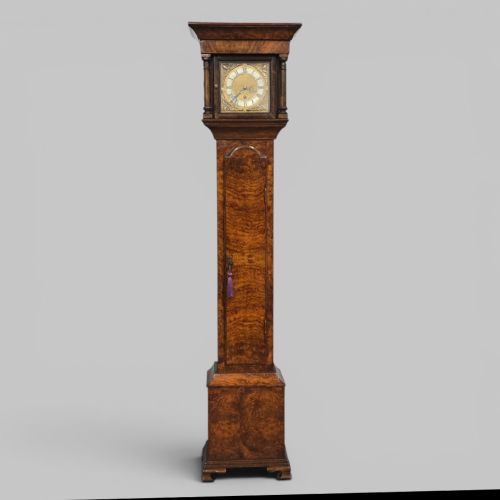
The division between standard workshop production and the finest output rests on the depth of hand-engraving upon the brass dial and the artistic skill applied to painted iron scenes. Superior examples feature cast brass spandrels with crisp chasing, finely pierced steel hands, and subsidiary dials for seconds or date registration. The choice of cabinet wood also marks the grade, moving from plain utilitarian oak to figured burr oak, walnut, or flame mahogany.
Makers who signed their work with clear provincial or metropolitan provenance tend to elevate the interest of the piece. The harmonious proportion between the dial dimensions and the enclosing wooden case further separates ordinary utilitarian clocks from masterworks of regional craftsmanship.
Jn° Smith, Macclesfd·Smith of Chester·Joseph Gibson Ecclefechan·William Betagh, Dublin·David Morice of Auchtermuchty·Samuel Young Nantwich & Bunbury·John Pollard of Crediton·Jn Wright Linton·Richard Northen·Robert Thomson Bo-ness·James Draycot Wells·Standring of Bolton·George Clapham of Whitton·Jonathan Blake Fulham·Benjamin Reeves, Lamberhurst·John Simpson, London·Hugh Lough, Penrith·Owen of Llanrwst·James Sandiford of Manchester·John Cain Luton
The Longcase Clock Face Glossary
- Brass face
- A dialplate cast and engraved from brass, typically featuring applied spandrels and a silvered chapter ring. These dominate eighteenth-century examples.
- Painted iron
- A dialplate formed from sheet iron and coated with enamel or paint, frequently decorated with floral corners or lunar phases during the late eighteenth and nineteenth centuries.
- Spandrel
- The decorative corner piece set outside the central chapter ring on a square dial, often cast in brass to represent seasonal figures or scrollwork.
- Lunar moonphase
- A mechanical display built into the arch of a dial that tracks the phases of the moon through a rotating painted disc.
- Grandmother clock
- A smaller, more slender version of the traditional longcase clock, typically produced during the early twentieth century.
Longcase Clock Face: Frequently Asked Questions
What is a longcase clock face?
A longcase clock face is the metal dialplate that displays the time on a tall grandfather or grandmother clock, complete with numerals, hands, and often the maker's signature.
These plates were produced in cast brass during the earlier periods and painted iron during the later decades, serving as the visual centrepiece of the clock.
How do I tell an 18th century dial apart from a 19th century one?
Eighteenth-century dials are predominantly made of brass with applied corner spandrels and engraved lettering, reflecting traditional craftsmanship of the Georgian era.
Nineteenth-century examples frequently utilise painted iron with floral corners or painted moonphases, showing a shift towards colourful enamel decoration.
Where were these clock faces made?
Clock faces were produced by regional clockmakers and specialist metalworkers across England, Scotland, Wales, and Ireland, from small market towns to large cities.
Many bear the engraved or painted signature of the individual maker and their operating town directly upon the dial surface.
How do I care for an antique clock face?
Antique metal dials require dry dusting with a soft cloth and should be kept away from direct sunlight and damp environments to protect the metal and paint.
Avoid using chemical polishes or water on painted iron or engraved brass, as abrasive cleaning can permanently remove historic details and signatures.