

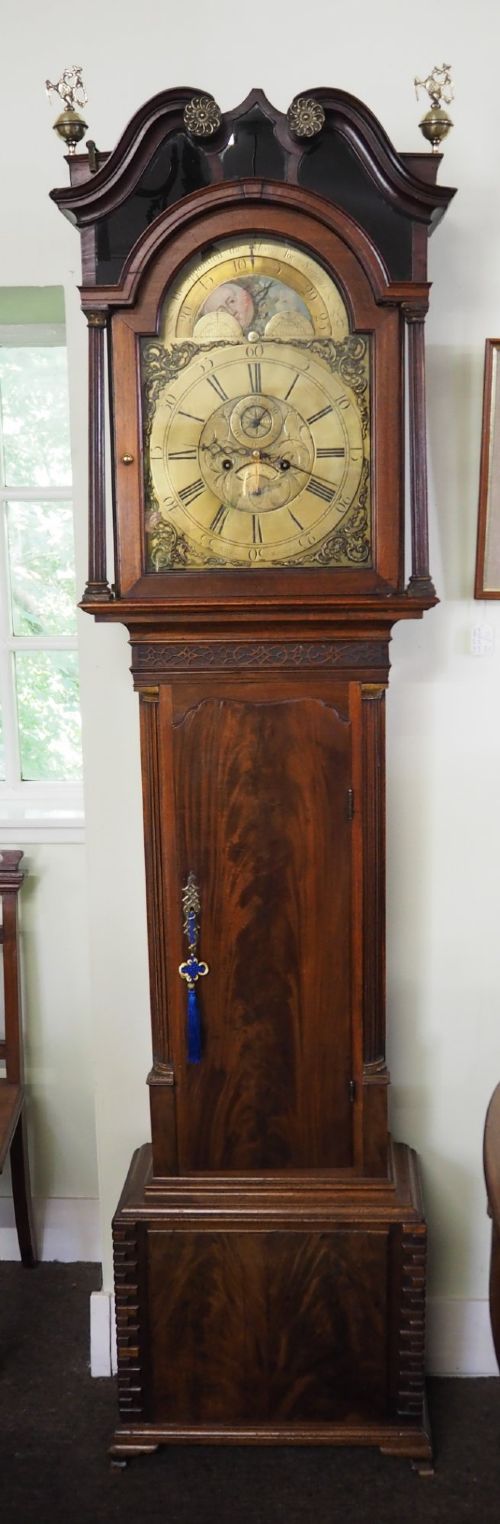
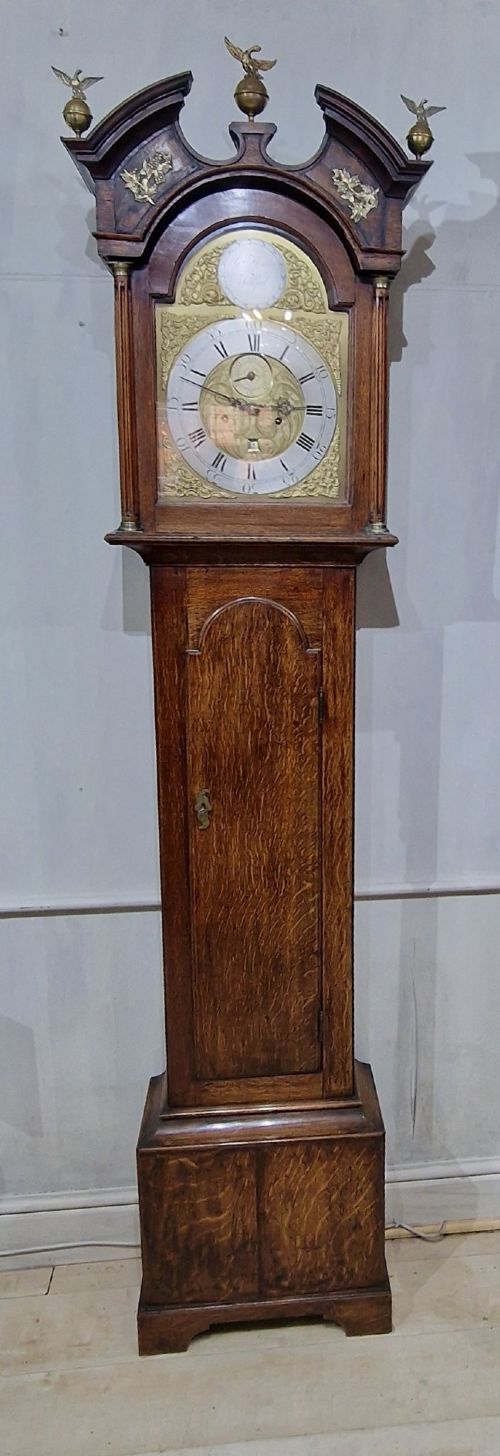
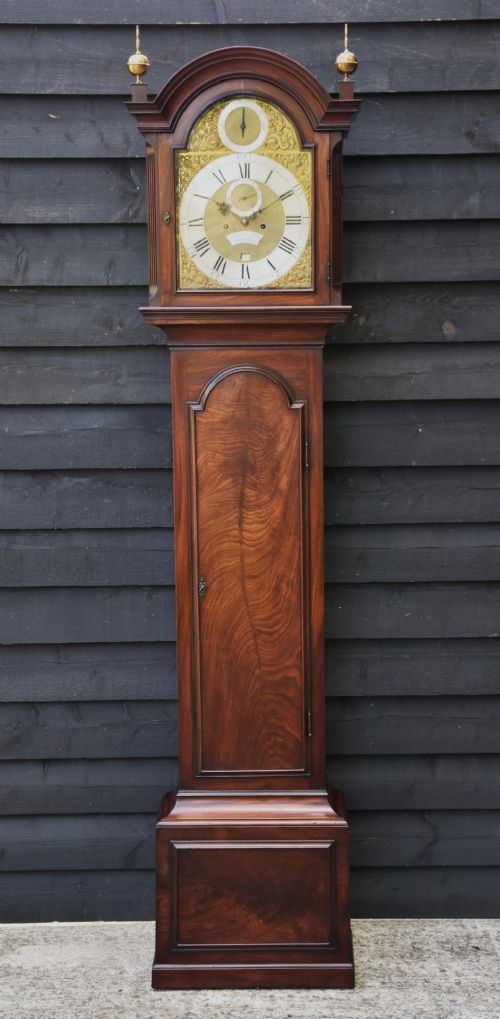
18th Century Clock Dial
An 18th century clock dial brings intricate brass work, historic mechanics and regional craftsmanship directly into an interior.
18th Century Clock Dial
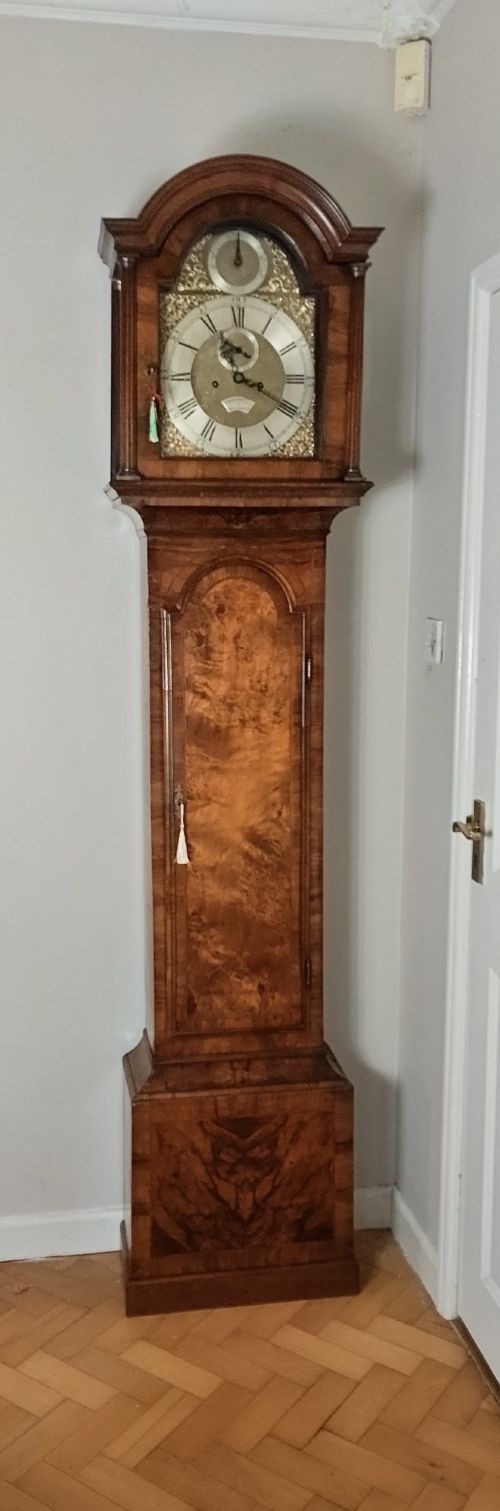
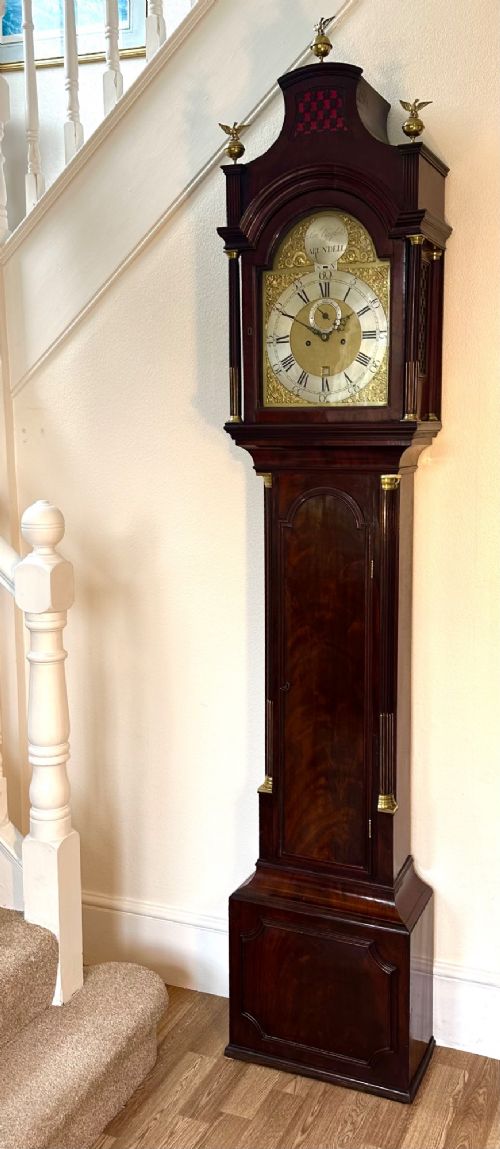
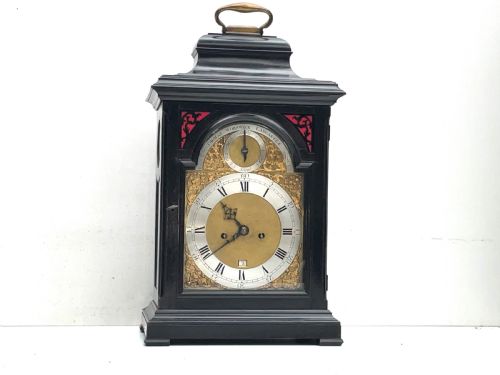
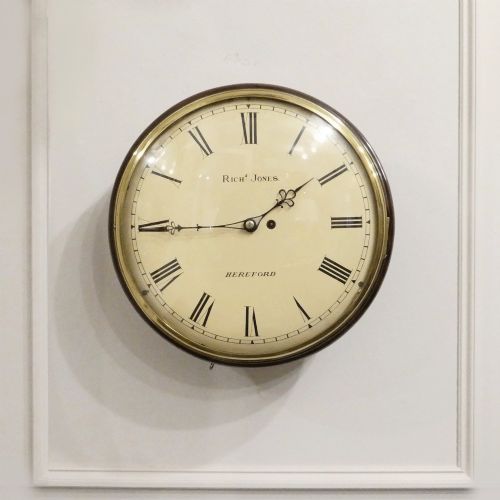
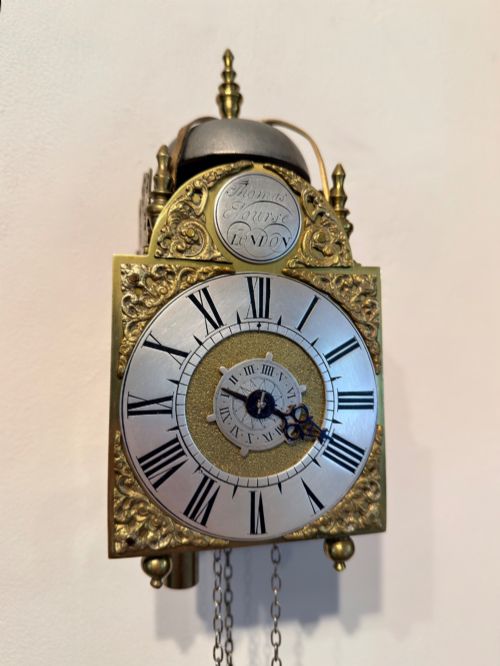
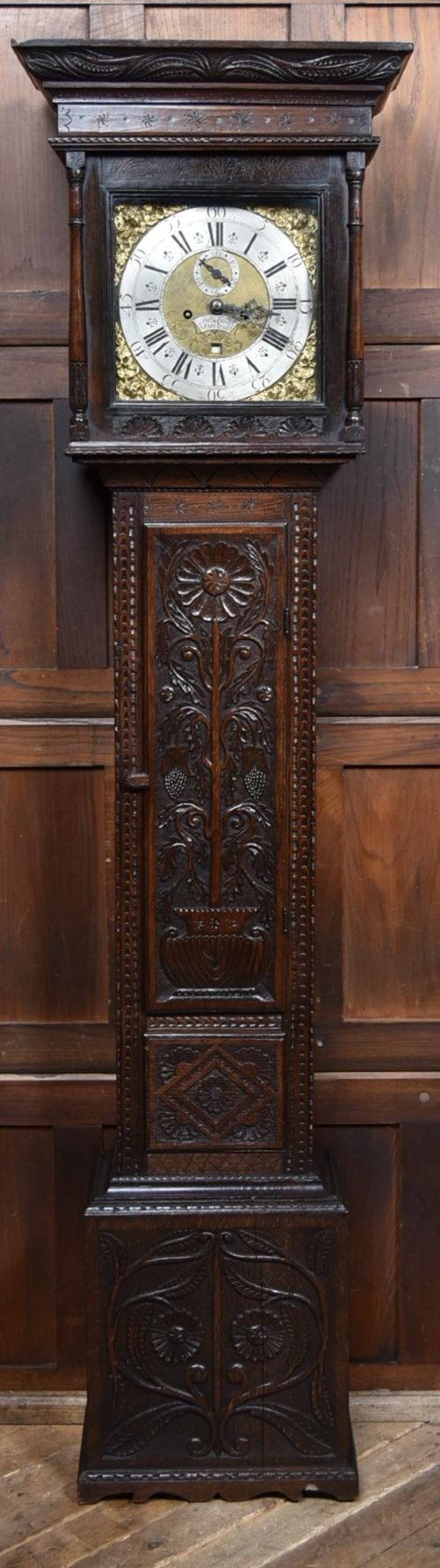
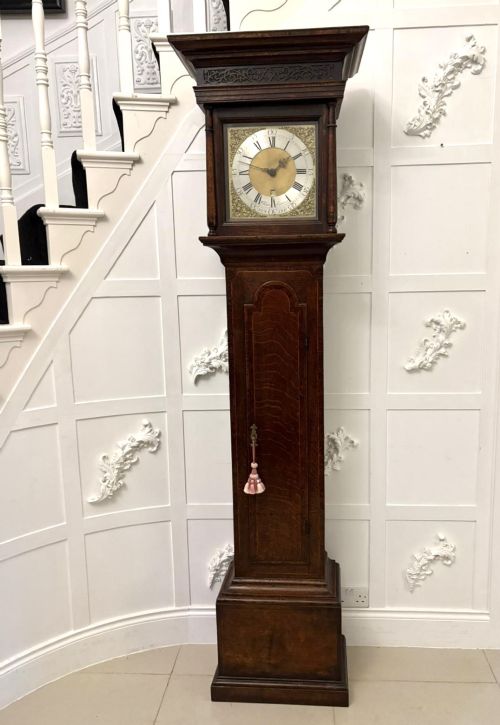
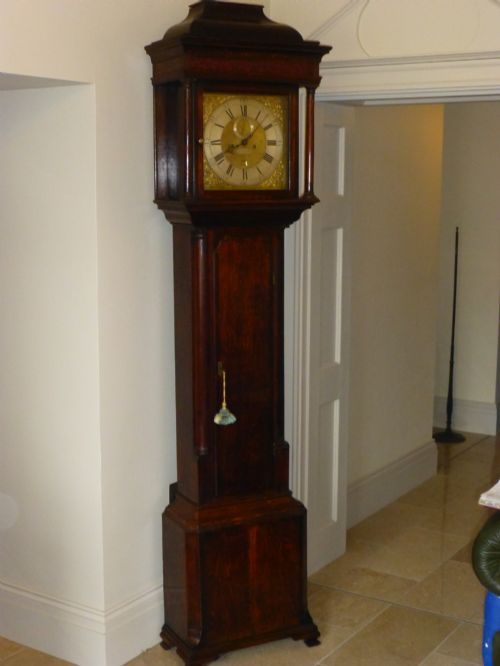
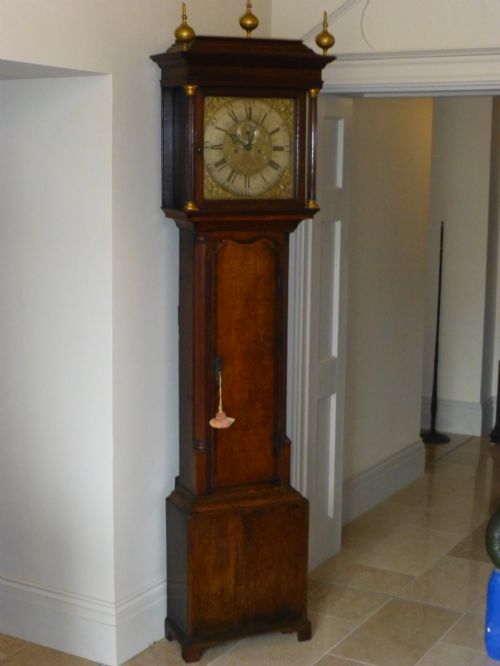
An 18th century clock dial forms the visible face of timepieces originating from the 17th, 18th, 19th and Victorian periods, most frequently appearing within longcase, bracket and wall clocks. These faces capture the aesthetic and technical shifts of Georgian, George III, William and Mary, Queen Anne and George I eras.
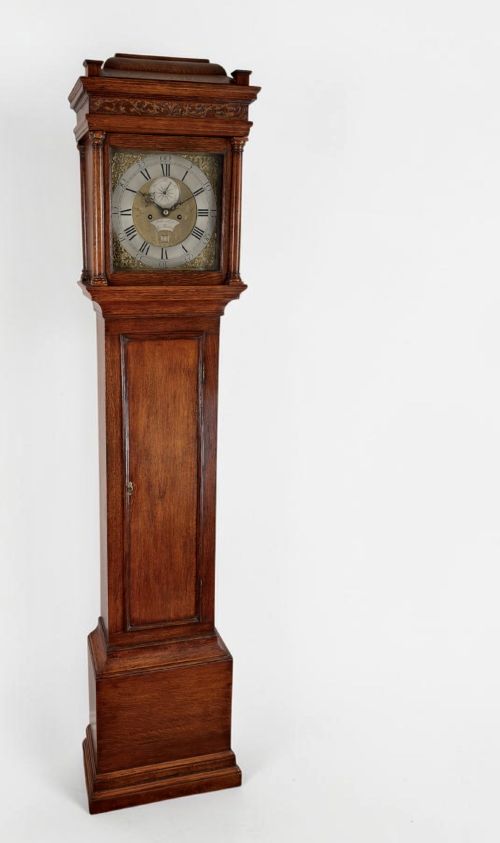
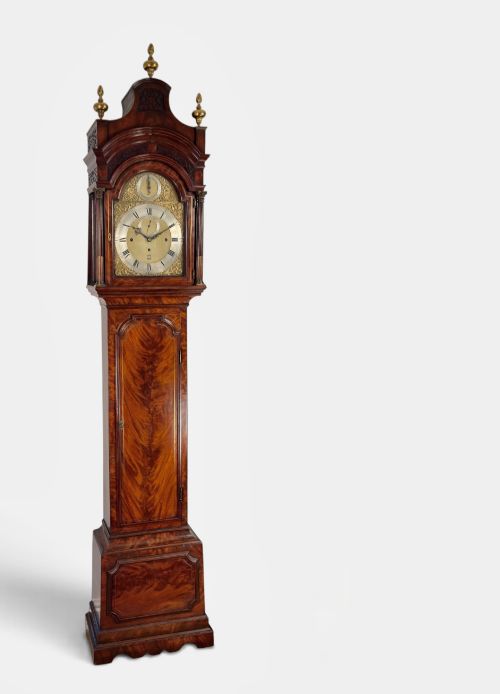
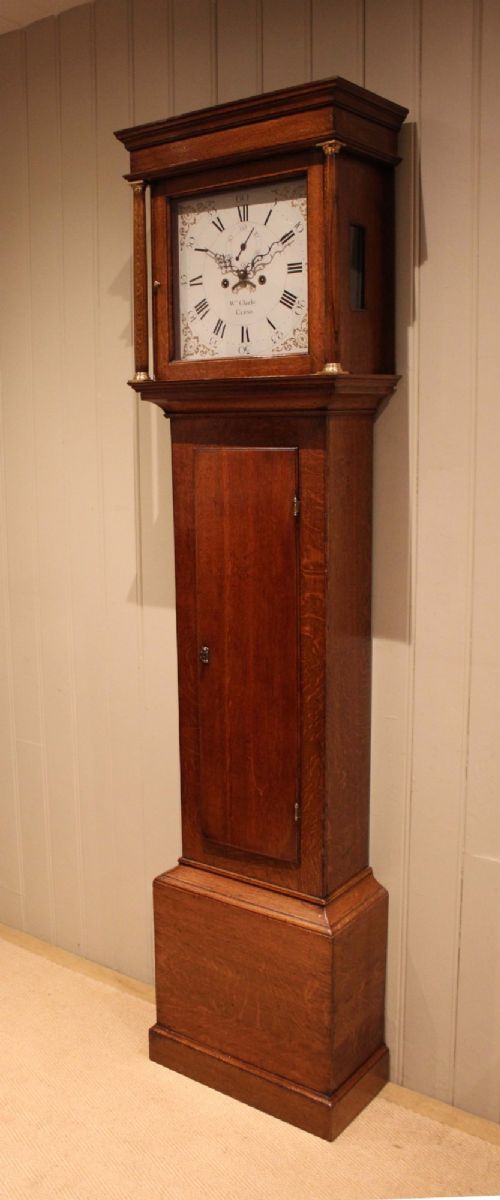
The objects take several forms, from standalone clock faces with movements to complete longcase, grandfathers, wall clocks and bracket clocks housed in oak, mahogany, walnut or burr walnut cases. Regional English and Scottish makers signed many of these works, creating distinct local variations in dial layout and casework.
Buyers encounter everything from simple single hand 30 hour dials to complex eight day movements with moon rollers, strike and silent options, and subsidiary seconds. The surviving pieces connect modern interiors directly to provincial workshops and London clockmakers alike.
Materials and construction methods
Metals form the core of these objects, utilising cast brass for the dial plates, alongside steel and iron for internal movement components and enamel for specific face details. Artisans mounted silvered chapter rings onto the brass backing plates to display the hours and minutes clearly.
Cabinetmakers housed these dials inside substantial timber cases constructed from oak, mahogany, walnut and burr oak, frequently incorporating glass panels on doors and hoods. Japanning and marquetry techniques also surface on select examples, adding decorative surface patterns to the wood.
Several clocks preserve eccentric regional spellings on their brass dials, capturing the distinct local voice of provincial makers.
Distinctions in craftsmanship
Quality shows in the crispness of the brass engraving on the dial mask and chapter ring, where skilled hands achieved deep, legible lettering and intricate spandrels. The complexity of the movement, such as eight day durations versus thirty hour weights, and additions like moonphase rollers or strike and silent mechanisms, separate standard domestic clocks from higher tier commissions.
The selection and treatment of timber dictate the presence of burr oak, walnut or marquetry work on the enclosing case. Maker attribution matters significantly, as documented signatures from noted London or provincial clockmakers elevate historical interest.
John Ellicott of London·Markwick Markham, London·Windmills and Wightman, London·William Jourdain·Benjamin Taylor·Thomas Hedge of Colchester
The 18th Century Clock Dial Glossary
- Chapter ring
- The circular metal ring affixed to the dial that displays the hour and minute numerals. It is frequently silvered to contrast against the yellow brass dial plate.
- Spandrel
- The ornamental corner piece mounted in the four spaces outside the central chapter ring. These cast brass decorations evolved in style from floral motifs to rococo scrolls across the century.
- Verge escapement
- An early type of mechanism controlling the release of the gear train. It works with a balance spring or pendulum to regulate timekeeping.
- Moon roller
- A mechanical display located on the dial that tracks the phases of the lunar cycle. It rotates behind a shaped aperture to show the moon's age.
- Longcase clock
- A tall freestanding timepiece housed in a wooden case designed to protect the weights and pendulum. They are commonly referred to as grandfather clocks.
18th Century Clock Dial: Frequently Asked Questions
How do single hand clocks work?
Single hand clocks rely on a simpler gear train designed to indicate hours and approximate quarters rather than precise minutes. This layout is typical of earlier 18th century and 30 hour domestic timepieces.
The single pointer requires less complex internal gearing while still providing adequate timekeeping for households of the period.
Where were these clocks made?
Clockmakers operated across London as well as various regional English towns and Scottish burghs, producing distinct local styles. Provincial centres developed their own character in dial engraving and cabinet timber selection.
Signatures on the dial often record the specific town and workshop where the maker practised.
How do you identify an 18th century dial?
Eighteenth century dials display specific stylistic traits in their spandrels, chapter ring engraving, and hand shapes that shift from early geometric forms to rococo designs. The presence of brass plates rather than painted iron helps separate this period from later Victorian examples.
Maker signatures and hallmarks engraved directly into the brass surface also assist in dating the piece.