

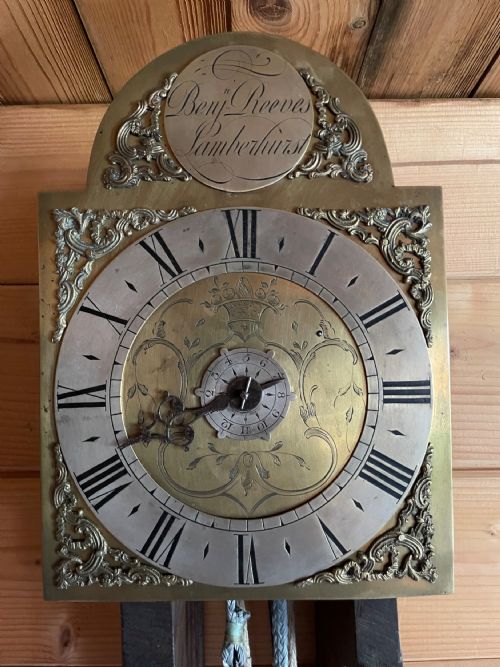
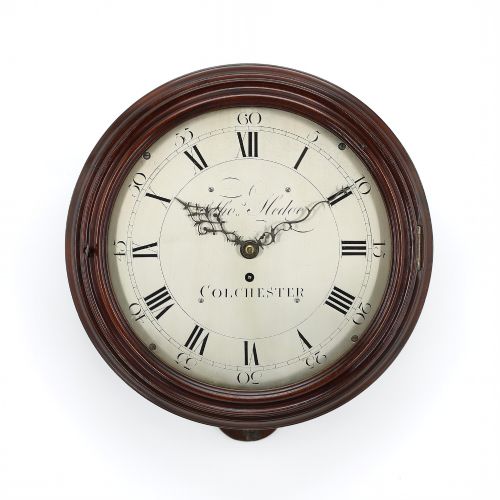

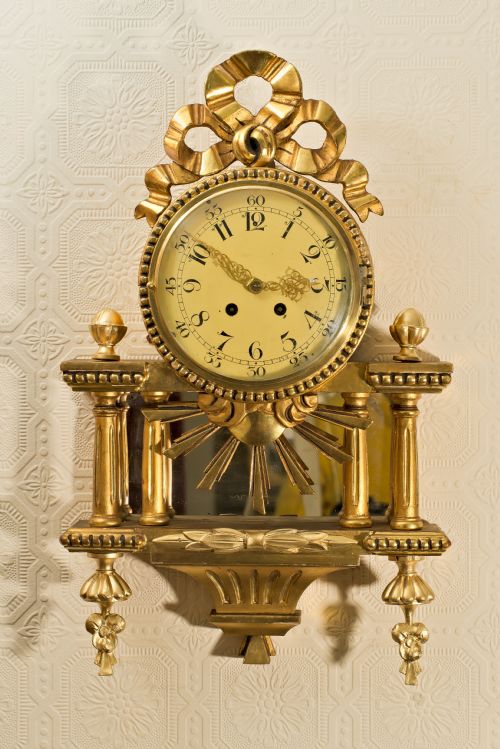


18th Century Wall Clock
An 18th century wall clock brings mechanical precision and period presence to a room, offering a daily encounter with centuries of horological craftsmanship.
18th Century Wall Clock
When you search for an 18th century wall clock, you encounter a diverse group of timepieces ranging from simple dial clocks to ornate cartel designs. These pieces span periods such as the Georgian era and the eighteenth century itself, reflecting domestic timekeeping across England, France, and the Netherlands.
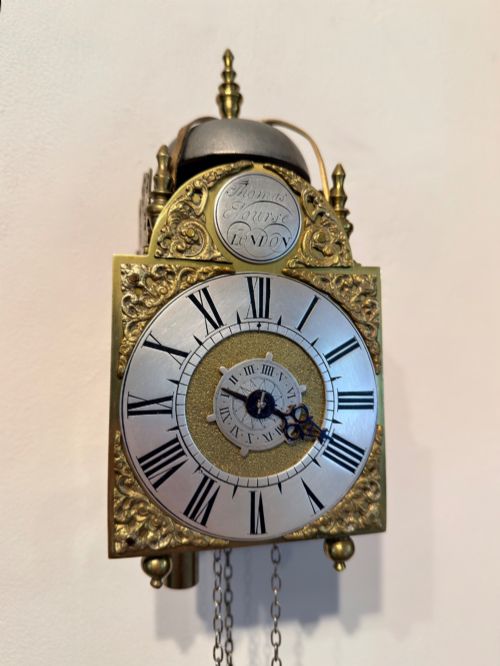
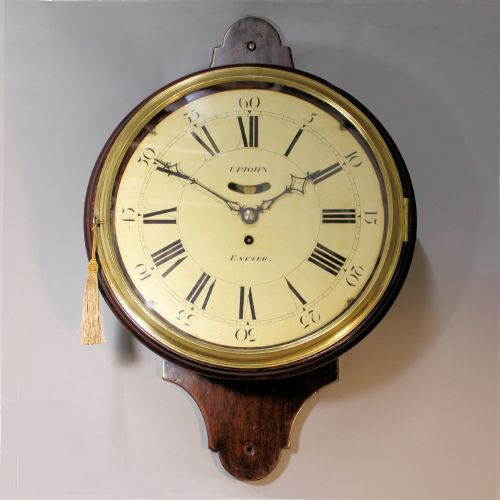
The version you are most likely to meet on this page is the dial clock or the lantern clock, often housed in mahogany or brass with hand-painted enamel faces. English examples frequently showcase dial formats, while continental pieces lean toward gilt bronze and carved wood.
Form follows function closely in these objects, developed to serve homes, taverns, and public spaces before portable pocket watches became universal. Collectors value the survival of original movements and untouched dial faces above all else.
Materials and Construction
The construction of these clocks relies on durable metals and timber, pairing brass, steel, and iron internal components with mahogany, giltwood, or glass cases. Makers selected dense hardwoods to house heavy weights and pendulums without warping.
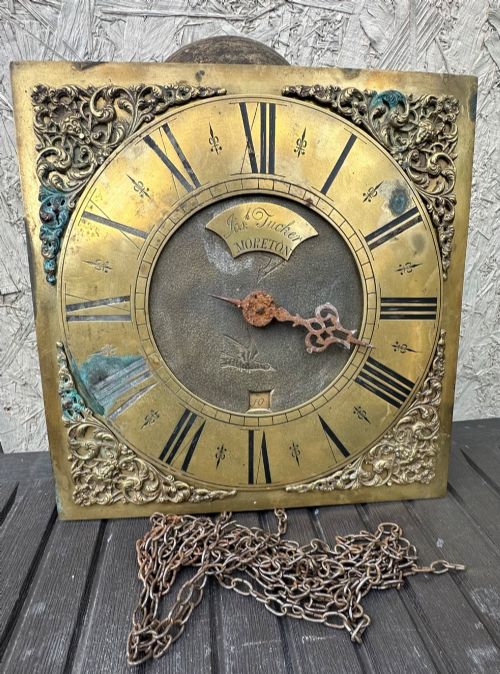
Dials employ enamel, painted metal, or brass, often signed by the maker with intricate hand engraving. Gilt bronze and ormolu decorate continental cartel clocks, applied over cast metal frames to create rich surface detail.
Mechanisms utilise verge escapements or anchor movements, built by hand with teeth cut individually into brass wheels. Every gear and lever required skilled filing and adjustment to maintain accurate time.
18th Century Wall Clock Retail Price Guide 2026
Typical asking prices for 18th century wall clock among the pieces listed under this phrase on Sellingantiques today, from the lower quarter to the upper quarter. They describe what is for sale here now, not the wider market.
Assessing Quality
The standard of a movement separates ordinary timepieces from exceptional examples, judged by the crispness of the wheel cutting and the originality of the escapement. Clocks retaining their earliest verge or anchor setups command greater attention from serious horologists.
Cabinetwork and dial execution dictate visual appeal, where crisp carving in mahogany or giltwood distinguishes master work from routine production. Original matching hands, clean enamel faces, and signed brass backplates elevate a piece considerably.
Richard Jones of Hereford·Thomas Hedge of Colchester·Benj Reeves Lamberhurst·Windmills and Bennet London·Henry Deykin Worcester·John Seddon of London·George Buckmaster Royston·Robert Salmon·William Webster London·Peter Debaufre
The 18th Century Wall Clock Glossary
- Cartel clock
- A wall clock housed in an ornate frame made of giltwood, bronze, or ormolu. These decorative timepieces originated in France and often feature elaborate rococo or neoclassical scrolling designs.
- Lantern clock
- An early brass chamber clock designed to hang on a wall via a hook and bracket. They take their name from their brass box shape, which resembles a medieval metal lantern.
- Verge escapement
- An early type of clock mechanism that controls the release of power from the gear train. It works with a balance wheel or pendulum to regulate time accurately.
- Dial clock
- A wall-mounted clock dominated by a prominent circular face, frequently used in public rooms and Georgian taverns. These pieces prioritise legibility with clear numerals and bold hands.
- Drop dial
- A wall clock case featuring an extended lower wooden box below the circular dial. This drop often accommodates a longer pendulum or simply balances the visual weight of the clock.
18th Century Wall Clock: Frequently Asked Questions
How do I wind an 18th century wall clock?
Most of these mechanical clocks require a key to lift internal weights or tension springs at regular intervals. Care must be taken not to overwind the mechanism.
Consult the specific winding requirements of your verge or anchor movement to ensure the gear train operates smoothly without damaging the gut lines or chains.
Where should I hang a wall clock?
Select a sturdy interior wall free from dampness, direct sunlight, and heavy vibrations from doors. A stable mounting is essential for the pendulum to beat evenly.
Ensure the wall can support the combined weight of the timber case, brass movement, and any hanging lead weights.
Are these clocks suitable for daily timekeeping?
While many historical timepieces remain in working order, they often require regular professional servicing and minor adjustments to keep accurate time.
Treat them as living historical artefacts rather than precision quartz instruments, accepting minor variations in daily timekeeping.
How do I identify a Georgian dial clock?
Georgian dial clocks typically feature a painted or engraved brass face set within a mahogany surround, often with a hinged side door for access.
Look for traditional maker signatures inscribed directly onto the dial face or movement backplate alongside period cabinet construction methods.