
English Longcase Clock Dial
When you search for an english longcase clock dial, you encounter the vital face of a tall clock housing centuries of horological skill.
English Longcase Clock Dial
An english longcase clock dial serves as the primary interface for reading time on tall case clocks, marking hours, minutes, and often seconds or lunar phases. Surviving examples span from the seventeenth century through the georgian and victorian eras up to the twentieth century.
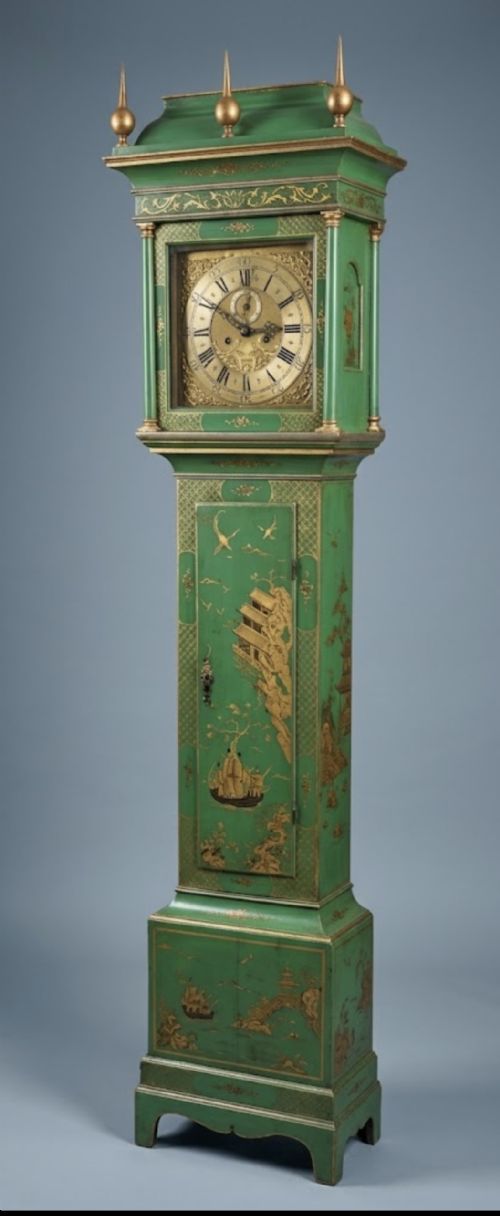
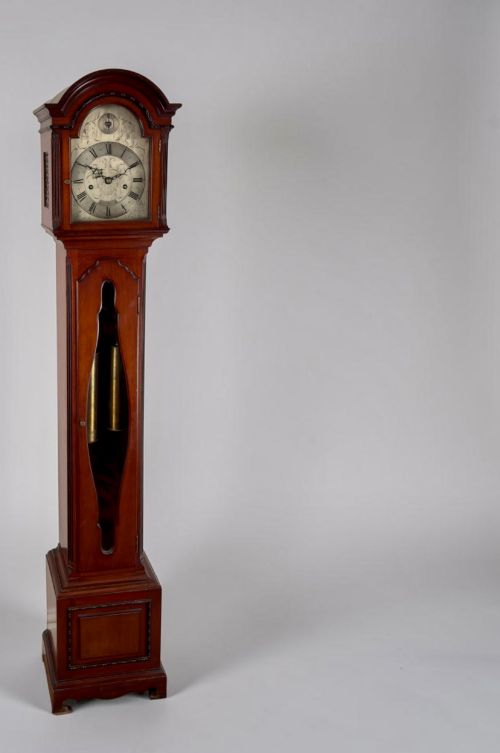
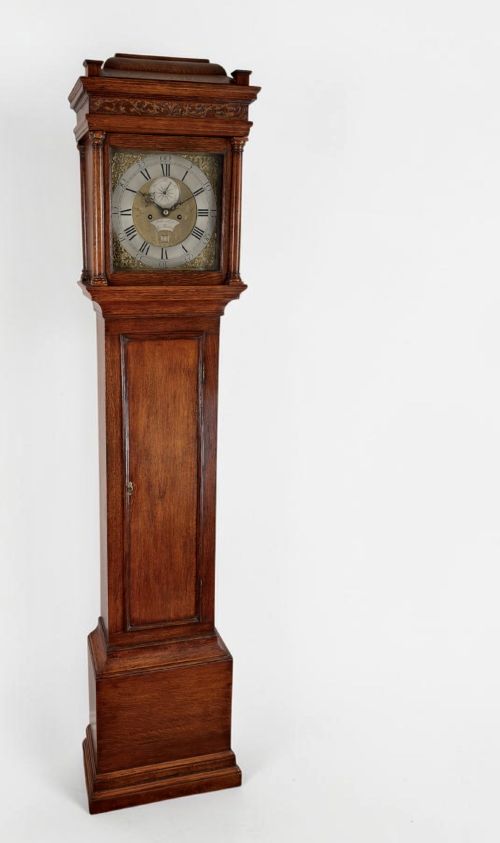
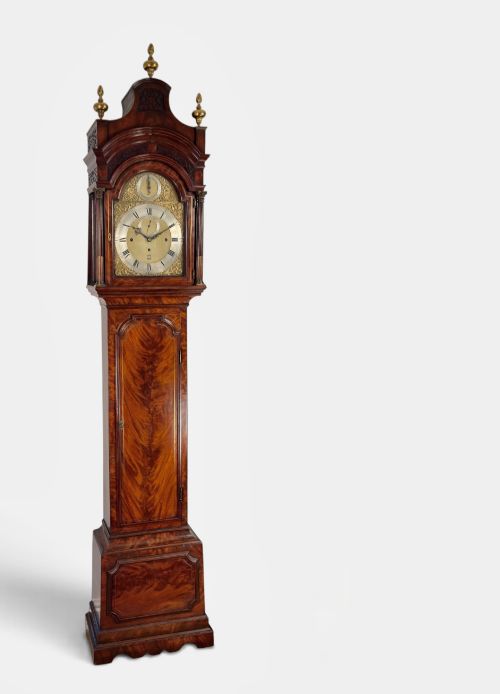
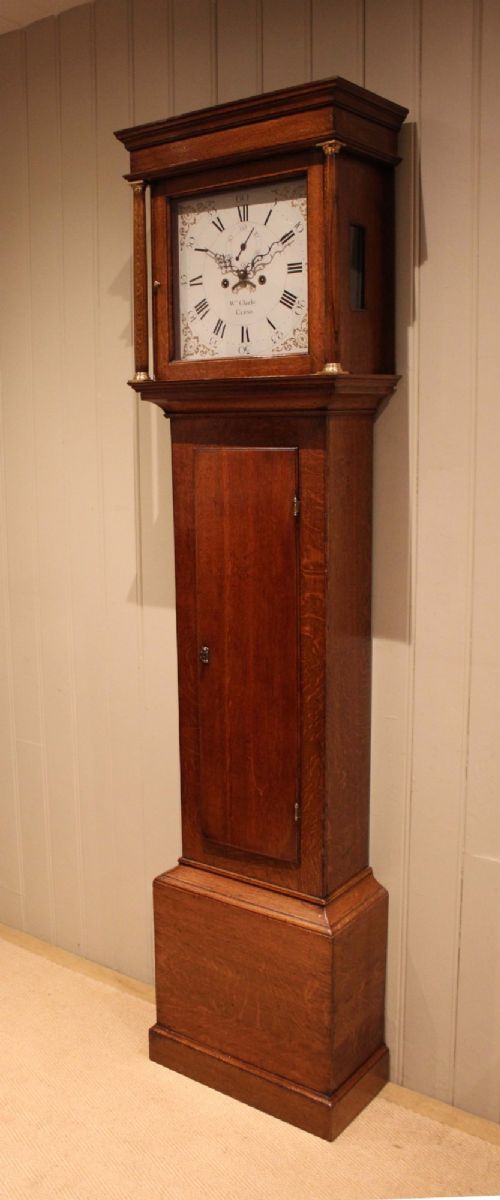
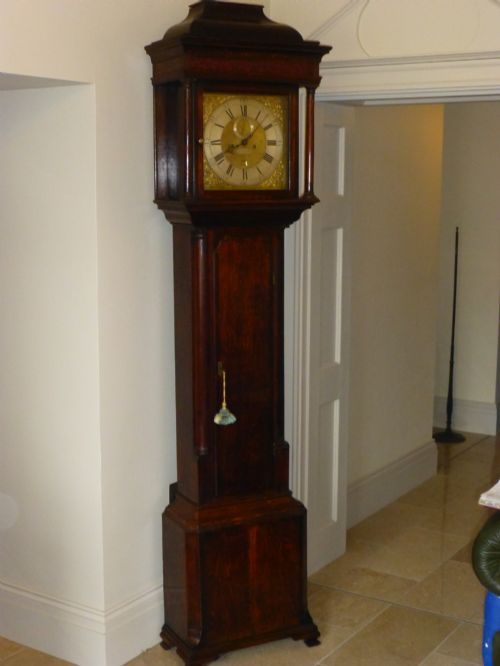
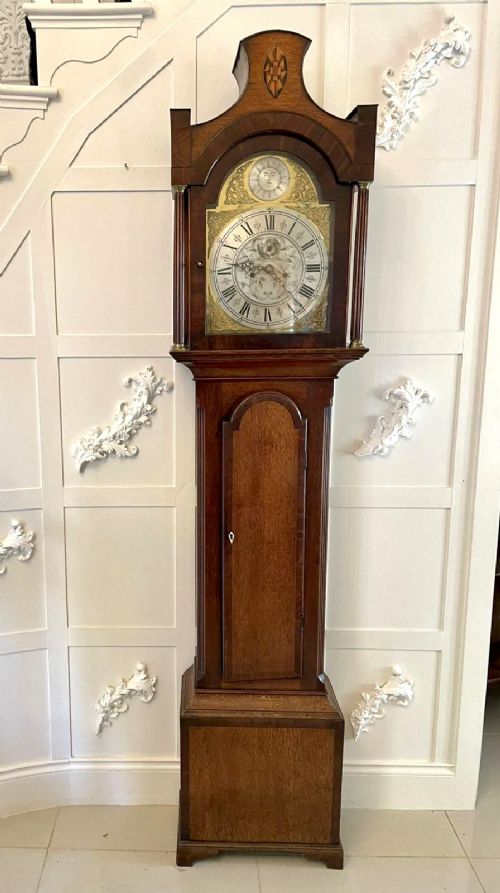
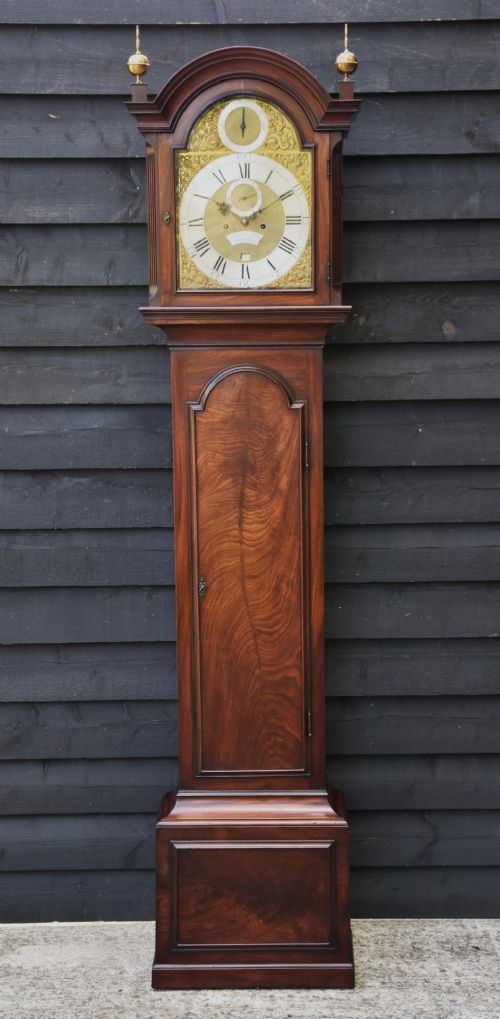
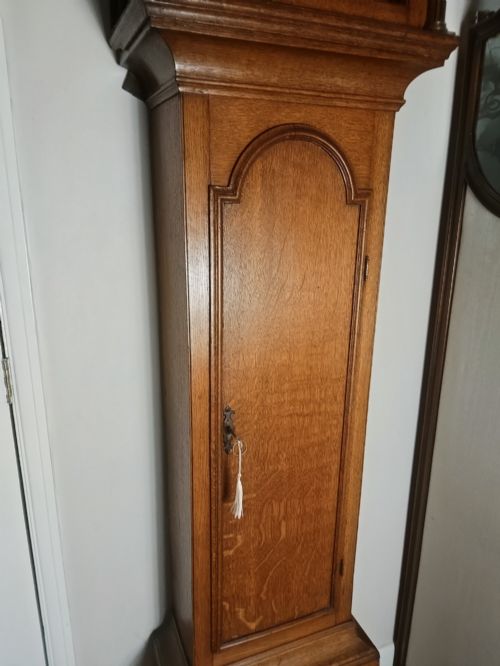
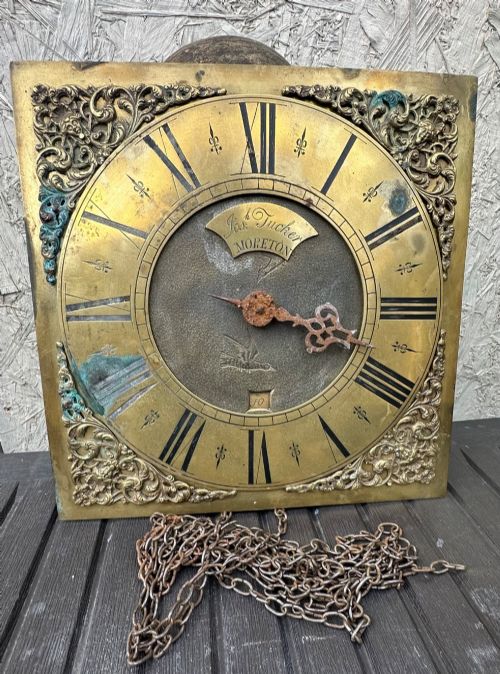
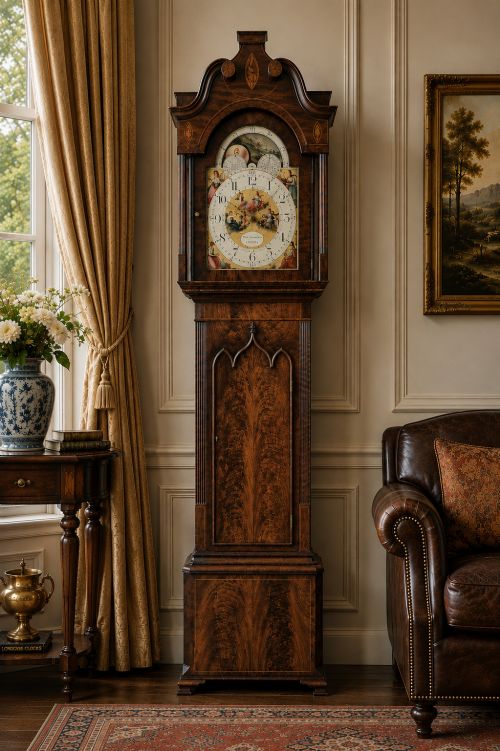
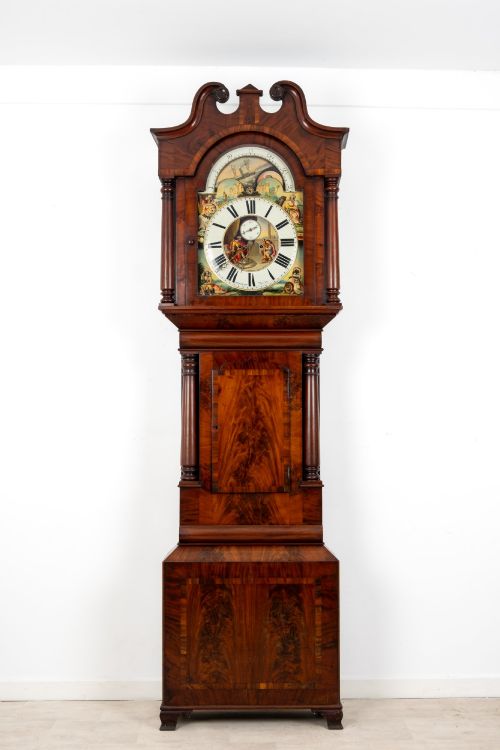
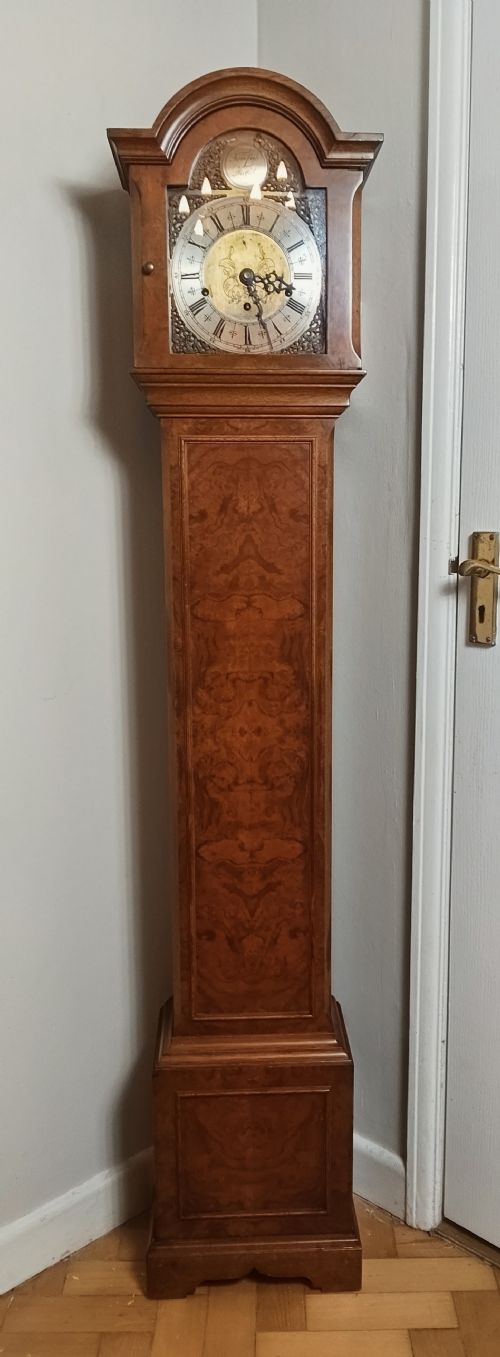
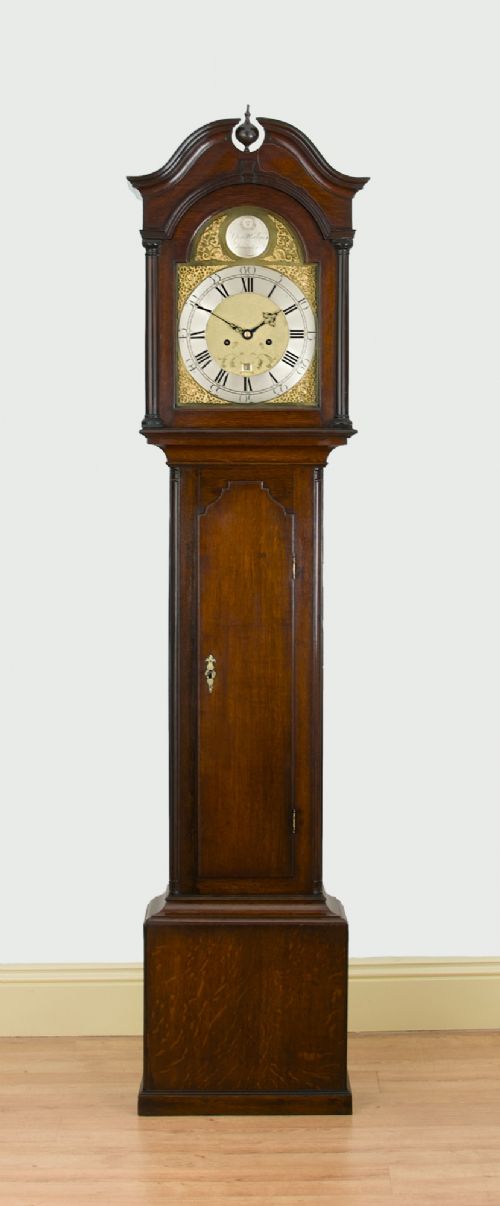
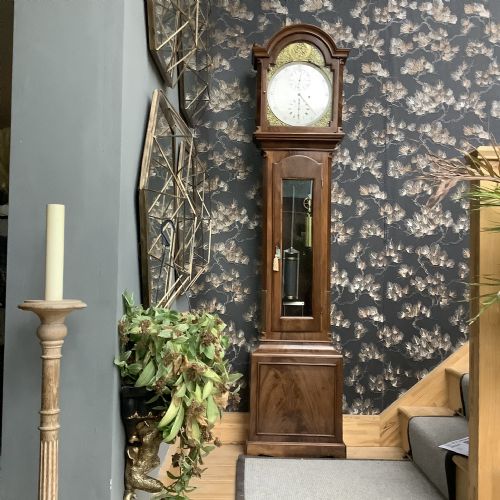
The version most commonly met on this page sits within oak, mahogany, walnut, or lacquered cases produced by makers across provincial towns and metropolitan centres. These faces range from square brass plates with silvered chapter rings to arched painted iron dials.
Makers recorded on these pieces include provincial craftsmen and london masters such as John Ellicott, Thomas Vernon, and Thwaites, alongside later firms like Gillett & Johnston and Enfield.
Evaluating Quality
Quality reveals itself in the crispness of the dial engraving, the depth of the chased corner spandrels, and the legibility of the hand-painted numerals and maker signatures. Finer examples display meticulous attention to detail in the silvering of the chapter ring and the precise execution of moonphase mechanisms or strike-silent indicators.
The integration between the dial plate, the brass movement, and the timber case separates standard production from exceptional masterwork. Superior pieces retain original matching components and demonstrate harmonious proportions across both dial and casework.
Listings feature movements and dials spanning the seventeenth, eighteenth, nineteenth, and twentieth centuries, housed in oak, mahogany, and walnut cases.
John Fielder of Alton·Gillett & Johnston of Croydon·Lee of Great Marlow·John Ellicott of London·Richard Corless of Stockport·Samuel Kellett of Bredbury·George Hallifax Of Doncaster·Henry Massy·Nathaniel Pyne·Edin Burgis of London·Thomas May Of Witney·Thomas King of Alnwick·John Hancock of Yeovil Somerset
The English Longcase Clock Dial Glossary
- Chapter ring
- The circular ring fixed to the dial face that bears the hour and minute numerals. It is often silvered brass on earlier examples.
- Spandrel
- The decorative metal ornament placed in the corners of a square dial outside the chapter ring. These cast brass pieces evolved in style from floral designs to rococo cherubs across different periods.
- Moonphase
- A rotating disc visible through an aperture in the dial arch that tracks the lunar cycle. It shows the phases of the moon from new moon to full.
- Strike-silent
- A mechanism controlled by a small lever on the dial that halts the striking train of the clock. This prevents the bell from sounding during the night.
- Japanning
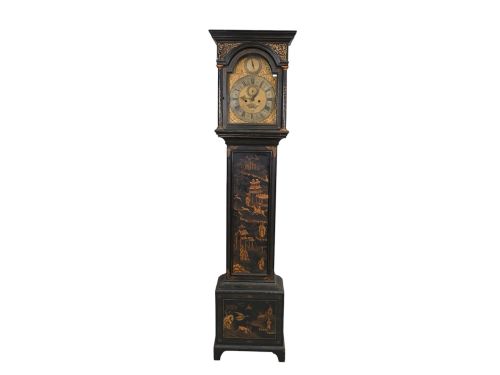
- A European imitation of East Asian lacquerwork found on certain eighteenth-century clock cases and dial surrounds. It involves layered varnishes and raised metallic decorations.
English Longcase Clock Dial: Frequently Asked Questions
What is an english longcase clock dial?
An english longcase clock dial is the visible face of a grandfather clock that displays the time and often secondary functions like the date or moon phase. These faces serve as both functional instruments and canvases for decorative metalwork.
They reflect the artistic and technical standards of periods ranging from the seventeenth century through the georgian era and beyond.
How do brass and painted dials differ?
Brass dials are typically found on earlier clocks, featuring engraved chapter rings and cast brass corner spandrels fixed to a heavy brass plate. They rely on tactile engraving and silvering for their visual detail.
Painted dials emerged later, utilising sheet iron painted with white enamel and decorated with floral corners, landscape scenes, or lunar calendars.
How do you date an english longcase clock dial?
Dating relies on stylistic clues such as the shape of the dial arch, the design of the corner spandrels, the font used for numerals, and whether the maker signed the work. Square brass dials generally point to earlier periods, while arched painted iron dials typically indicate later eighteenth or nineteenth-century origins.
The presence of maker signatures matching historical records also helps anchor the piece to a specific decade.
How should I care for a longcase clock dial?
Protect the dial by keeping the glass door closed and secure, avoiding any direct moisture or abrasive cleaning agents on the metal or painted surfaces. Professional horological maintenance ensures the movement behind the dial remains clean and properly lubricated.
Gentle dusting with a soft, dry brush is sufficient for routine upkeep.