
Antique Brass Dial
An antique brass dial brings together mechanical precision and centuries of metalwork, offering a focal point for domestic timekeeping.
Antique Brass Dial
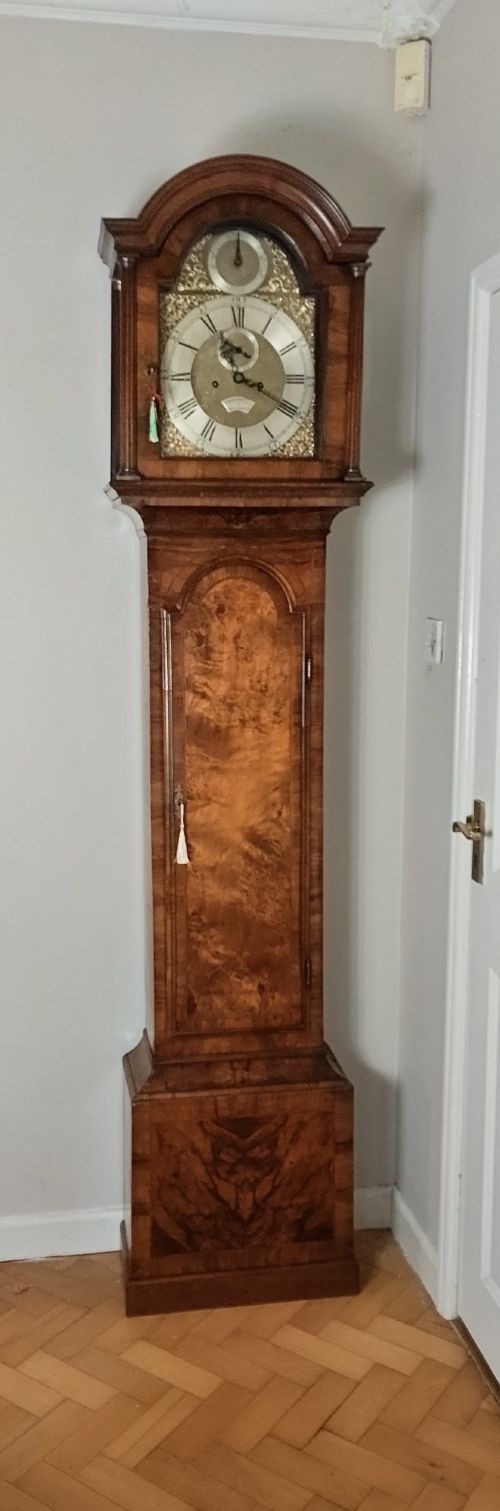
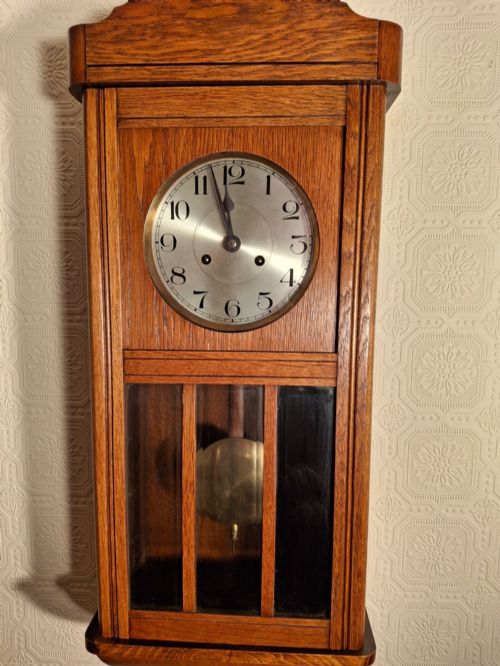
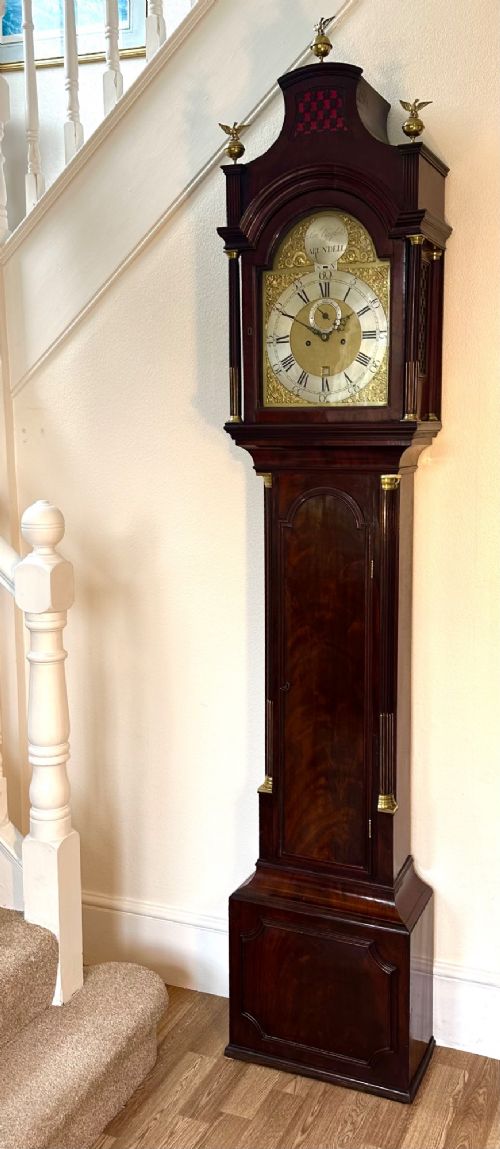
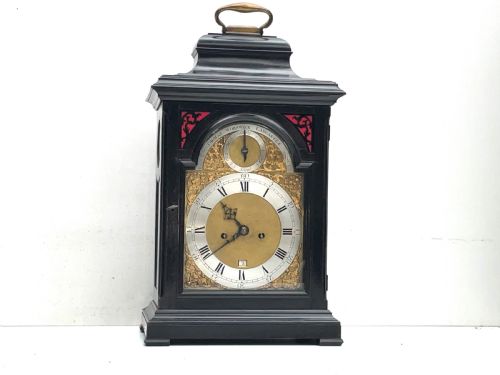
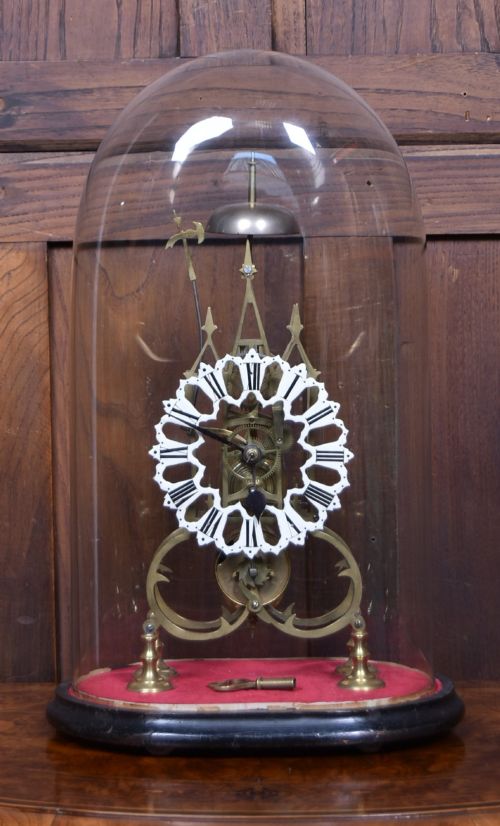
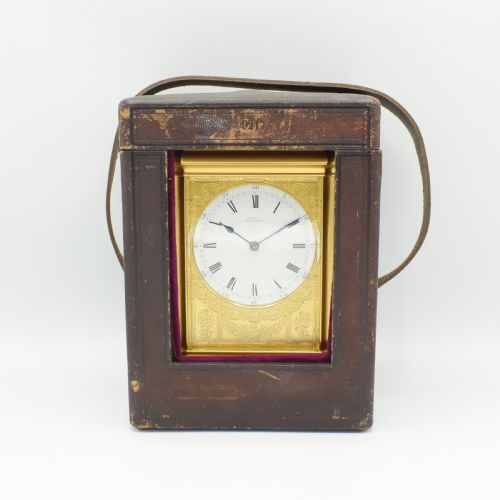
When searching for an antique brass dial, you encounter circular metal faces fitted to longcase clocks, wall clocks, and mantel pieces spanning the 18th century to the 20th century.
The most common formats on this page include George III and Georgian grandfather clocks, alongside Victorian and Edwardian wall and railway dials.
Materials and construction methods
Clockmakers cast and engraved brass plates by hand, often silvering the chapter rings and mounting intricate brass spandrels in the corners during the 18th century.
Cases relied on native and imported hardwoods like oak and mahogany, joined with traditional carpentry methods to house fusee movements and heavy brass-geared trains.
Listings feature brass dials paired with oak, mahogany, and walnut cases, spanning George III, Victorian, and Edwardian periods.
Distinctions in quality
Quality rests in the depth of hand-engraving on the dial plate, the crispness of the cast brass spandrels, and the precision of the underlying mechanical movement.
Fine examples display signed chapter rings by recorded makers, matching original hands, and substantial timber cases with balanced proportions rather than later replacement parts.
Charles Shuckburgh·John Ellicott·Camerer Cuss And Co·Cousens And Whiteside·Henri Jacot·Japy Freres
The Antique Brass Dial Glossary
- Spandrel
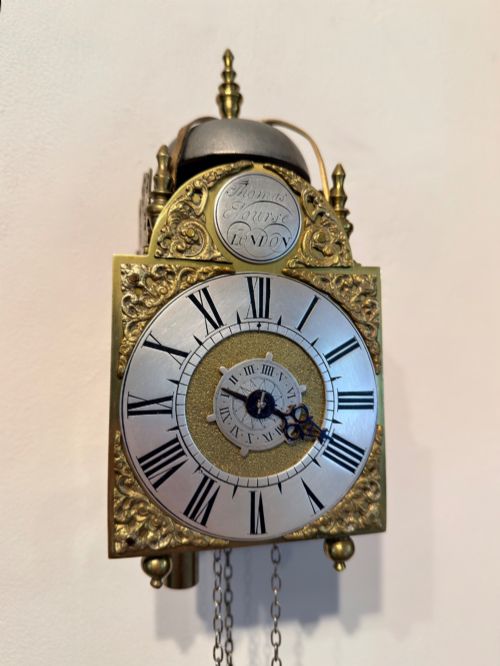
- The decorative metal corner piece mounted on square brass dials. These cast ornaments changed from cherub designs in the Georgian period to rococo scrolls later on.
- Fusee
- A conical pulley connected to a cord or chain that equalises the driving force of the mainspring as it winds down. This mechanism ensures steady timekeeping.
- Chapter ring
- The outer circle on a dial marked with Roman numerals for hours and Arabic numerals for minutes. It is frequently silvered to stand out against the yellow brass background.
- Anchor escapement
- A clock mechanism shaped like an anchor that controls the release of the gear train via the pendulum. It replaced earlier verge escapements to allow longer pendulums.
- Dial clock
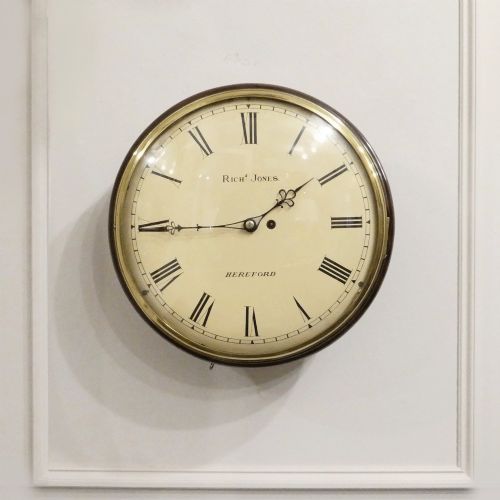
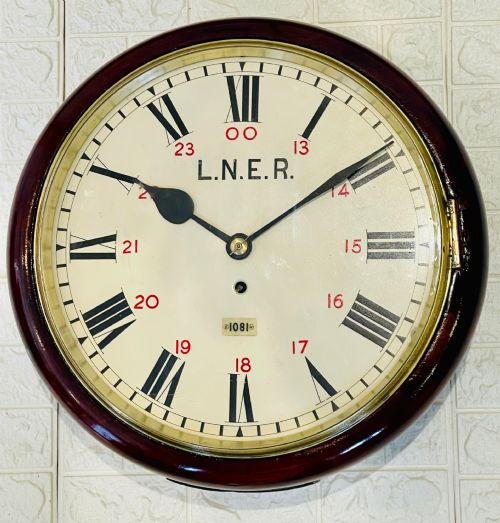
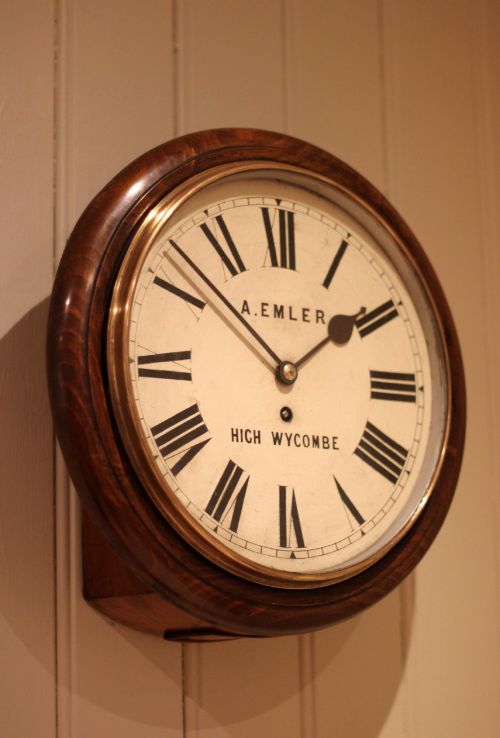
- A wall-mounted clock with a prominent circular face, usually enclosed in a timber case with a glazed bezel. Railways and schools frequently utilised these reliable timepieces.
Antique Brass Dial: Frequently Asked Questions
How do I date a brass dial?
Dating relies on the shape of the dial corners, the style of the engraved lettering, and whether the face is square or arched. Earlier Georgian examples often feature square brass plates with cast spandrels, while later Victorian and Edwardian dials frequently incorporate circular painted or silvered chapters.
Signatures inscribed directly onto the metal plate or recorded movement numbers provide further chronological markers. Comparing the dial's mounting feet and corner ornamentation to documented examples from the same region narrows the decade of manufacture.
What is a fusee wall clock?
A fusee wall clock uses a conical drum and chain mechanism to maintain even tension on the gear train as the spring unwinds. This system delivers more consistent timekeeping than standard spring-driven movements.
These pieces typically hang in public spaces, offices, and railway stations, mounted inside mahogany or oak cases with glass bezels protecting the brass dial. The absence of a pendulum swing makes them practical for busy environments.
How do I care for an antique brass dial?
Maintaining these metal faces requires avoiding harsh chemical polishes that strip the original patination and wear away delicate hand-engraving. Dust the surface gently with a soft, dry cloth and keep the clock away from direct heat sources and damp walls.
Professional horologists should handle mechanical cleaning and movement servicing. Leaving the brass untouched preserves the historic finish acquired over centuries.
Are longcase and grandfather clocks different?
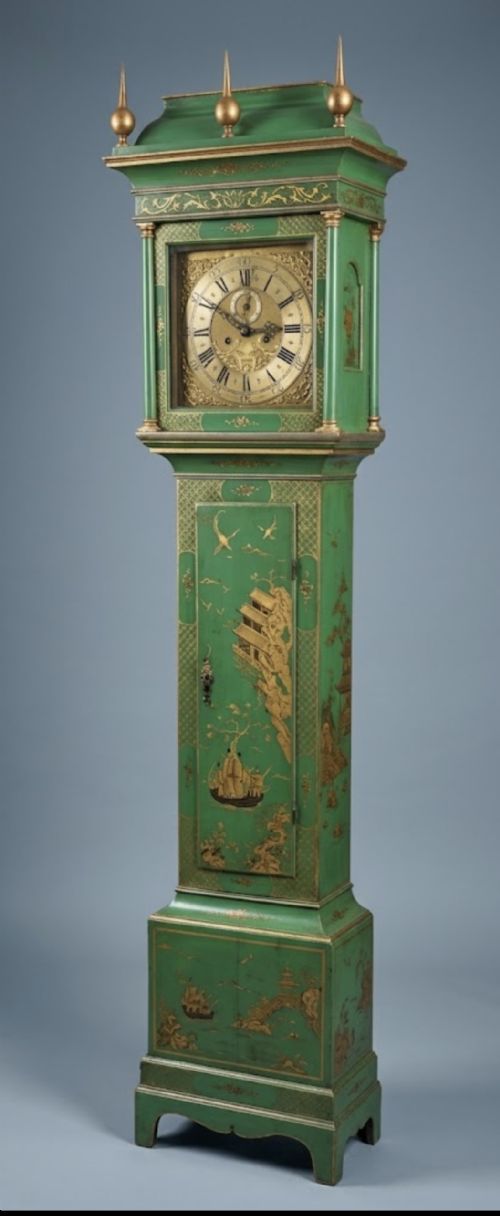
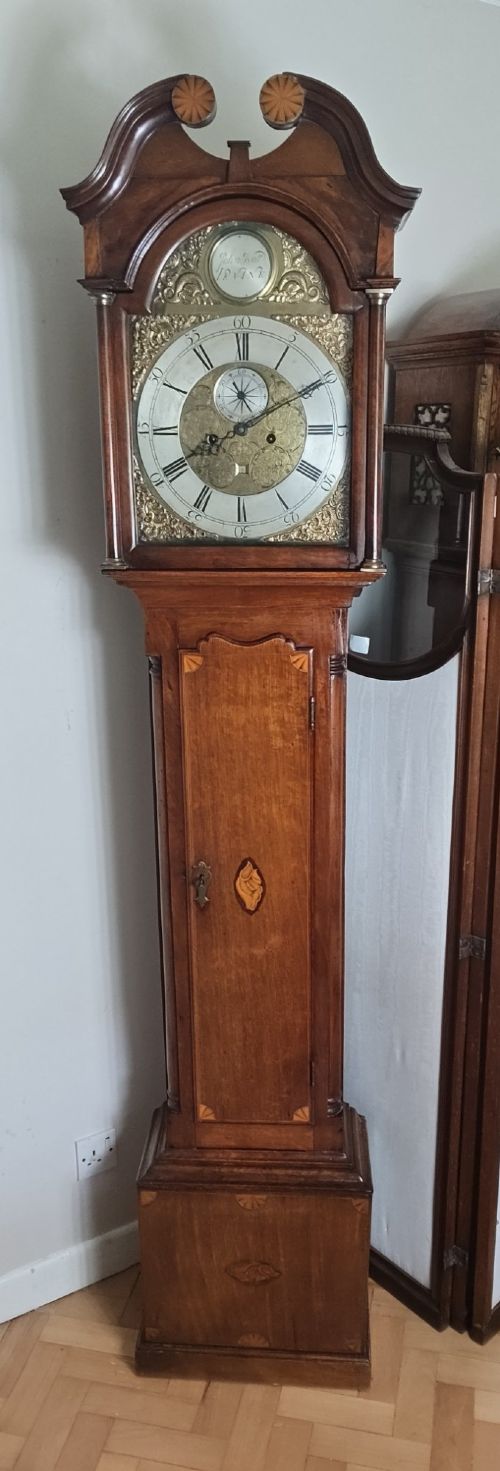
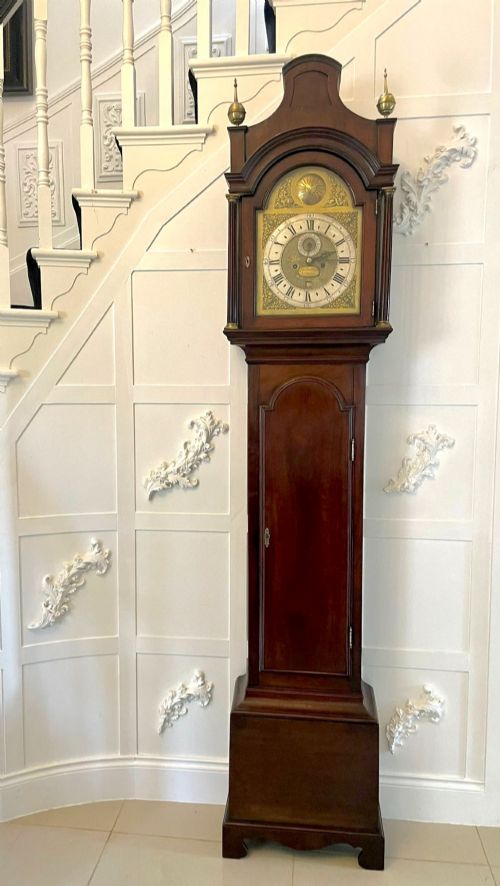
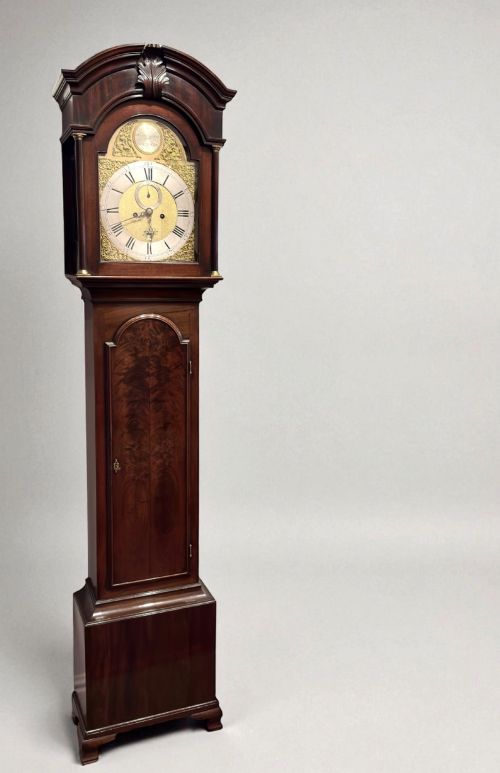
The terms describe the same tall floor-standing clock form housing a weight-driven movement and a swinging pendulum. Longcase is the traditional horological term, while grandfather became the popular descriptor for taller models.
Both varieties share brass dials protected by glazed hood doors and long wooden trunks. Regional variations in case timber, such as oak in northern England or mahogany in London, help identify their geographical origins.