

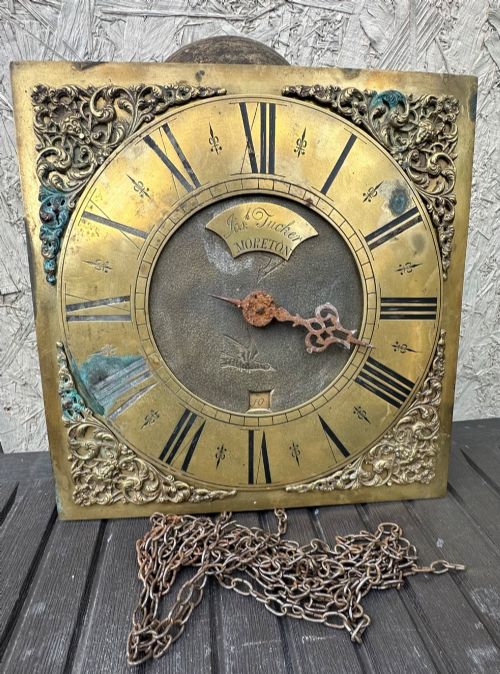


Ornate Brass Clock Movement
An ornate brass clock movement brings intricate mechanical artistry into a room, offering a glimpse into centuries of precision engineering and decorative design.
Ornate Brass Clock Movement
An ornate brass clock movement represents the intricate internal mechanics of timepieces spanning the eighteenth and nineteenth centuries, often housed within elaborate architectural or decorative frames. When searching for an ornate brass clock movement, buyers encounter diverse forms ranging from wall clock mechanisms to complete mantel clocks and delicate carriage clocks.
The pieces listed on this page encompass various historical periods, including the Regency era, the eighteenth century, and the late nineteenth century. Styles frequently draw upon French Louis XVI revival, Rococo revival, and Victorian aesthetics, showcasing the changing tastes of horological patrons across Europe.
Materials and construction
These movements and their surrounding housings utilise brass as the primary foundational metal, frequently paired with gilt bronze, patinated bronze, and iron components. Skilled artisans shaped these metals through casting, hammering, and fine machining to create durable and visually striking mechanical assemblies.
Many examples incorporate delicate materials such as glass panels, hand-painted porcelain, and enamel dials to complement the metallic structure. Fusee movements, chain fusee mechanisms, and repeater systems demonstrate the advanced technical proficiency required to regulate time accurately.
Ornate Brass Clock Movement Retail Price Guide 2026
Typical asking prices for ornate brass clock movement among the pieces listed under this phrase on Sellingantiques today, from the lower quarter to the upper quarter. They describe what is for sale here now, not the wider market.
Periods represented span from the eighteenth century through the Regency era and into the late nineteenth century.
Assessing craftsmanship
Quality in these pieces is dictated by the complexity of the movement and the finesse of the metalwork, distinguishing standard production from exceptional workshop output. Signed movements by notable makers carry distinct horological significance, reflecting higher standards of precision and finishing.
The integration of decorative elements such as gilt bronze mounts, painted porcelain panels, and intricate dial work further separates standard timepieces from masterworks. The presence of specialised mechanisms like twin fusee or repeater systems indicates superior mechanical ambition.
The Ornate Brass Clock Movement Glossary
- Fusee
- A conical pulley used on the mainspring of a clock to equalize the power delivered as the spring unwinds. This clever device ensures more consistent timekeeping throughout the running period.
- Repeater
- A mechanism that chimes the hours and quarters when a lever or pendant is activated. It allowed owners to tell the time in darkness.
- Mantel clock
- A freestanding clock designed to sit on a fireplace mantel or shelf. These often feature elaborate decorative cases made from bronze, porcelain, or brass.
- Carriage clock
- A small, portable spring-driven clock developed for travellers in the nineteenth century. They typically feature glass panels that reveal the internal movement.
- Gilt bronze
- Copper alloy finished with a thin layer of gold applied through mercury amalgamation or electroplating. This technique provides a durable and brilliant golden surface.
Ornate Brass Clock Movement: Frequently Asked Questions
What is a fusee movement?
A fusee movement uses a conical pulley to regulate the pull of the mainspring. This mechanism ensures the clock maintains an even force as the spring runs down.
Such systems are characteristic of high-quality British horology from the eighteenth and nineteenth centuries.
How do I identify the period?
Periods are identified through stylistic cues, case materials, and mechanical signatures. Regency pieces often display classical bronze work, while late nineteenth-century examples lean towards revival styles.
Maker signatures and dial designs provide further chronological clues.
Where were carriage clocks used?
Carriage clocks were originally built for travellers who needed portable timekeeping during long journeys. Their robust construction and protective travel cases made them ideal for transit.
Later Victorian examples became popular decorative items for domestic interiors.
What maintenance do these clocks need?
Mechanical clocks require regular professional servicing to clean the brass gears and renew lubricating oils. Proper handling and stable placement away from moisture help preserve the delicate metal components.
Ensuring the clock is set on a level surface is essential for proper escapement operation.