




Late Victorian Silver Bowl
When you handle a late victorian silver bowl, you touch the heavy hand-wrought weight and pierced metalwork characteristic of late nineteenth-century tableware.
Late Victorian Silver Bowl
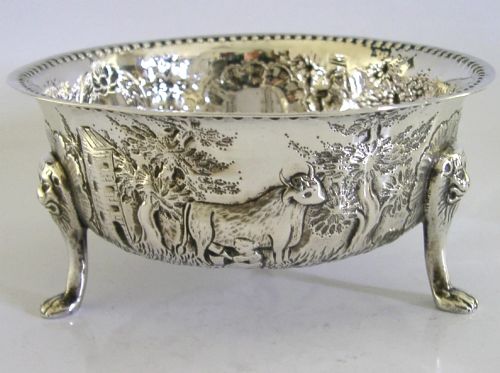
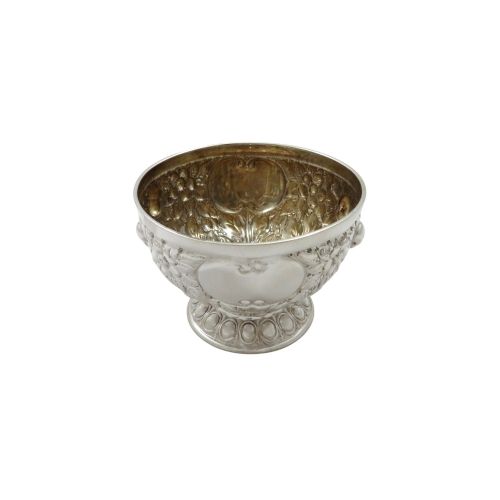
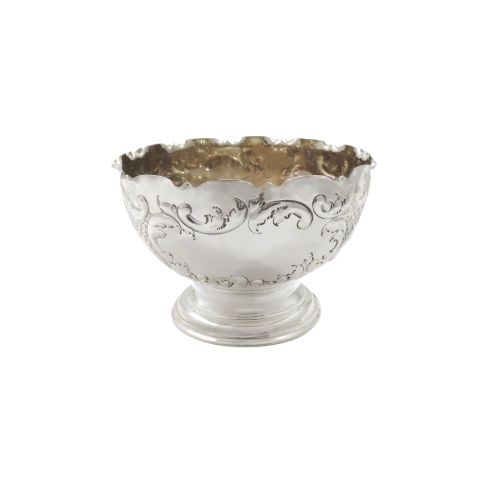
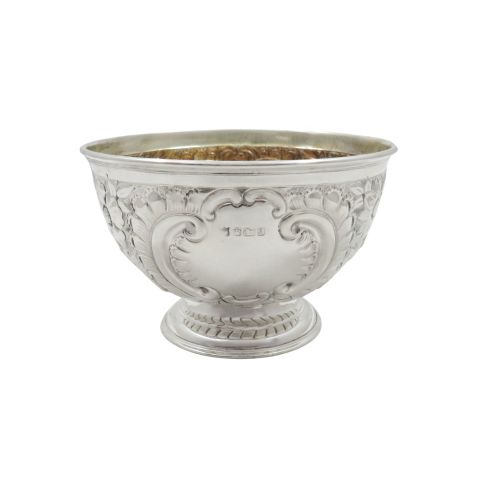
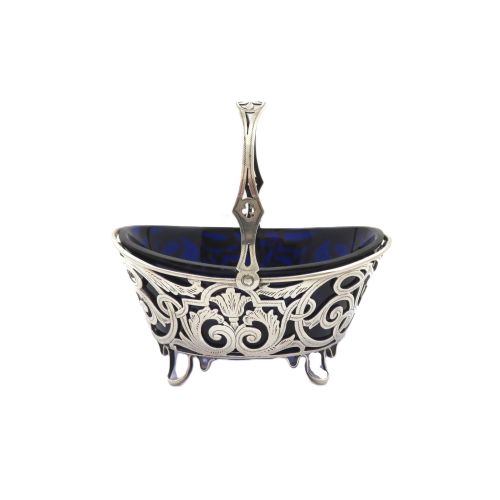
A late victorian silver bowl encompasses domestic tableware created in the closing decades of the nineteenth century, including rose bowls, sugar bowls, and fruit dishes. The versions most commonly encountered on this page take the form of sterling silver or silver-plated vessels, frequently featuring pierced decoration, embossed floral scrolls, or coloured glass liners.
Makers and silversmiths of the period utilised various formats ranging from small bonbon dishes to large punch bowls intended for formal dining. Stylistic influences span traditional Victorian designs alongside Arts and Crafts simplicity, Aesthetic Movement motifs, and early Art Nouveau curves.
How They Were Made
Silversmiths constructed these vessels from solid sterling silver or applied silver plate over copper and base metals, often incorporating contrasting materials such as oak, ceramic, and ruby or cranberry glass. Workshops employed techniques like piercing, embossing, and chasing to decorate the metal surfaces with floral and scroll motifs.
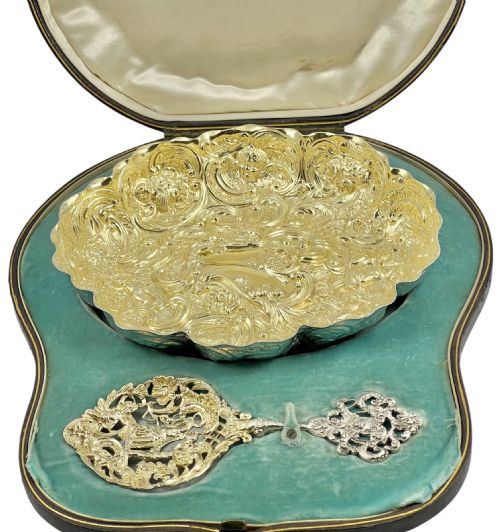
Interiors frequently received a wash of gold known as silver gilt, while glass components were blown or moulded to fit snugly within pierced metal baskets and frames.
Materials recorded on this page include sterling silver, silver plate, gilt, velvet, glass, silver gilt, cobalt glass, and ceramic.
What Varies in Quality
Quality rests upon the crispness of the chased and embossed decoration and the structural integrity of pierced metalwork. Heavy gauge silver or substantial silver plate on copper provides a reassuring heft and durability.
The integration of secondary materials defines the calibre of the piece, seen in the clarity of coloured glass liners and the tight fit of silver mounts on ceramic bodies.
William Comyns·Walker and Hall·Doulton Burslem·Doulton Lambeth·Martin Hall·William Padley·George Nathan and Ridley Hayes
The Late Victorian Silver Bowl Glossary
- Sterling silver
- An alloy comprising ninety-two point five percent silver by mass, with the remainder consisting of copper or other metals. This standard grade is stamped with hallmarks indicating the assay office and year.
- Silver gilt
- Sterling silver that has been coated with a thin layer of gold through an electrolytic or fire-gilding process. This technique protects the interior of bowls used for acidic foods.
- Silver plate
- A manufacturing method where a thin layer of silver is bonded to a base metal such as copper or Britannia metal. It provided an accessible alternative to solid silver for large dining vessels.
- Pierced work
- A decorative technique involving the cutting or sawing of openings through the metal sheet to create openwork patterns. It lightens the visual weight of large fruit baskets and dishes.
- Quaich
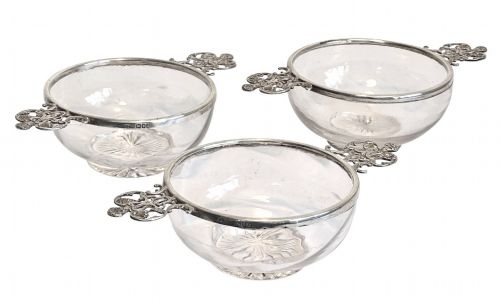
- A traditional shallow two-handled drinking vessel adapted during the period into decorative presentation bowls. They sit on a small foot with flat lug handles.
Late Victorian Silver Bowl: Frequently Asked Questions
What were late Victorian silver bowls used for?
These vessels served functional roles on formal dining tables, holding fruit, sugar, punch, or salad. Wealthy households displayed them as centrepieces to demonstrate hospitality and status.
Smaller examples functioned as nut dishes, sweetmeat containers, or salt cellars during multi-course meals.
How do I clean a silver bowl?
Clean sterling silver using a soft cloth and a reputable proprietary silver polish formulated to remove tarnish without scratching the metal surface. Avoid abrasive pads that wear away thin plating or delicate chasing.
Wash glass liners separately in warm soapy water, ensuring they are completely dry before placing them back into their metal mounts.
Are glass inserts original to the bowls?
Many surviving pieces retain their original blown or moulded glass liners, particularly cranberry and ruby glass sugar and salad bowls. A correct fit indicates original pairing.
Replacement liners appear frequently due to the fragile nature of nineteenth-century glass.
How do I read the hallmarked dates?
British hallmarks stamped into the metal include a date letter corresponding to a specific assay year, alongside the lion passant for sterling silver and a town mark. Consulting standard reference tables decodes these symbols.
Maker's marks stamped alongside the assay office stamp identify the specific silversmith workshop.