

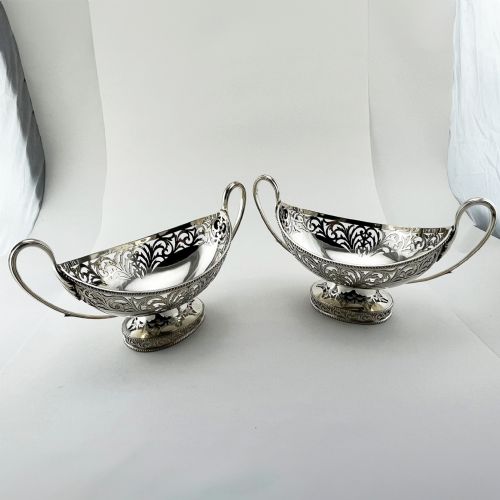


Victorian Pierced Silver Dish
Victorian pierced silver dishes bring intricate openwork craftsmanship and delicate table service elegance to any collection.
Victorian Pierced Silver Dish
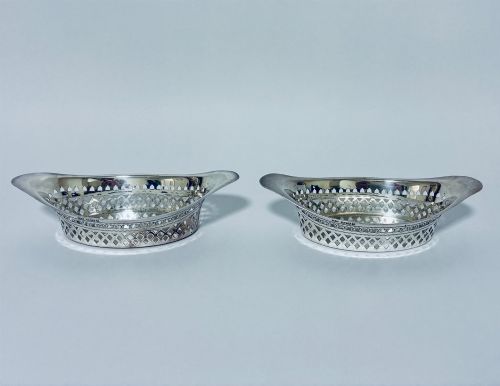
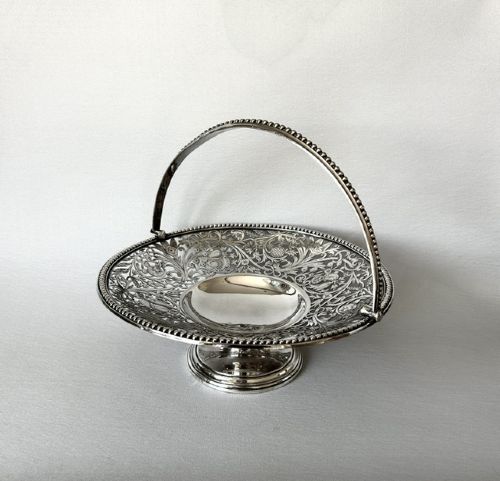
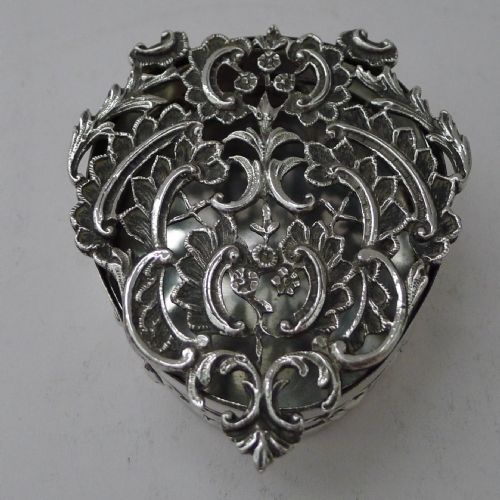
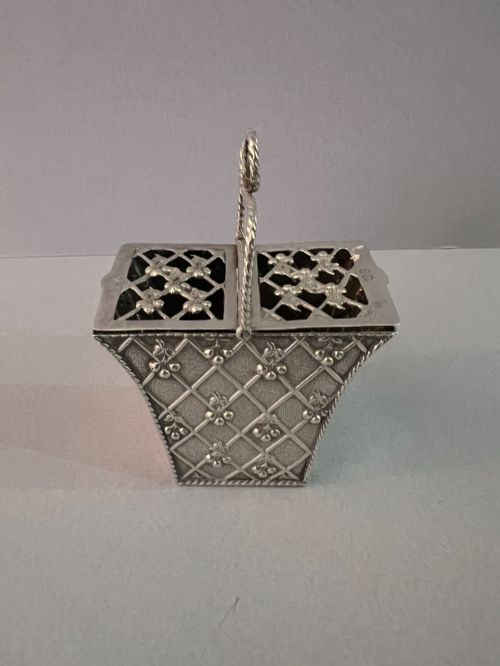
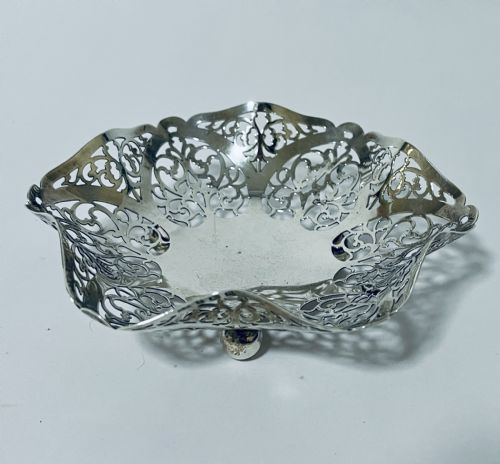
Most examples found on this page date from the Victorian and Edwardian eras, reflecting styles from plain geometric patterns to ornate rococo revival designs. Buyers frequently encounter smaller bonbon dishes and sweetmeat baskets alongside larger oval serving dishes and footed bowls.
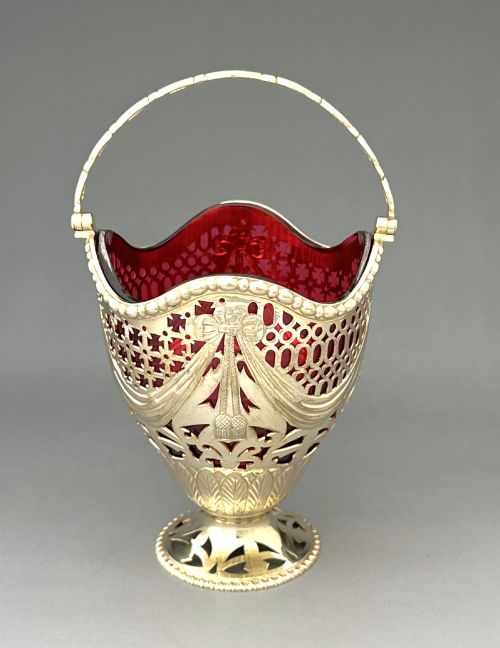
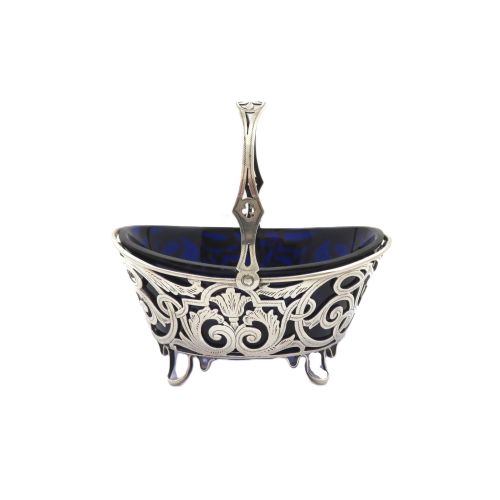
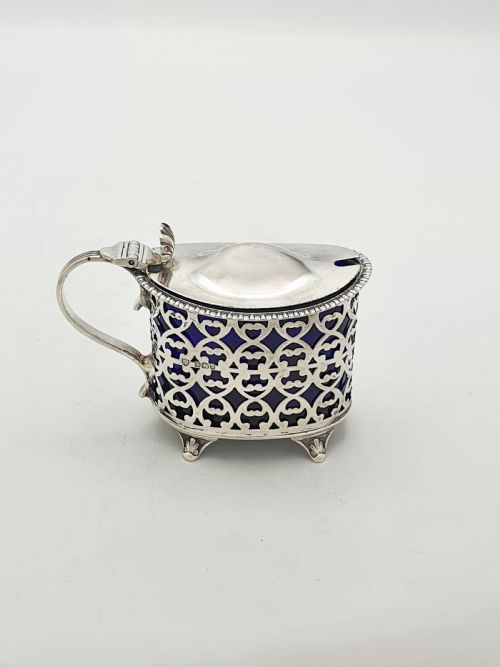
The objects serve multiple functional roles across dining and dressing tables, often incorporating contrasting glass liners in cobalt blue, cranberry red, or ruby glass to hold sweets, mustard, or pot pourri.
How they were made
Silversmiths utilised sterling silver, silver-gilt, and silver plate, often forming the primary body through stamping, casting, or hammering before piercing the metal by hand or machine. The openwork patterns were meticulously sawn or punched to create symmetrical lattices, scrolls, and wickerwork motifs.
Many items incorporate glass inserts, such as cobalt blue, cranberry, or ruby glass liners, which required precise glassblowing to fit snugly inside the intricate metalwork frames. Cast handles, floral rims, and reeded mounts were then soldered to the pierced bodies to complete the service pieces.
Listings feature items spanning the Victorian, Edwardian, and mid-nineteenth century periods, constructed from sterling silver, silver plate, and silver-gilt.
What varies in quality
Quality rests primarily on the depth and crispness of the piercing work, where hand-cut lattice and intricate floral motifs display superior craftsmanship compared to simpler stamped patterns. The weight of the silver and the rigidity of the metal body also dictate the standard of the piece.
The presence of original coloured glass liners, whether cobalt, cranberry, or ruby, significantly elevates a piece, particularly when undamaged and fitted precisely to the silver housing. Maker marks from notable workshops and clear hallmarks add historical distinction to the finer examples.
William Comyns·Thomas Bradbury·Martin Hall·Edward H Stockwell·George Fox
The Victorian Pierced Silver Dish Glossary
- Pierced
- Metalwork decorated by cutting or punching holes through the surface to create decorative openwork patterns.
- Bonbon dish
- A small small-scale serving vessel specifically designed for holding sweets, sugared almonds, or small confections.
- Silver-gilt
- Silver objects that have been coated with a thin layer of gold on the surface, often referred to as vermeil.
- Pot pourri
- A mixture of dried plant materials used to scent a room, typically housed in a specialised lidded box or pierced basket.
- Mazarine
- A flat draining tray or plate insert used in serving dishes to keep food elevated above accumulated juices.
Victorian Pierced Silver Dish: Frequently Asked Questions
What were pierced silver dishes used for?
These dishes served primarily as decorative table vessels for presenting bonbons, fruit, sugar, or sweetmeats during formal Victorian dining occasions. They also functioned as dressing table trinket containers or pot pourri holders.
The inclusion of coloured glass liners allowed them to hold damp or moist items like mustard, butter, or preserves without damaging the surrounding metalwork.
How do I identify a Victorian piece?
Identification relies on examining the hallmarks stamped into the silver, which indicate the assay office, date letter, and maker's mark corresponding to the nineteenth century. Stylistic cues such as rococo revival scrolls or intricate wickerwork also point to this era.
Comparing the manufacturing techniques and weight against documented Victorian standards helps confirm the period of origin.
Why do some dishes have coloured glass liners?
Coloured glass liners provided a striking visual contrast against the bright reflective surface of pierced sterling silver or silver plate. They also served a practical purpose by containing food items safely within openwork frames.
Cobalt blue, cranberry, and ruby glass were the predominant colours utilised by makers during the period.
How should I care for antique silver dishes?
Care requires gentle cleaning with a soft cloth and specialist silver polish designed to remove tarnish without abrading the delicate pierced details. Harsh chemical dips should be avoided to protect both the metal surface and any applied gilding.
Glass liners should be washed separately in warm soapy water and dried thoroughly before being placed back into the silver frames.