
Silver Table Centrepiece Bowl
A silver table centrepiece bowl anchors a dining table, combining precious metal and glass to hold fruit or flowers.
Silver Table Centrepiece Bowl
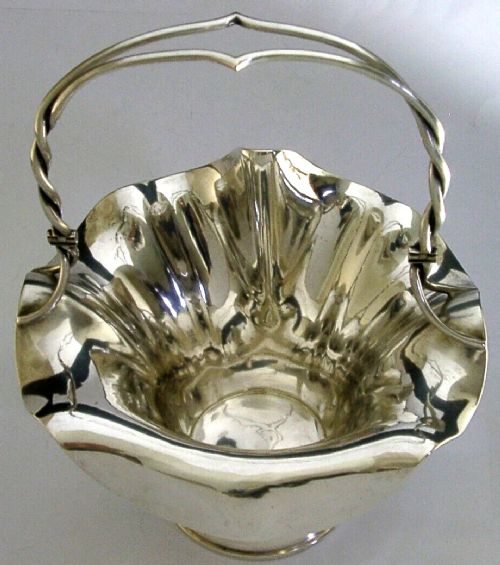
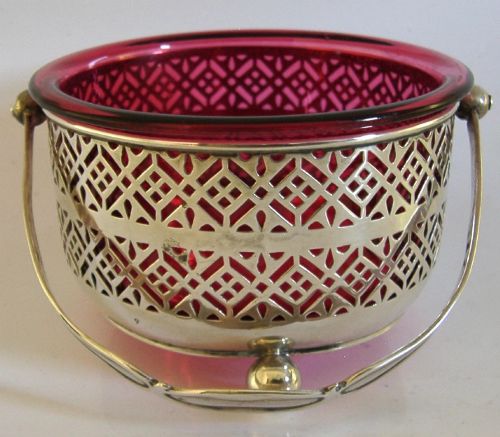
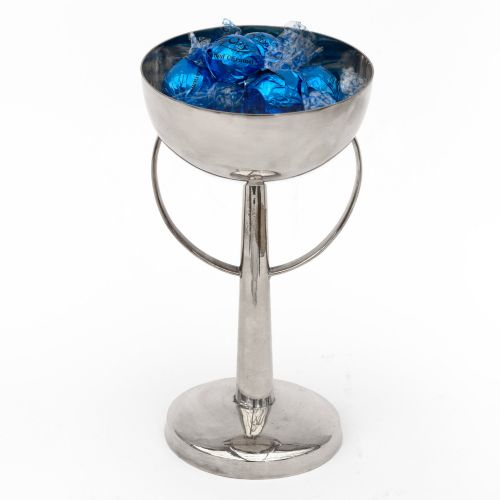
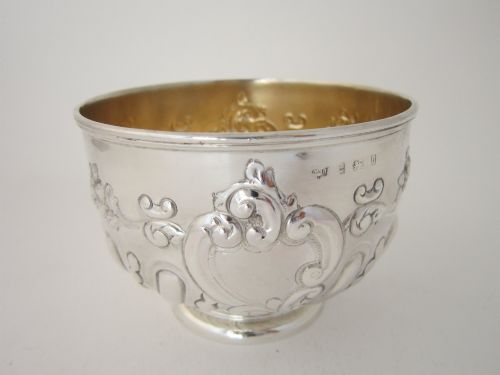
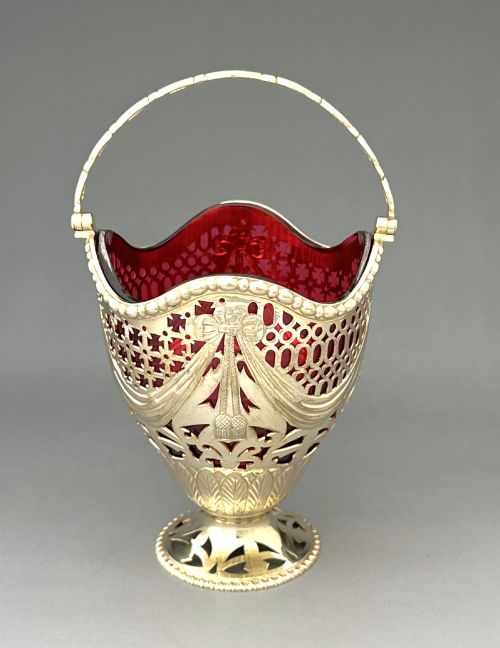
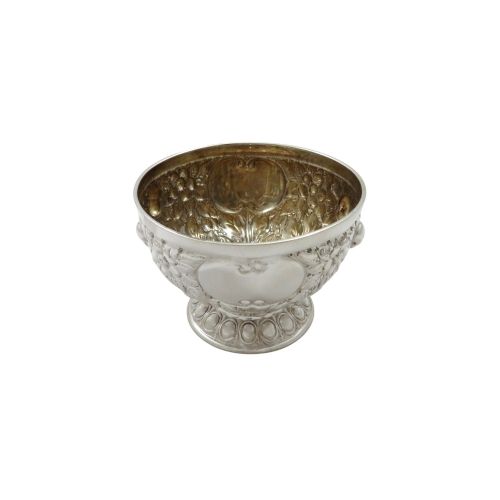
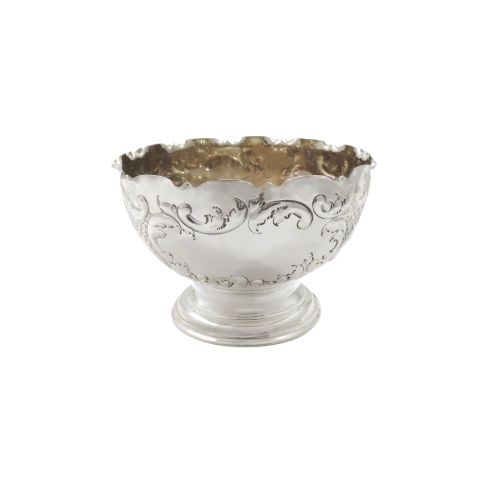
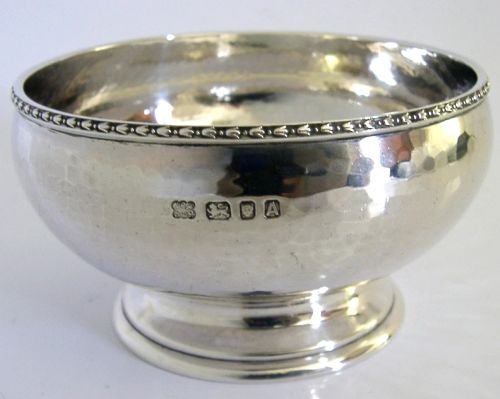
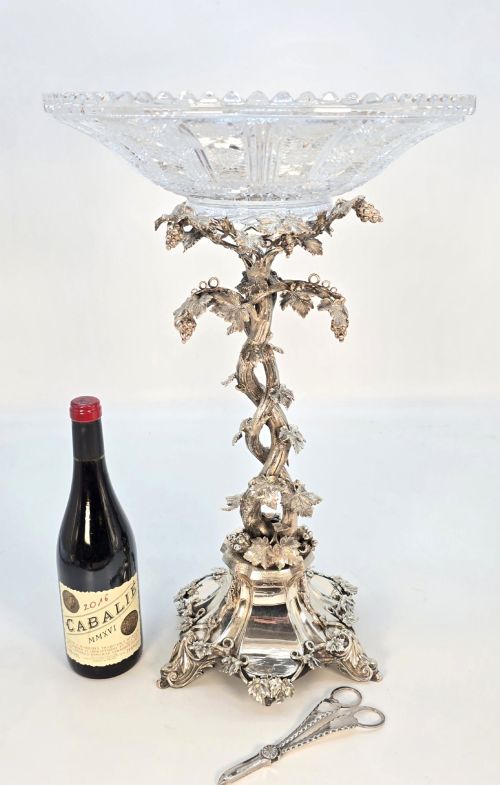
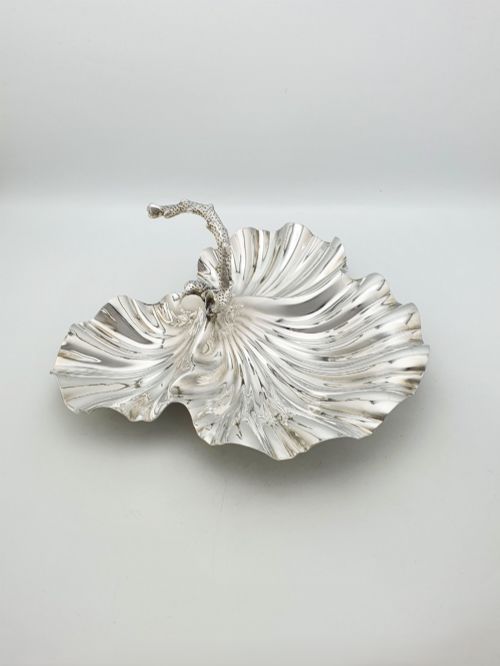
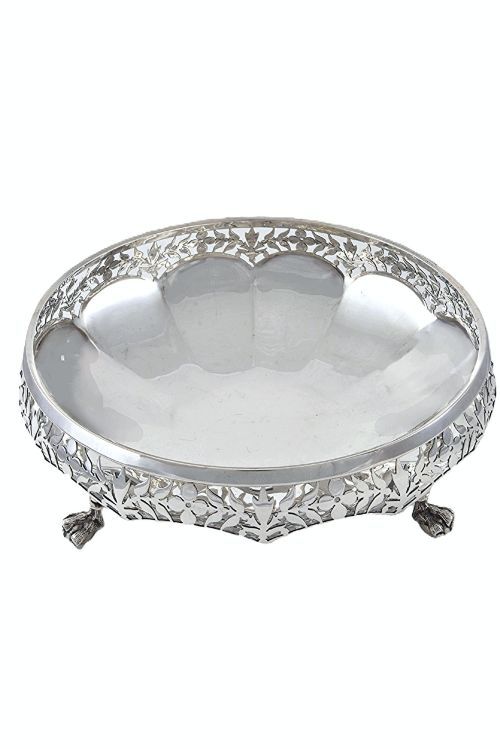
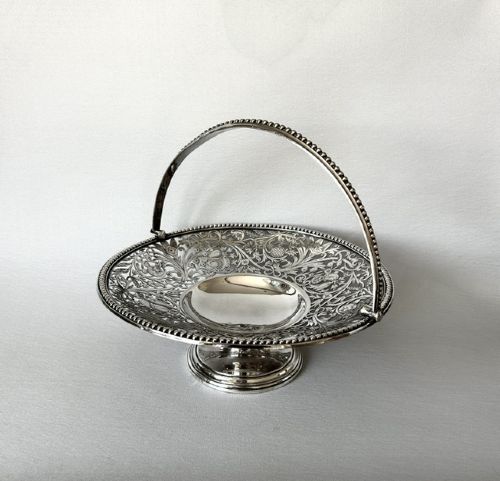
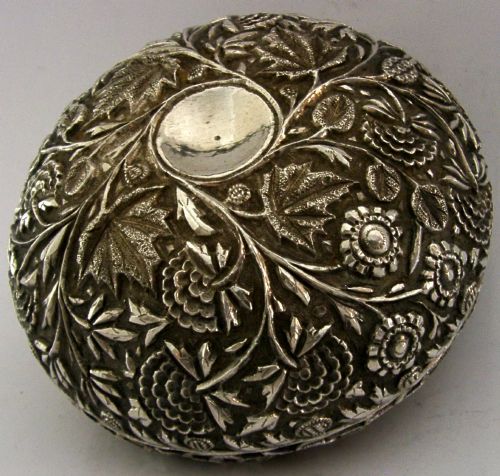
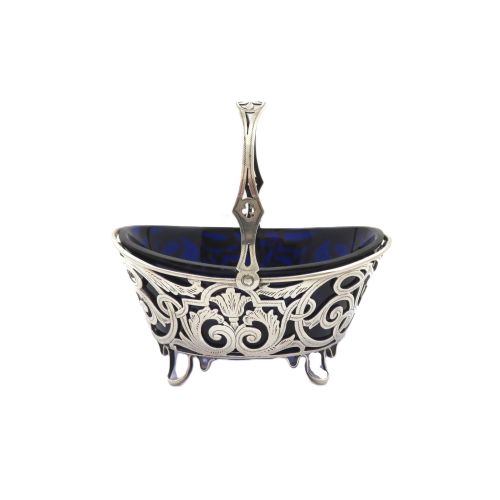
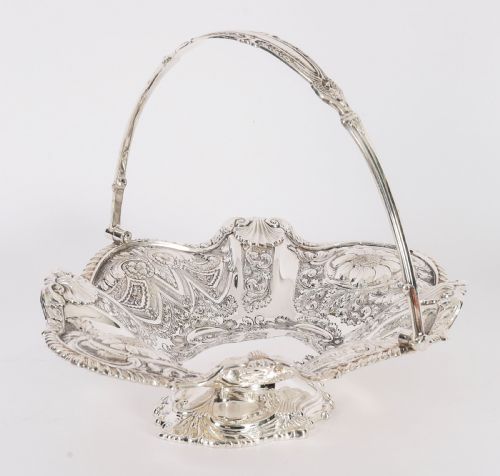
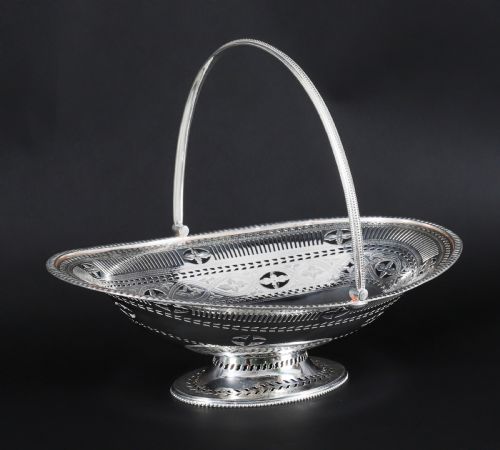
When searching for a silver table centrepiece bowl, buyers encounter substantial decorative vessels created to sit in the middle of a dining table or sideboard. These items appear primarily as open bowls, pierced fruit baskets, pedestal dishes, and footed vessels designed for presentation.
The selections span from the mid-nineteenth century through the Edwardian era and into the Art Deco period. Victorian and Edwardian examples dominate the offerings, often taking the form of swing-handled baskets or glass-lined dishes.
Makers utilised various regional aesthetics, ranging from classical revival styles to organic floral motifs. Pieces originate from English, Irish, Anglo-Indian, and continental European workshops.
Materials and construction methods
Artisans constructed these vessels using sterling silver, solid silver, or base metals coated in silver plate, Old Sheffield plate, or silvered bronze. Many examples incorporate contrasting elements such as cut glass, cranberry glass, amber glass, green vaseline glass, carved oak, and crystal liners.
Manufacturing techniques combine traditional silversmithing with specialised glass production. Makers employed piercing, planishing, hammering, repoussé work, and gilding to shape the metal bodies before fitting them with glass inserts.
Silver Table Centrepiece Bowl Retail Price Guide 2026
Typical asking prices for silver table centrepiece bowl among the pieces listed under this phrase on Sellingantiques today, from the lower quarter to the upper quarter. They describe what is for sale here now, not the wider market.
Listings feature nineteenth and twentieth-century forms including sugar baskets, fruit baskets, and tazze made from sterling silver and silver plate.
Distinctions in craftsmanship and material weight
Superior examples display heavier gauge metal and substantial weight, distinguishing them from lighter production items. The depth of hand-worked detailing, such as crisp repoussé floral rims or precise hammered planishing, separates finer items from plain commercial wares.
The quality of accompanying glass elements affects the overall standard of the piece. Intricate cut glass liners, coloured vaseline glass, or fitted crystal inserts integrated securely into pierced metal frameworks indicate higher manufacturing ambition.
George W. Scott & Sons Ltd·Tiffany & Co.·Mappin & Webb·Charles Boyton·Thomas Bradbury·Lerolle Fres
The Silver Table Centrepiece Bowl Glossary
- Silver Plate
- A base metal substrate coated with a thin layer of silver. This technique provided a lower cost alternative to solid silver while maintaining the visual appeal of precious metal.
- Repoussé
- A metalworking technique where the artisan hammers the metal from the reverse side to form a raised design in relief on the front. This method creates textured floral and scroll patterns.
- Old Sheffield Plated
- An early method of fusing a thin sheet of sterling silver to a thicker copper core by heat and pressure. It predates electroplating and exhibits distinctive characteristics along cut edges.
- Vaseline Glass
- A type of glass coloured with uranium dioxide, producing a characteristic yellow-green shade that glows under ultraviolet light. It frequently appears in Edwardian table vessels.
- Tazza
- An Italian term for an ornate cup or shallow bowl raised on a high foot and pedestal base. These items were traditionally used for serving small fruits or sweetmeats.
Silver Table Centrepiece Bowl: Frequently Asked Questions
What is a silver table centrepiece bowl used for?
These vessels were historically placed in the middle of dining tables to hold displays of fruit, flowers, or sweetmeats during formal meals.
Today, they function as decorative interior objects or functional serving containers for modern dining spaces.
How do I care for silver plate and glass?
Clean silver components using a soft cloth and appropriate silver polish while avoiding abrasive materials that remove thin plating layers. Wash glass liners separately in warm soapy water to protect both the glass and the metal mounts.
Store items in stable environments away from excessive humidity to prevent tarnish and protect vulnerable glass inserts.
How can I tell Victorian pieces from Edwardian ones?
Victorian items frequently exhibit heavier ornamentation, such as deep repoussé floral motifs, neo-classical styling, or elaborate pierced metalwork. These designs reflect the ornate aesthetic preferences of the mid and late nineteenth century.
Edwardian pieces often lean towards lighter, airier forms with refined proportions, alongside distinctive coloured glass liners like vaseline or cranberry glass.
What does Old Sheffield Plate mean?
Old Sheffield Plate describes an early fusing technique where a thin layer of silver is bonded to a copper base before rolling into sheets. This predates modern electroplating.
Items made this way often reveal subtle traces of copper showing through along high wear points or edges.