

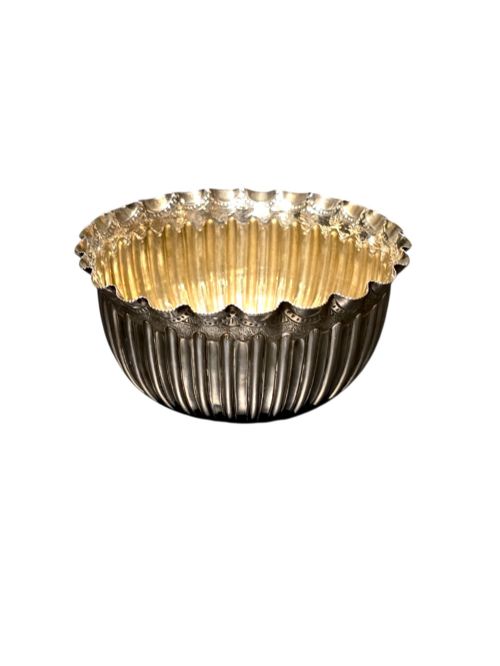
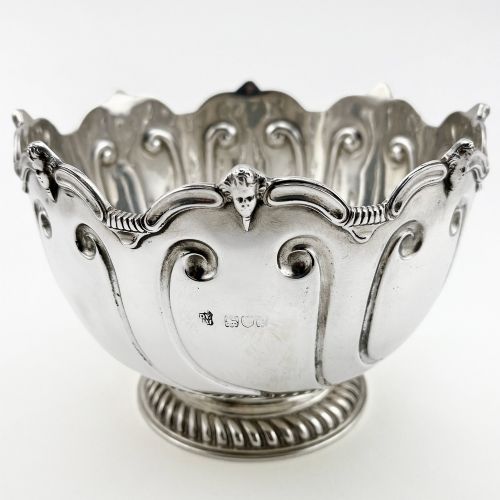
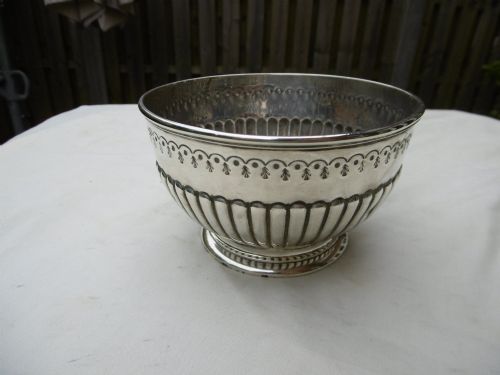
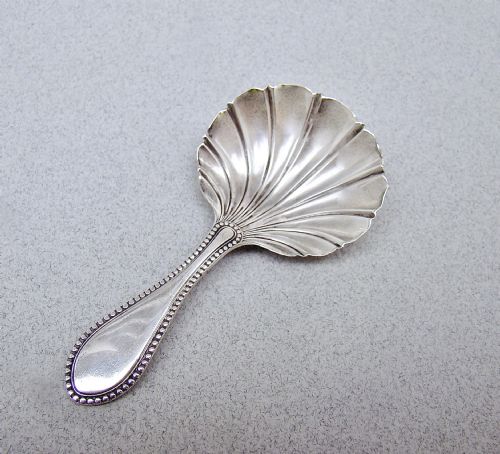
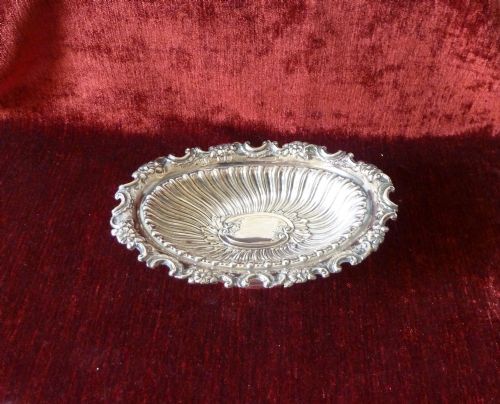


Fluted Sterling Silver Bowl
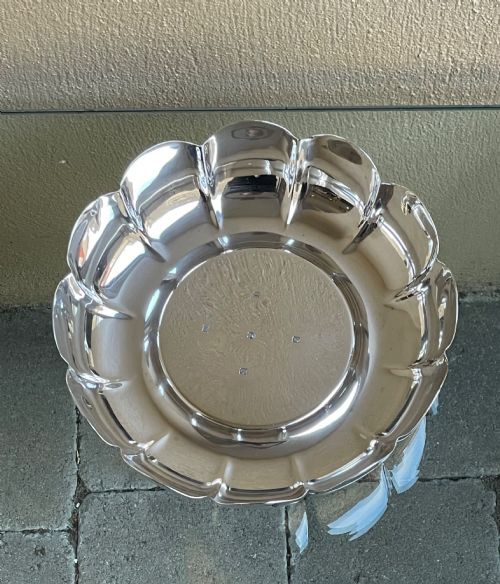
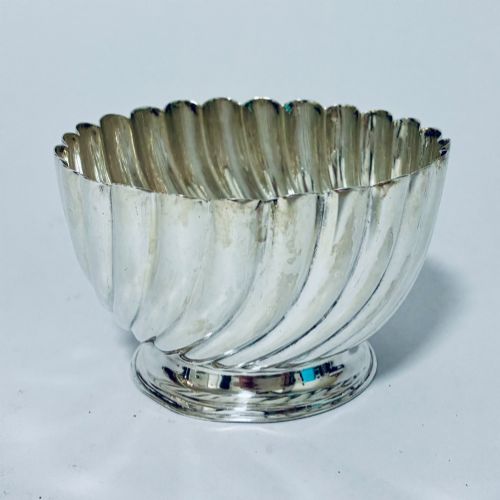
A fluted sterling silver bowl brings architectural line and reflective weight to a table, shaped across periods from the seventeenth century to the twentieth.
Fluted Sterling Silver Bowl
When you search for a fluted sterling silver bowl, you encounter holloware fashioned with radial channels or grooves that catch the light. The pieces on this page span several centuries, reaching back to seventeenth-century porringers and moving forward through Georgian, Victorian, and Edwardian examples.
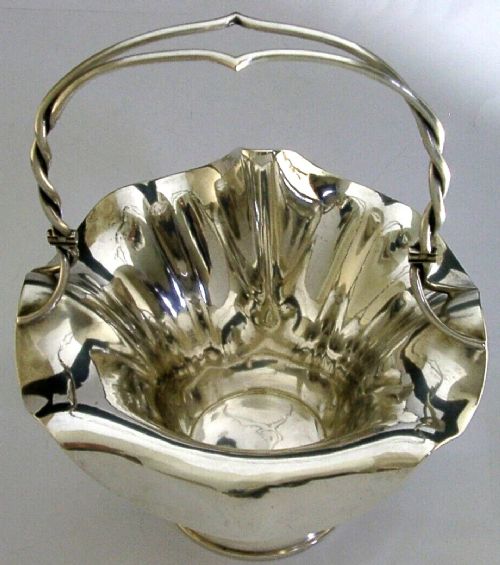
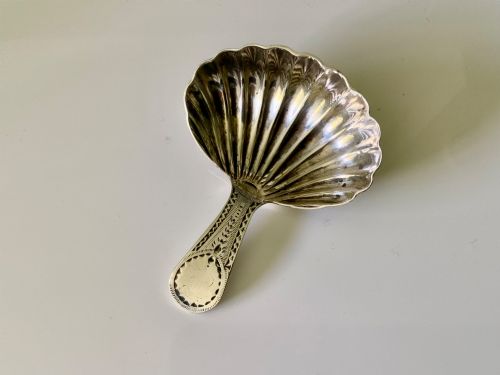
While the search term directs attention to bowls, the material evidence also encompasses related domestic silver such as bon-bon dishes, caddy spoons, porringers, and baskets. The forms vary from small sweet dishes to substantial serving pieces, reflecting how silversmiths utilised fluting to add rigidity and decorative depth to solid silver.
How they were made
Silversmiths constructed these pieces primarily from solid sterling silver, hammering or spinning ingots into hollow forms before chasing or repoussé work defined the flutes. This manipulation of metal required precise control to maintain wall thickness while creating the distinctive convex and concave channels.
Makers integrated structural elements like foot rings and applied wire rims to stabilise the bowls. The surfaces then received hallmarks indicating the assay office, standard, and date, recording the workshop origin directly onto the metal.
Fluted Sterling Silver Bowl Retail Price Guide 2026
Typical asking prices for fluted sterling silver bowl among the pieces listed under this phrase on Sellingantiques today, from the lower quarter to the upper quarter. They describe what is for sale here now, not the wider market.
The materials recorded across these silver items include solid silver, sterling silver, and supplementary wooden components.
What varies in quality
Quality rests in the crispness of the fluting and the gauge of the sterling silver used for the body. Substantial weight provides a tactile density that thin-walled items lack, ensuring the bowl retains its structural integrity during use.
The clarity of the hallmarks and the skill evident in any hand-chased embellishment distinguish standard production from superior craftsmanship. Balance and proportion further separate accomplished silversmithing from simpler utilitarian output.
Peter and William Bateman·Martin Hall and Co·Tiffany and Co·Whiting Co·Harry Atkin
The Fluted Sterling Silver Bowl Glossary
- Sterling silver
- An alloy consisting of ninety-two point five percent silver by mass, with the remainder comprising copper or other metals. This standard ensures durability while maintaining the lustre of pure silver.
- Porringer
- A small, two-handled bowl used historically for porridge, broth, or bleeding, frequently featuring fluted decoration in seventeenth-century examples.
- Repoussé
- A metalworking technique where the silversmith hammers the design from the reverse side to form a raised pattern on the front.
- Hallmark
- An official stamp applied to precious metals indicating the standard of purity, the maker, and the year of assay.
Fluted Sterling Silver Bowl: Frequently Asked Questions
How do I clean a silver bowl?
Wash the silver gently in warm soapy water using a soft sponge, then dry it thoroughly with a lint-free cloth to prevent water spots.
Avoid abrasive dips or harsh commercial pastes that can wear away fine detail and remove desirable patination built up over decades.
Can I use these bowls for food?
Solid sterling silver is generally safe for serving dry goods, sweets, or fruit, provided you clean the surface promptly after use.
Acidic foods and prolonged contact with certain liquids can tarnish the metal quickly or react with the silver alloy over time.
What is a porringer?
A porringer is a shallow vessel equipped with one or two flat, pierced handles, used in early domestic interiors for soft foods.
Seventeenth-century versions often display distinct fluted bodies that provide both decorative texture and structural rigidity.
How do I read silver hallmarks?
Hallmarks typically include a maker's mark, a standard mark such as a lion passant for sterling, an assay office symbol, and a date letter.
Comparing these punches against reference tables reveals the exact town and year the piece passed through the assay office.