

Late Victorian Seating
Late victorian seating encompasses robust oak benches, upholstered library armchairs, and spindle-backed fireside chairs made to furnish substantial nineteenth-century homes.
Late Victorian Seating
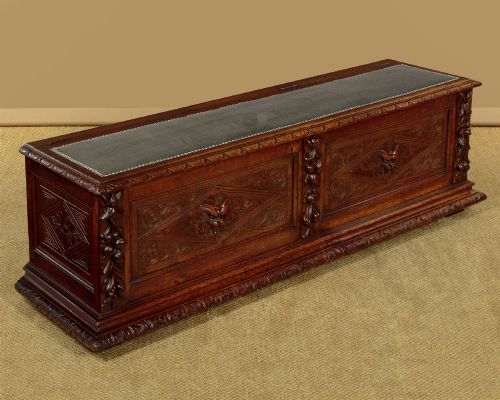
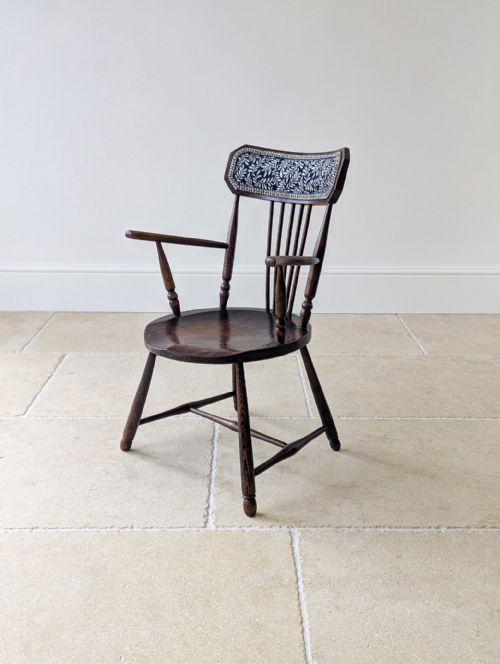
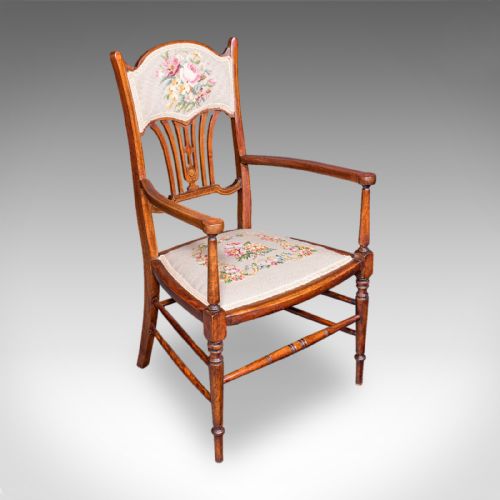
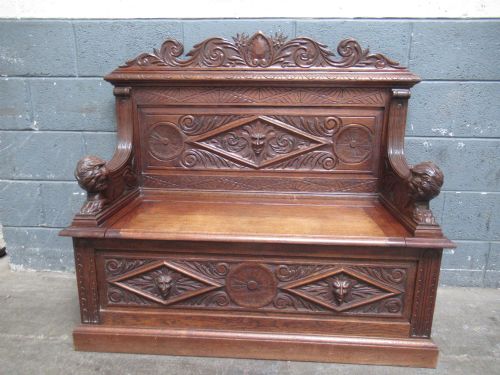
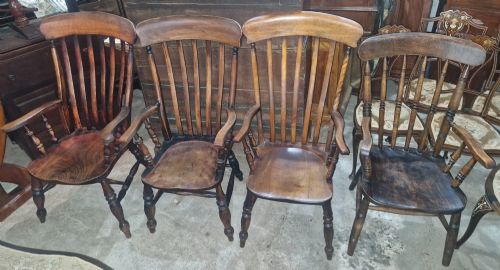
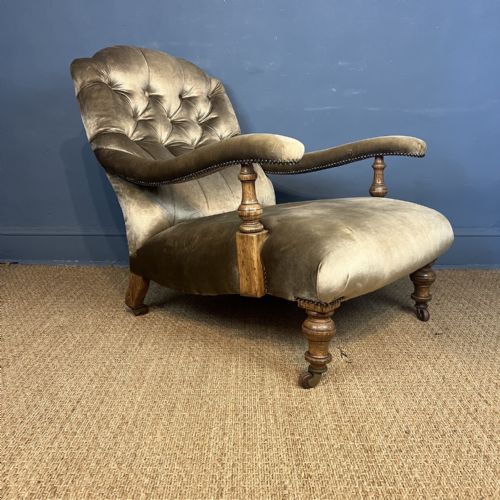
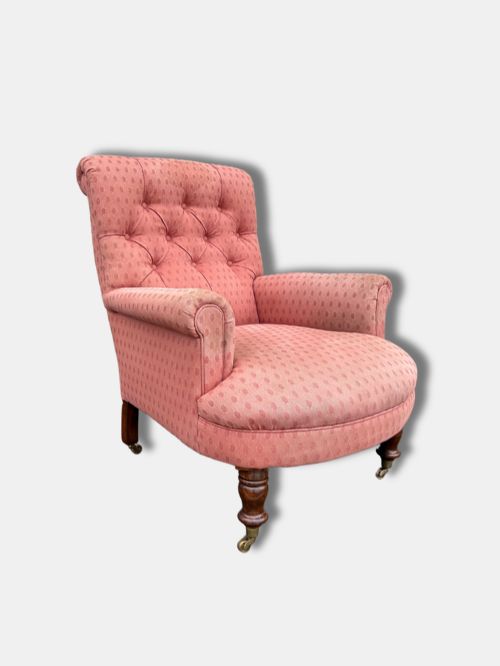
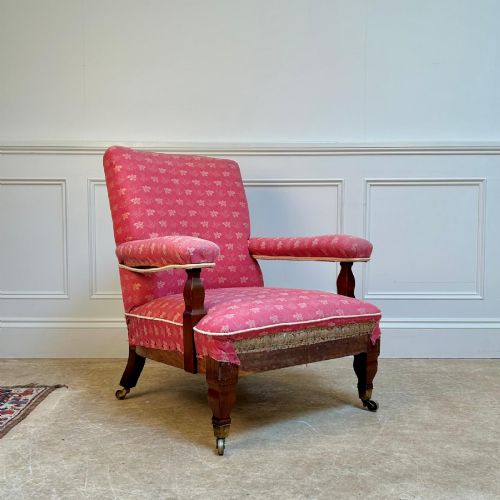
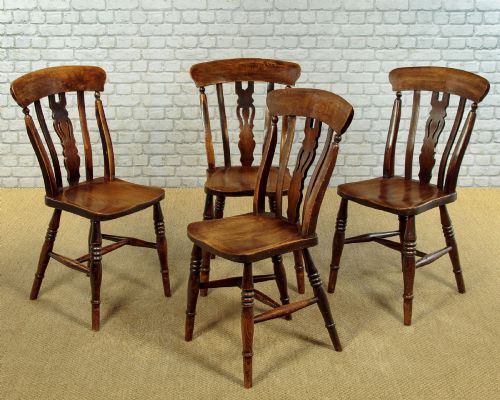
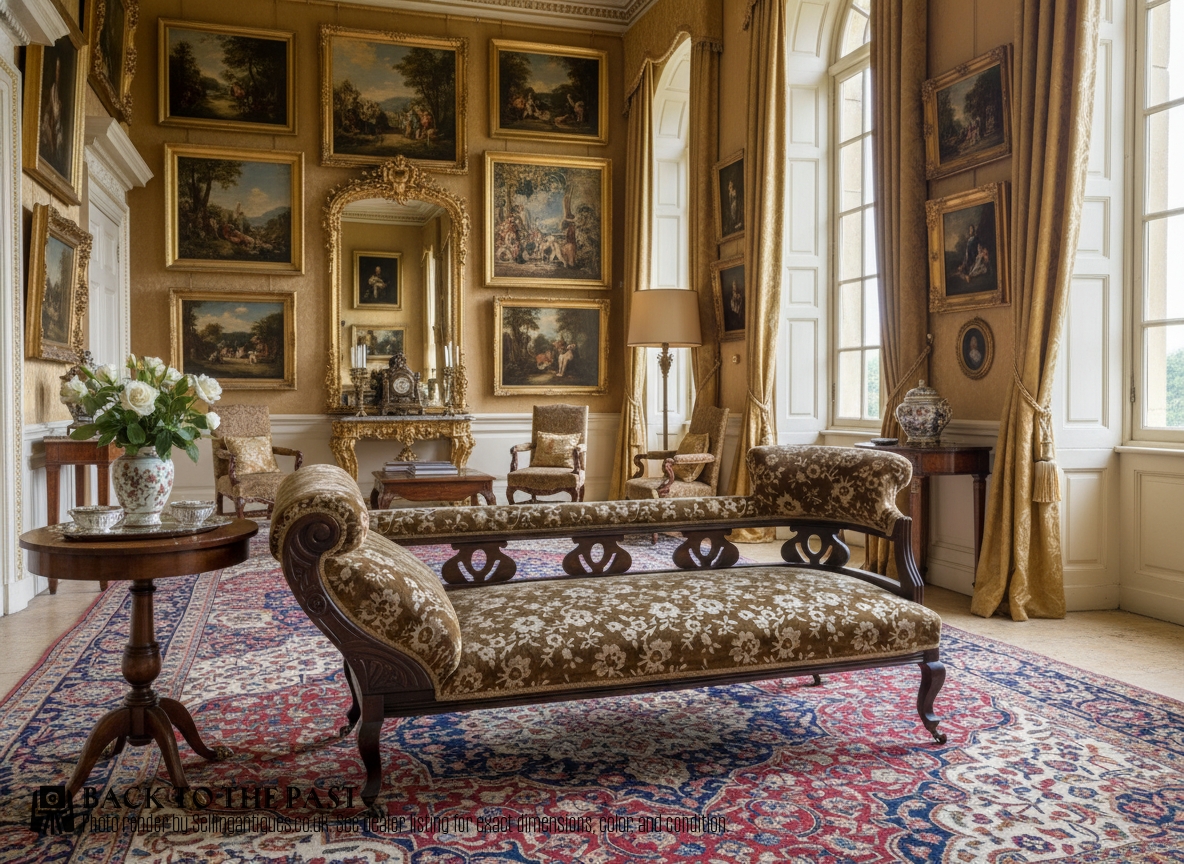
Late victorian seating covers a broad spectrum of domestic furniture from the final decades of the nineteenth century into the opening years of the twentieth. You will frequently encounter sturdy oak hall benches, kitchen windsor chairs, and library armchairs designed for daily comfort.
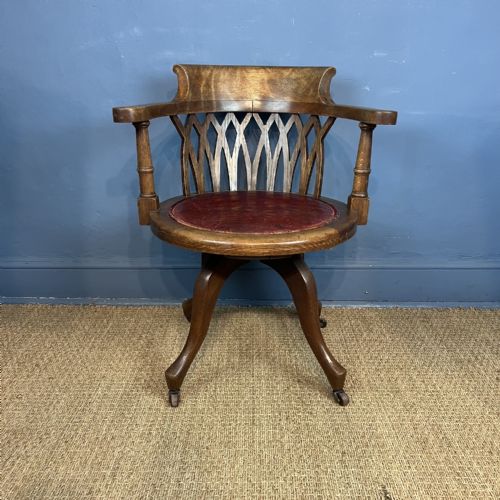
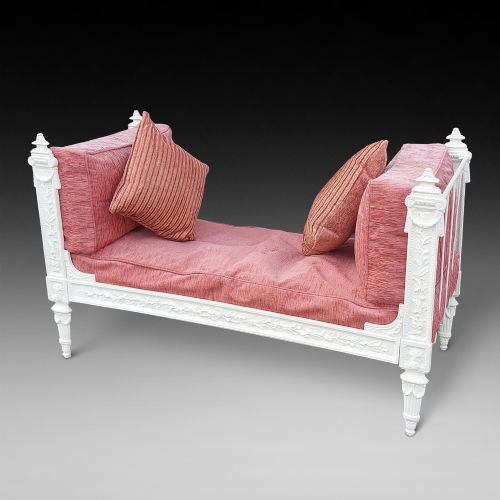
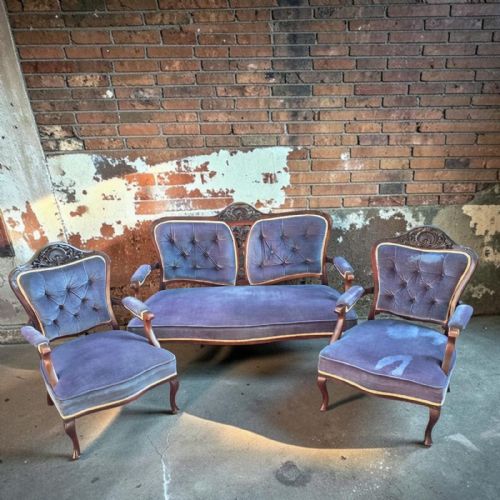
The selection extends to walnut salon suites, mahogany window seats, and specialised desk chairs revolving on timber frames. Pieces range from unpretentious elm farmhouse chairs to ornate aesthetic movement and arts and crafts designs.
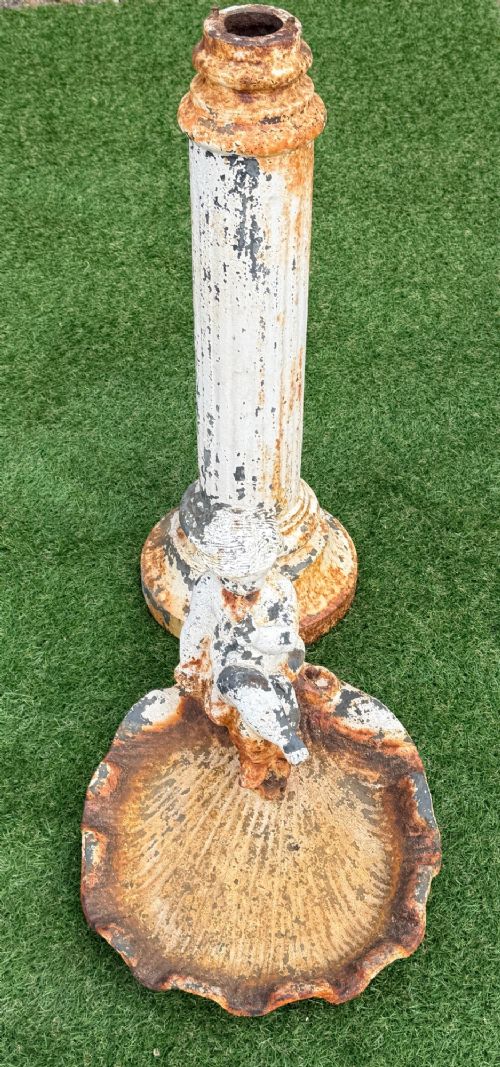
Makers utilised various timbers such as beech, satinwood, and burr elm alongside brass fittings and cast iron elements. Different regional workshops produced everything from simple side chairs to monumental settles and club fenders.
Materials and construction
Cabinet makers relied heavily on solid hardwoods like oak, walnut, and mahogany, often shaping them with deep carvings or turning them into spindles and cabriole legs. Structural integrity relied on traditional joinery, while metal components such as brass mounts and cast iron frames provided additional support.
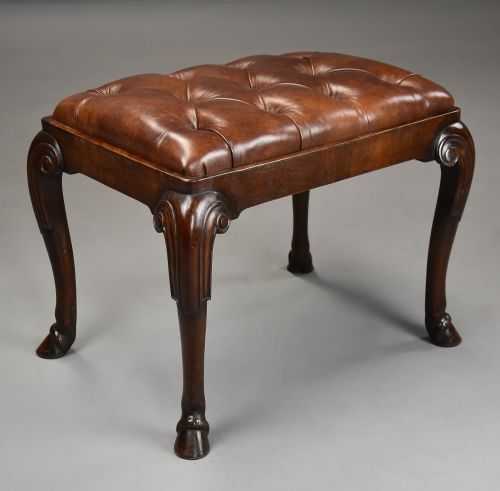
Upholstered items combined traditional webbing and stuffing with coverings in leather, velvet, fabric, or silk. Rush seating appeared on fireside chairs, and specialised items incorporated turned faux bamboo and terracotta elements.
Late Victorian Seating Retail Price Guide 2026
Typical asking prices for late victorian seating among the pieces listed under this phrase on Sellingantiques today, from the lower quarter to the upper quarter. They describe what is for sale here now, not the wider market.
An Austrian terracotta pug dog sits patiently among the armchairs, watching the room with glazed ceramic eyes.
The spectrum of quality
Quality reveals itself in the selection of timber, such as figured burr elm or dense quarter-sawn oak, and the crispness of hand-carved details. Structural refinement separates mass-produced utility seating from pieces bearing the hallmarks of notable workshops.
The integrity of the original frame construction and the fidelity of subsequent upholstery work dictate the overall standard. Pieces retaining their original castors, brass mounts, and sound joinery stand apart from heavily altered examples.
Morris & Co·James Shoolbred & Co·Howard & Sons
The Late Victorian Seating Glossary
- Club fender
- A low, padded seat framework built around a fireplace, typically constructed from brass and leather. They allowed people to sit close to the hearth.
- Windsor chair
- A wooden chair featuring a saddle-shaped seat into which the legs and back spindles are wedged directly. Elm and beech commonly formed these robust country seats.
- Salon suite
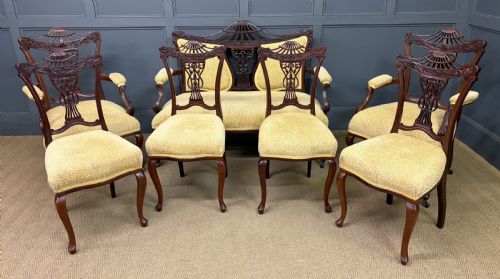
- A matching set of upholstered drawing room seating comprising sofas and multiple armchairs. These matched sets defined formal Victorian reception rooms.
- Settle
- A high-backed wooden bench with solid arms and a storage box beneath the seat. They kept draughts away from inhabitants in large halls.
Late Victorian Seating: Frequently Asked Questions
How do I identify a late victorian desk chair?
Look for revolving mechanisms mounted on sturdy oak or walnut frames, often featuring ergonomic curved backs suitable for office work.
Many examples incorporate solid timber seats or leather upholstery designed for sustained daily use in studies and libraries.
What defines an arts and crafts armchair?
These pieces showcase honest construction through exposed joinery, spindle backs, and rush or simple fabric seats. Makers prioritized utility and natural wood grains over excessive surface decoration.
Design philosophies of the movement emphasised straightforward craftsmanship rooted in traditional vernacular styles.
Are hall benches suitable for modern hallways?
Their narrow profiles and sturdy timber construction make them practical additions to contemporary entryways for seating and storage. Many feature lift-up seats that conceal internal compartments for shoes and household items.
Carved oak and walnut surfaces withstand heavy daily traffic while establishing a distinct historical anchor in a room.
How should I care for leather upholstery?
Maintain the material by applying specialised leather dressings periodically to prevent drying and cracking across button-backed surfaces. Keep pieces away from direct heat sources and strong sunlight to preserve the original hide.
Gentle dusting with a soft cloth prevents abrasive particles from wearing into the grain over time.