

Late Victorian Box
When you search for a late victorian box, you enter a world of practical storage shaped by the craft of the late nineteenth century.
Late Victorian Box
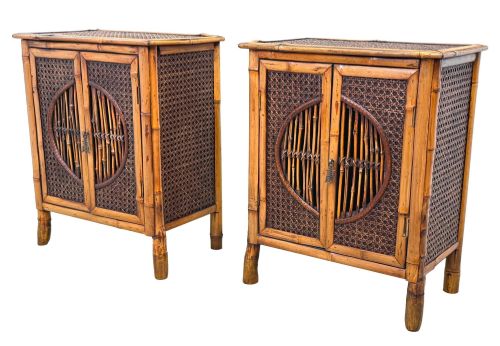
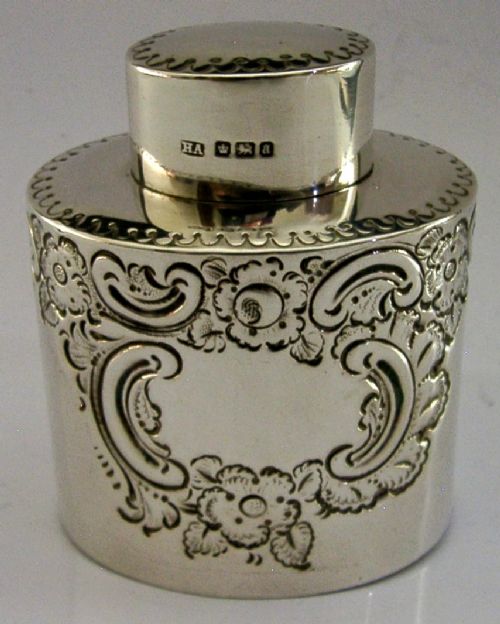
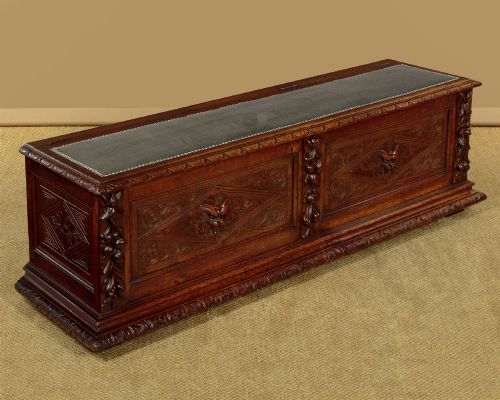
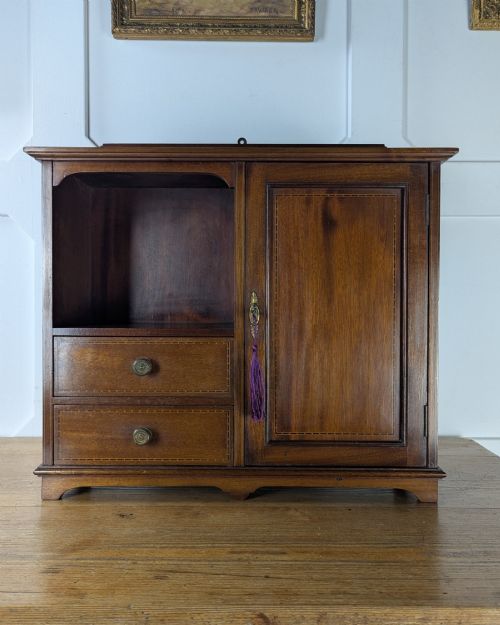
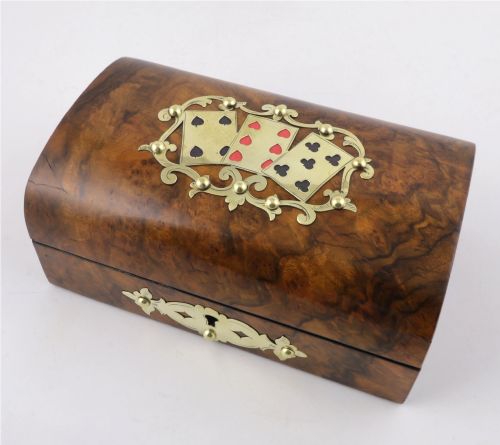
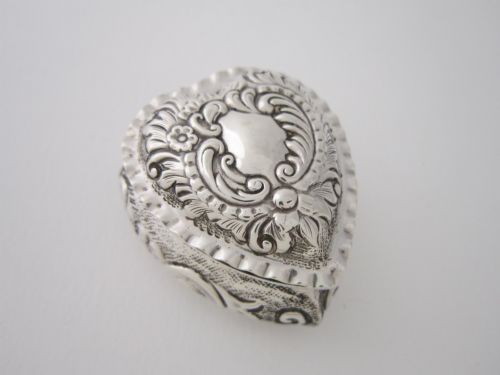
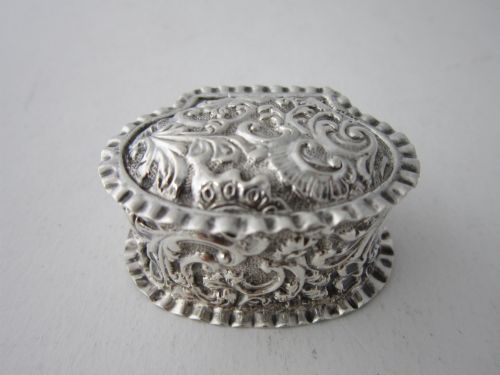
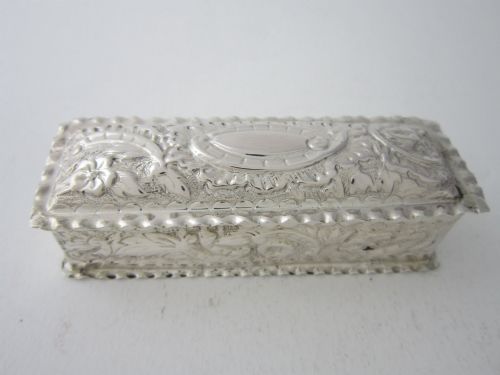
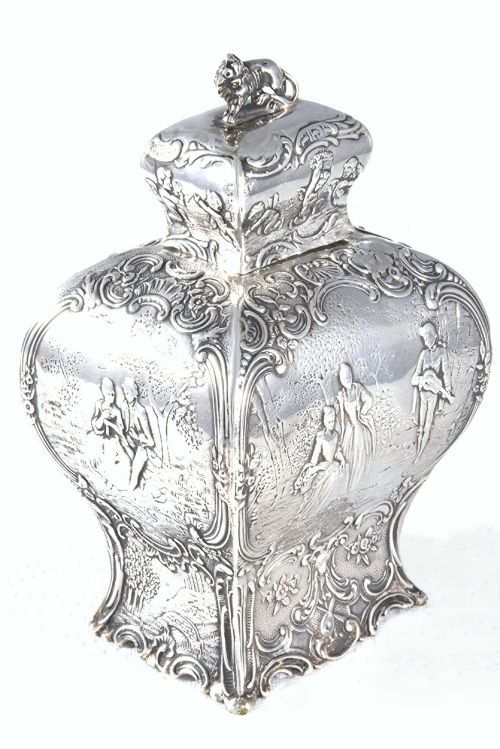
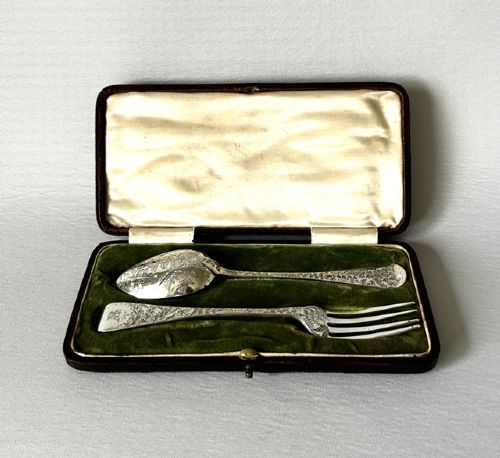
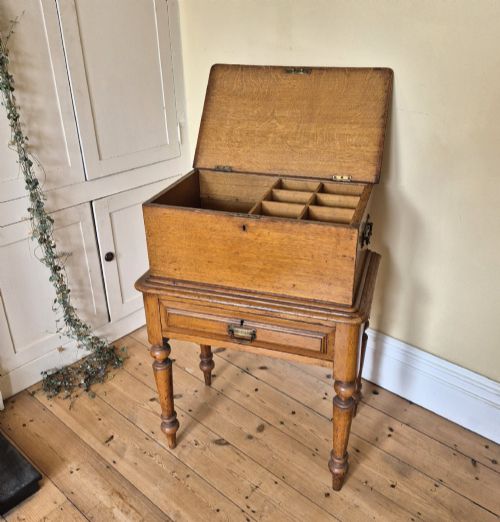
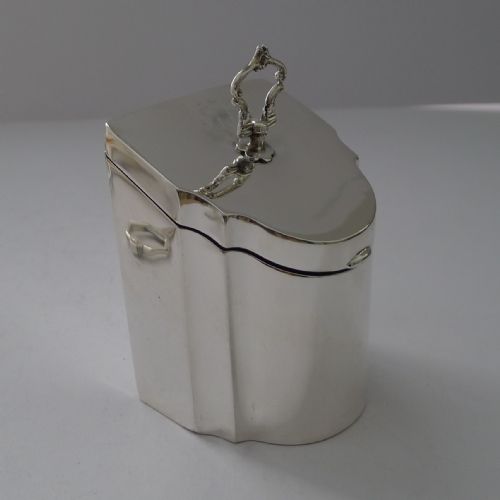
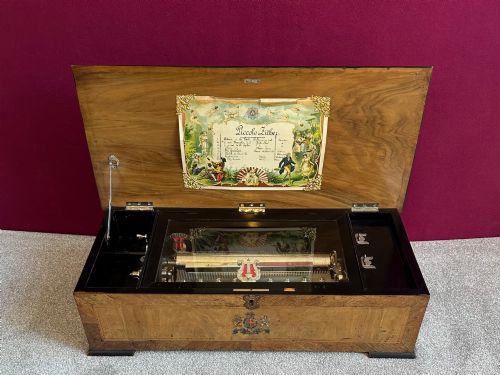
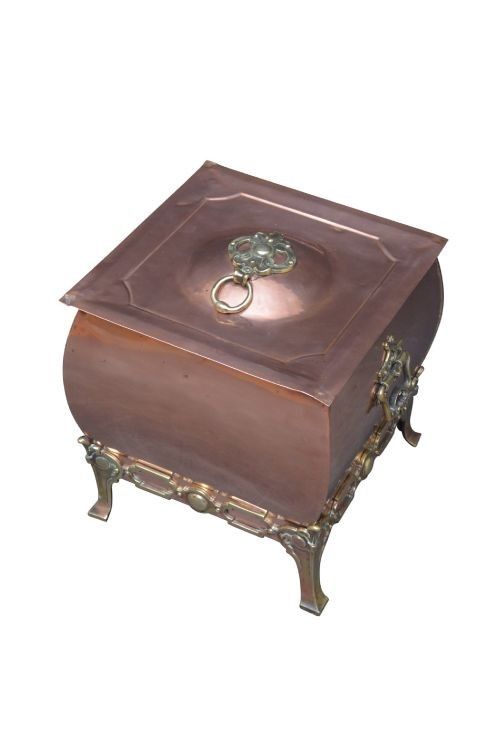
A late victorian box encompasses a wide range of functional containers designed for personal items, games, documents, and provisions during the closing decades of the nineteenth century. These objects include sterling silver trinket boxes, carved oak receptacles, tea caddies, and specialised caskets for cards or tobacco.
The materials reflect the domestic and industrial capacities of the period, drawing on sterling silver, brass, mahogany, oak, glass, and leather. Buyers frequently encounter small desk and tabletop versions, alongside larger travelling trunks and fitted games compendiums.
Originating predominantly from British workshops and factories, these pieces served both utilitarian purposes and decorative roles in Victorian interiors. The survival of silk, velvet, and leather linings in many examples demonstrates how these containers protected valuable possessions.
How They Were Made
Makers utilised traditional woodworking techniques such as dovetailing and marquetry inlay, frequently employing dense hardwoods like mahogany, walnut, and satinwood. Metal containers relied on sterling silver smithing, brass casting, and electroplating over base metals.
Surface ornamentation involved hand-carving in oak, embossing on silver, and applied decorative elements associated with the Arts and Crafts and Aesthetic movements. Interiors were often lined with fitted sections of velvet, silk, or leather to accommodate specific contents like stationery, jewellery, or cutlery.
The inventory records pieces spanning the Victorian, Aesthetic, and Arts and Crafts movements from the late nineteenth century.
What Varies in Quality
The standard of execution depends heavily on the precision of the joinery or metalwork and the integrity of any applied ornamentation. Superior examples display crisp, hand-finished detailing in carved wood or chased silver, alongside intact original internal linings and hardware.
Material selection dictates the upper tier of the range, where solid hardwoods and hallmarked sterling silver outclass veneered substitutes and base metal platings. The retention of original keys, working locks, and fitted internal compartments further separates standard domestic items from exhibition pieces.
Sampson Mordan·Lee & Wigfull·Fenton Bros·John Grinsell & Sons·Hukin & Heath·George Unite·Negretti & Zambra·James Purdey & Sons
The Late Victorian Box Glossary
- Marquetry
- Decorative woodwork in which small pieces of variously coloured wood are fitted into a veneer to form geometric or pictorial designs. This technique frequently appears on the lids of stationary and games boxes from the period.
- Sterling Silver
- An alloy of silver containing 92.5 percent by mass of silver and 7.5 percent of other metals, usually copper. Many small trinket, pill, and tea caddy containers from this era bear hallmarks confirming this standard.
- Treen
- Small handmade wooden household objects. In this category, the term applies to turned or carved items such as snuff boxes and shoe-form containers.
- Hallmark
- An official mark stamped on items made of precious metals, indicating the standard of purity, the assay office, and the date letter. These marks are crucial for dating silver boxes accurately.
- Tantalus
- A locking wooden frame holding decanters that prevents access to the contents without a key. Late examples in oak and silver plate are typical of the era.
Late Victorian Box: Frequently Asked Questions
What were tea caddies used for?
Tea caddies served to store precious tea leaves securely when tea was an expensive commodity.
They often featured internal compartments or locking lids to protect the contents from dampness and theft.
How do I care for wooden boxes?
Wooden containers require stable humidity levels and protection from direct sunlight to prevent warping and cracking.
Regular dusting with a dry cloth and occasional application of appropriate wax maintains the finish.
Can I date silver boxes accurately?
Silver pieces usually feature clear hallmarks that indicate the assay office and a specific date letter.
Matching these stamps against standard assay office records provides the exact year of manufacture.
What is a games compendium?
A games compendium is a multi-purpose box designed to house equipment for several different tabletop pastimes.
These fitted interiors typically hold playing cards, dice, counters, and boards for chess or backgammon.